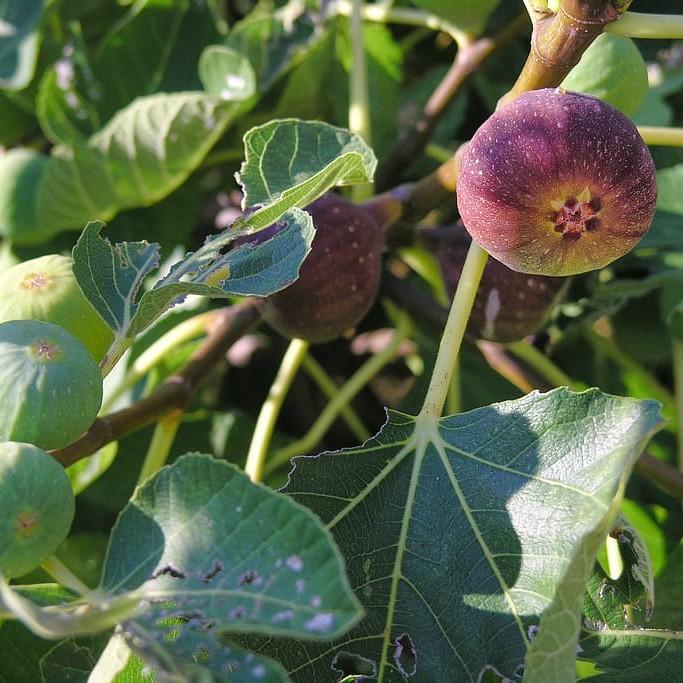
fig
Ficus carica 'Chicago Hardy'
Overview
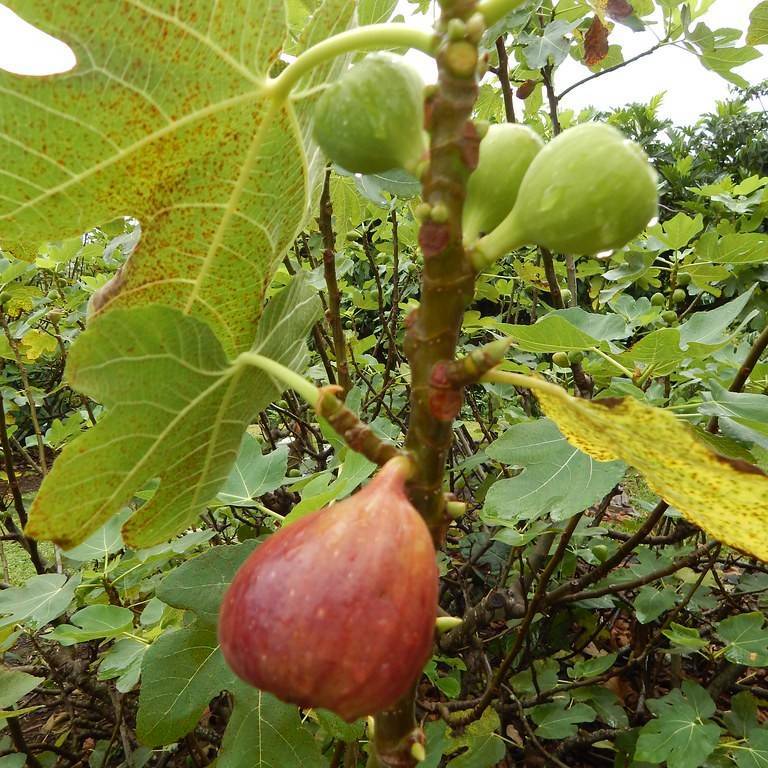
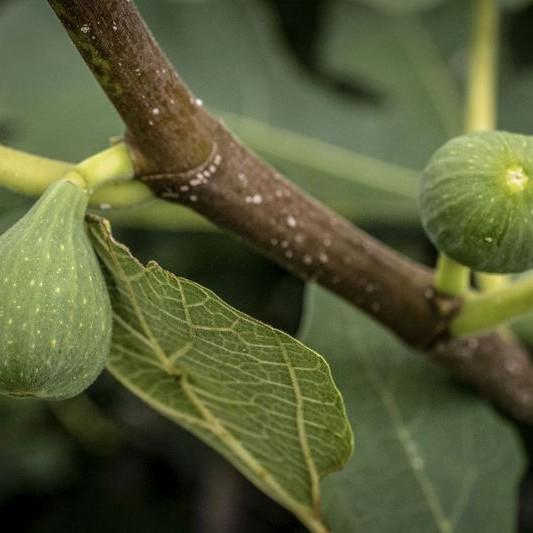
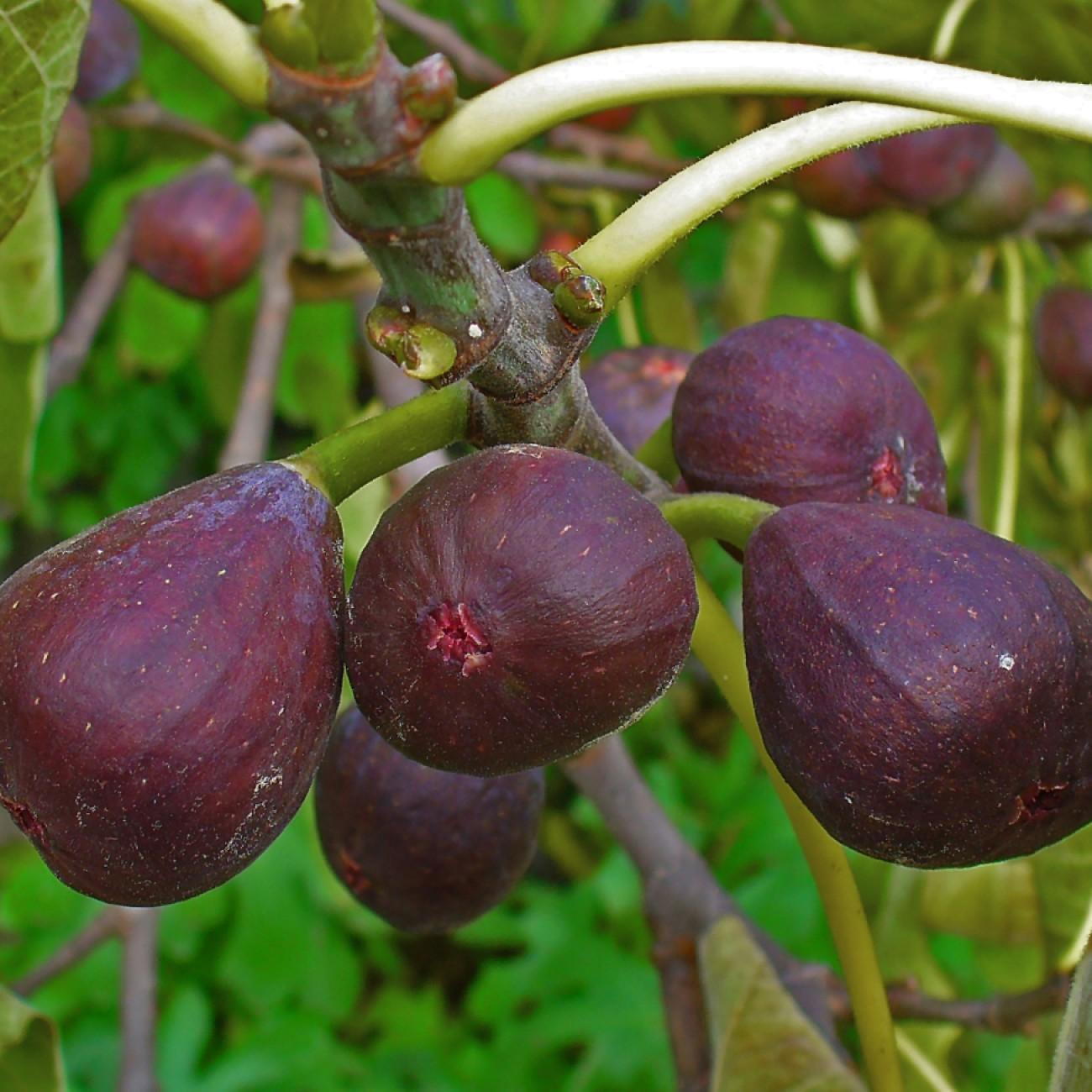
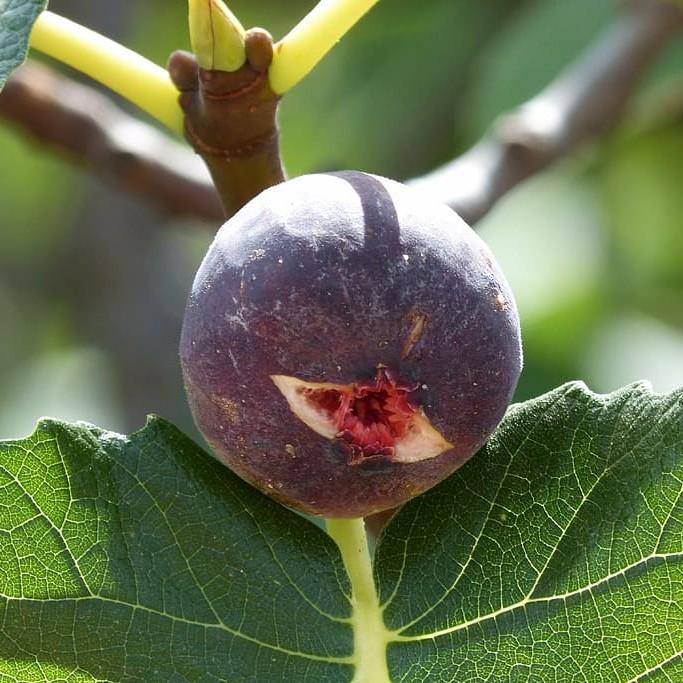
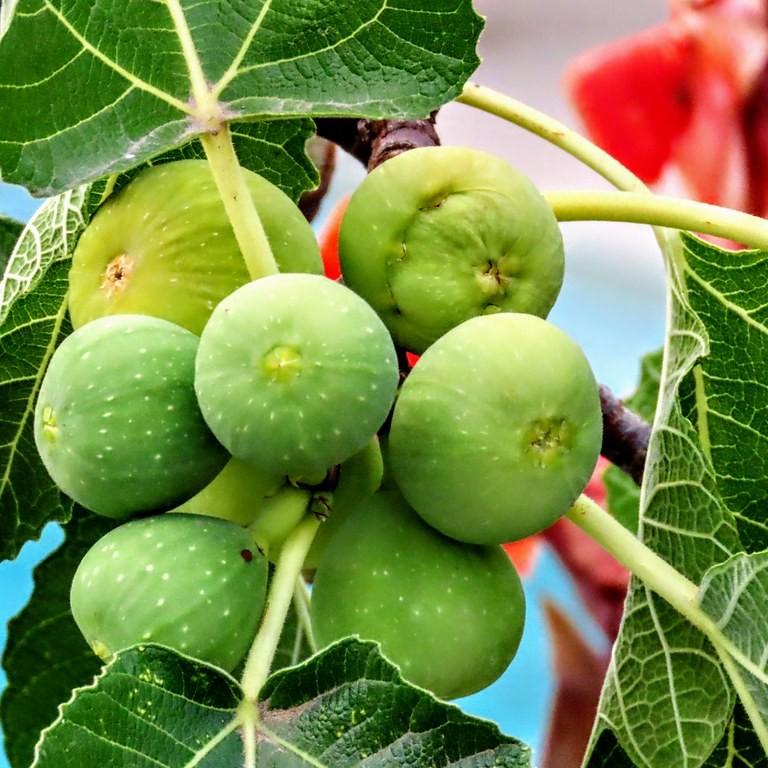
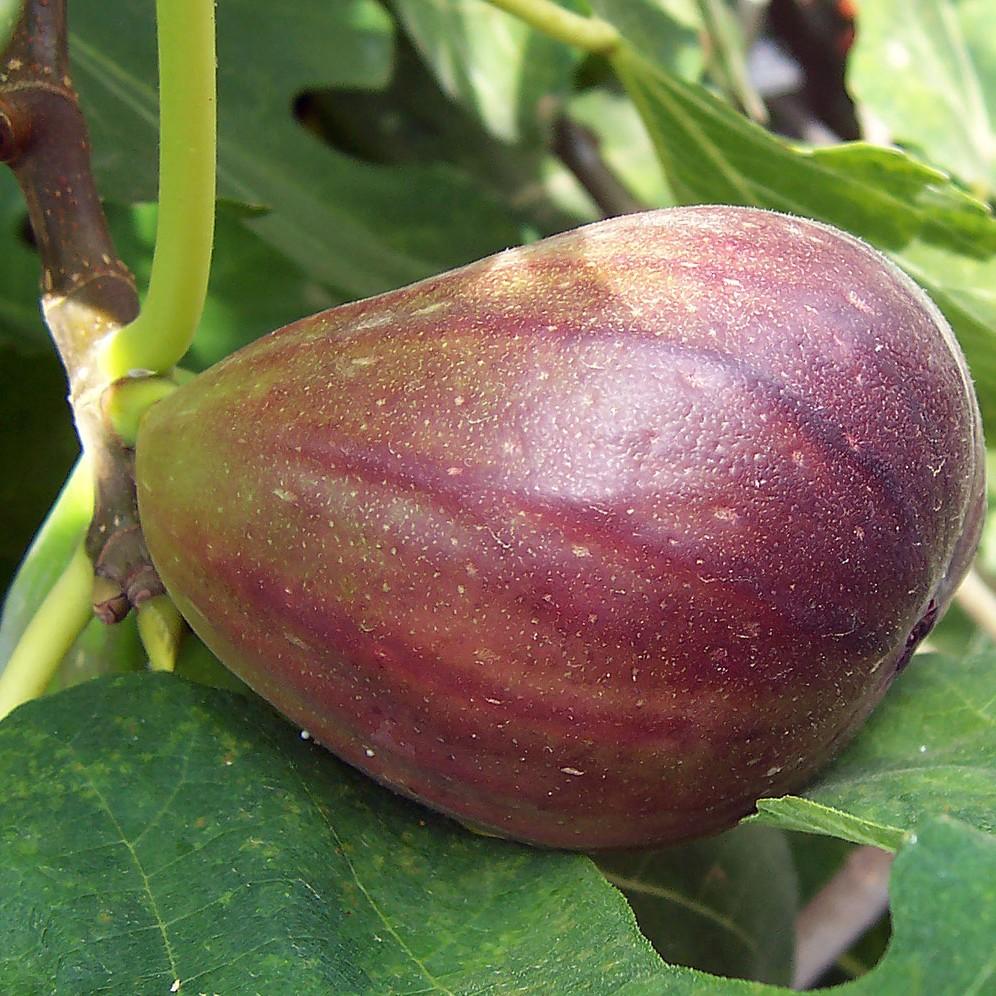
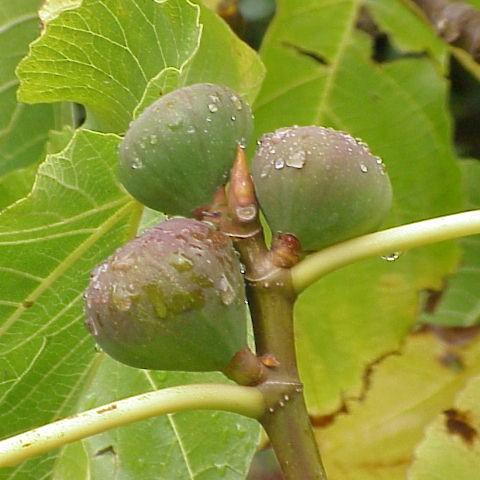
Fig (Ficus carica 'Chicago Hardy') is amazing for its hardiness in cold climates, surviving in temperatures as low as 0°F - much lower than most other fig varieties. It is vigorous and low-maintenance, producing abundant yields of medium-sized, sweet, and delicious fruits in late summer to early fall. These flavorful fruits can be eaten fresh and are also prized for making jams and preserves. The small, heart-shaped, evergreen leaves are deeply lobed and shiny, and when planted in the right location, figs provide year-round beauty and structure. An admirable variety, Chicago Hardy fig has earned its place in every garden.
Care Guide
Watering
The fig is an easy-to-grow plant that requires consistent, moderate watering. When kept in containers, water your fig plant when the top 1 inch of soil is dry. If it is grown in a garden bed, water it once every week to 10 days, or when the top 4-5 inches of soil become dry. During the hot summer months, water it more frequently. Water your fig deeply to promote strong root growth and fewer pest and disease issues.
Light
Ficus carica 'Chicago Hardy' is best suited for growing in areas that experience full sunlight. The optimal amount of sunlight for this plant species is 6 to 8 hours per day during the growing season. In warmer months, the fig plant may need more than 8 hours of sunlight. Most figs do best when they receive morning sunlight and early afternoon shade to prevent hot spots in the summer. During the winter months, they may not need as much light - 4 to 6 hours a day should suffice.
Soil
Well-drained
Temperature
Hardiness zone 7–7.
Pruning
Figs should be pruned annually between late winter and early spring. Pruning should involve the removal of any dead branches as well as branches that are crossing over 1 another. This will help promote new strong growth. Younger branches can be trimmed back to the desired shape and size. Overall, the amount of pruning should be minimal as figs are fast-growing plants and can tolerate more drastic pruning; however, moderation is recommended for healthier growth.
Propagation
Air Layering Propagation, Cutting, Grafting Propagation, Division, Seed Propagation
Diseases & Pests
Common pests: Pest resistant, Disease resistant.
Related plants
Other plants you might like if you grow fig.