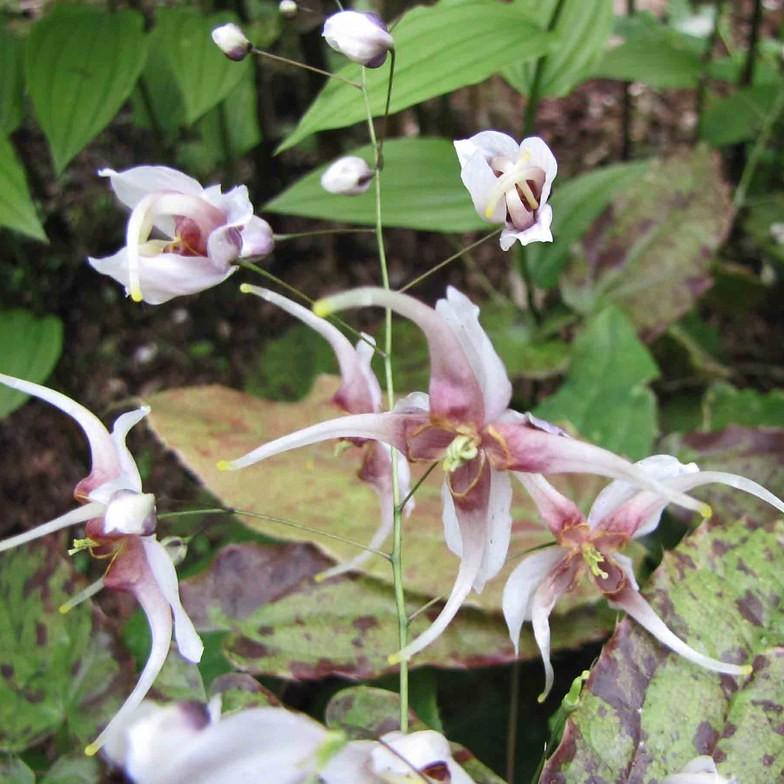
bishop's hat
Epimedium acuminatum
Overview
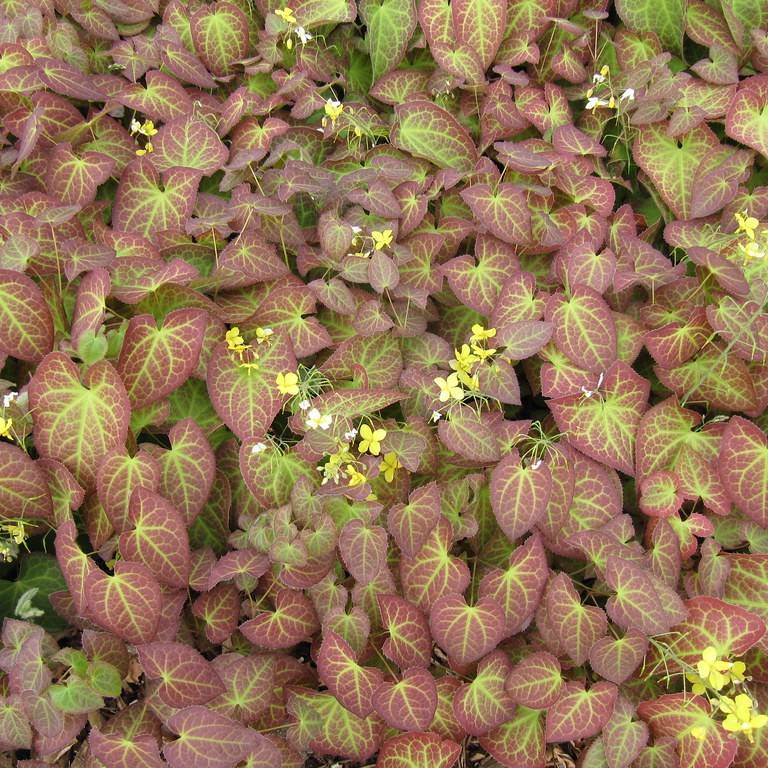
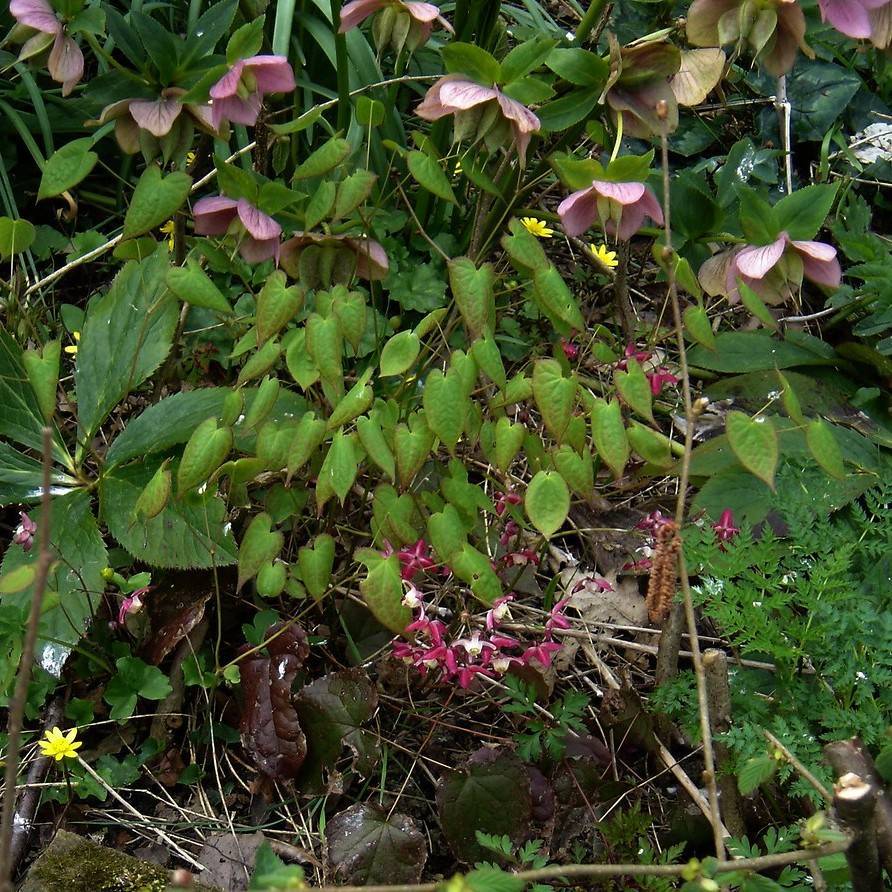
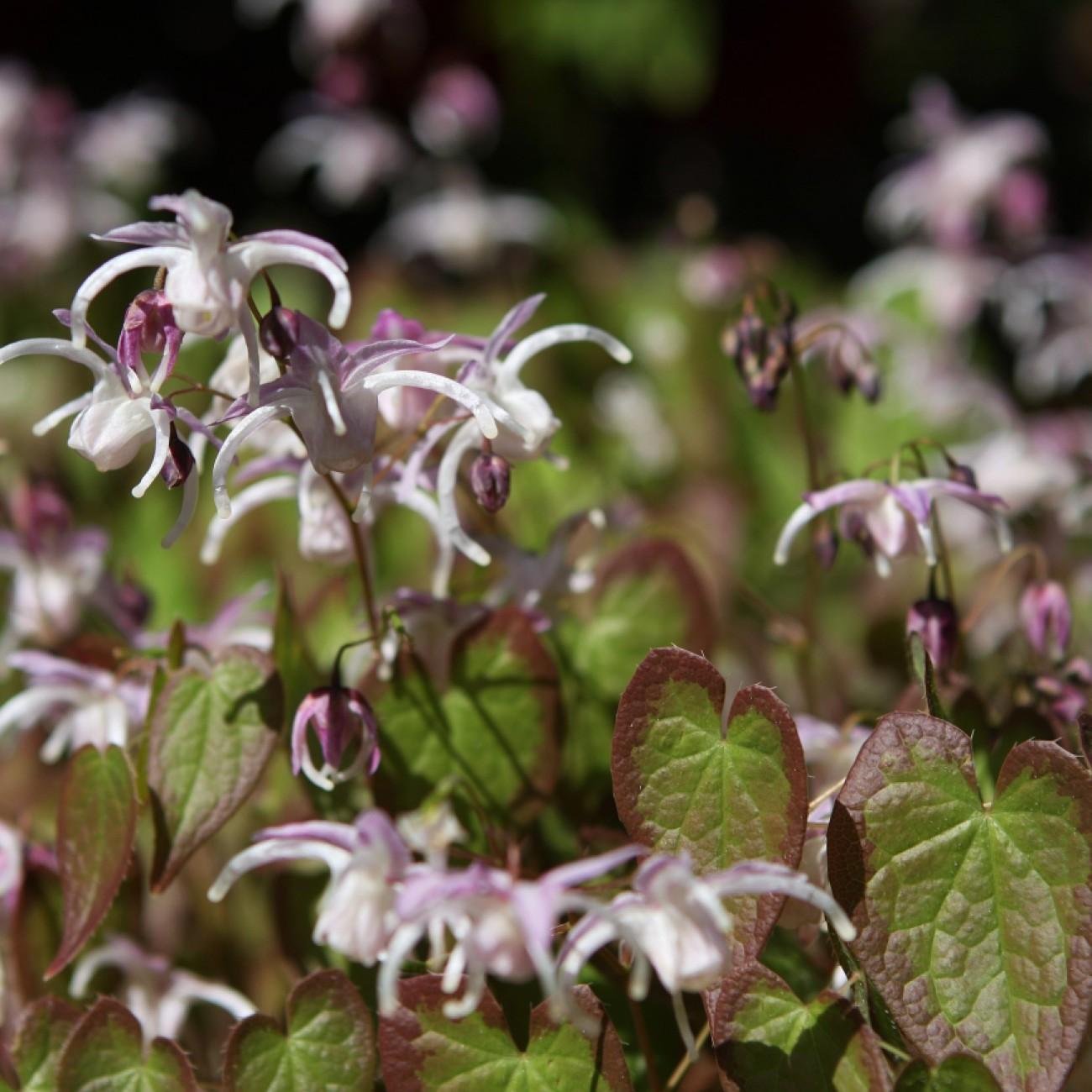
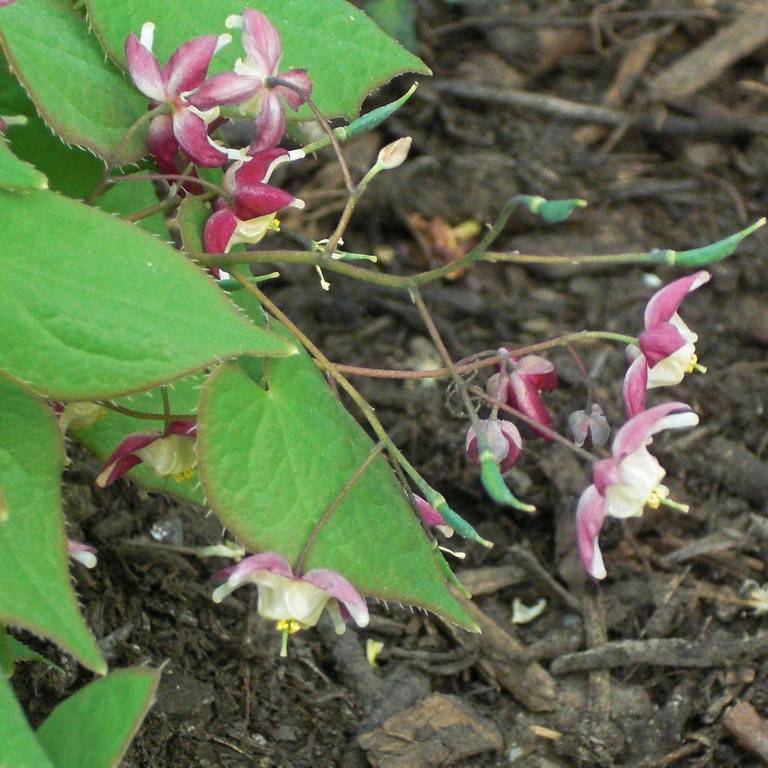
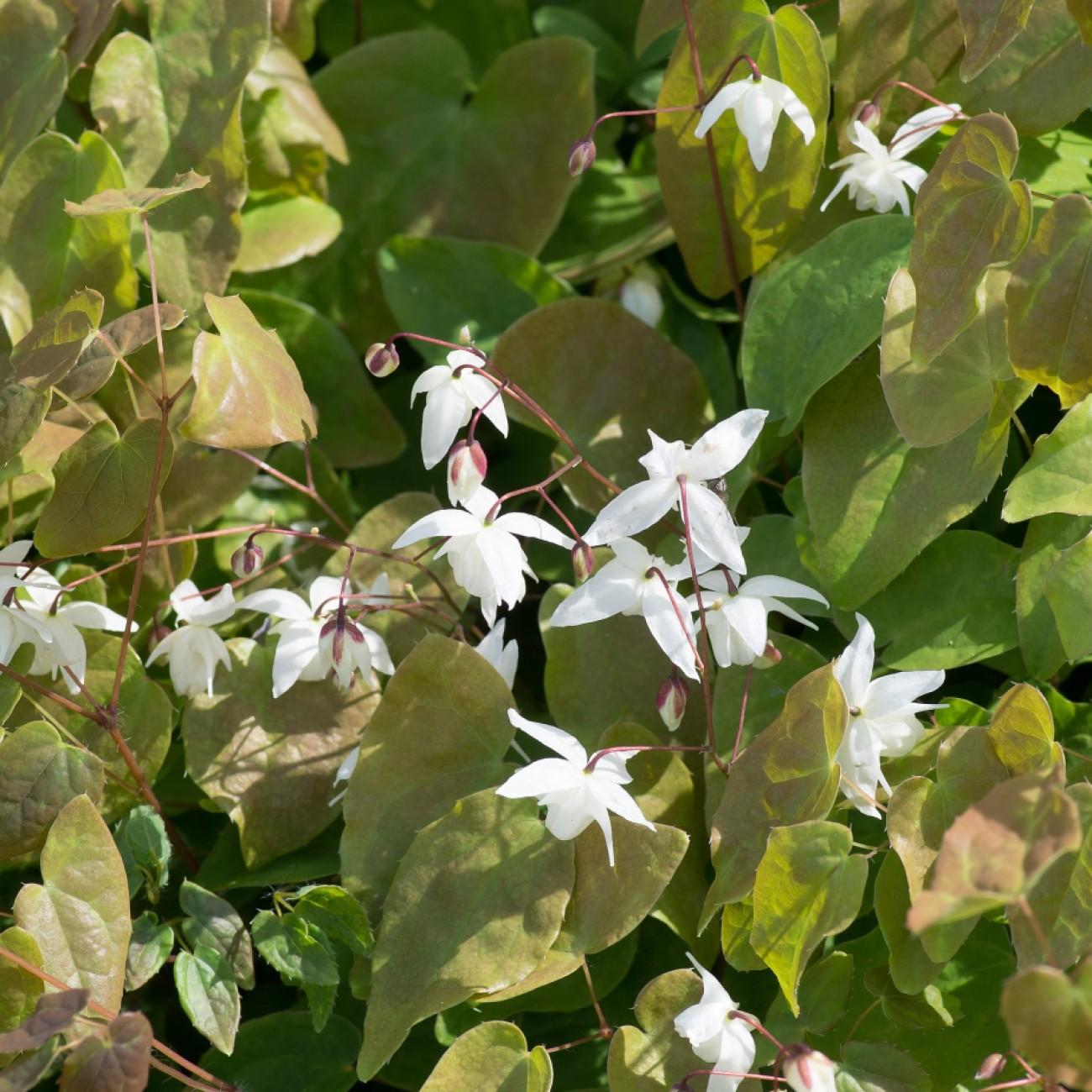
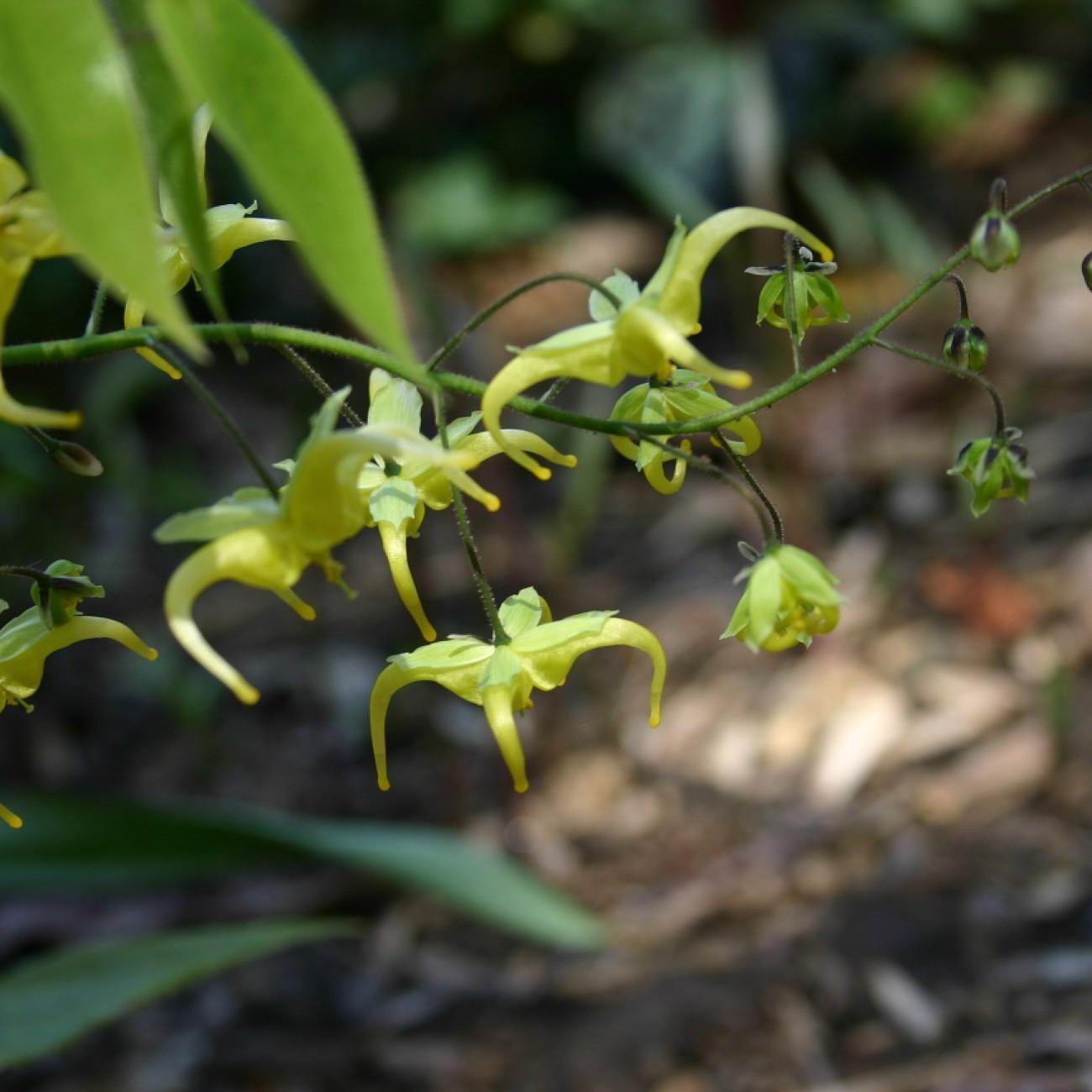
Bishop's hat (Epimedium acuminatum) is an amazing plant species native to Japan. It has a unique, tropical look, with heart-shaped leaves outlined in pink. In the spring, its delicate white flowers with yellow-tipped petals bloom, creating an eye-catching display. Its low-maintenance nature and long-lived leaves make it perfect for even novice gardeners. Not only is it easy to care for, but its low-growing habit makes it a great ground cover for areas with partial sun. Its undemanding nature and hardy constitution will bring beauty to any garden, making Bishop's hat a must-have for the perfect landscape!
Care Guide
Watering
Water Bishop's Hat (Epimedium acuminatum) deeply once or twice a week, and water until the soil is damp. Avoid watering too frequently during the winter, as the plant prefers to remain almost dry during this time; water only rarely if signs of wilting occur. When conditions are dry, water more often, but make sure the soil has dried out before the next application. If the foliage begins to yellow, reduce watering slightly, as over-watering can lead to root rot.
Light
Bishop's hat (Epimedium acuminatum) requires partial shade to full shade during the summer months to keep its foliage looking lush and vibrant. It will do best in a location that gets dappled sunlight at most. During the winter months, this plant species may benefit from a few hours of direct morning sunlight, but it should be shaded from the afternoon sun.
Temperature
Hardiness zone 5–9.
Pruning
Bishop’s Hat (Epimedium acuminatum) should be pruned once a year in order to maintain a healthy and attractive appearance. Pruning should be done in early spring, before new growth begins. Start by cutting off any old or dead foliage, as this will promote new growth. Then, selectively prune the long stems back to the desired level. Trim the longer stems down the middle to keep the shrub from becoming too spindly or unshapely. Pruning also encourages the foliage to stay dense and healthy. Finally, if needed, manicure the edges of the Bishop’s hat to achieve the right shape and look.
Propagation
Division, Layering Propagation, Cutting, Seed Propagation
Related plants
Other plants you might like if you grow bishop's hat.