bishop's hat
Epimedium cantabrigiense
Overview
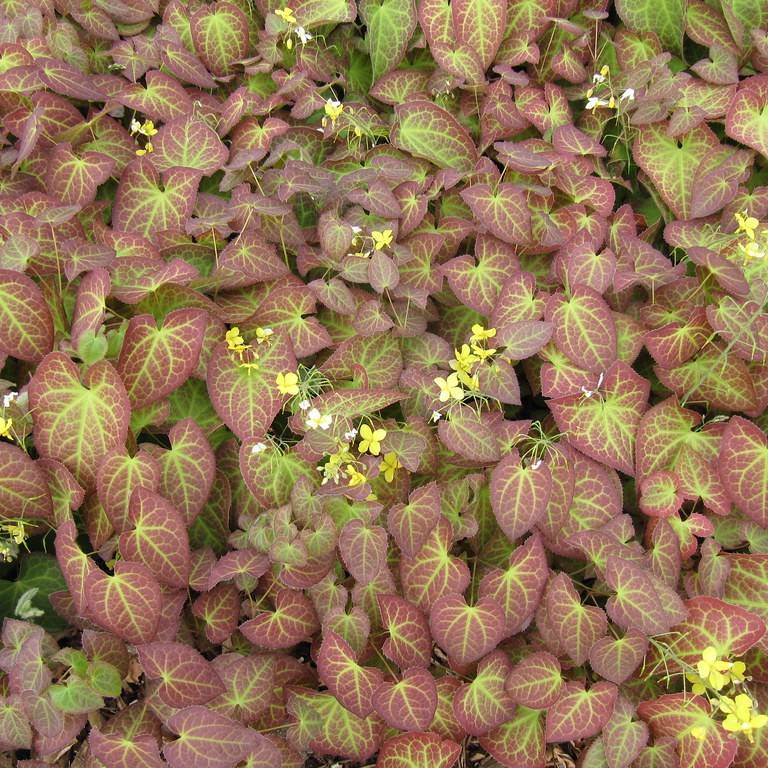
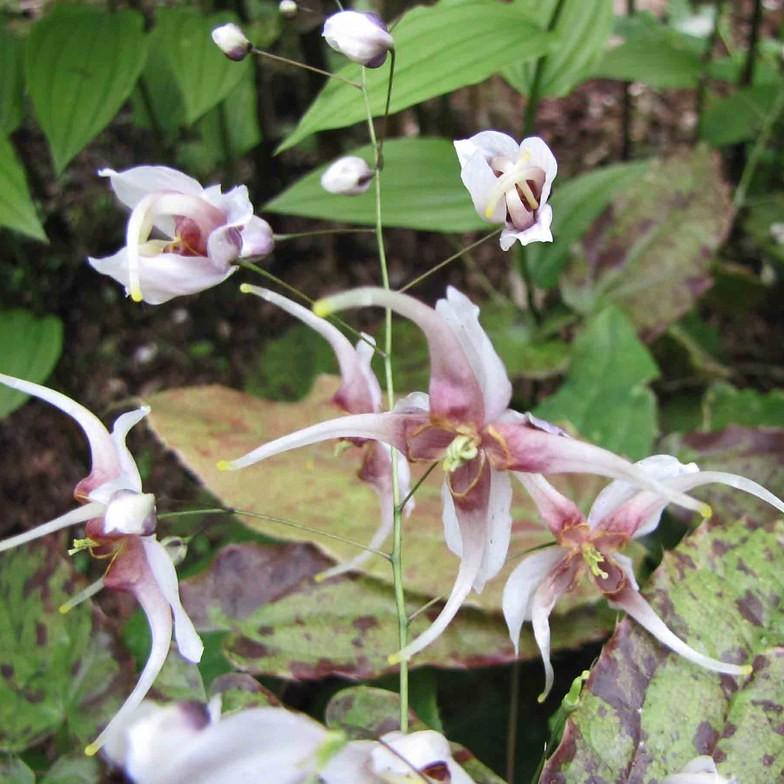
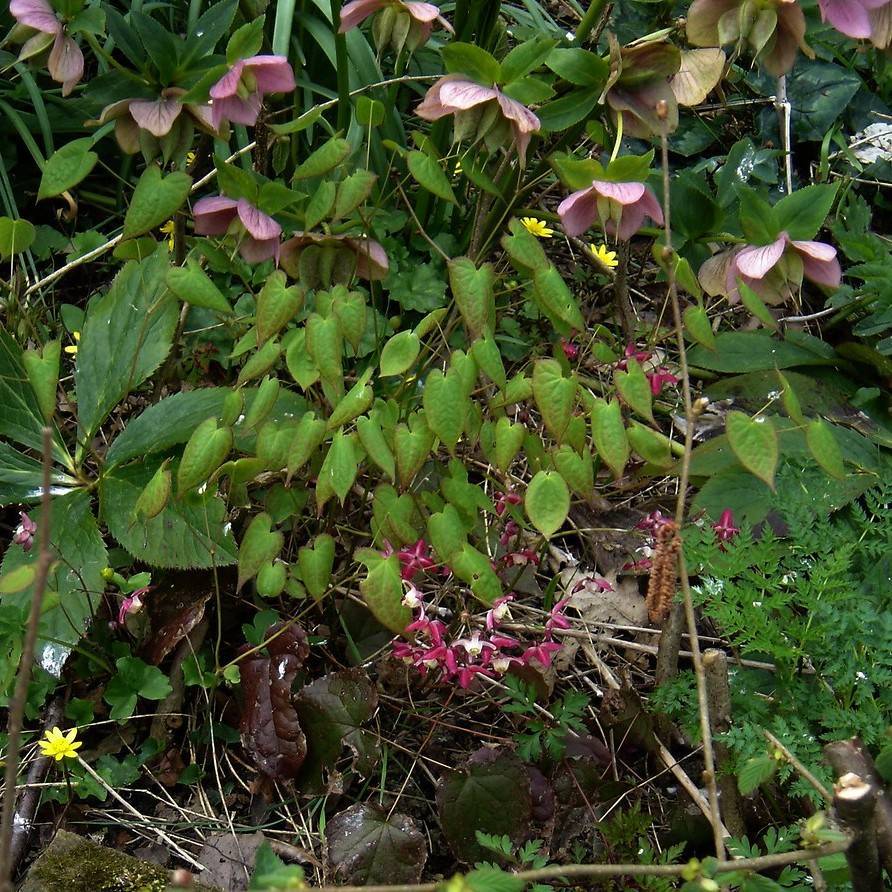
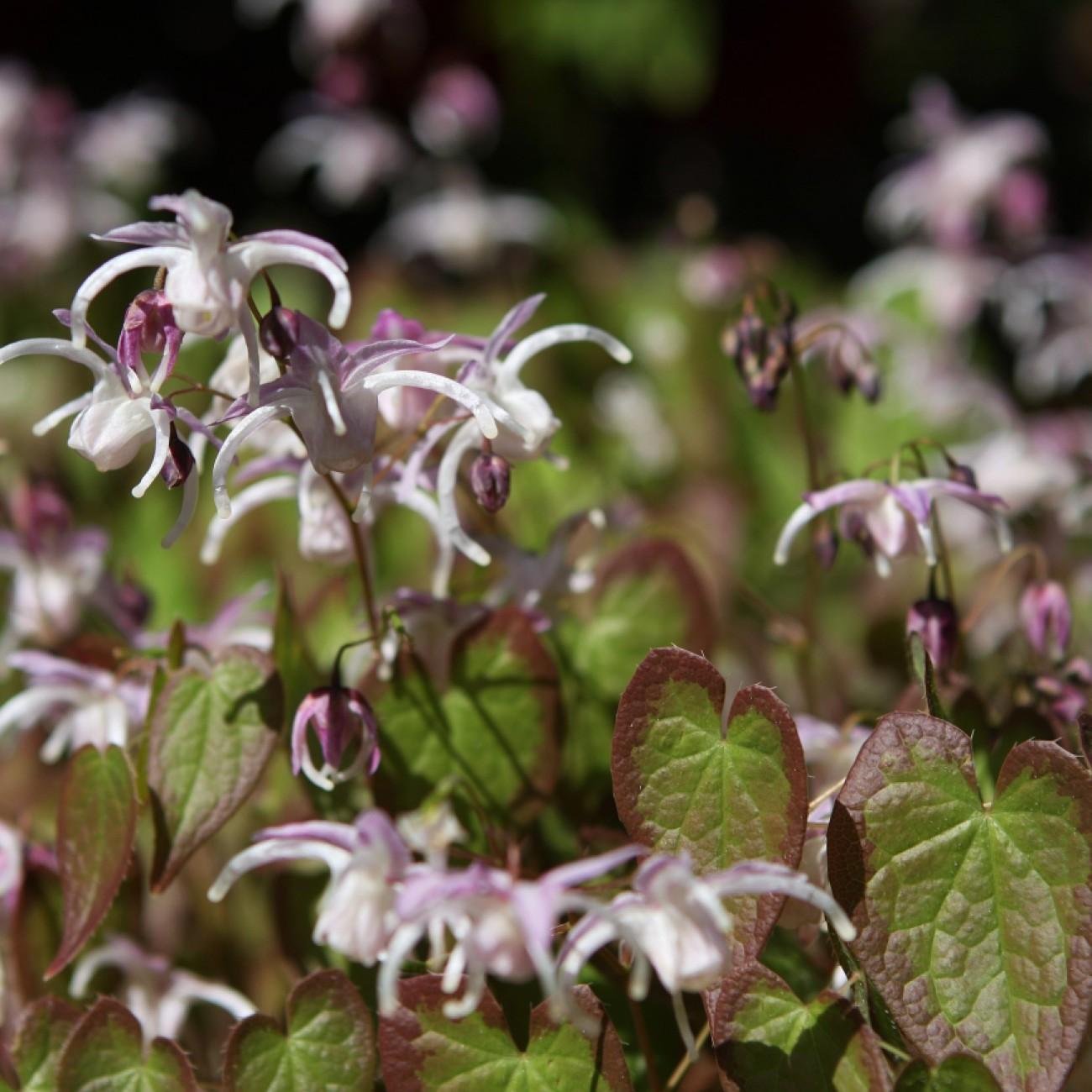
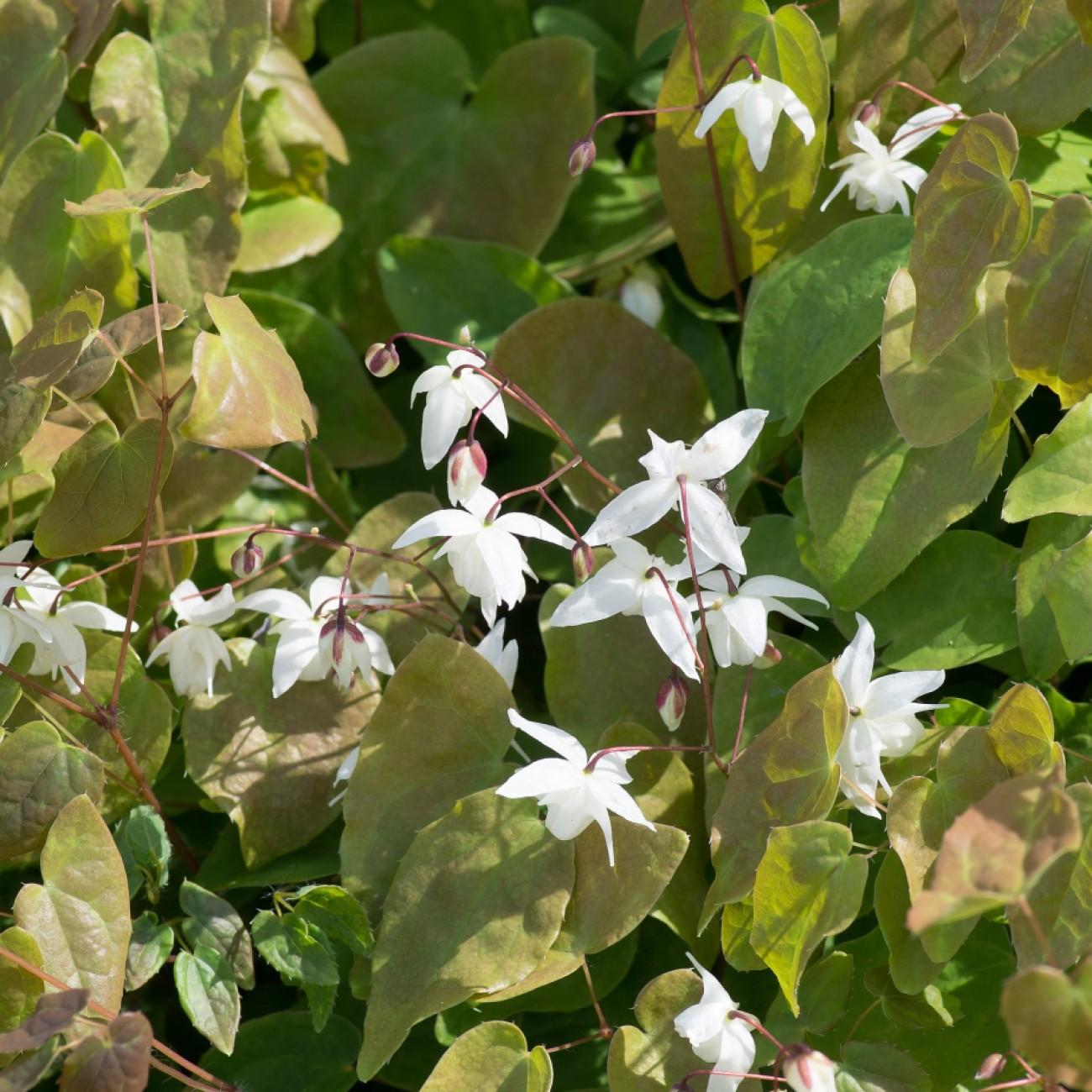
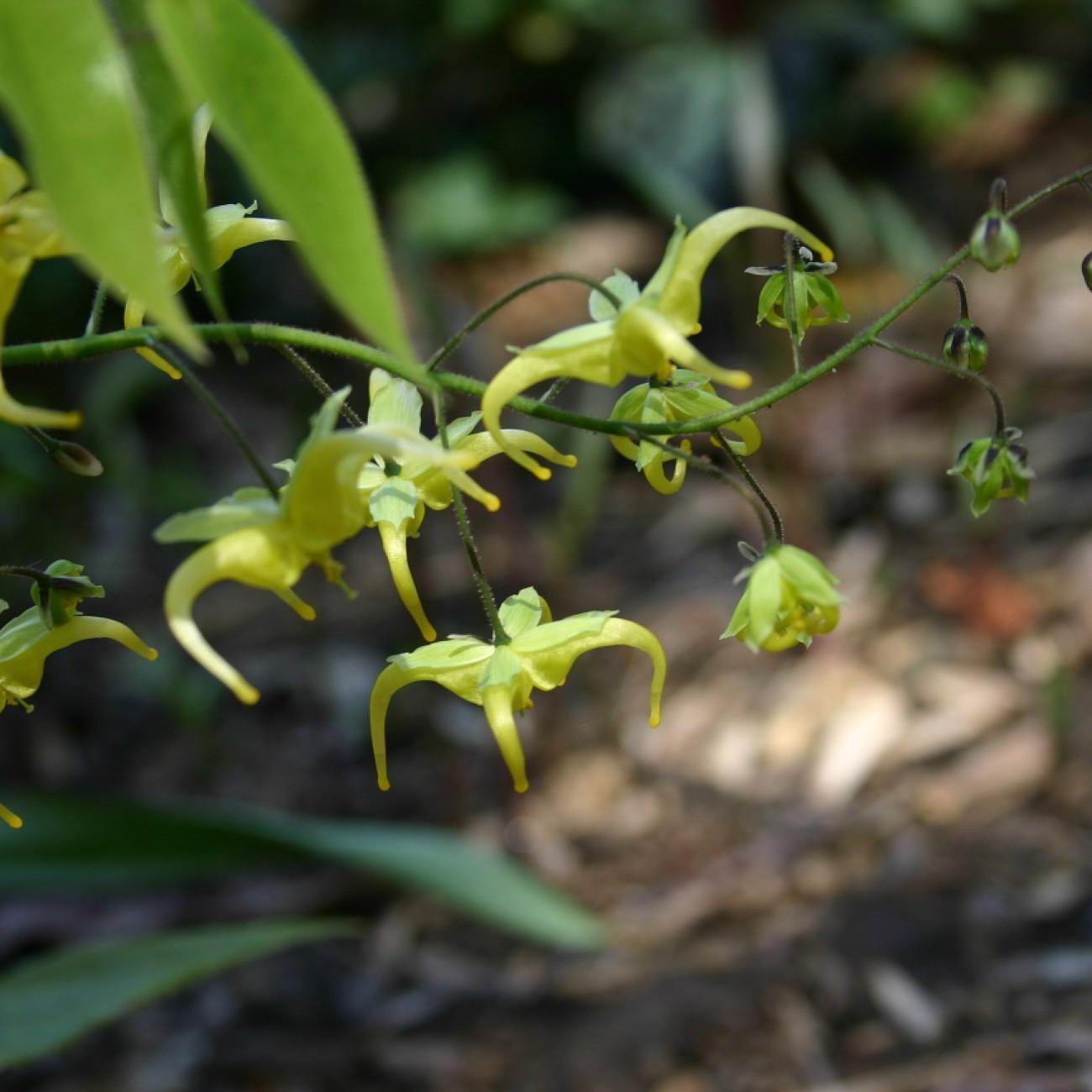
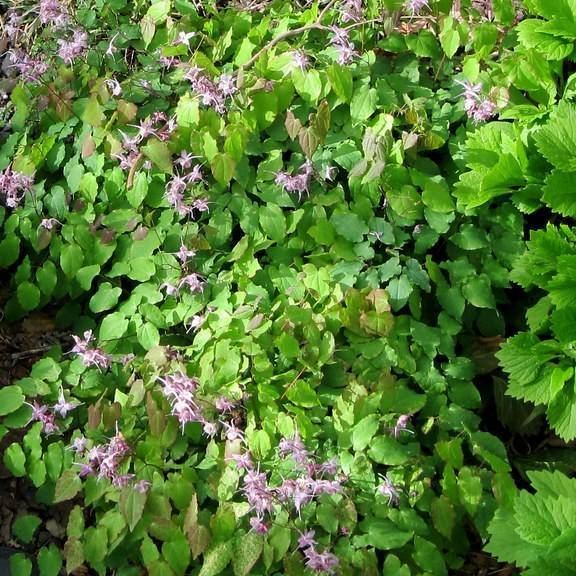
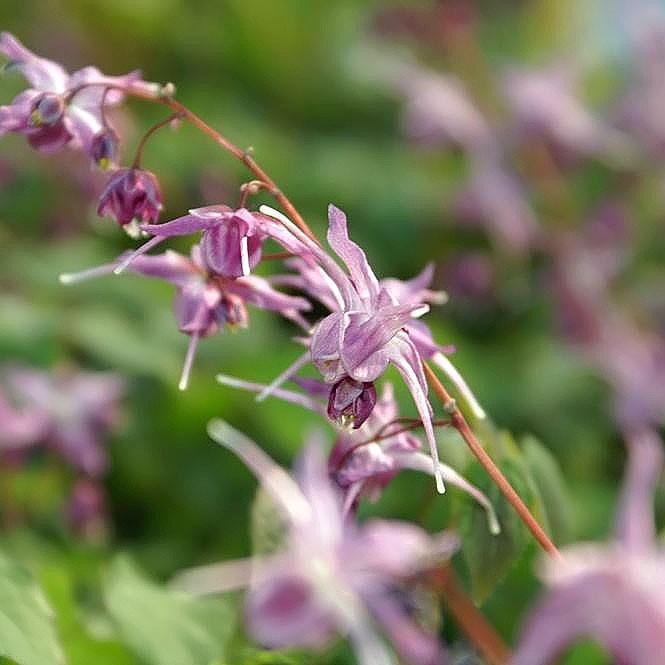
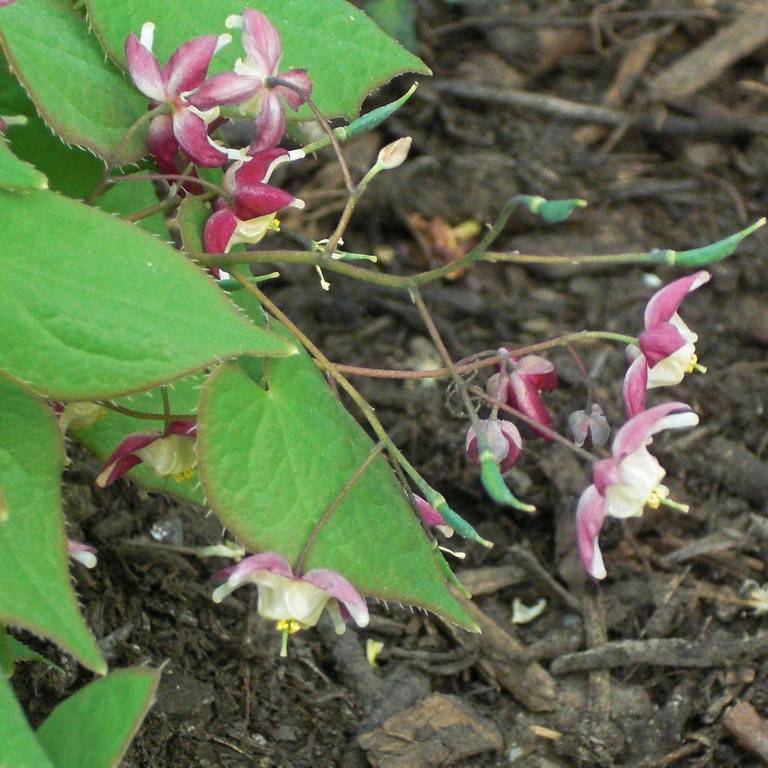
Bishop's hat (Epimedium cantabrigiense) is an amazing plant species that features heart-shaped foliage and delicate, long-spurred, white and yellow flowers that bloom in early spring. With its beautiful foliage, this deer-resistant perennial adds year-round interest to any outdoor space. It's semi-evergreen, frost-hardy, and perfect for growing in borders, rockeries, and wall-side gardens. Low-maintenance and drought-tolerant, Bishop's hat is an essential addition to any wildlife-friendly garden because it produces nectar that attracts pollinators. It's also shade-loving and can act as a ground cover for shadier spaces.
Care Guide
Watering
Water your Bishop's Hat (Epimedium cantabrigiense) when the surface of the soil feels slightly dry to the touch. About once a week should be sufficient depending on the level of humidity in the air and type of soil. Water until it is coming out of the bottom of the pot and then leave it to drain. During the summer months outdoors, they may require slightly more frequent watering, however, overwatering can cause root rot. During colder months, you may need to water less as the plants are going into a semi-dormant state and not actively growing.
Light
Bishop's hat (Epimedium cantabrigiense) is an evergreen plant species that prefers partial shade and does best when it receives between 2–4 hours of direct sunlight a day. This type of plant does not like direct, blazing sun, and exposure to too much sun can scorch the foliage and potentially kill the plant. Instead, filtered light is ideal for encouraging optimum growth. Bishop's hat should be planted in an area that receives morning sun and is protected from harsh afternoon sun.
Temperature
Hardiness zone 4–9.
Pruning
Bishop's hat (Epimedium cantabrigiense) should be pruned annually in late winter to early spring before any new growth appears. Cut back any shoots that are growing in an undesirable direction or shape, and remove or thin any overcrowded thickets of stems. Prune to about 6-8 inches above the ground, as this will stimulate more new and fresh growth. Pruning is also useful for rejuvenating an older, less productive specimen, and for ensuring the plant remains within bounds of a garden bed. As a groundcover, repeated and hard pruning is not recommended - aim for light and judicious pruning only.
Propagation
Division, Layering Propagation, Cutting, Seed Propagation
Related plants
Other plants you might like if you grow bishop's hat.