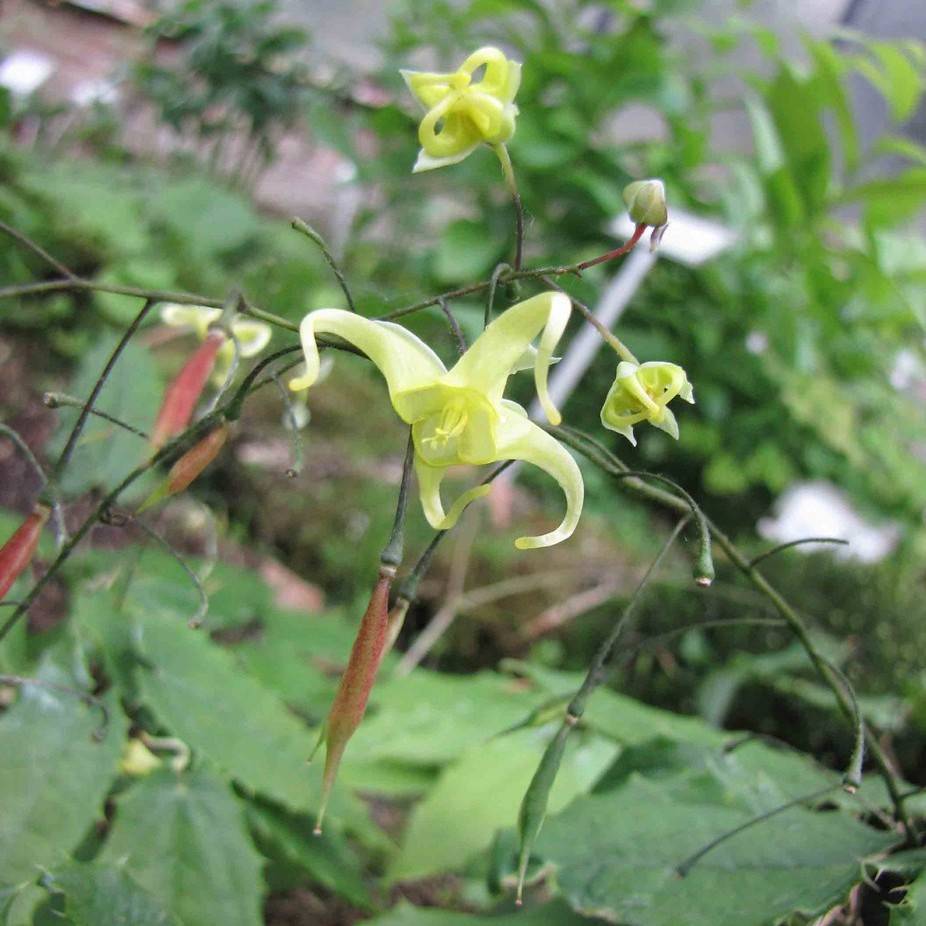
bishop's hat
Epimedium ilicifolium
Overview
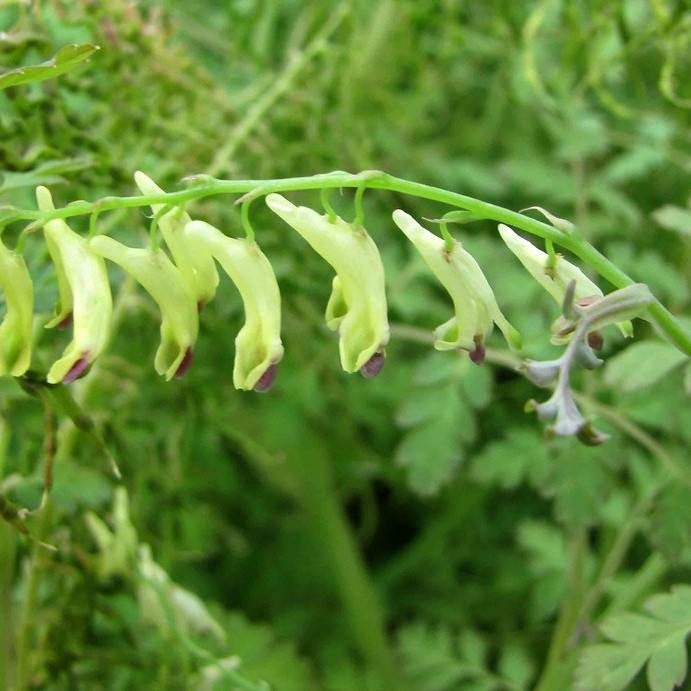
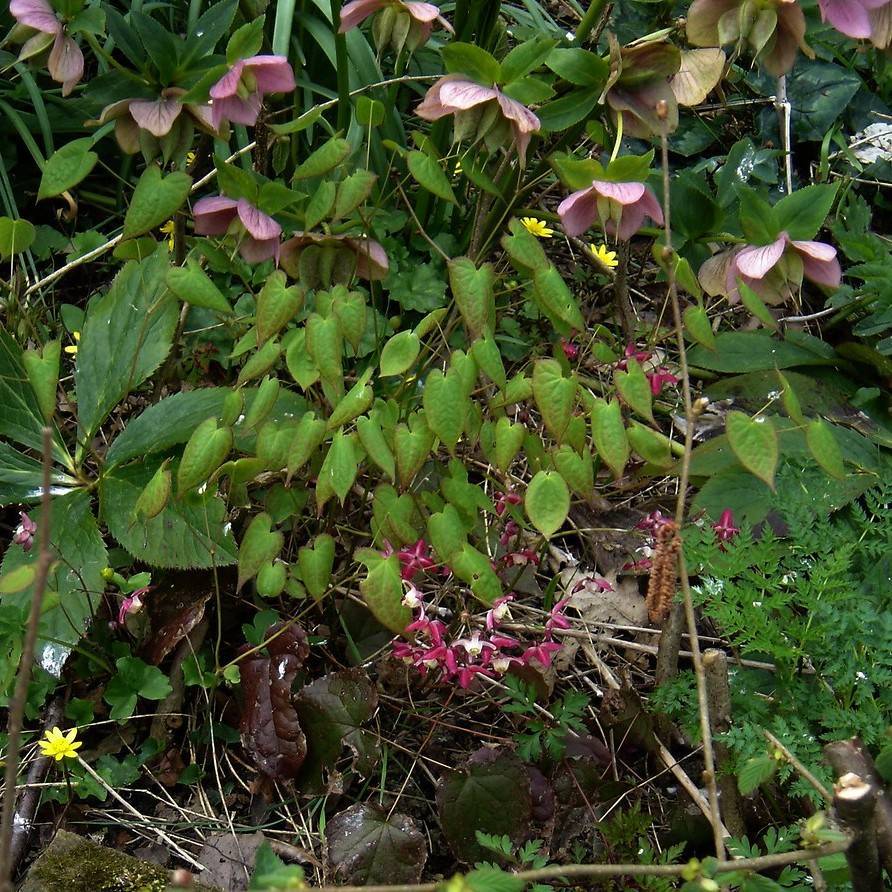
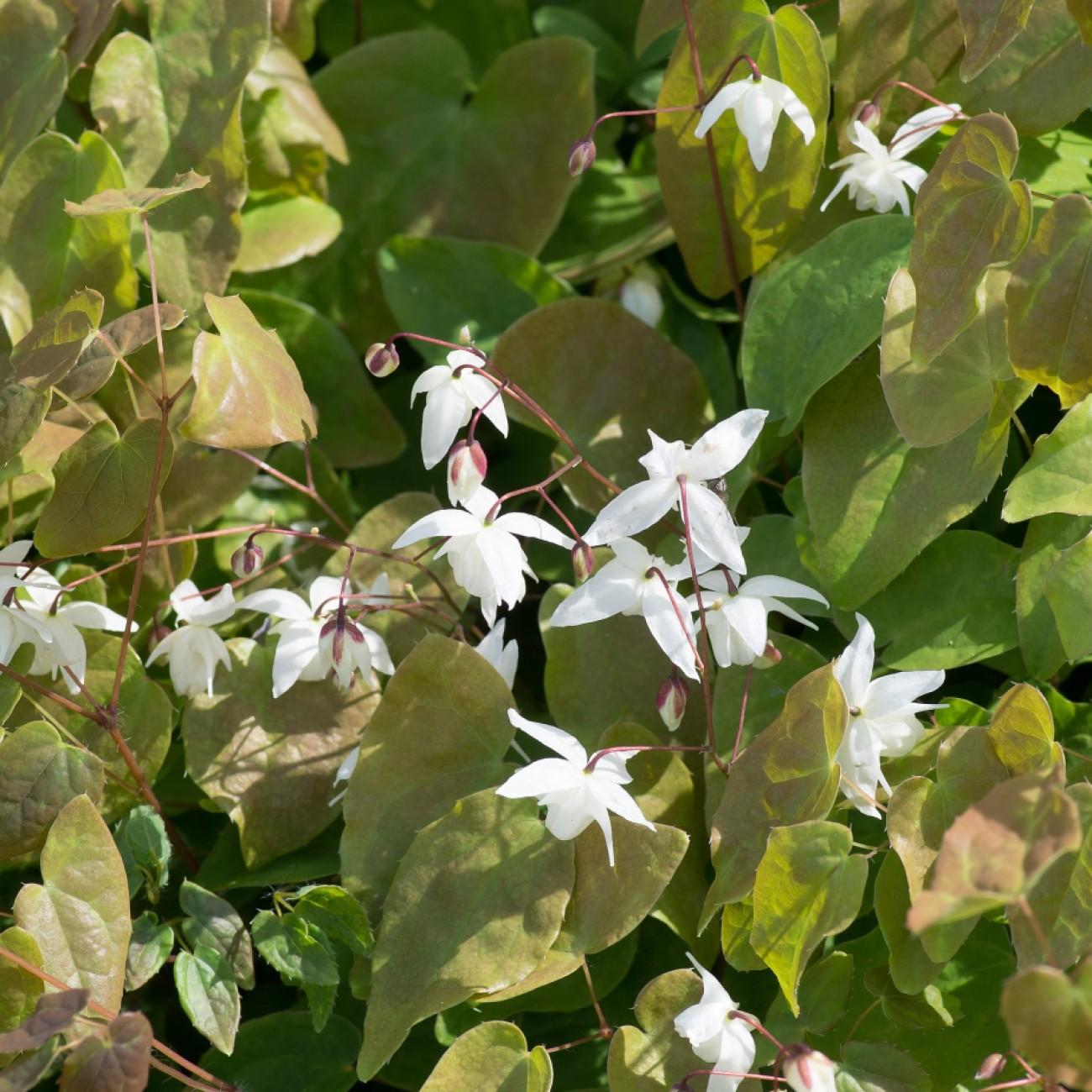
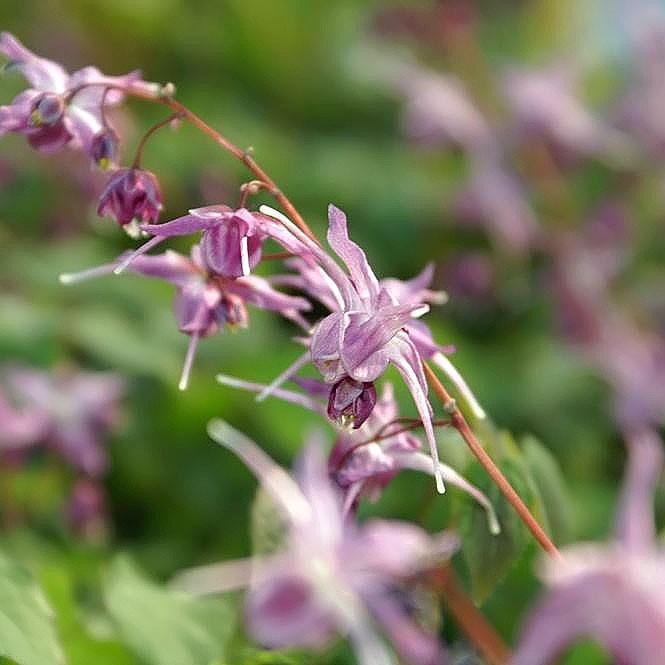
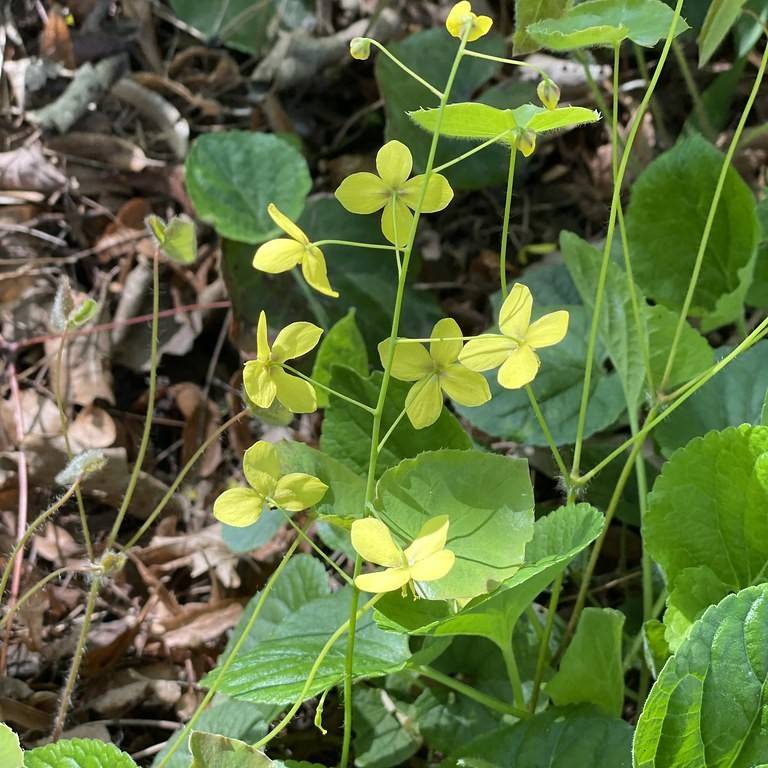
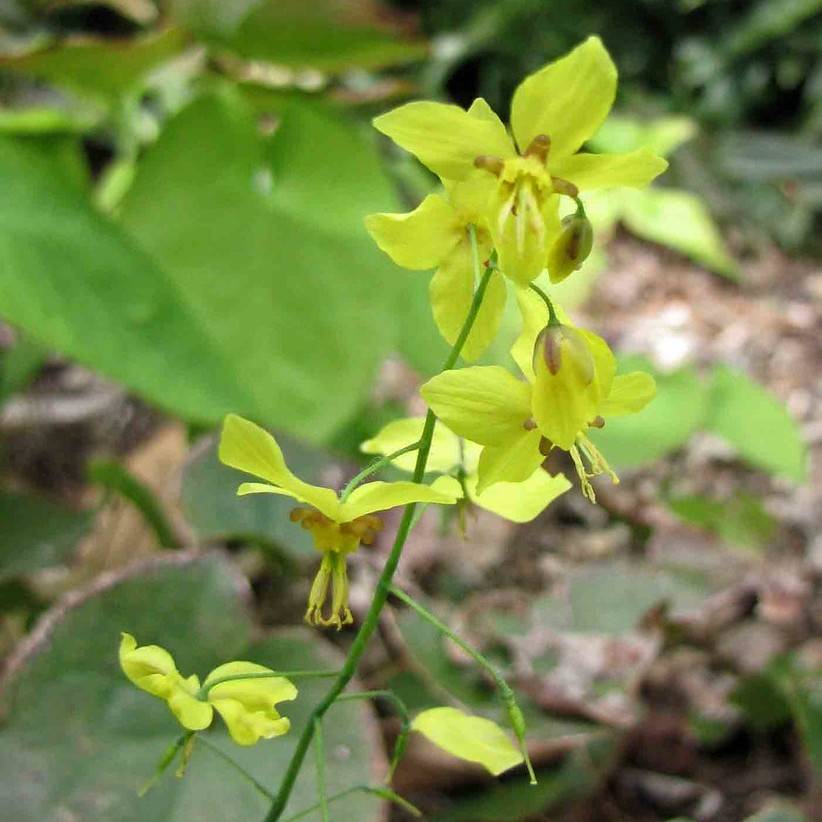
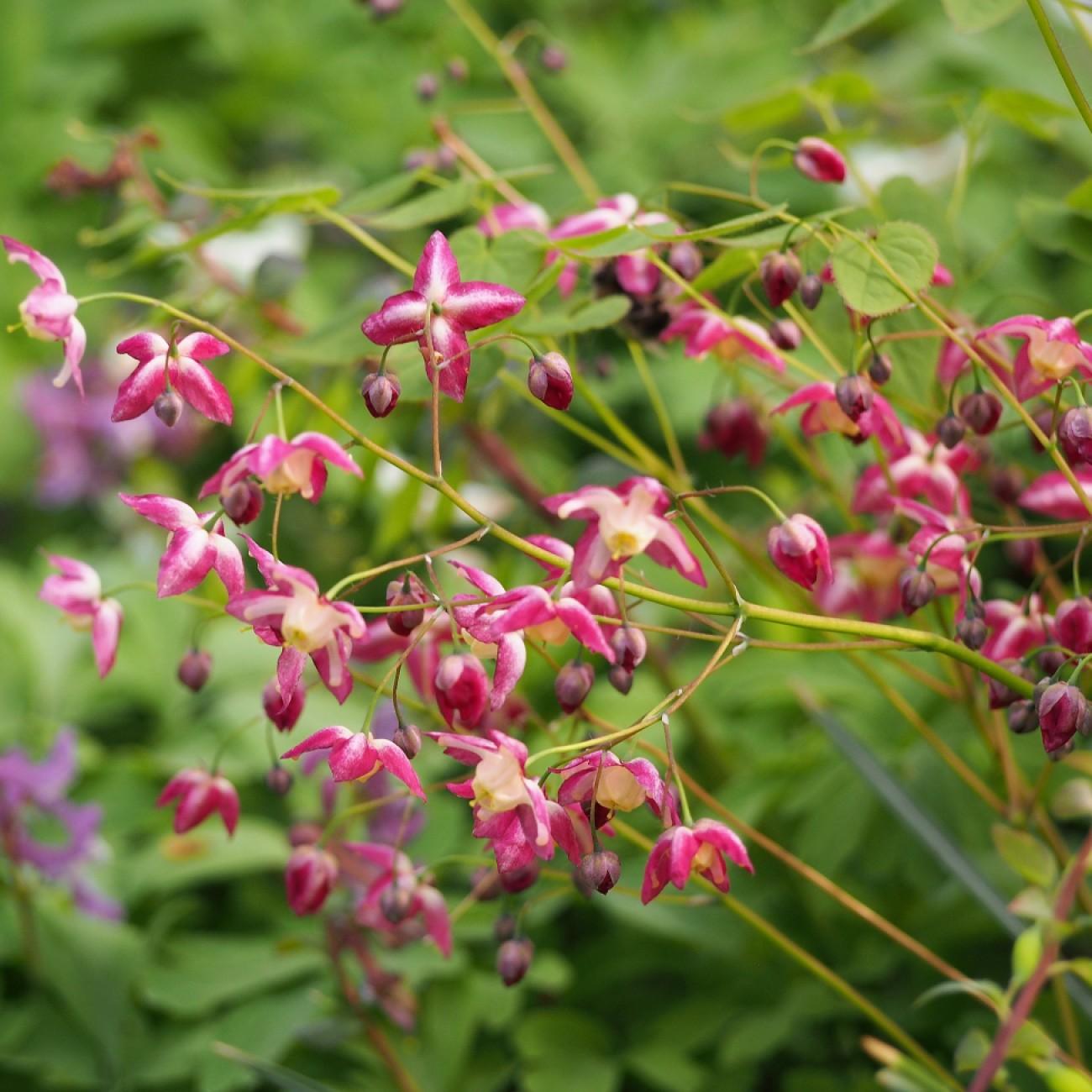
Bishop's Hat (Epimedium ilicifolium) is an amazing plant with numerous horticultural and medicinal benefits. Its long lasting, ornamental red flowers stand out in the garden, accompanied by its glossy, deep green fern-like foliage. Its low-growing stature makes it excellent for edging landscapes or filling in borders, and deer and rabbits tend to stay away from it. Its medicinal benefits include treatments for inflammatory conditions, liver ailments, and high blood pressure. Its root extracts have even been studied for their potential in reversing Alzheimer's disease! With all this in mind, Bishop's Hat is an awesome addition to any garden!
Care Guide
Watering
Water bishop's hat plants thoroughly once per week—in the early morning or afternoon—in spring and summer when temperatures are warmer and rainfall is more common. The soil should be kept moist but not wet; it should be allowed to partially dry out between waterings. In fall and winter, when temperatures are cooler and precipitation less frequent, the plants should be watered only when the top inch of soil feels dry. Avoid overly wet or soggy soil, as this can lead to root rot.
Light
Bishop's hat (Epimedium ilicifolium) grows best in areas that receive partial shade to partial sun throughout the day. During the summer, Bishop's hat should be exposed to at least 4 to 6 hours of direct sunlight. In the winter, however, the plant should only receive filtered sunlight--from a nearby tree or other sheltering plant. Direct sun during the winter months can be too intense and can cause the plant to become scorched or otherwise damaged.
Temperature
Hardiness zone 5–9.
Pruning
Bishop's hat (Epimedium ilicifolium) should be pruned once every 2 years. Pruning should be done from late winter or early spring to encourage new growth. Make sure to remove all dead and diseased stems and foliage. Cut back any unruly or overgrown stems. Older and longer stems can be cut back to about 8 to 10 inches tall. This helps to keep the plant in its natural shape and encourages new growth. Pruning also encourages larger and better blooms.
Propagation
Division, Layering Propagation, Cutting, Seed Propagation, Grafting Propagation
Related plants
Other plants you might like if you grow bishop's hat.