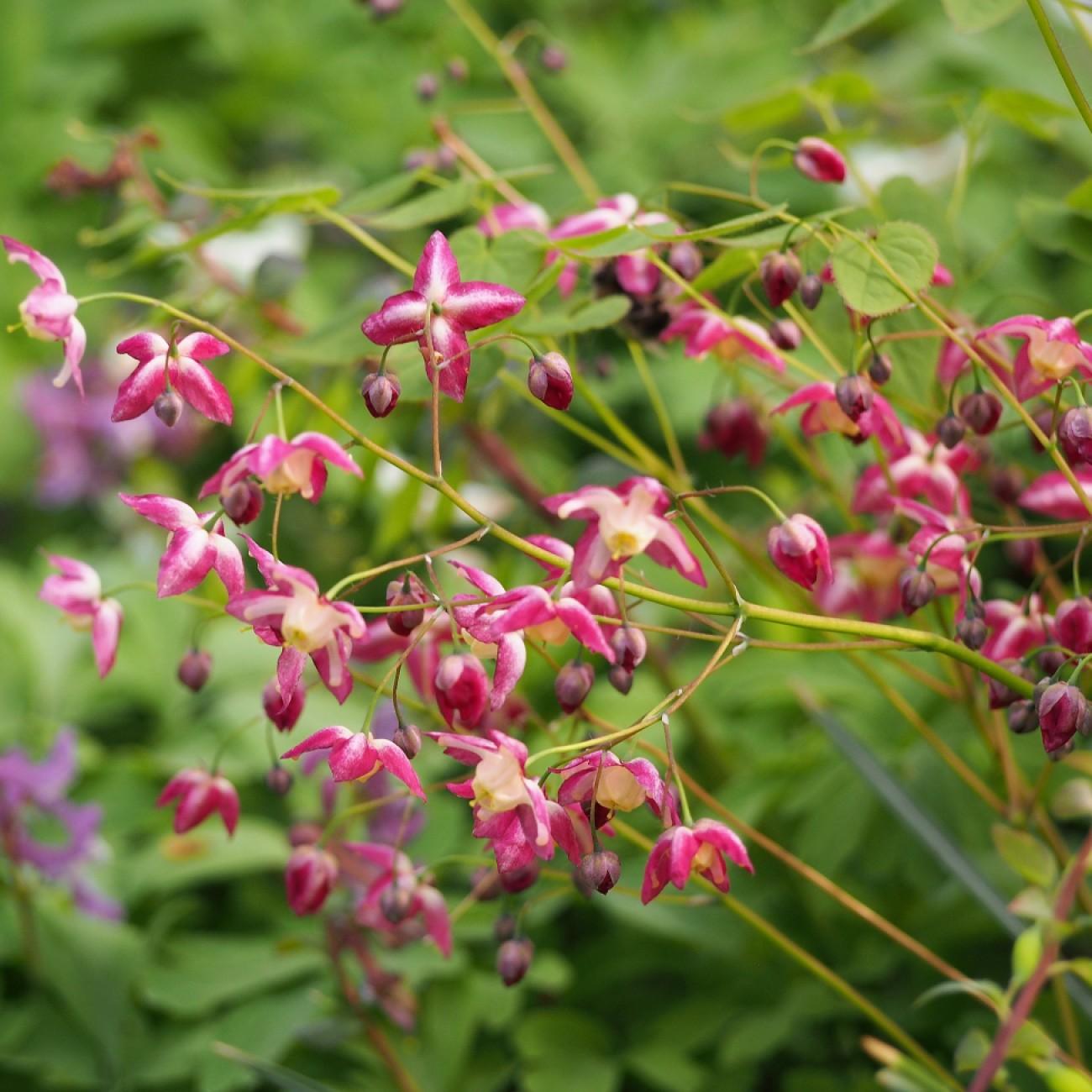
bishop's hat
Epimedium rubrum
Overview
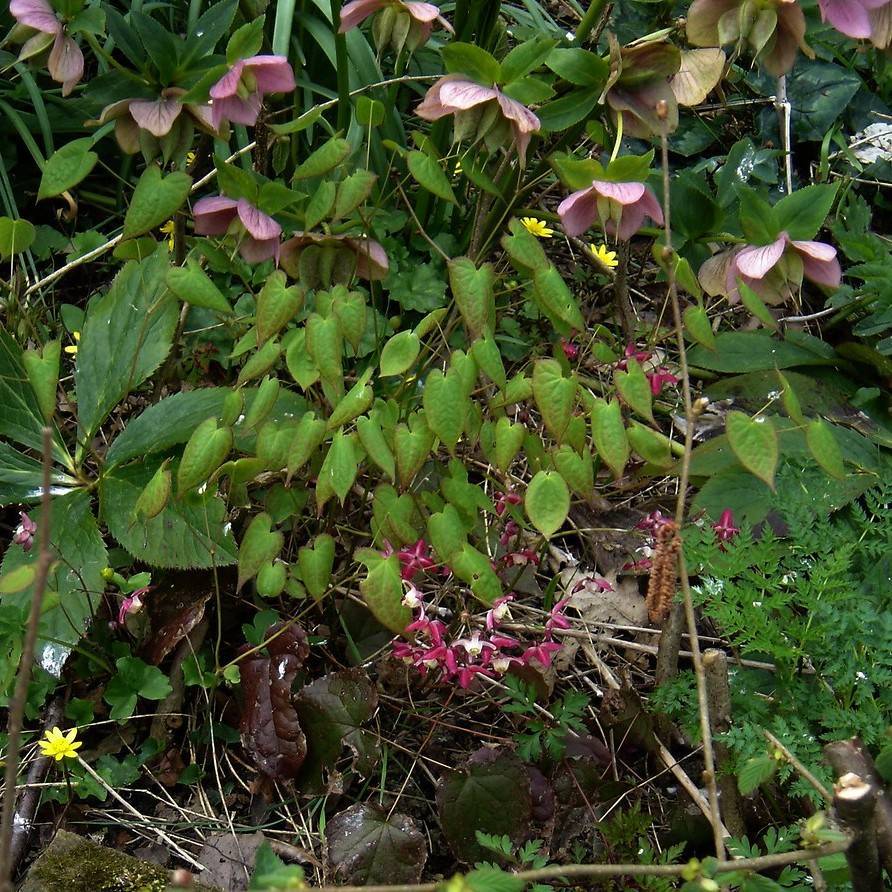
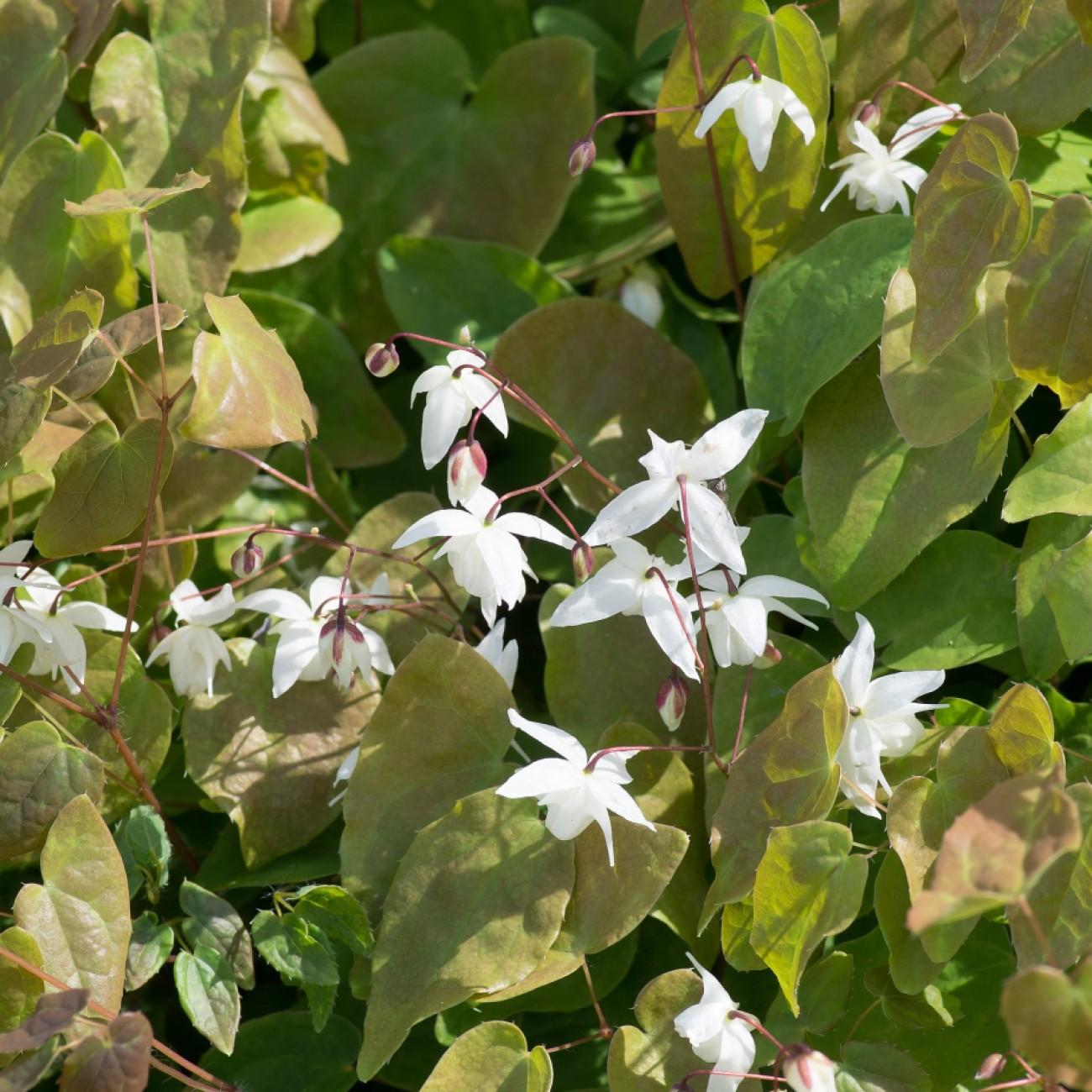
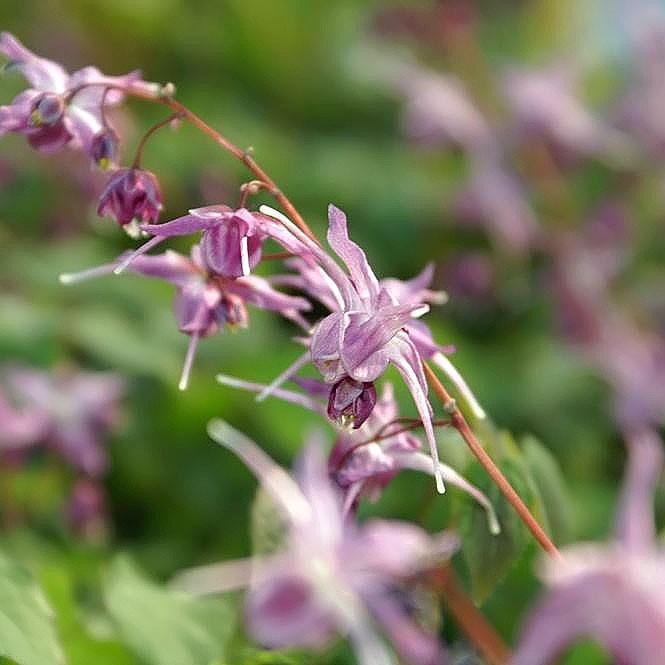
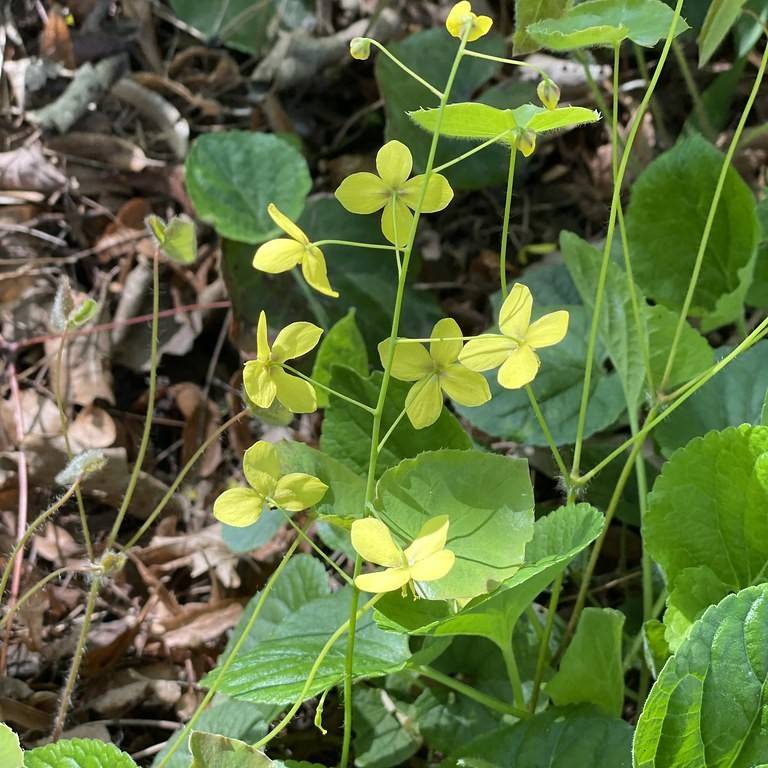
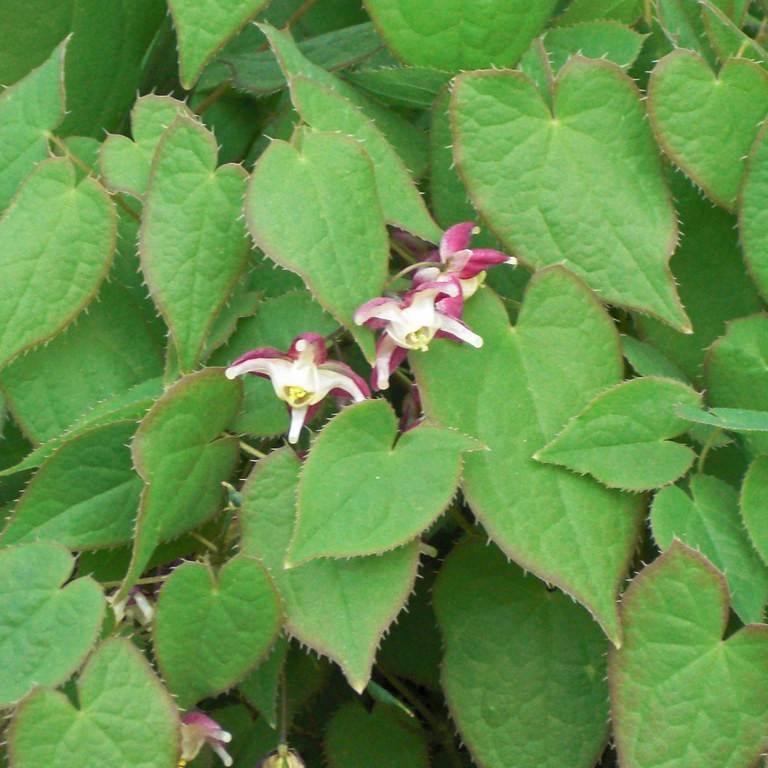
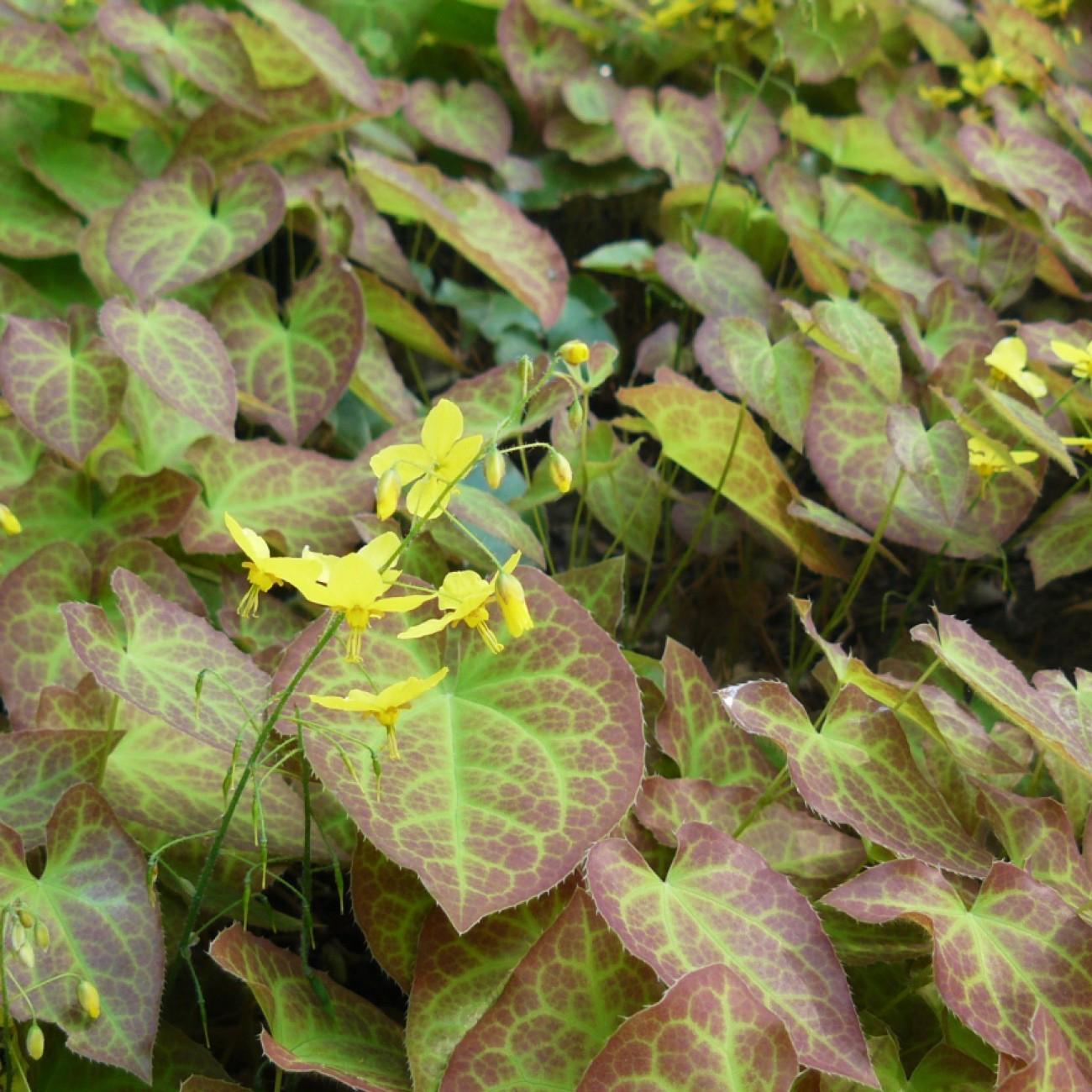
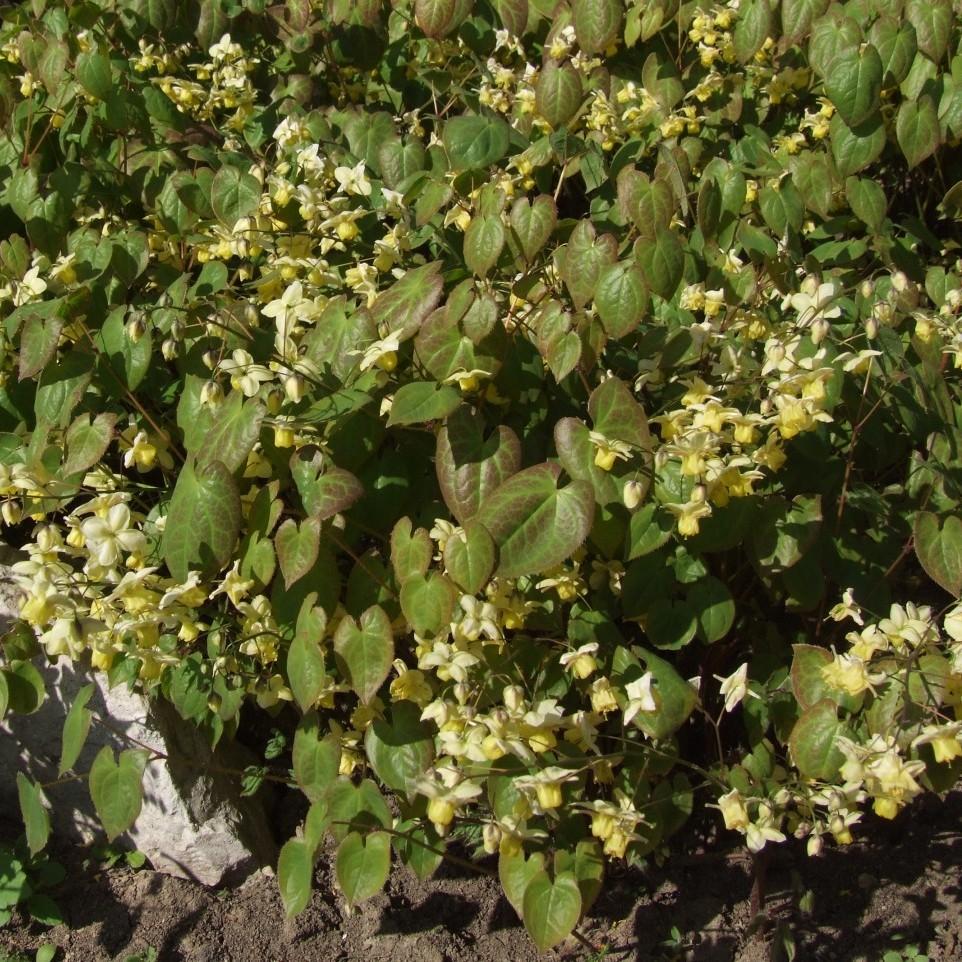
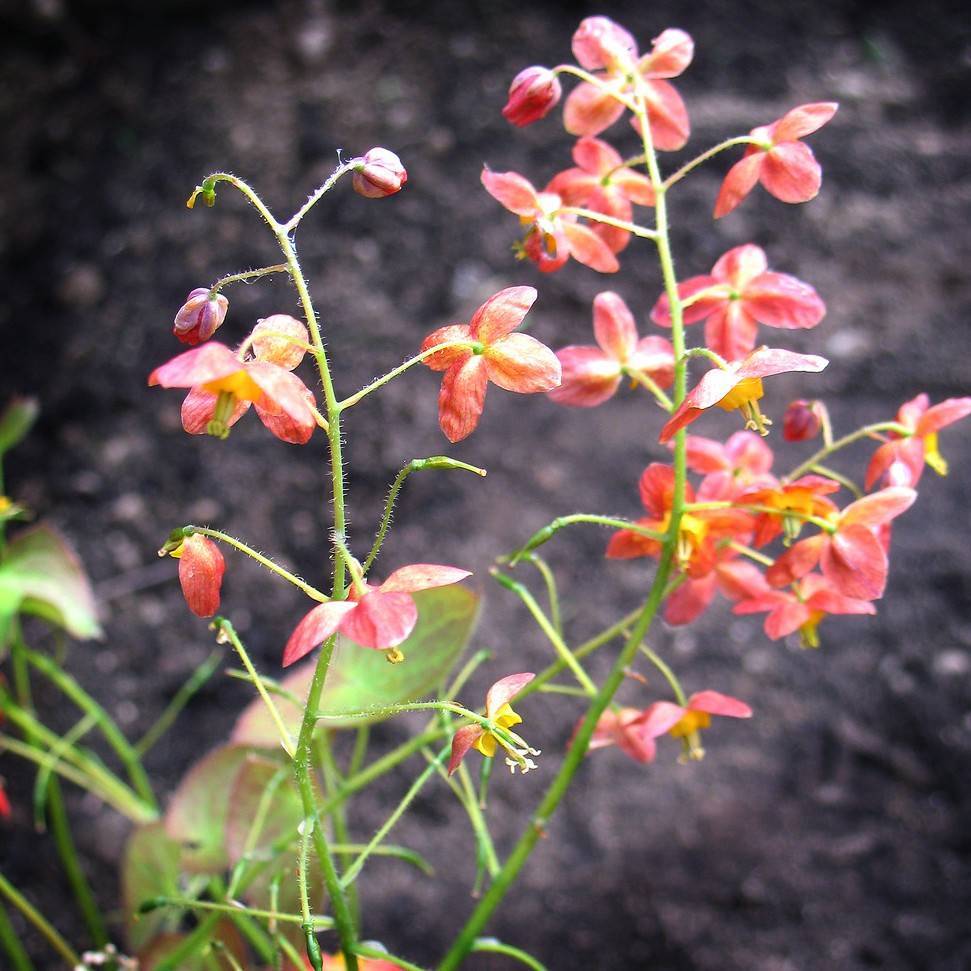
Bishop's Hat (Epimedium rubrum) is an incredibly ornamental and amazing plant species. It has a unique arrow-shaped foliage that shifts from bright green to red in the spring and adds a flourish of color to any garden. This hardy and easy to care for perennial will bring delight with its striking flowers with petals in shades of wine-red, violet, and yellow. Moreover, its flowers also give off a sweet fragrances that brings in the hummingbirds, bees, and butterflies. It also doesn’t require much maintenance since it is pretty lowgrowing. Bishop’s Hat is a must-have in any garden.
Care Guide
Watering
Bishop's Hat (Epimedium rubrum) requires moderate, consistent watering to keep the soil lightly moist. Water the plants once a week or when the top 1-2 inches of the soil is dry. Avoid overwatering as this could cause root rot or other issues. During the summer months, increase watering slightly but allow the soil to dry out between waterings. Reduce watering in the winter months to prevent waterlogging. Apply a general-purpose fertilizer in early spring.
Light
Bishop's hat (Epimedium rubrum) should be grown in bright, indirect sunlight, which means it should receive at least 4-5 hours of sunlight per day, preferably in the morning or late afternoon. While the plant may tolerate partial shade conditions, it will best thrive in ample sunlight. If its environment does not provide enough sunlight, the plant may start to show signs of foliage decline or even die. It is best to locate the plant in an area where it receives bright light for most of the day, with some midday shade to help protect it from the harshest rays of the sun.
Temperature
Hardiness zone 5–9.
Pruning
Bishop's Hat (Epimedium Rubrum) should be pruned in the early spring, right before the plant begins to put on new growth. To ensure healthy growth and natural shape, prune each stem back by a third to a half its size. This will help encourage the plant to produce more stems and foliage. When pruning, always cut directly above a leaf node to encourage the maximum amount of growth from the remaining stem. Periodically remove dead, broken, or diseased stems, and any very long or leggy stems. After pruning, it is important to remove any weeds, leaves, or debris, as well as any fallen branches to prevent disease.
Propagation
Division, Layering Propagation, Cutting, Seed Propagation
Related plants
Other plants you might like if you grow bishop's hat.