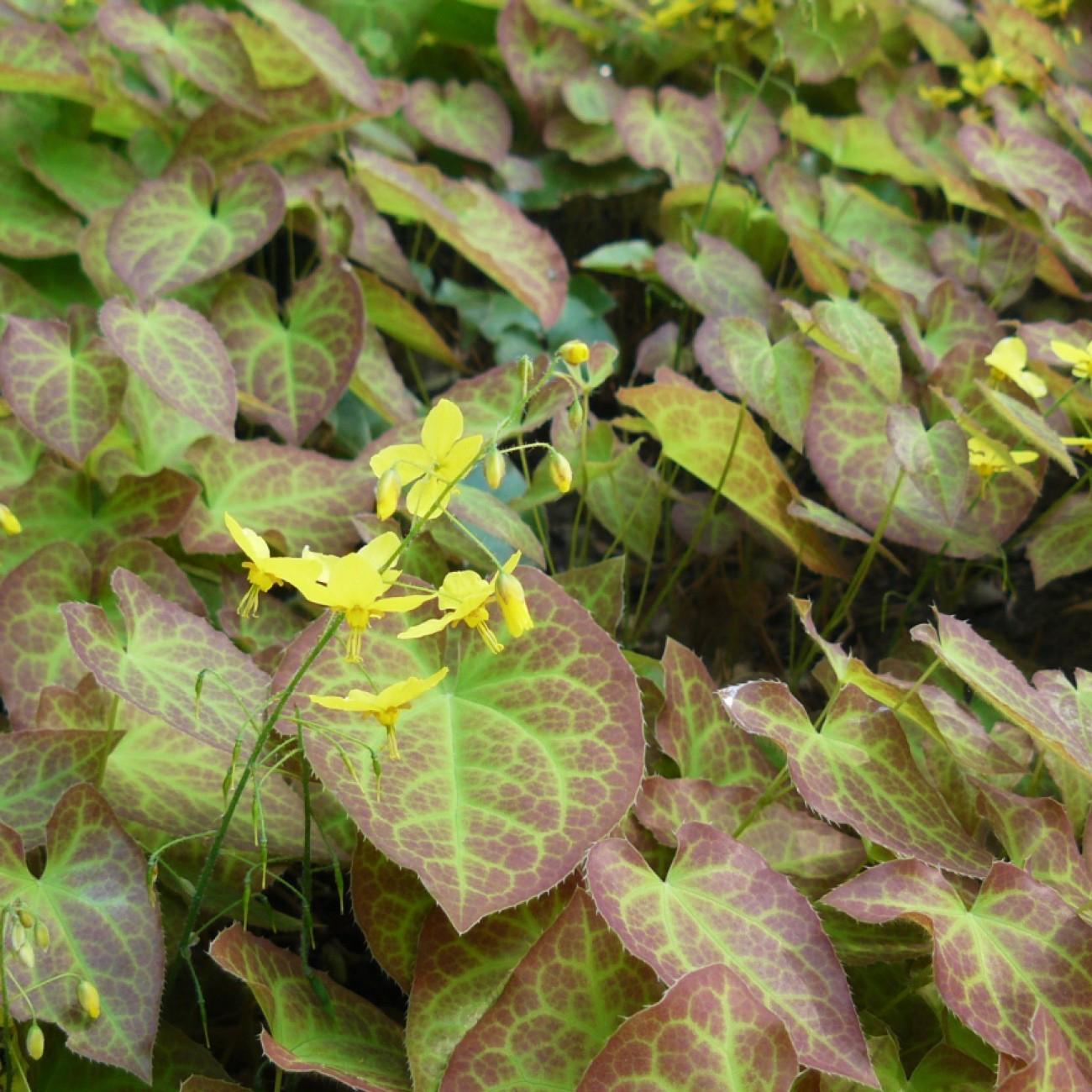
bishop's hat
Epimedium versicolor 'Discolor'
Overview
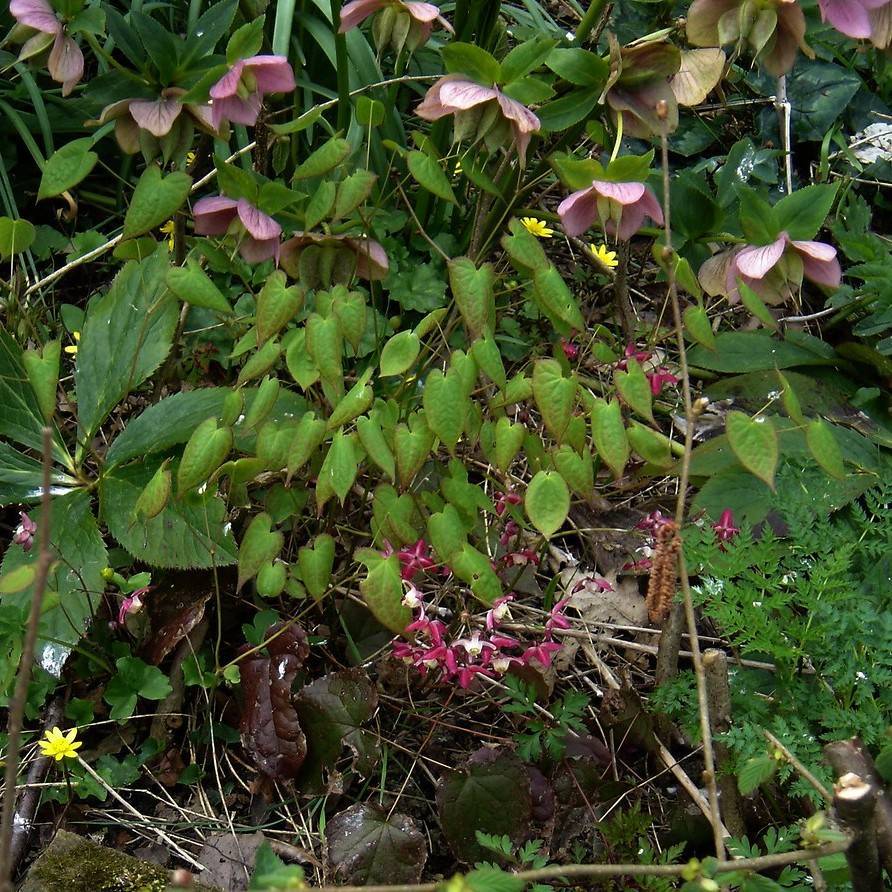
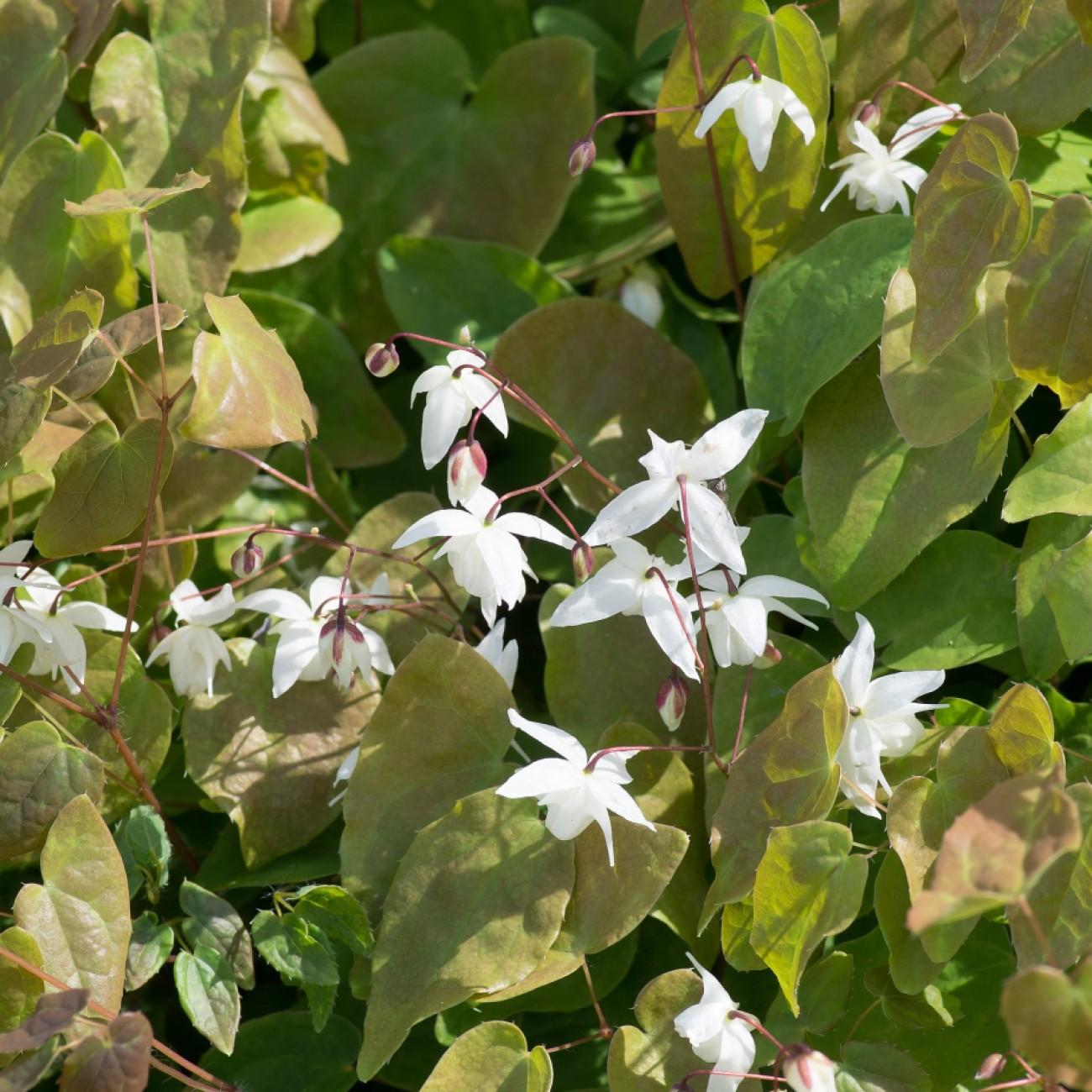
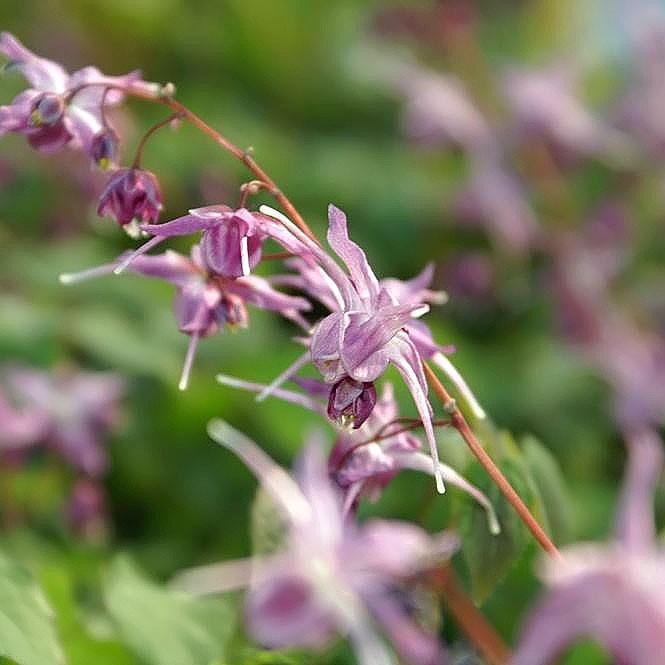
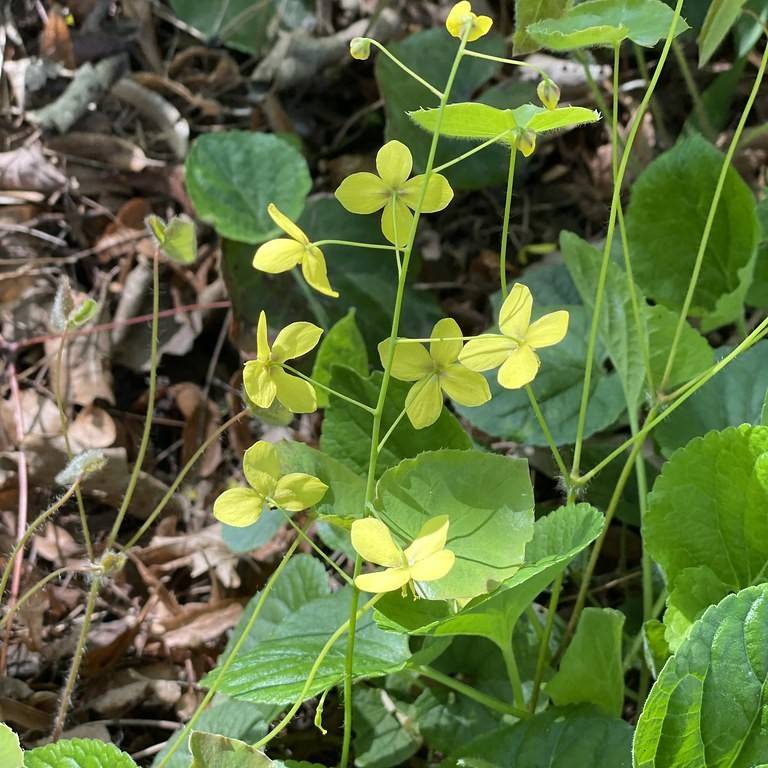
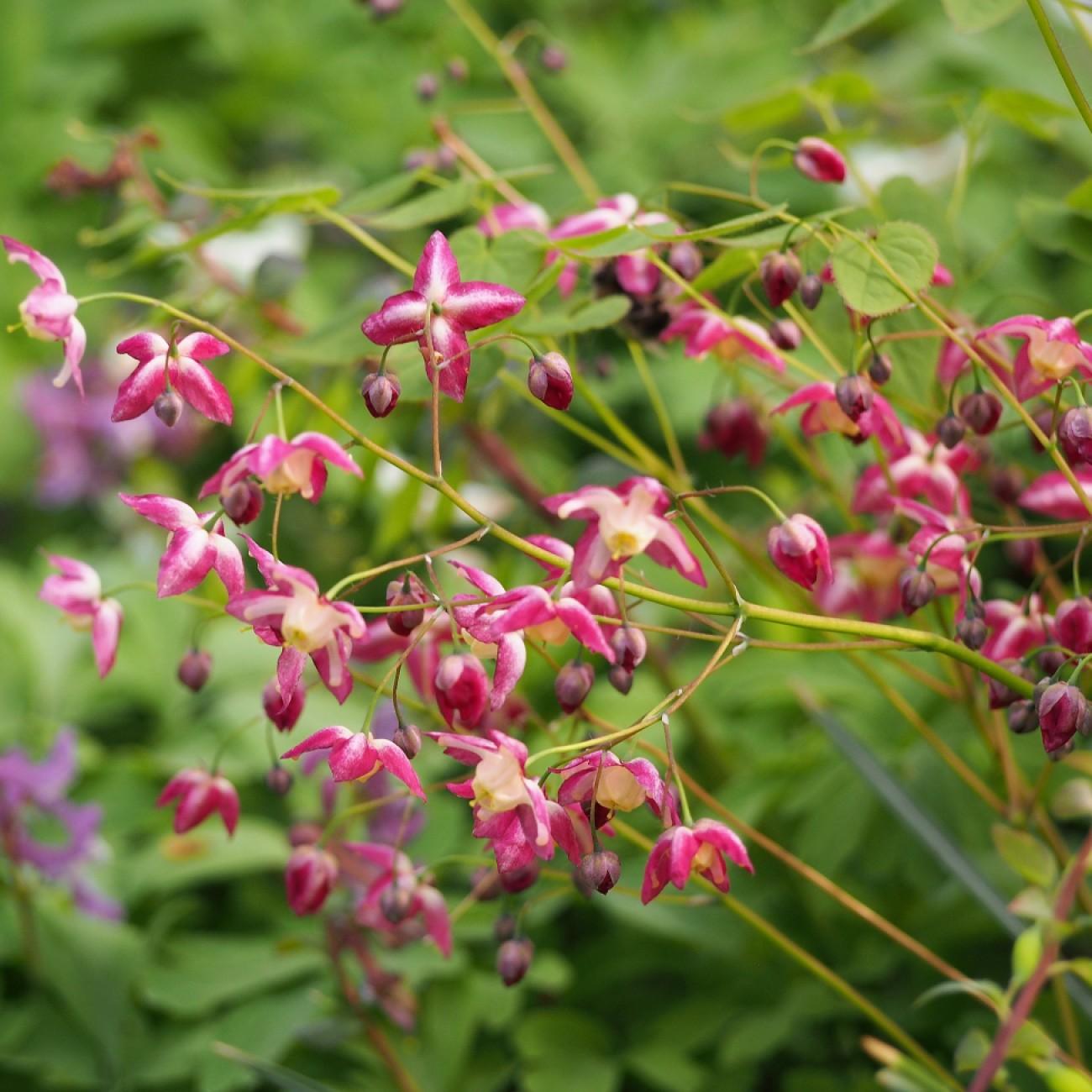
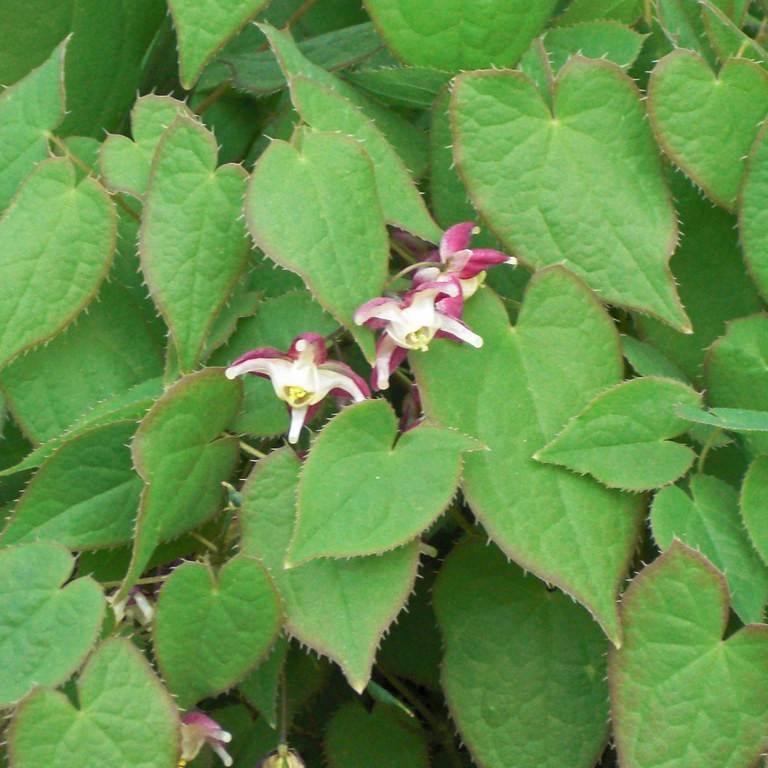
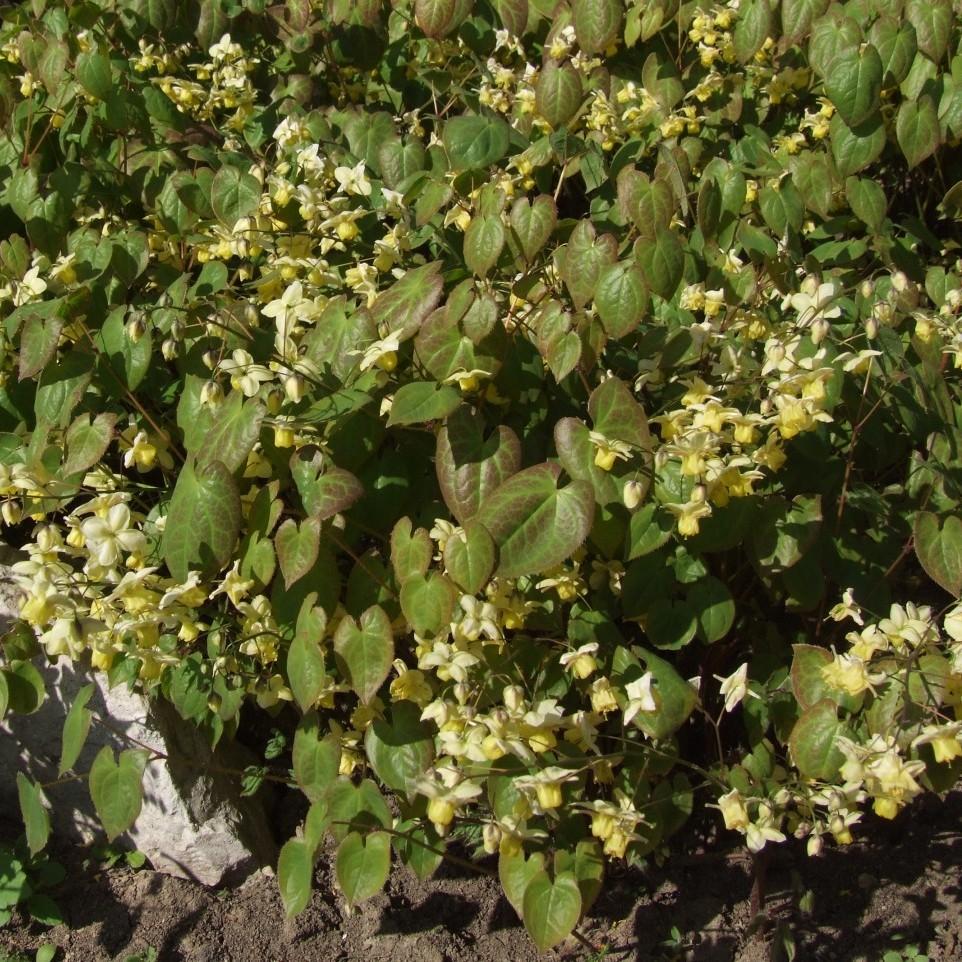
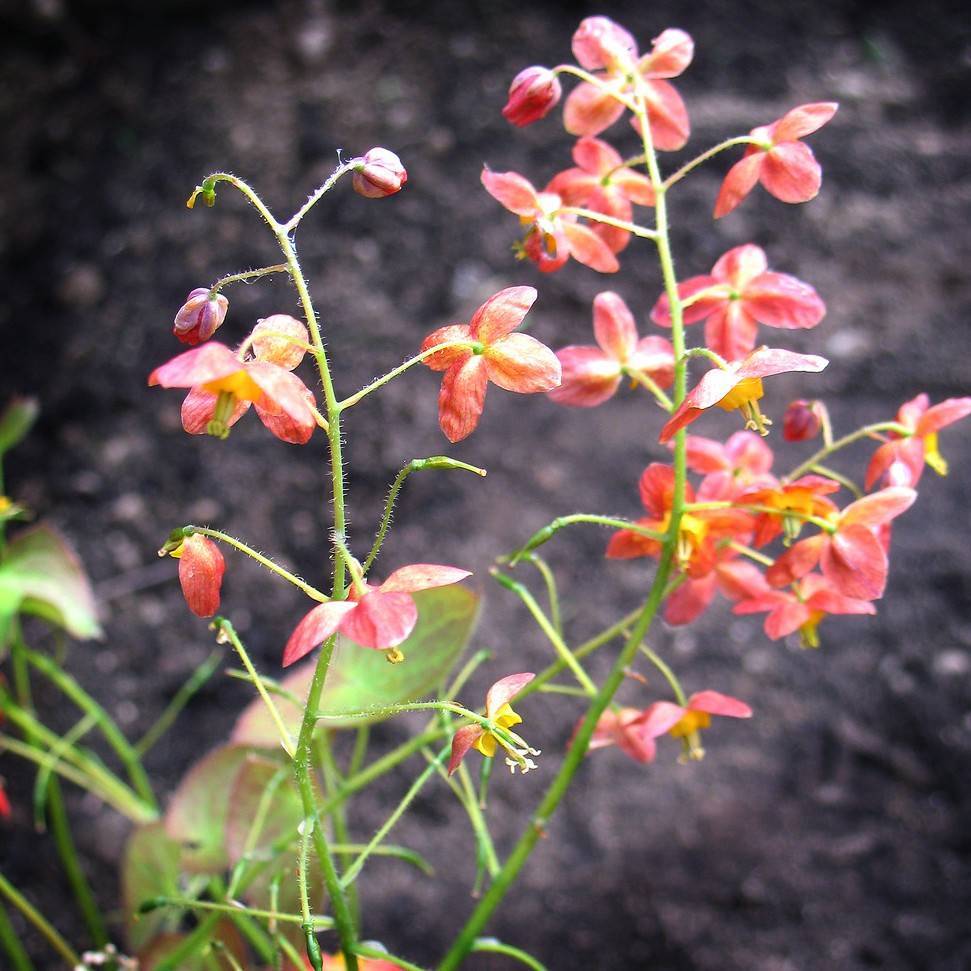
Bishop's Hat (Epimedium versicolor 'Discolor') is an amazing plant species due to its colorful foliage. Its broad, heart-shaped leaves are mottled with deep red, yellow, and green hues highlighted by attractive silver veins. This gorgeous plant also produces lovely, delicate white flowers that add more beauty to its appearance. With a low-maintenance nature, Bishop's Hat is also easy to care for and is a great choice for gardeners looking to spruce up their gardens. Plus, it is deer and rabbit resistant, making it a safe choice for many gardens. All in all, Bishop's Hat is a captivating addition to any garden.
Care Guide
Watering
For Bishop's Hat (Epimedium versicolor 'Discolor'), water thoroughly throughout the growing season and frequent enough that the soil remains evenly moist. Aim to provide the plant with 1-2 inches of water each week. During drier periods, additional water may be necessary. Reduce the amount of water given to the plant in the winter months, and allow the soil to dry out between waterings.
Light
Bishop's hat (Epimedium versicolor 'Discolor') is a perennial plant that thrives in slightly acidic, moist to dry soils in partial shade. This species of plant needs between 2 and 4 hours of direct sunlight each day. To ensure proper growth and flowering, Bishop’s hat should receive the majority of its daily sun exposure during the morning hours, with afternoon shade encouraged for plants growing in particularly hot climates.
Temperature
Hardiness zone 5–9.
Pruning
Bishop's Hat (Epimedium versicolor 'Discolor') requires minimal pruning, even during its season of active growth in late spring. Generally, the only pruning that is necessary is to keep the plant in bounds and to selectively remove any dead or damaged stems. If you want to shape the plant or reduce its size, it is best to do so in late autumn, when the plant is dormant. Remove only a quarter of the stems of the Bishop's Hat each year and cut them back to an outward-facing bud. This will help ensure the plant remains compact and attractive.
Propagation
Division, Layering Propagation, Cutting, Seed Propagation
Related plants
Other plants you might like if you grow bishop's hat.