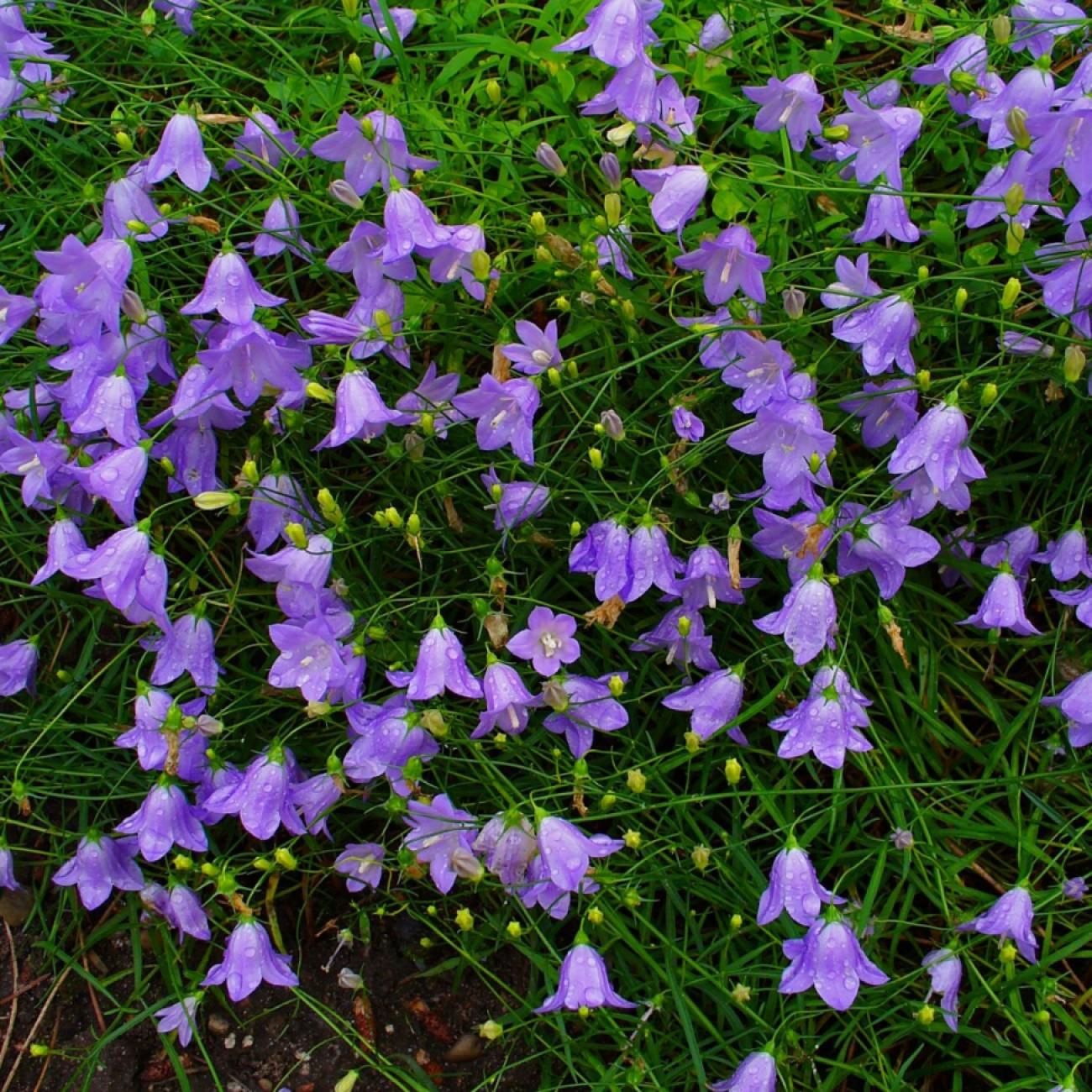
bluebell
Campanula rotundifolia 'Olympica'
Overview
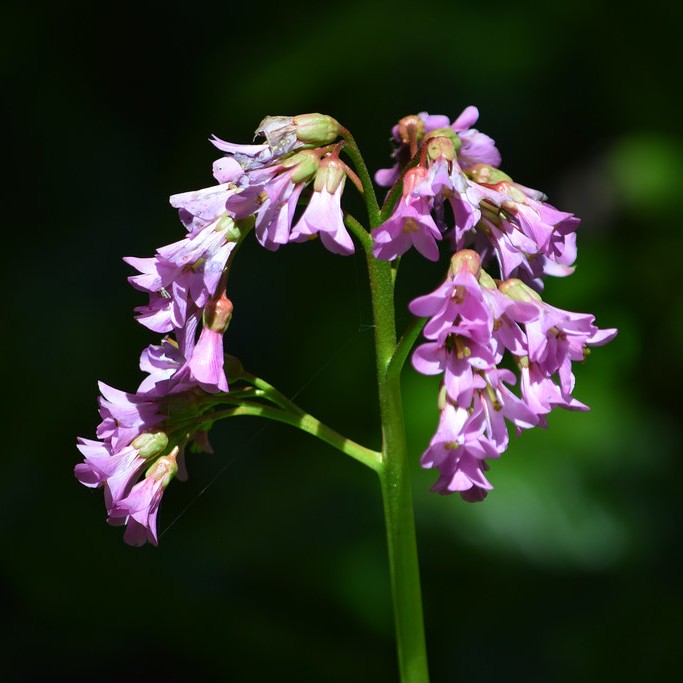
Bluebell (Campanula rotundifolia 'Olympica') is an amazing flower that deserves a place in your garden. It's a beautiful 2-3 foot tall perennial with deep purple bell-shaped flowers that bloom from May to July. The bright, vibrant blooms attract butterflies and bees, making it a great addition to any garden. Once established, it’s drought-tolerant and low-maintenance, so you won’t have to spend much time caring for it. Plus, the flowers can be dried for later use in crafts and decorations. Whether you’re looking for an eye-catching plant or a beautiful flower that will last throughout the summer, Bluebell is a great option.
Care Guide
Watering
Bluebells (Campanula rotundifolia 'Olympica') should be watered once every 7 to 10 days, depending on soil type and time of year. During the summer months, when temperatures and sun are higher, water more frequently. In spring and fall, water less. Make sure soil is consistently moist but not overly saturated. Allow soil to dry out slightly between waterings, and adjust watering accordingly. During hot weather, try to water in the morning.
Light
Bluebells need full sun for at least 6 to 8 hours a day. This species of plant is native to Northern Europe and grows well when it gets direct sun from early morning to mid-afternoon in the summer. During the cooler months, bluebells should receive as much sun as possible in order to thrive. If your bluebells don't get enough sun, their flowers will be pale and few in number.
Soil
Loamy Rocky
Temperature
Hardiness zone 3–6.
Pruning
Bluebells should be pruned lightly in late winter or early spring, before or shortly after new growth begins. It is important to prune carefully to remove any dead, diseased or damaged stems but to also leave healthy shoots. Pruning should be done to maintain the desired size and shape of the bush and to remove any overhanging or crossing branches. You can prune off up to a third of the bush each year without damaging it; it's advisable to start with a smaller amount pruning and work your way up if needed.
Propagation
Division, Layering Propagation, Seed Propagation, Cutting
Uses & Symbolism
Attracts: Hummingbirds.
Related plants
Other plants you might like if you grow bluebell.
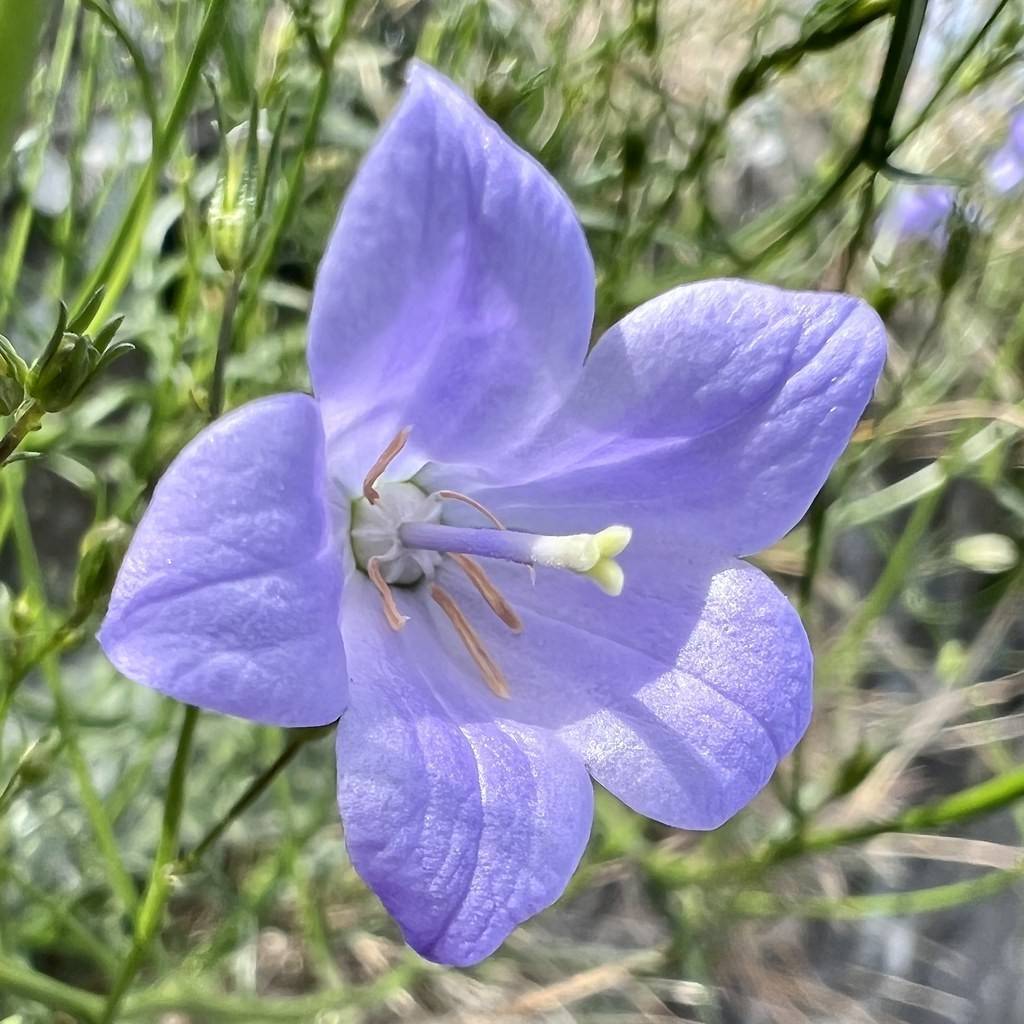
bluebell
Campanula rotundifolia
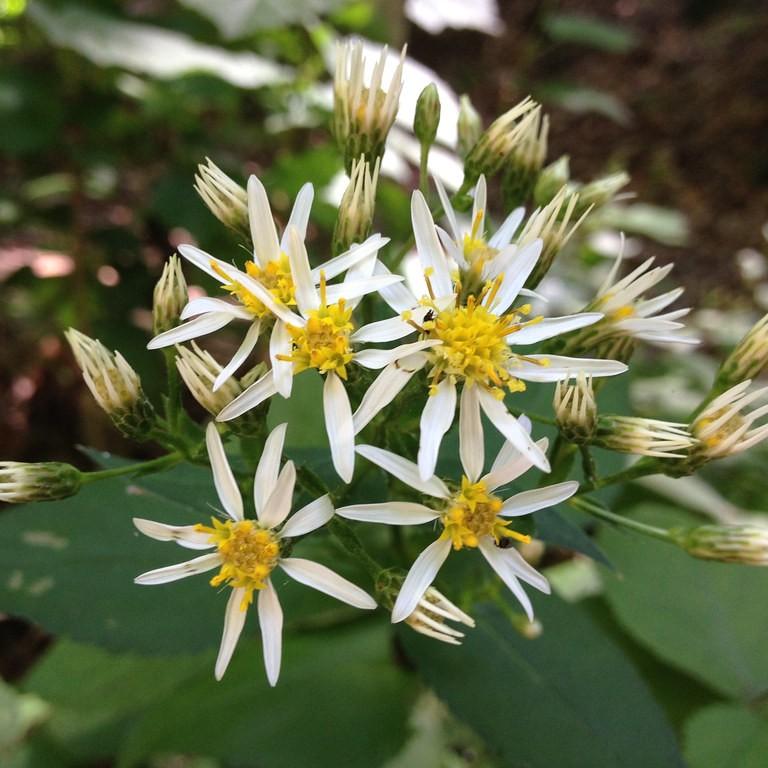
white wood aster
Eurybia divaricata
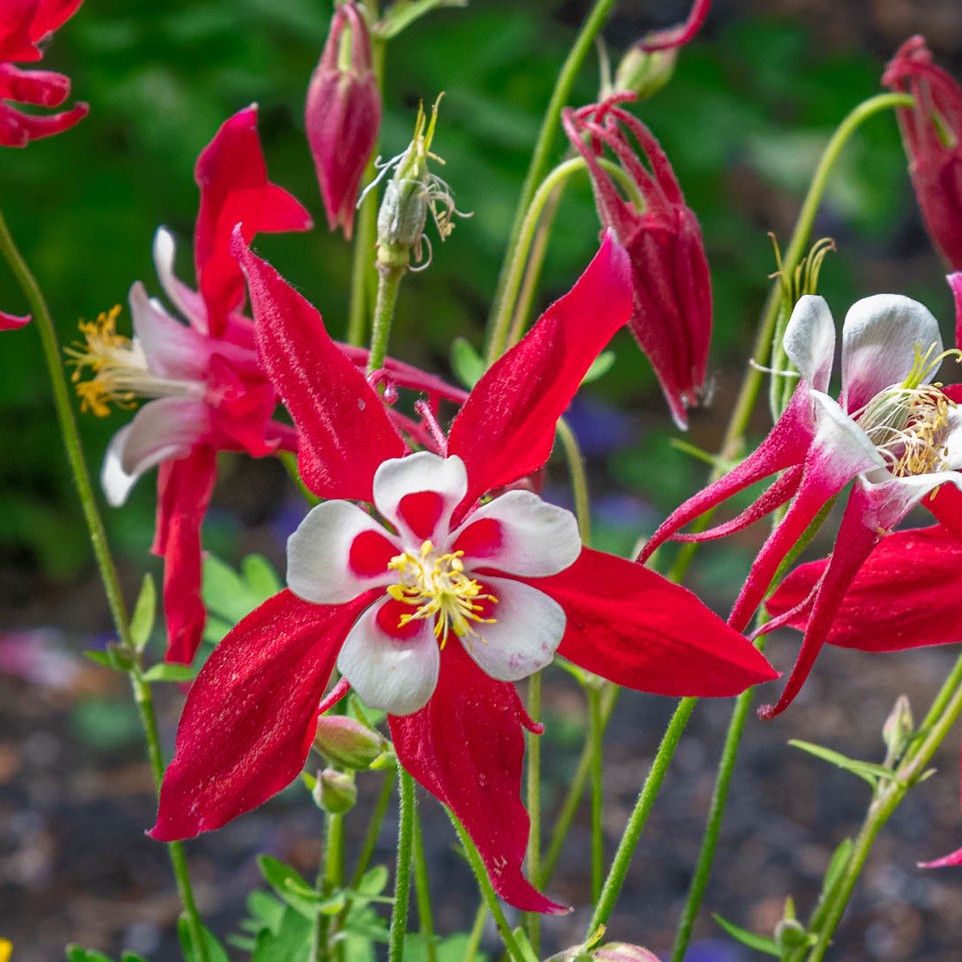
columbine
Aquilegia canadensis
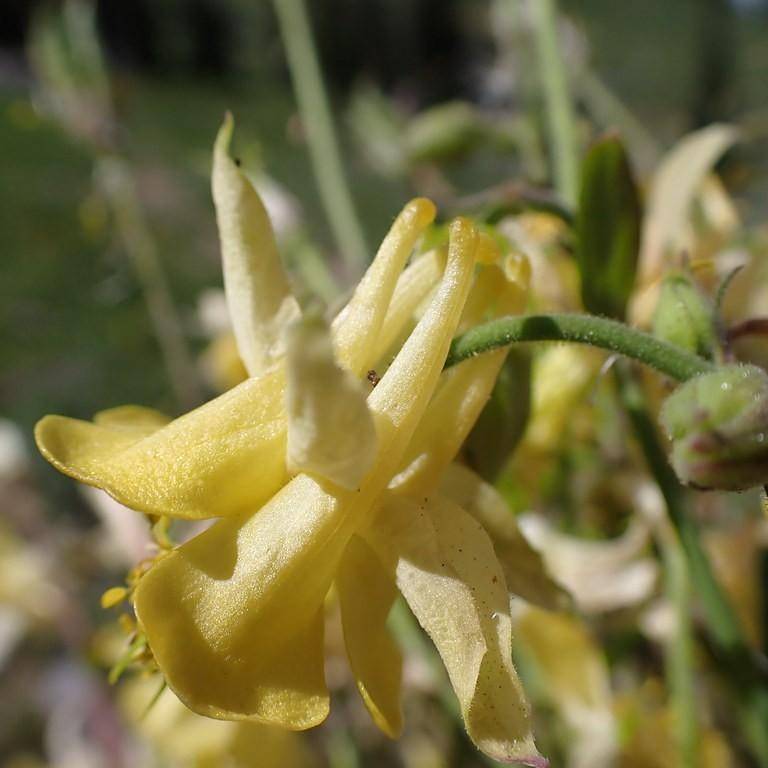
columbine
Aquilegia canadensis 'Corbett'
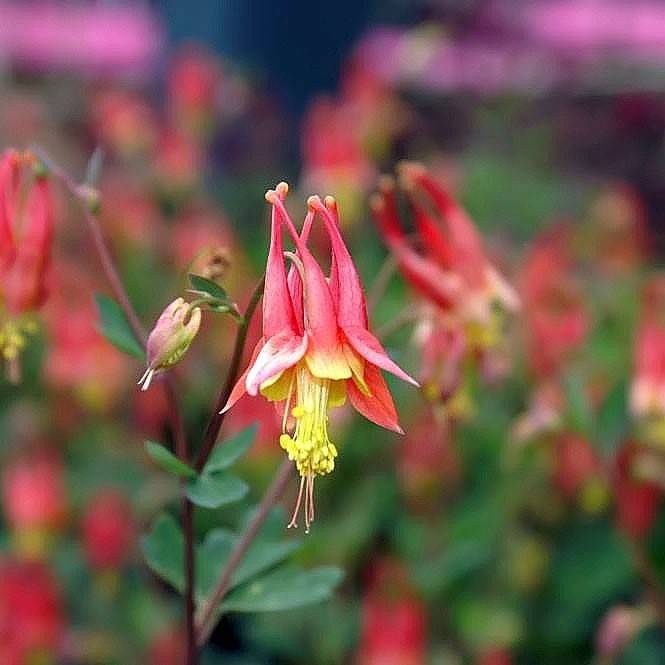
columbine
Aquilegia canadensis 'Little Lanterns'
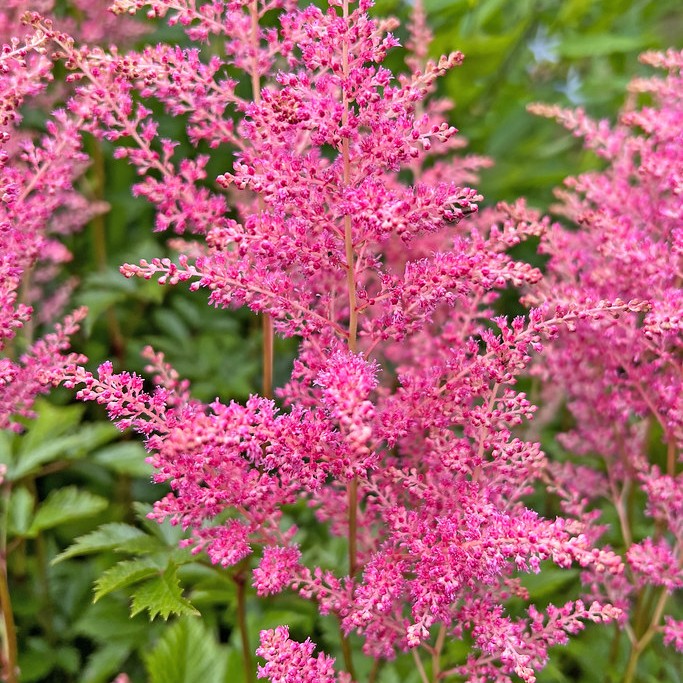
astilbe
Astilbe arendsii 'Rote Cattleya' RED CATTLEYA
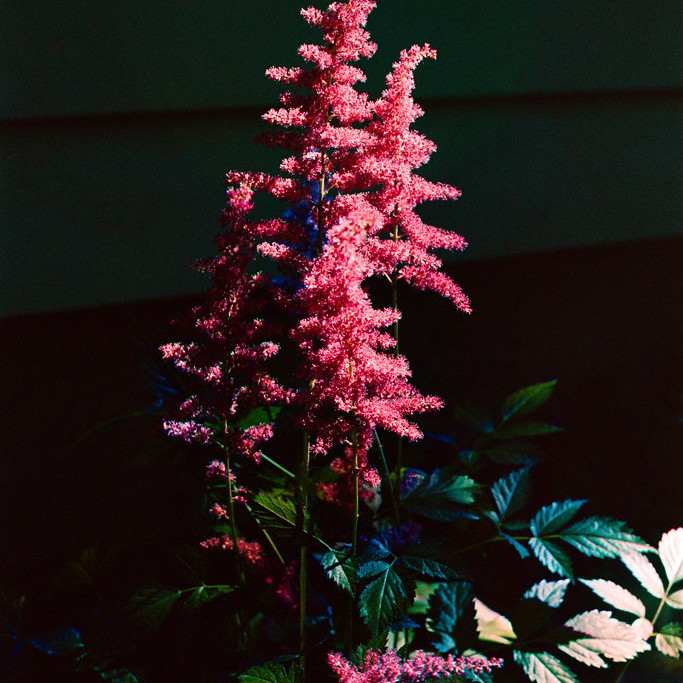
astilbe
Astilbe 'Burgunderrot' BURGUNDY RED
bergenia
Bergenia 'Abendglocken'