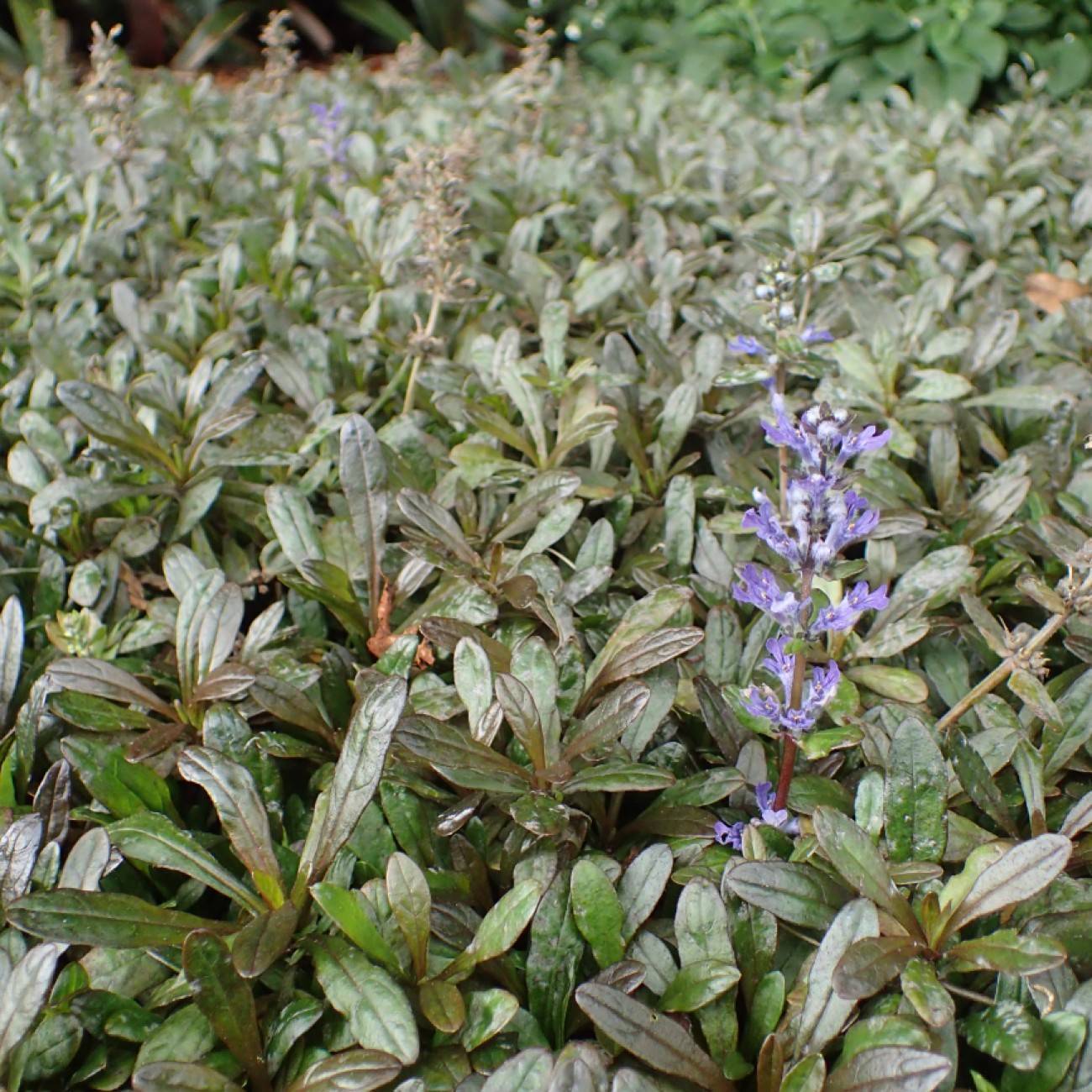
bugleweed
Ajuga reptans 'Dixie Chip'
Overview
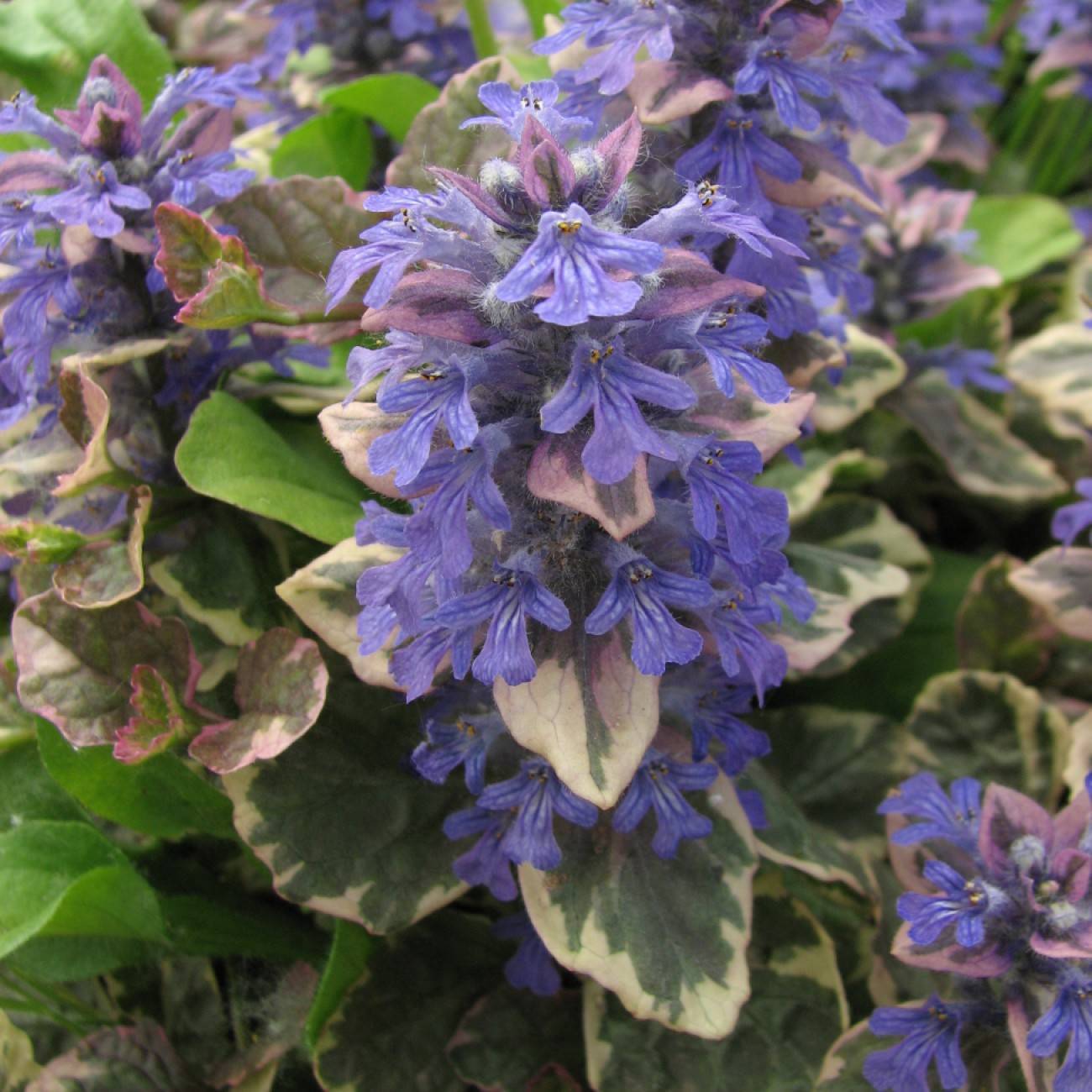
Bugleweed (Ajuga reptans 'Dixie Chip') is an amazing evergreen plant that adds beauty and texture to any garden. Its deep blue velvet-like foliage makes it stand out in the garden, ranging in various shades of blue and purple. Its attractive, heart-shaped leaves are accented by bright pink and blue flowers that brighten up any space. Easily caring, bugleweed is a hardy groundcover that tolerates dry and shady locations. Its short, mounded habit also grows quickly making it a great choice for covering large areas, erosion control, borders, and pathways. This drought and disease tolerant perennial is low maintenance and beautiful -- the perfect choice for an amazing garden!
Care Guide
Watering
Bugleweed (Ajuga reptans 'Dixie Chip') should be watered twice a week, allowing about 1'' of water to soak the soil each time. It is best to water in the morning. If the soil is dry all the way through or the leaves have begun to wilt, water the bugleweed more often. Make sure not to water too much, as this can cause root rot. The topsoil should dry out before watering again. During the summer months, you may need to water more often, and during the winter months you may need to water less.
Light
Bugleweed (Ajuga reptans 'Dixie Chip') prefers full sun to partial shade, but can tolerate some shade. It will grow best when it is exposed to 5-6 hours of direct sunlight each day. For optimal growth, bugleweed should be planted in areas that receive morning sun and afternoon shade, or where trees will provide dappled shade during the hottest times of the day.
Soil
Rocky , gravelly , dry
Temperature
Hardiness zone 3–10.
Pruning
Bugleweed (Ajuga reptans 'Dixie Chip') should be pruned in late winter or early spring, when new growth has begun. Prune off any dead or damaged branches, and shape the plant as desired. Make sure not to prune too much, as this will hamper its growth and flowering. As it blooms in the early spring, it is best to avoid pruning after that. In addition, try not to remove more than 1/3 of the plant's total growth.
Propagation
Division, Cutting, Seed Propagation, Layering Propagation
Uses & Symbolism
Attracts: Bees.
Diseases & Pests
Common pests: Deer resistant, Rabbit resistant, Drought resistant.
Related plants
Other plants you might like if you grow bugleweed.
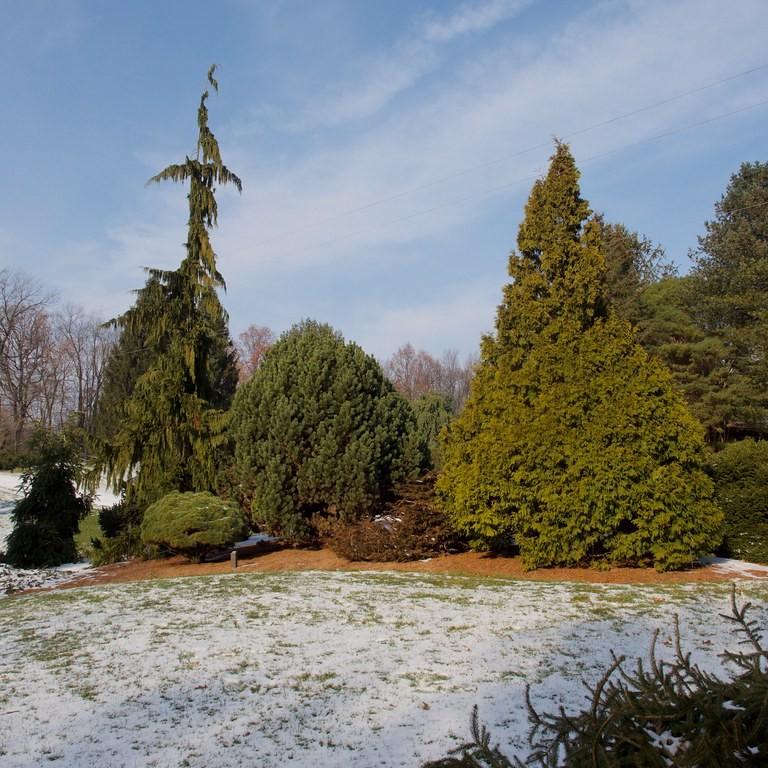
balsam fir
Abies balsamea 'Nana'
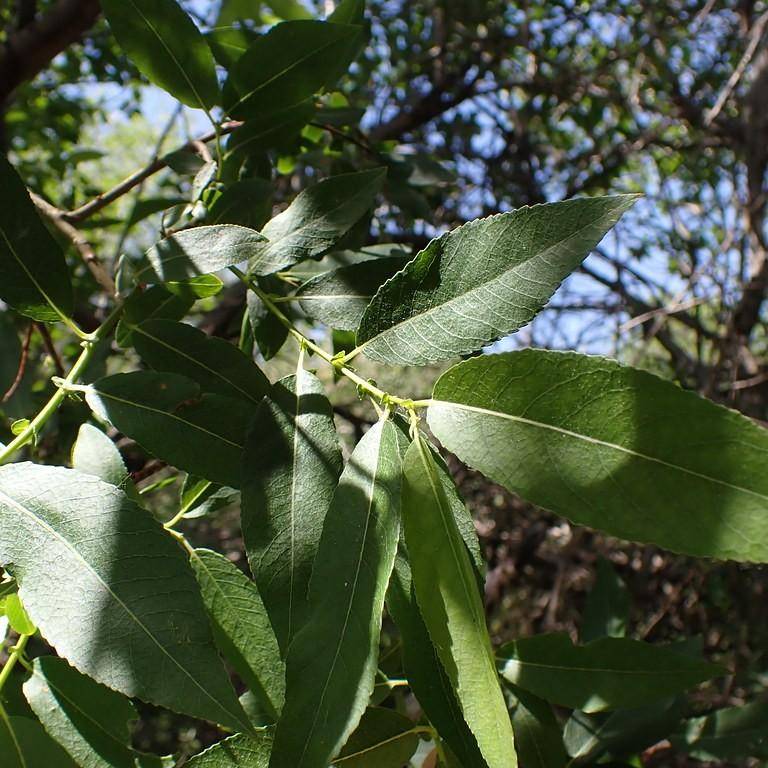
grey alder
Alnus incana
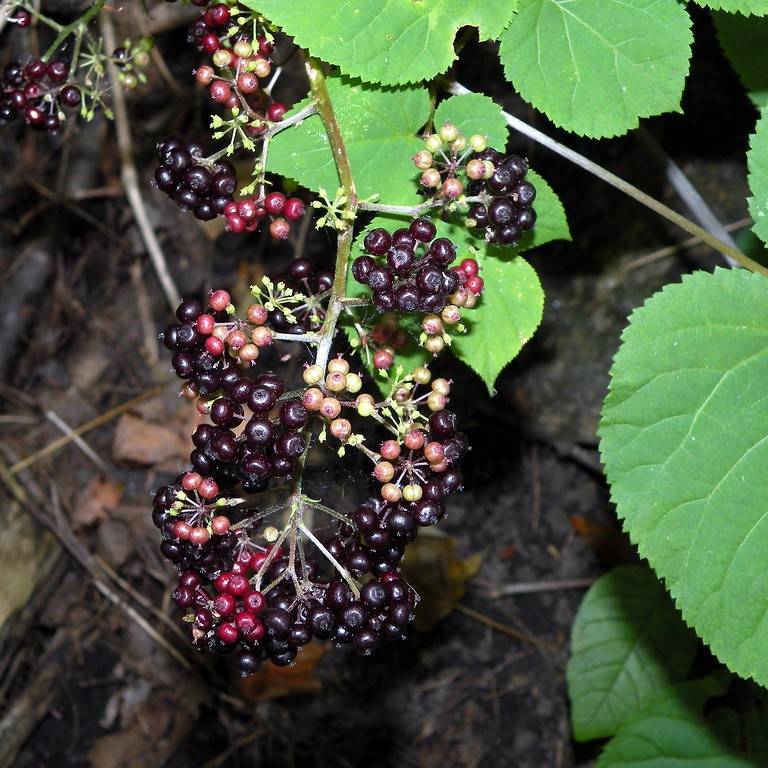
American spikenard
Aralia racemosa
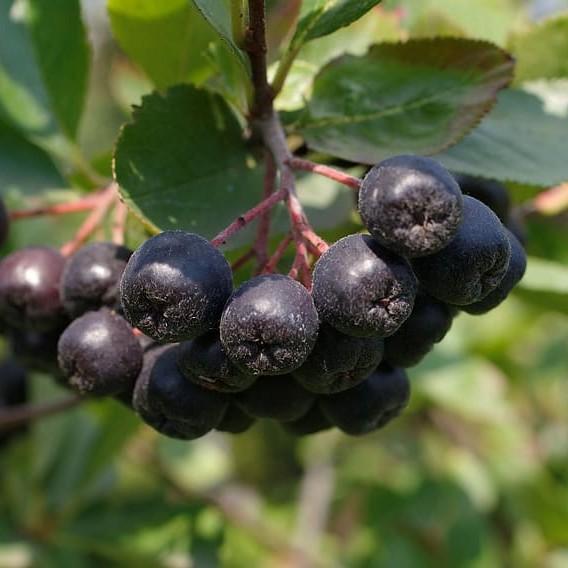
black chokeberry
Aronia melanocarpa 'Ground Hug'
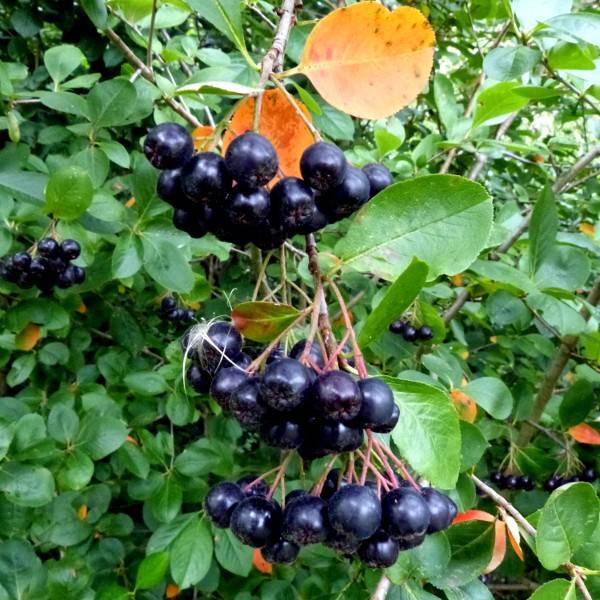
black chokeberry
Aronia melanocarpa 'UCONNAM165' LOW SCAPE MOUND
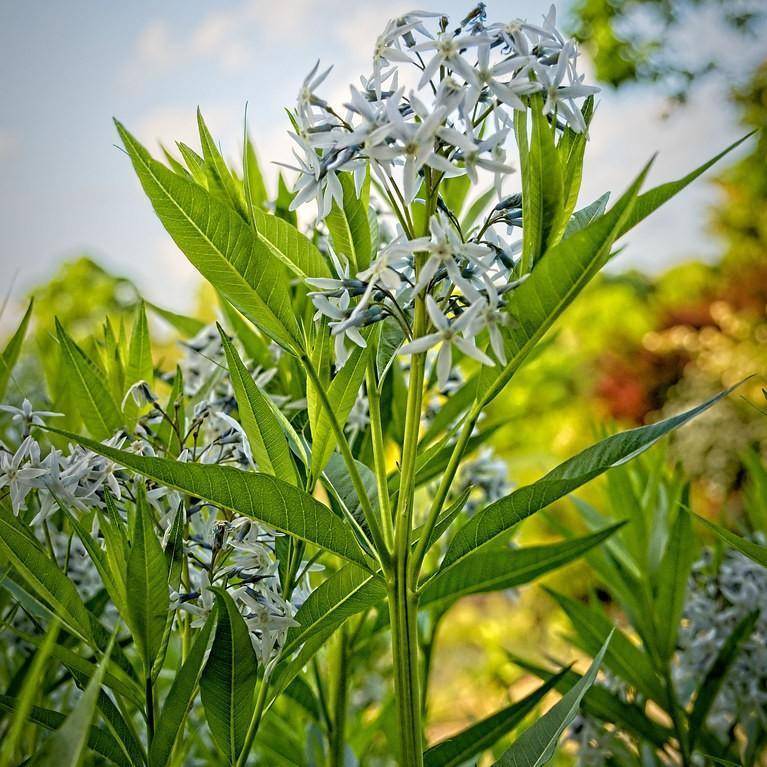
blue star
Amsonia tabernaemontana
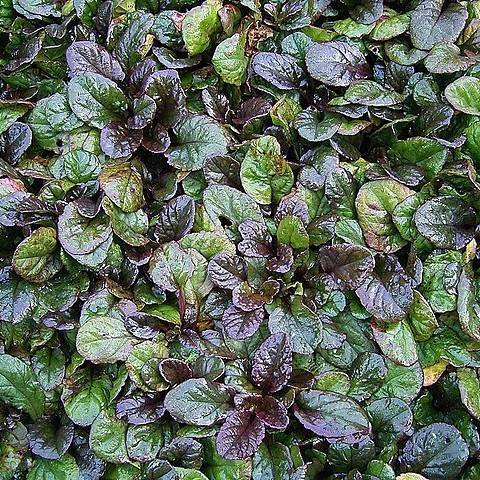
bugleweed
Ajuga reptans 'Atropurpurea'
bugleweed
Ajuga reptans 'Burgundy Glow'