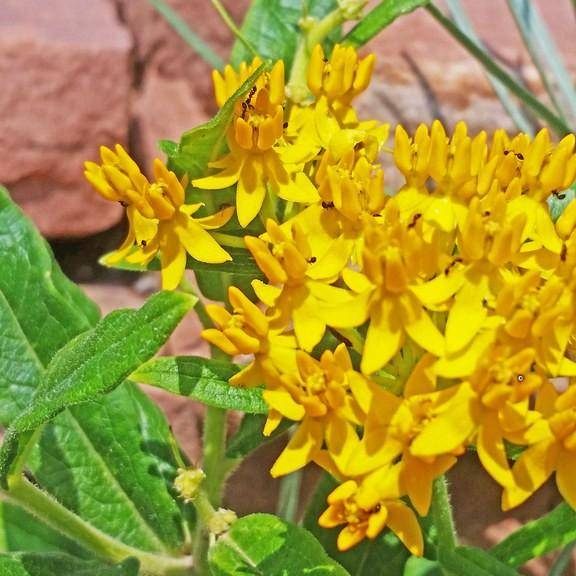
butterfly weed
Asclepias tuberosa 'Hello Yellow'
Overview
Butterfly Weed (Asclepias tuberosa 'Hello Yellow') is an amazing and vibrant plant species. It produces cheerful, bright yellow clusters of blooms throughout the summer season. Not only is it pleasing to the eye, but it is extremely beneficial to the environment. Butterfly Weed attracts many pollinators to the garden thanks to its sweet nectar, providing them with a vital source of food. Additionally, it is deer resistant, making it a great addition to any landscape. With its vivid blossoms, easy maintenance, and hardiness, 'Hello Yellow' Butterfly Weed is a welcomed addition to gardens that will bring many benefits.
Care Guide
Watering
As with most plants, the amount and frequency of watering required will depend on a few factors, including the size and age of the plant and the weather. Generally, butterfly weed plants need to be watered deeply every 7-14 days during the growing season, when the soil feels dry to the touch. Container plants may require more frequent watering. During hot, dry weather, be sure to check the soil frequently, as the plants may need additional water. To help conserve moisture, spread mulch around the base of the plants. In late fall, before the ground freezes, reduce watering and stop once the ground is frozen.
Light
Butterfly weed (Asclepias tuberosa 'Hello Yellow') requires full sun for optimal growth and bloom. Plants that are exposed to at least 6 hours of direct sun each day will bloom for a longer period of time and become larger than plants growing in shadier or more partial sun locations. Keep this species in a position that receives full sun from around 10am to 6pm on a regular basis to ensure proper growth and health.
Soil
Sandy Loamy Rocky
Temperature
Hardiness zone 3–9.
Pruning
Butterfly weed (Asclepias tuberosa 'Hello Yellow') should be pruned in the late winter or early spring. While pruning can be done lightly during the summer months, any major pruning should be saved for the winter or early spring before new growth emerges. Pruning should include the removal of any dead, diseased, or old stems and woody growth. Remove any stems that have already bloomed in order to encourage more blooms. Deadheading can also be done as needed throughout the summer and fall in order to keep the plant looking tidy. Pruning should be done in moderation so as not to remove too much of the plant at once.
Propagation
Division, Root Cutting, Seed Propagation, Layering Propagation
Uses & Symbolism
Attracts: Butterflies.
Related plants
Other plants you might like if you grow butterfly weed.
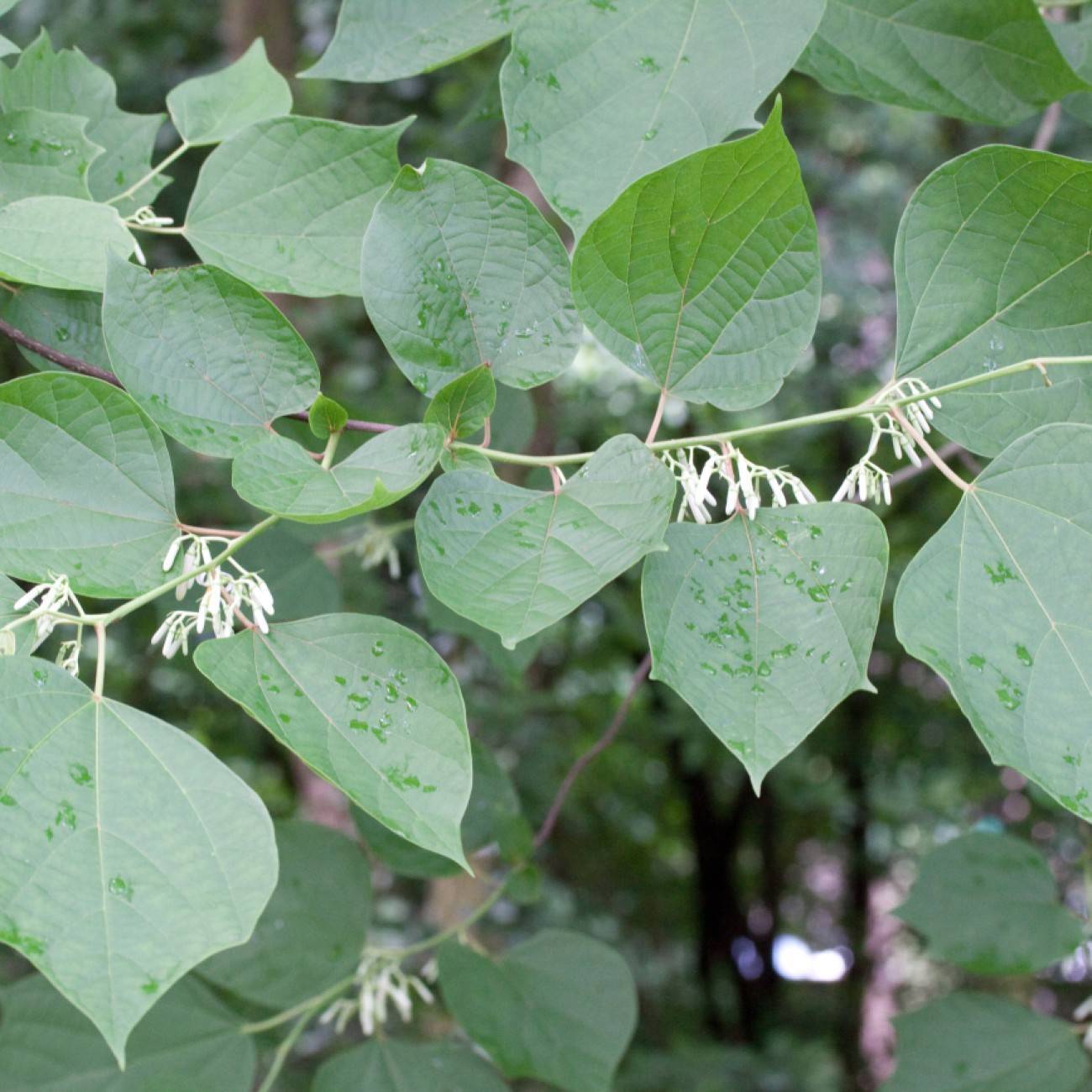
alangium
Alangium platanifolium var. macrophyllum
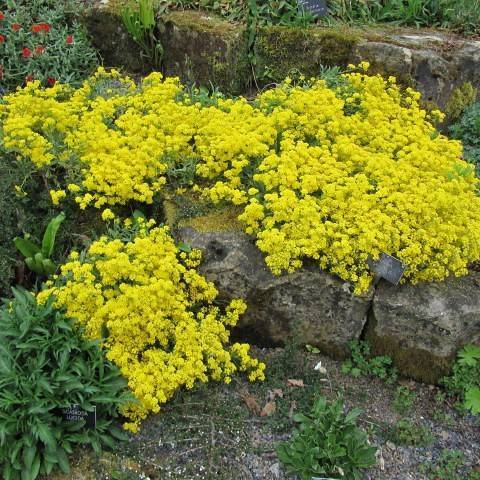
basket of gold
Aurinia saxatilis 'Gold Dust'
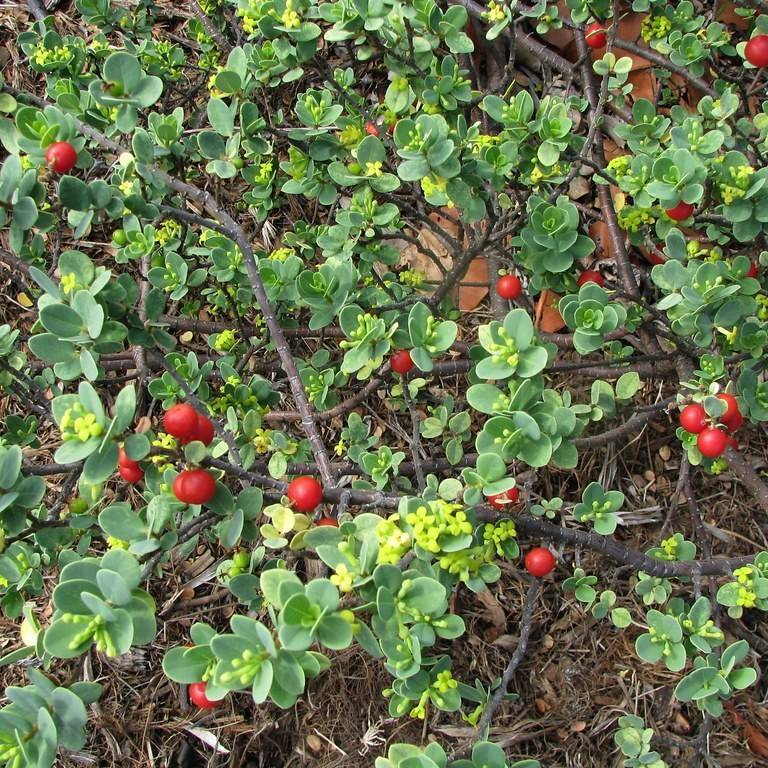
bearberry
Arctostaphylos uva-ursi 'Wood's Red'
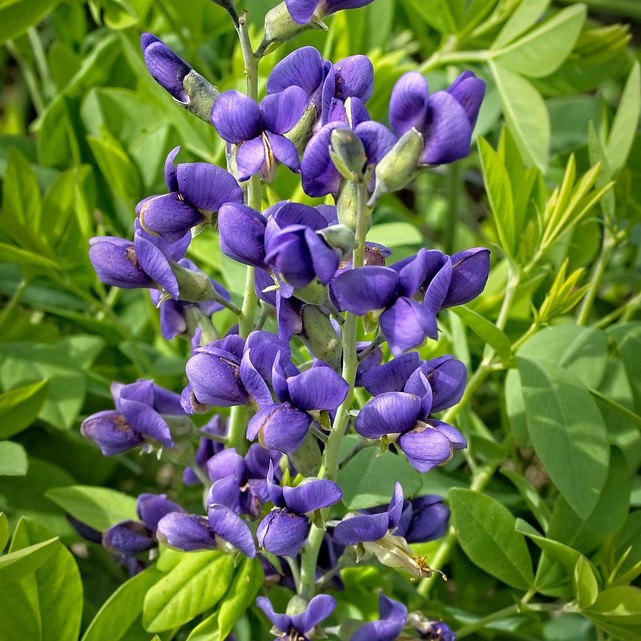
blue false indigo
Baptisia australis
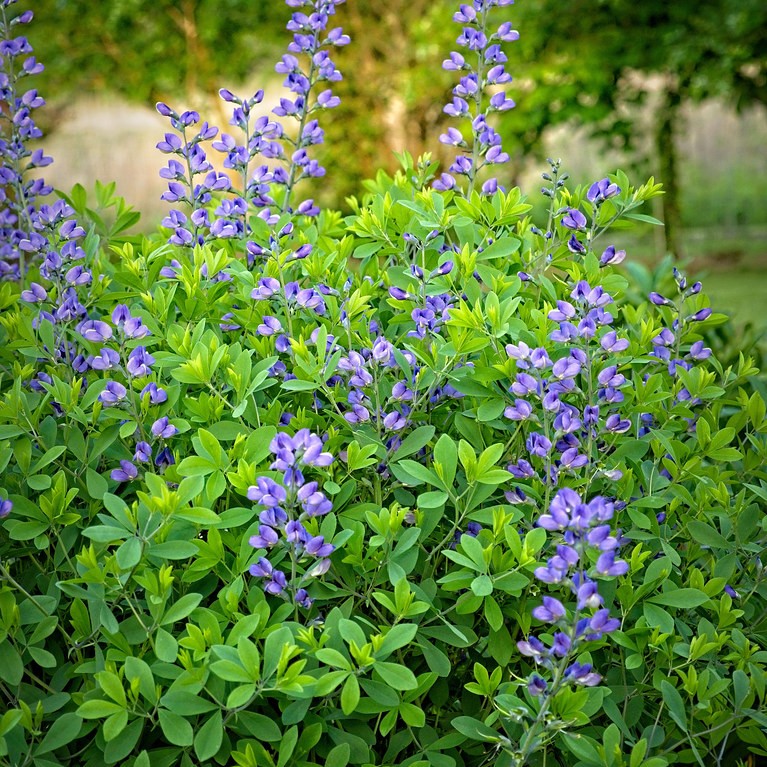
blue false indigo
Baptisia australis var. minor
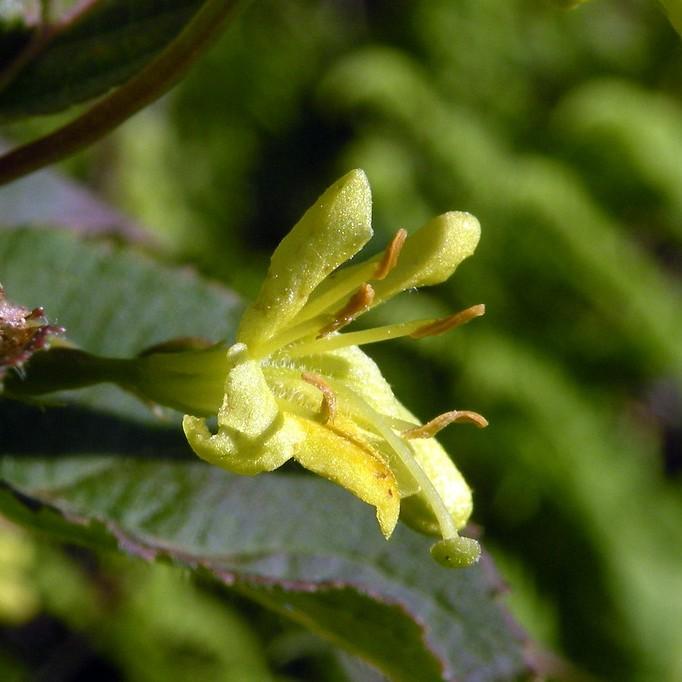
bush honeysuckle
Diervilla lonicera
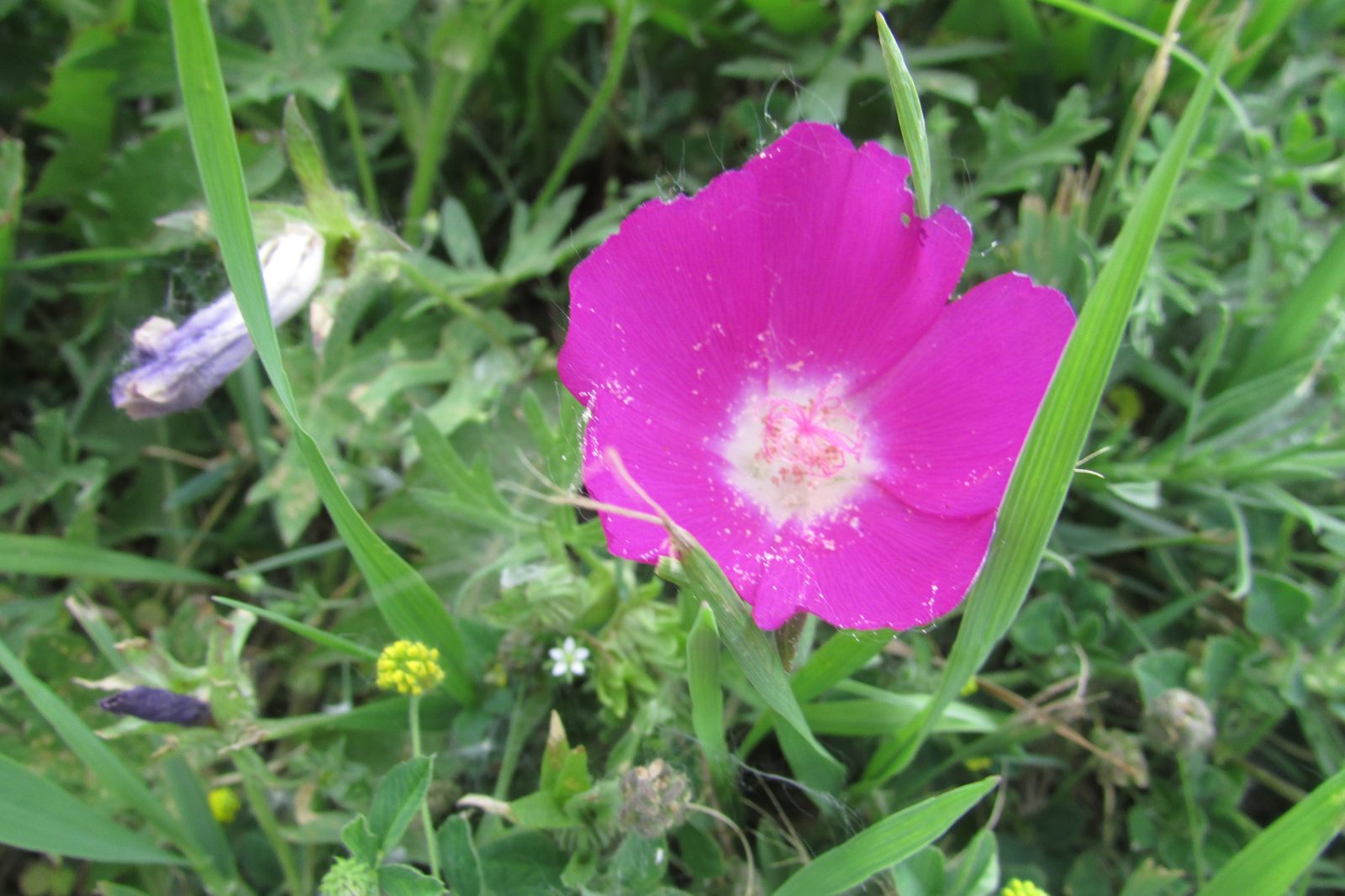
Bush's poppy mallow
Callirhoe bushii
California sagebrush
Artemisia californica 'Canyon Gray'