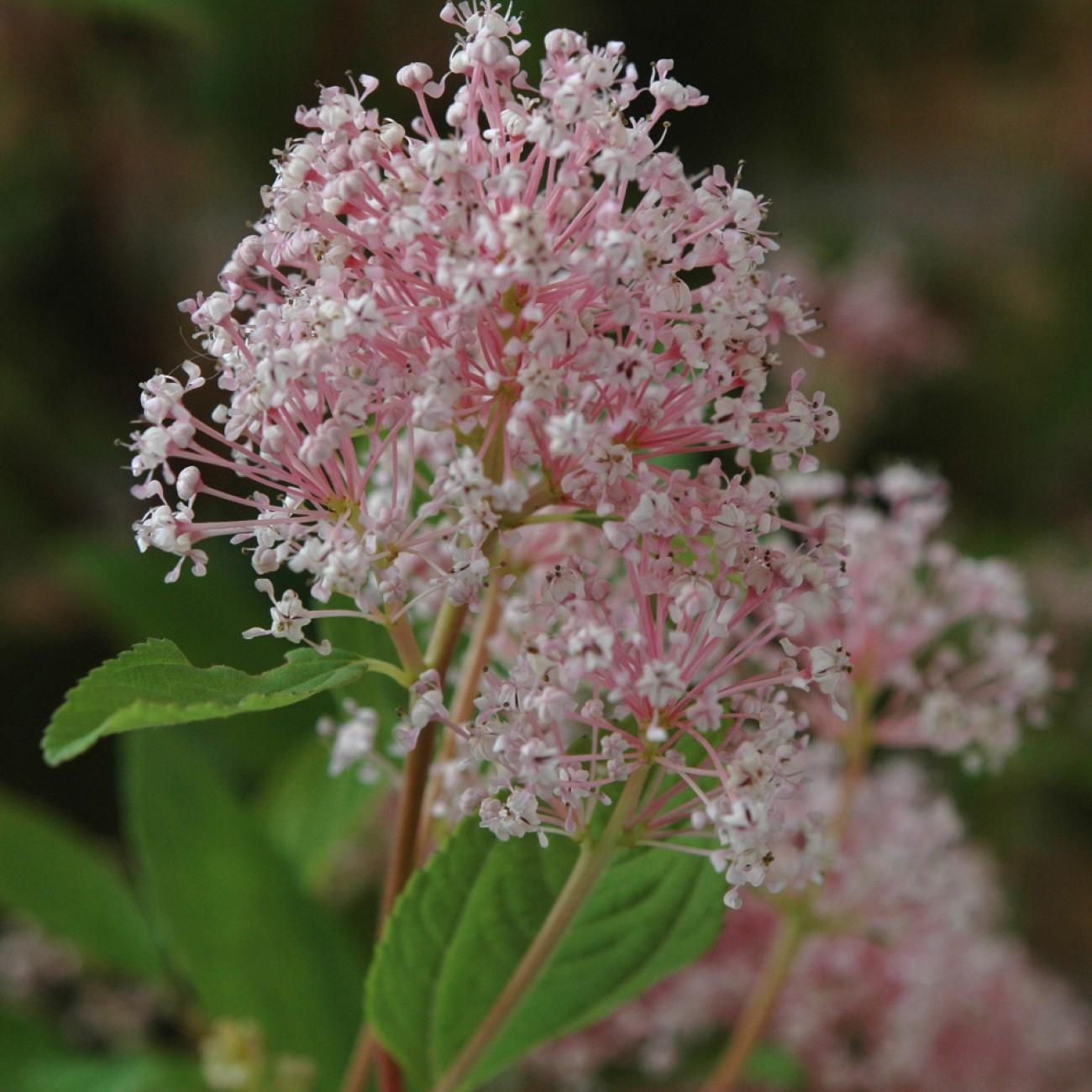
California lilac
Ceanothus pallidus 'Marie Simon'
Overview
California lilac (Ceanothus pallidus 'Marie Simon') is an amazing, drought-resistant native shrub. Its beautiful white flowers bloom late in spring to early summer, adding showy blooms to any garden. It thrives in full sun and just moderate amounts of water. The foliage of this species is an attractive light green, and it can turn a lovely shade of yellow in the fall. It produces excellent groundcover, and its dense texture is great for erosion control. Pruning is not necessary, and this species can easily reach its maximum potential, reaching heights of up to 8 feet tall. California lilac is sure to add beautiful structure and vibrant flowers to any garden!
Care Guide
Watering
California lilac plants should be watered deeply once a week, providing about 1.5 inches of water per week. During summer months however, they may require more frequent irrigation during periods of extreme heat, every 5-7 days. Generally, they should be watered with more frequency when the soil feels dry to the touch. When irrigating, slowly apply water until it starts to trickle or run off the soil near the base of the plant, allowing for a thorough soaking. Also, water the entire root zone to ensure even distribution of moisture. Proper drainage is important, as California lilacs don't usually tolerate standing water.
Light
California lilac (Ceanothus pallidus 'Marie Simon') requires full sun in order to thrive. It prefers 6-8 hours of direct sunlight each day, with afternoon shade in especially hot climates. This plant prefers to be grown in temperate regions of California, where the sun is not as intense as in other parts of the country. Additionally, California lilac should be planted in a spot that is sheltered from strong winds.
Temperature
Hardiness zone 6–6.
Pruning
California lilacs, also known as blueblossom, should be pruned once a year, usually in late winter or early spring. This plant should be lightly pruned, leaving only a third of its original size. When pruning, ensure that the new growth at the base of the plant is not disturbed and that any dead wood is removed. The flowers should not be deadheaded as they provide food for beneficial insects and birds. For best results, use hand clippers or lopping shears to shape the shrub. Pruning California lilacs will result in thicker, more compact plants with improved flower production.
Propagation
Cutting, Layering Propagation, Grafting Propagation, Division, Seed Propagation
Uses & Symbolism
Attracts: Butterflies.
Related plants
Other plants you might like if you grow California lilac.
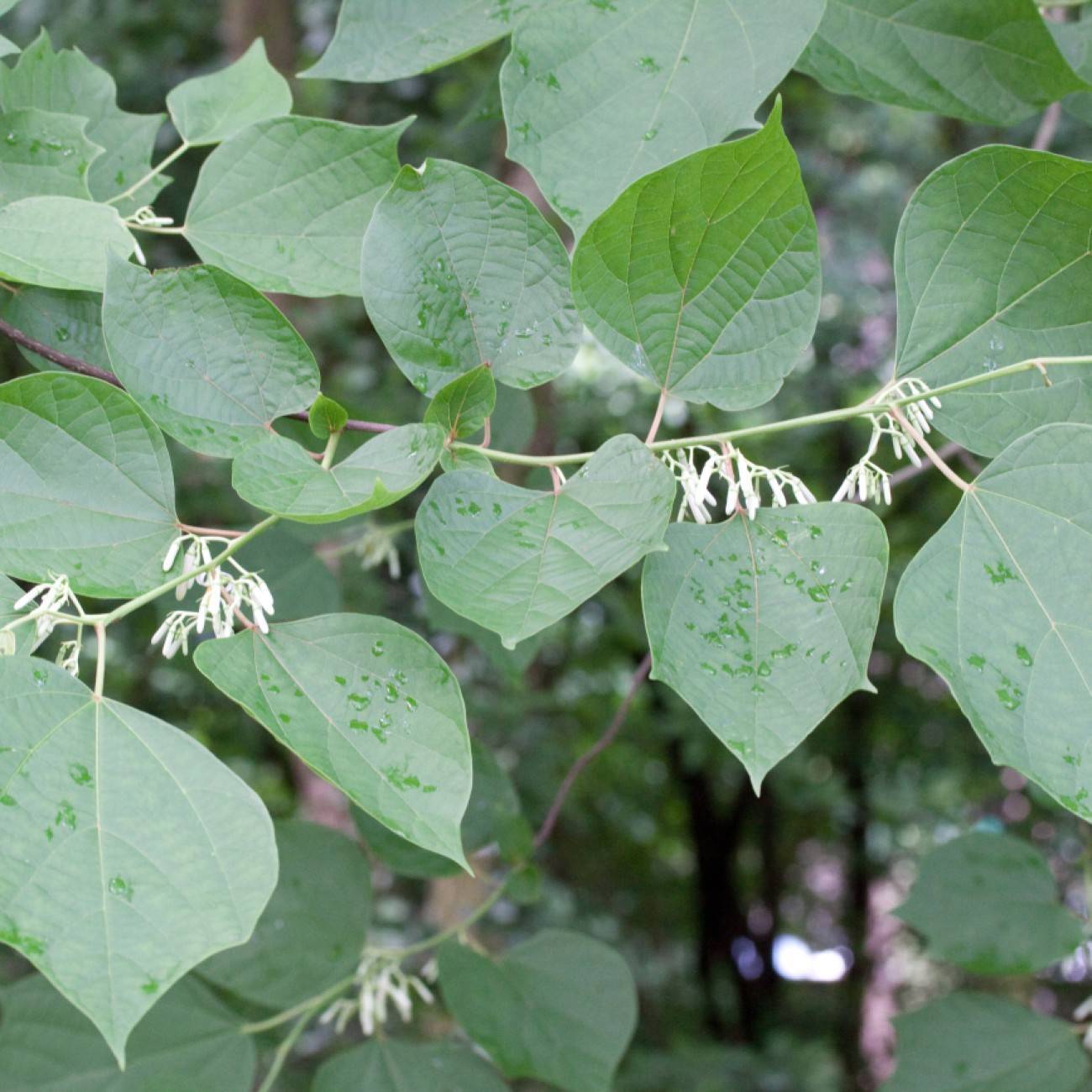
alangium
Alangium platanifolium var. macrophyllum
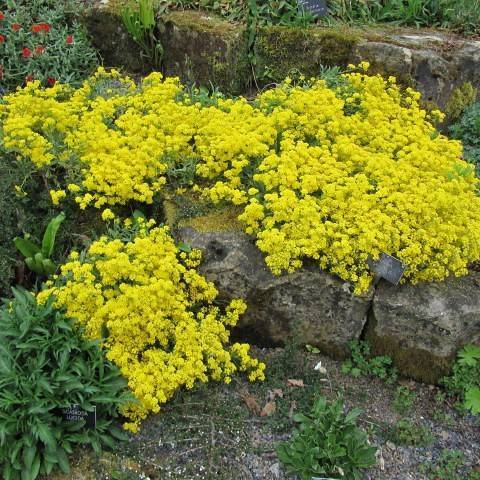
basket of gold
Aurinia saxatilis 'Gold Dust'
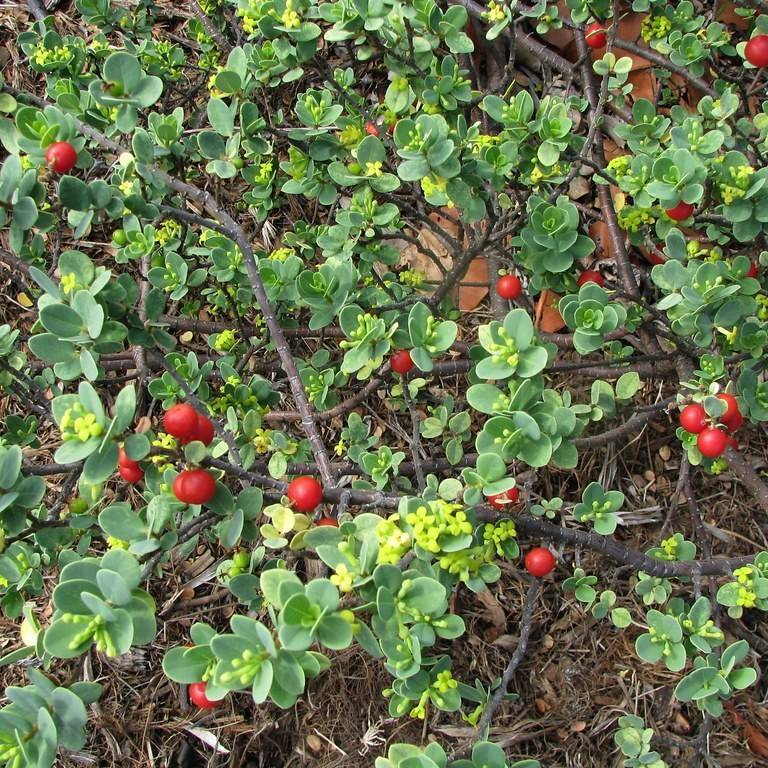
bearberry
Arctostaphylos uva-ursi 'Wood's Red'
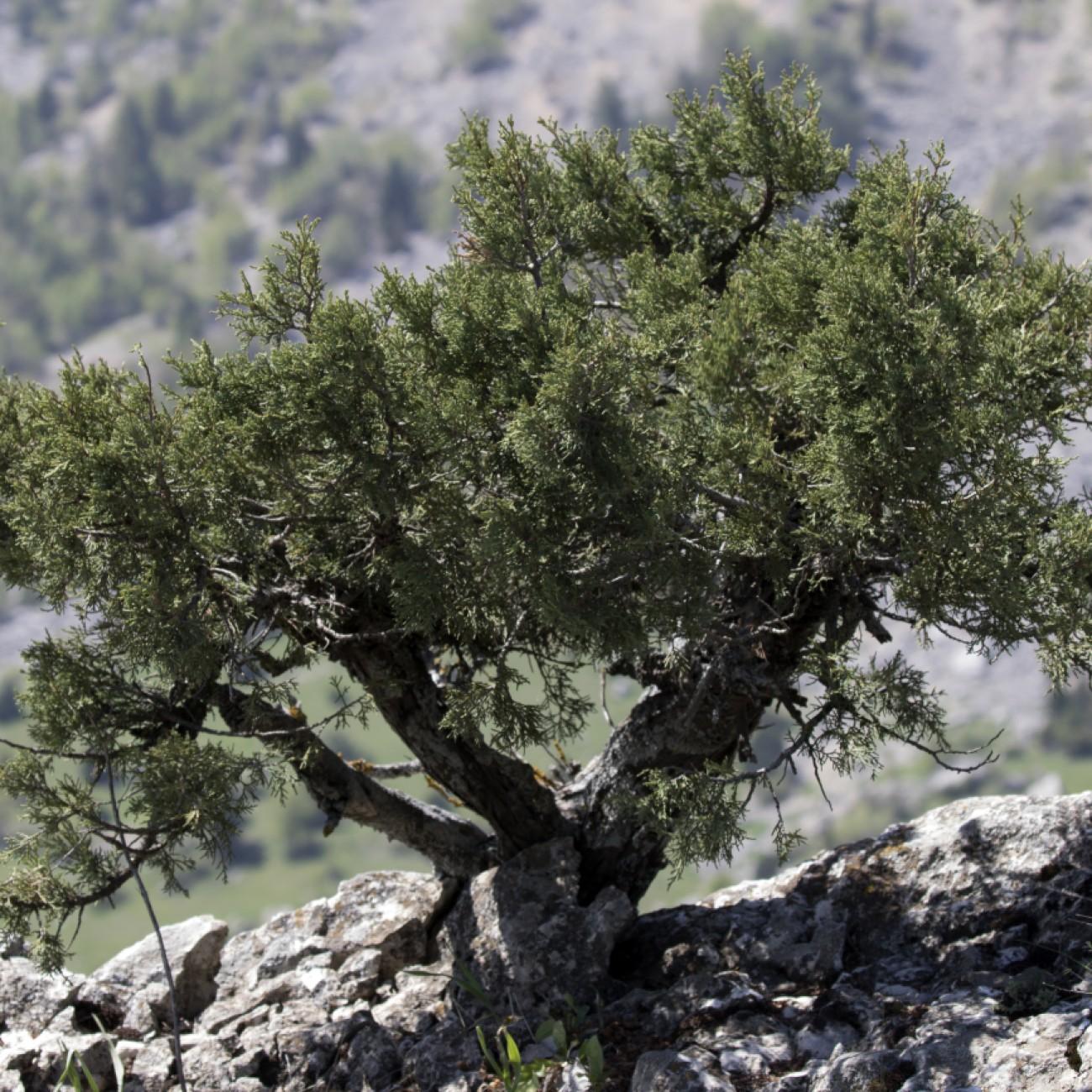
Blue Chip Juniper (tree form)
Juniperus horizontalis 'Blue Chip (tree form)'
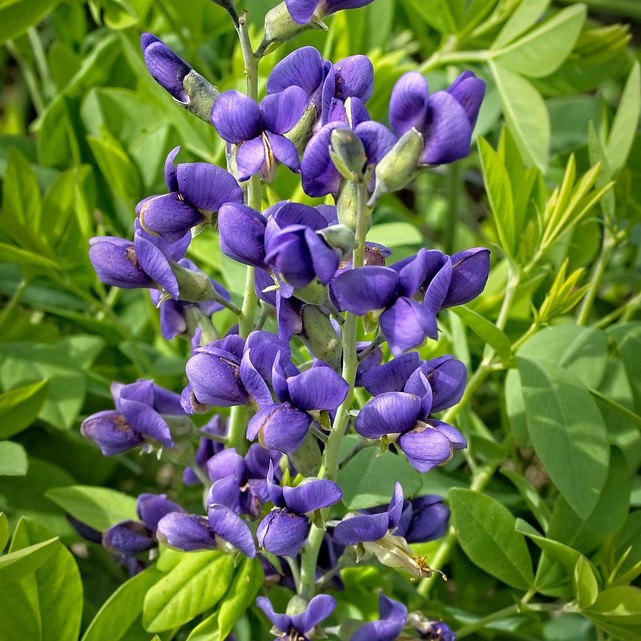
blue false indigo
Baptisia australis
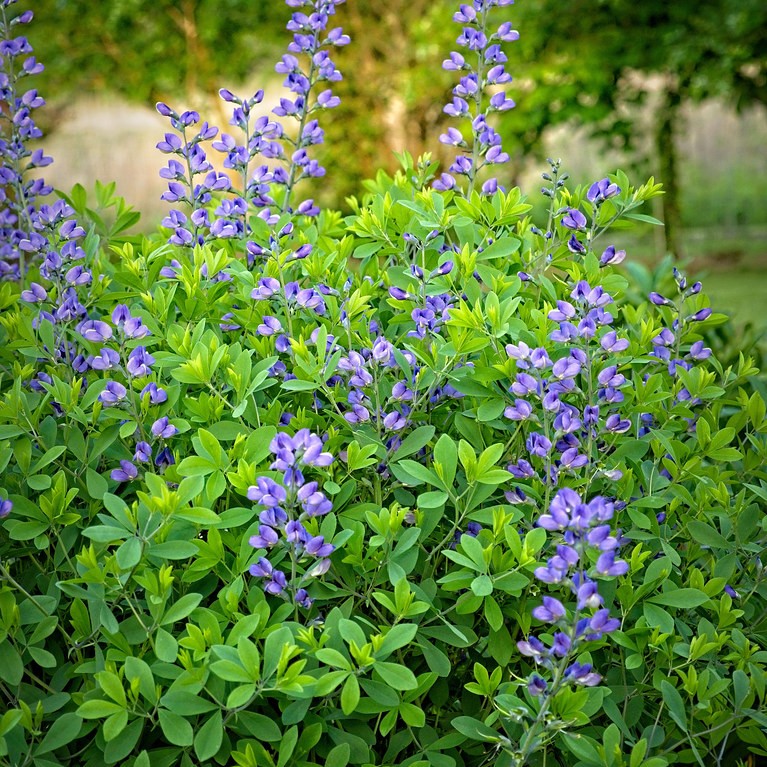
blue false indigo
Baptisia australis var. minor
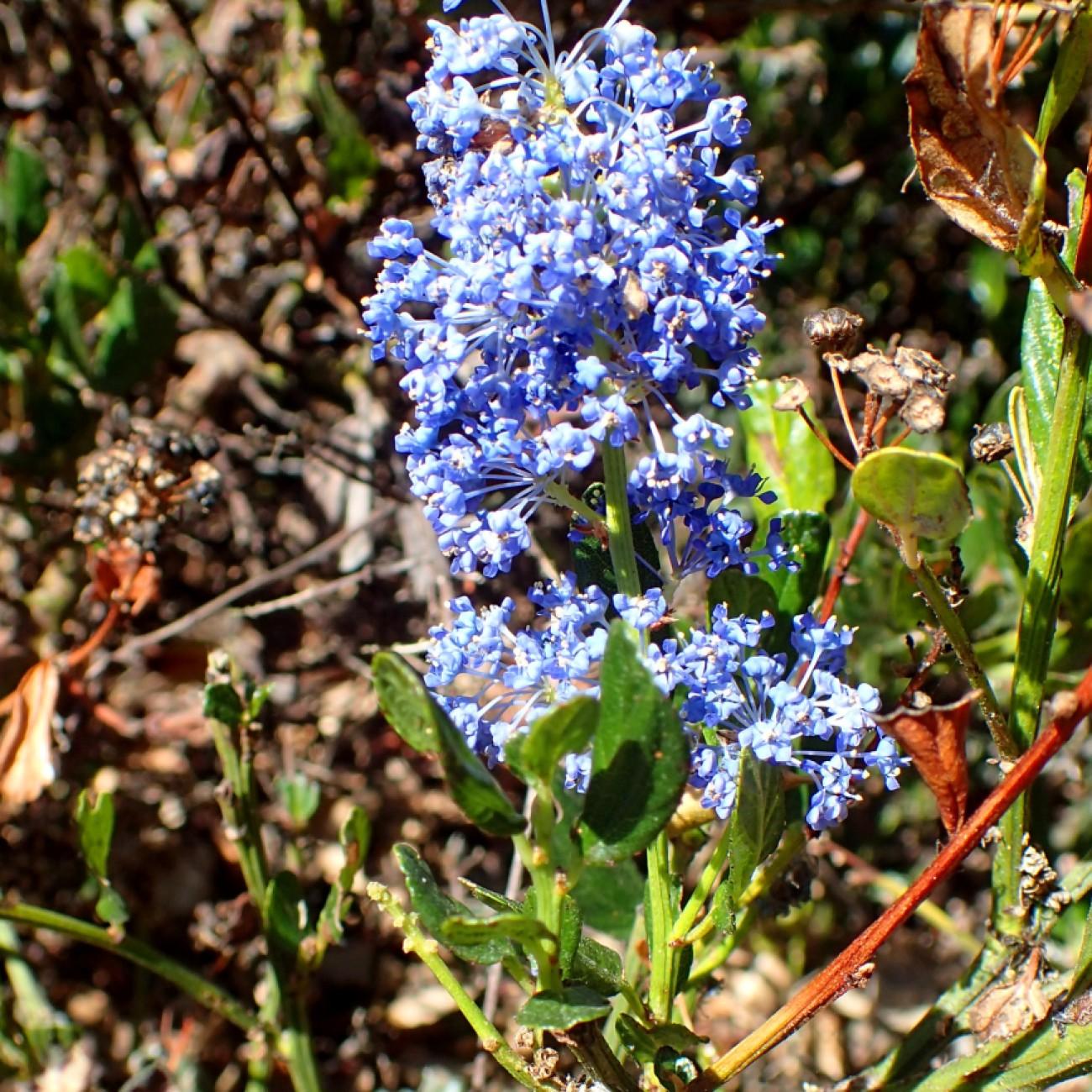
blue mountain lilac
Ceanothus thyrsiflorus 'Skylark'
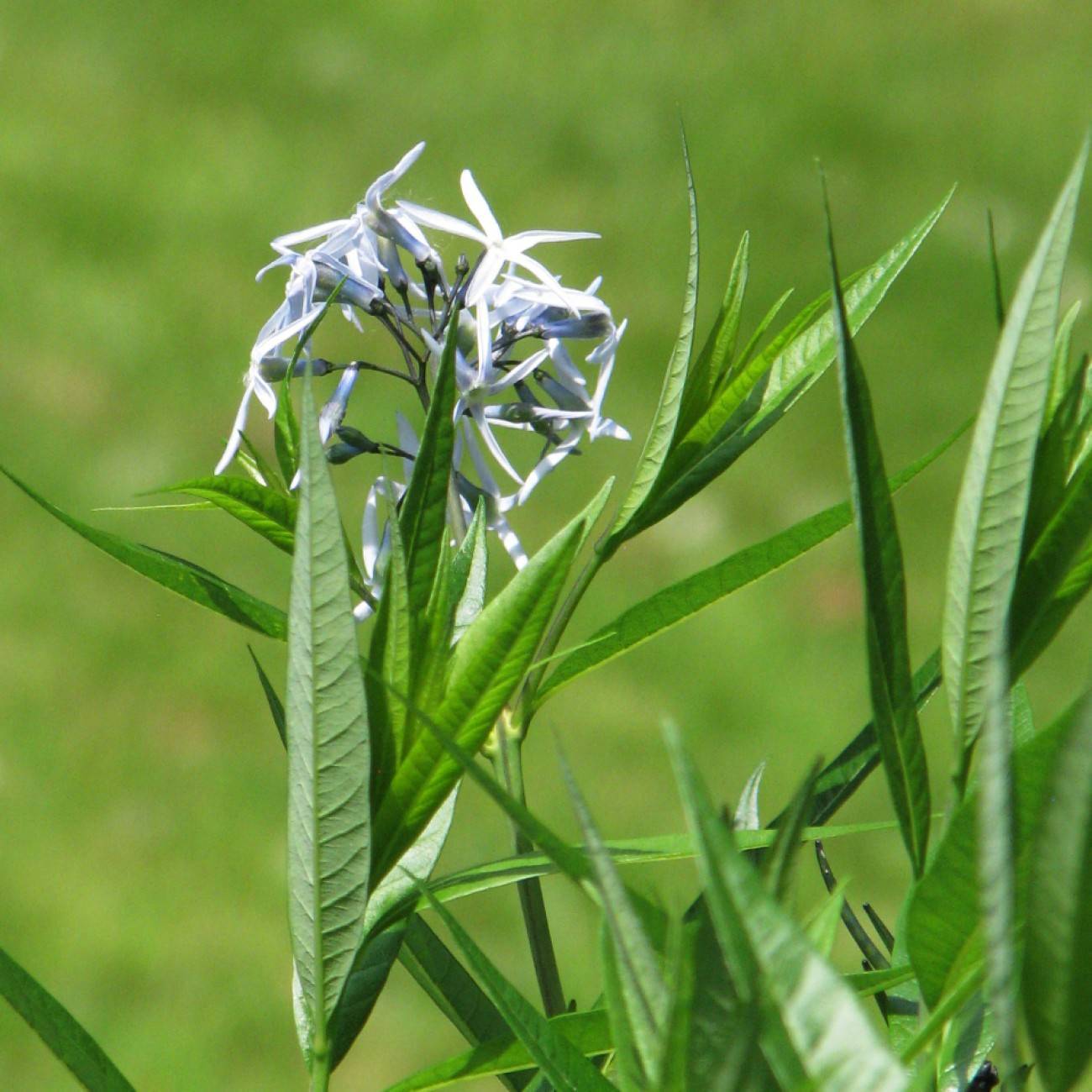
blue star
Amsonia ciliata var. filifolia 'Georgia Pancake'