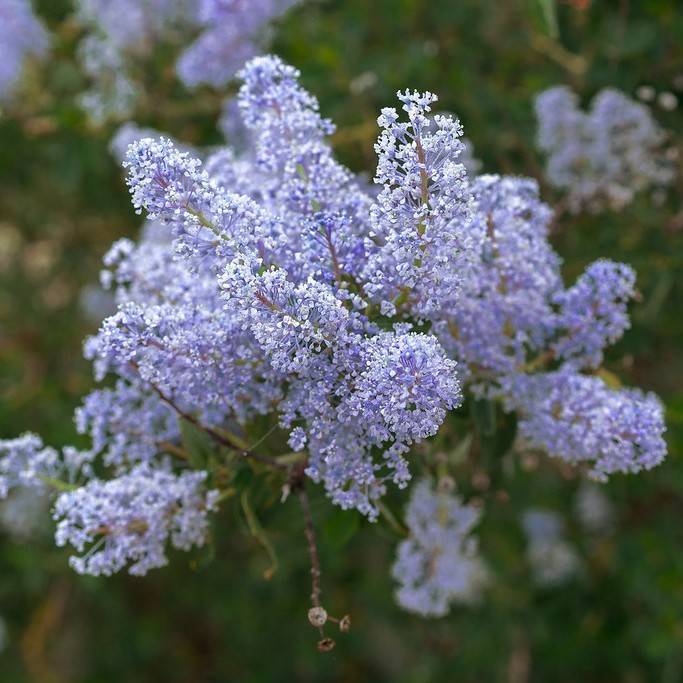
California lilac
Ceanothus pallidus 'Minmari' MARIE BLEU
Overview
California lilac (Ceanothus pallidus 'Minmari' MARIE BLEU) is an incredibly unique and beautiful shrub. It exudes colorful, fragrant blooms of deep blue-violet throughout the warmer months of the year. This deciduous evergreen is also drought-tolerant and provides a wonderful source of color and texture in any landscape. The rich foliage of Marie Bleu is an inviting shade of blue-green and pairs perfectly with other shrubs and small trees. Its strong growth and quick rate make it an ideal choice for erosion control, ground-cover or privacy screens. This amazing plant is sure to be the star of any yard and provide enjoyment for all.
Care Guide
Watering
Water California lilac (Ceanothus pallidus 'Minmari' MARIE BLEU) plants regularly when the soil is dry to the touch. Water deeply, until water flows from the bottom of the pot. During the first year, water every 1 to 2 weeks, depending on weather and soil conditions. In subsequent years, decrease watering frequency to once every 2 to 4 weeks, depending on the weather and soil conditions. Allow the plants to become completely dry before re-watering.
Light
California lilac (Ceanothus pallidus 'Minmari' MARIE BLEU) needs at least 6 hours of sunlight a day to thrive and should be grown in an area with full sun exposure. When planted in USDA hardiness zones 6-9, this species of lilac requires direct sunlight in the morning and afternoon for best growth, with partial shade during the hottest part of the day. When temperatures start to dip as the seasons progress, this species of lilac will benefit from some additional afternoon sun exposure. To prevent sunburn of foliage, ensure the plant has some light shade during the hottest parts of the day.
Temperature
Hardiness zone 6–9.
Pruning
Pruning of California lilax (Ceanothus pallidus 'Minmari' MARIE BLEU) should be done in spring and fall for best long-term health. For pruning in spring, it is recommended to remove any dead or damaged branches, lightly shape the shrub and remove some of the interior branches for improving air circulation. Deadhead spent flowers as needed after blooming. In fall, make heavier pruning - reduce size and shape by thinning out the interior branches for air circulation, and shortening the exterior shoots to the desired height. Be sure to avoid over-pruning as this can cause stress and can reduce flowering.
Propagation
Cutting, Layering Propagation, Grafting Propagation, Division, Seed Propagation
Uses & Symbolism
Attracts: Butterflies.
Related plants
Other plants you might like if you grow California lilac.
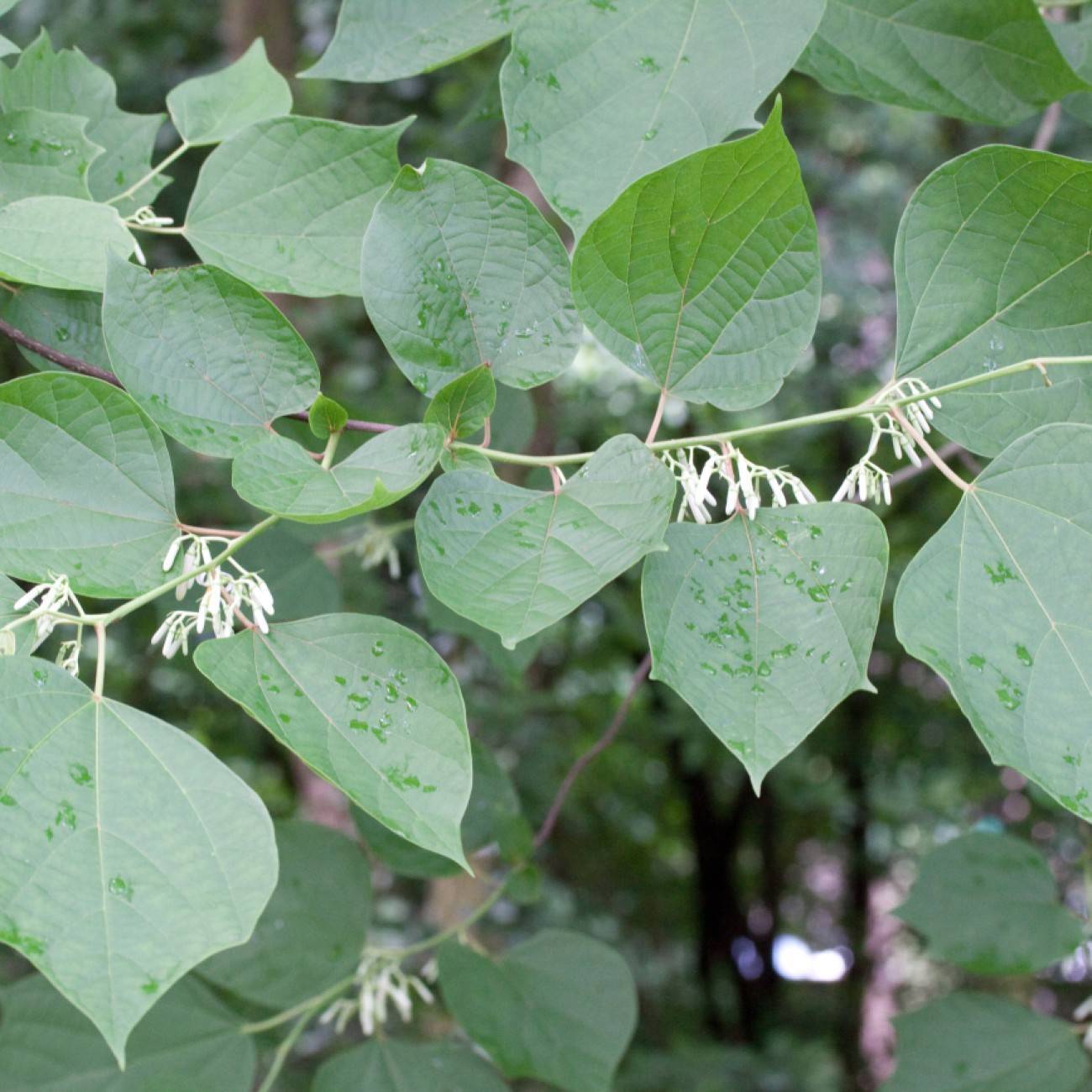
alangium
Alangium platanifolium var. macrophyllum
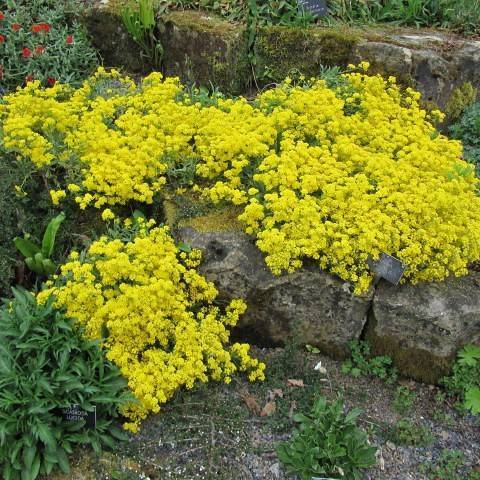
basket of gold
Aurinia saxatilis 'Gold Dust'
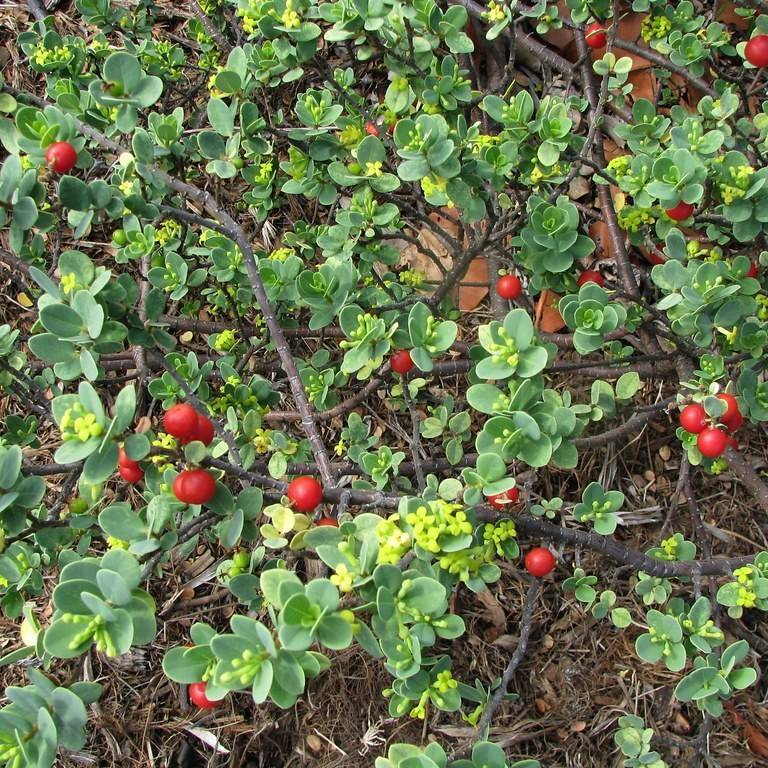
bearberry
Arctostaphylos uva-ursi 'Wood's Red'
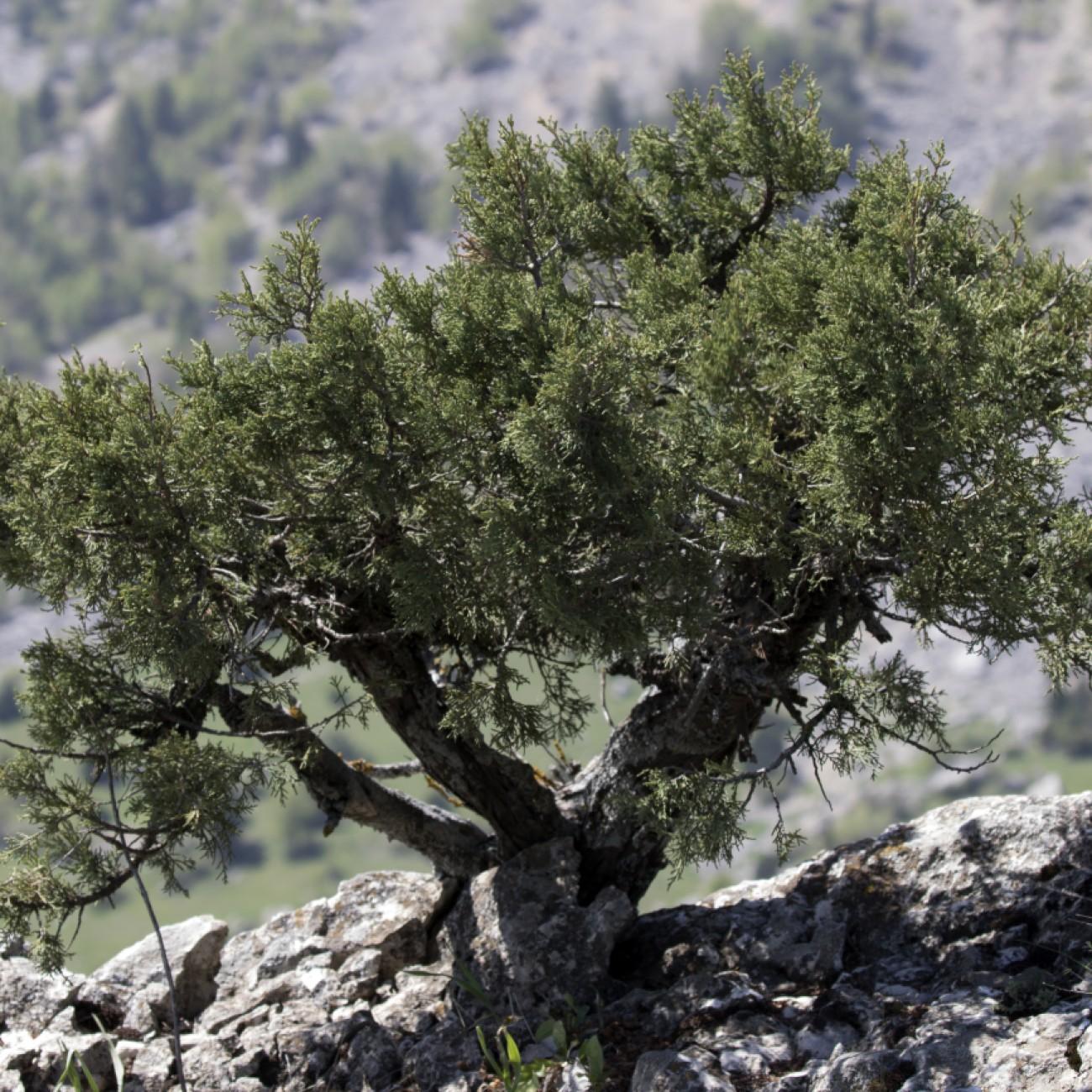
Blue Chip Juniper (tree form)
Juniperus horizontalis 'Blue Chip (tree form)'
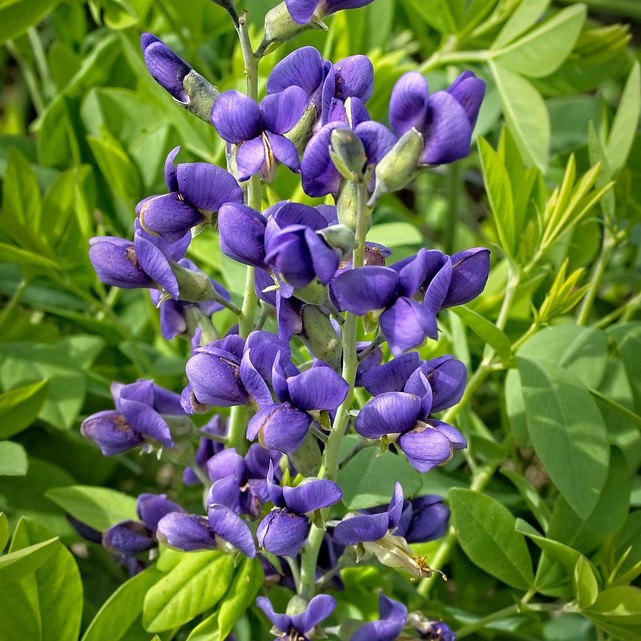
blue false indigo
Baptisia australis
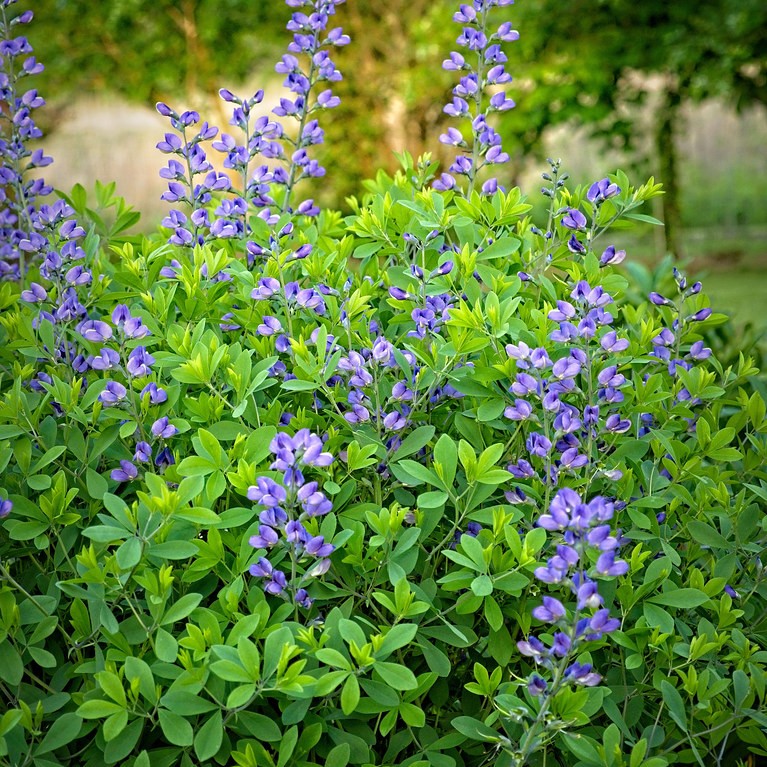
blue false indigo
Baptisia australis var. minor
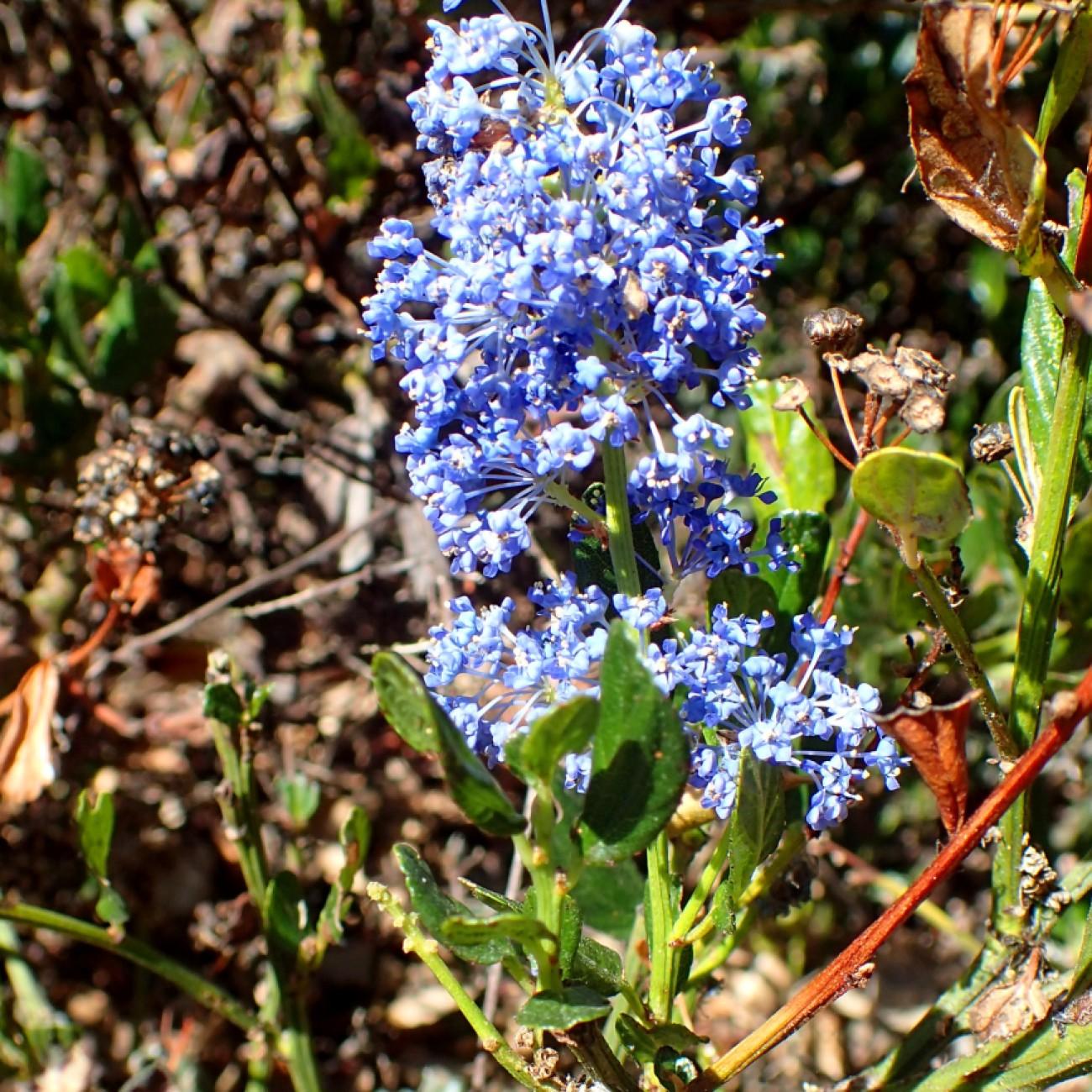
blue mountain lilac
Ceanothus thyrsiflorus 'Skylark'
blue star
Amsonia ciliata var. filifolia 'Georgia Pancake'