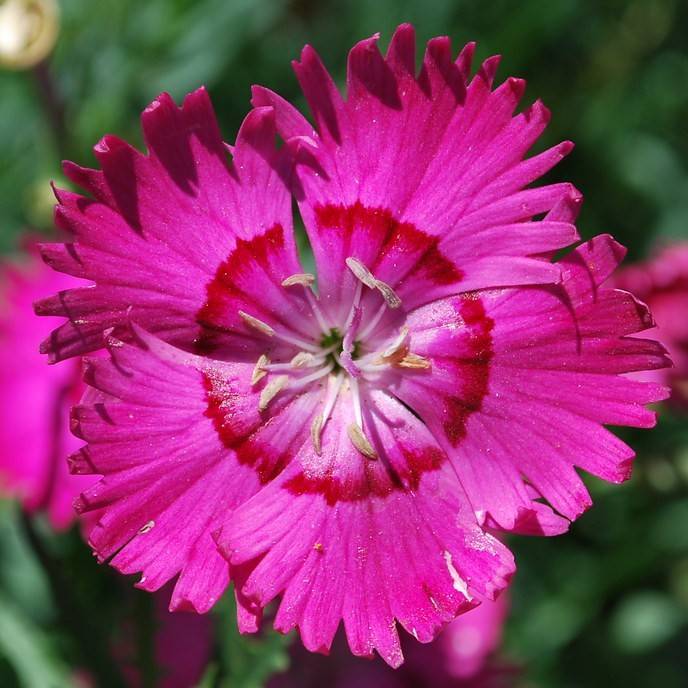
cheddar pink
Dianthus gratianopolitanus 'Grandiflorus'
Overview
Cheddar pink (Dianthus gratianopolitanus 'Grandiflorus') is the perfect addition to any garden. Not only does it produce beautiful pink flowers with a stunning clove-like scent, its broad yellow and green foliage makes it an attractive highlight within any garden or landscape. In addition to being a lovely ornamental, this hardy, drought-tolerant perennial is exceptionally easy to maintain. Plus, it's perfect for both flower beds and retaining walls, as it can take some foot traffic. With its mesmerizing colors and sweet scent, Cheddar pink is sure to be a hit in any garden.
Care Guide
Watering
Water Cheddar Pink deeply and regularly. Make sure to water the plants every week, and make sure the soil is always moist but not wet. In dry climates, the soil should be watered up to 2-3 inches per week. In hotter climates, more water may be necessary. Make sure to water plants evenly so each plant gets enough water. During the hottest days of summer, it might be necessary to water the plants more frequently. During the colder months, water less frequently but be sure to keep the soil from drying out.
Light
Cheddar pink (Dianthus gratianopolitanus 'Grandiflorus') is a sun-loving plant species that thrives in full sun and does best with 6-8 hours of direct sunlight each day. If it can't get that amount, it will still grow but it may become lanky and have less flowering. In areas that get a lot of sun, such as full southern sun in the summer months, it is best to provide some afternoon shade to prevent the plant from wilting in the intense heat of the sun.
Soil
Well-drained
Temperature
Hardiness zone 4–8.
Pruning
Cheddar pink (Dianthus gratianopolitanus 'Grandiflorus') should be pruned once a year, ideally in the spring after flowering, to encourage a fuller, bushier growth. Pruning should involve cutting back the stems to just above the green foliage, leaving roughly 2-3 inches of new growth. Deadheading the spent blooms may also be necessary to encourage more blooms to form. Pruning too aggressively may reduce flowering for that season, so exercise caution when pruning.
Propagation
Seed Propagation, Cutting
Diseases & Pests
Common pests: Crown rot, Rust, Slugs, snails, Drought resistant .
Related plants
Other plants you might like if you grow cheddar pink.
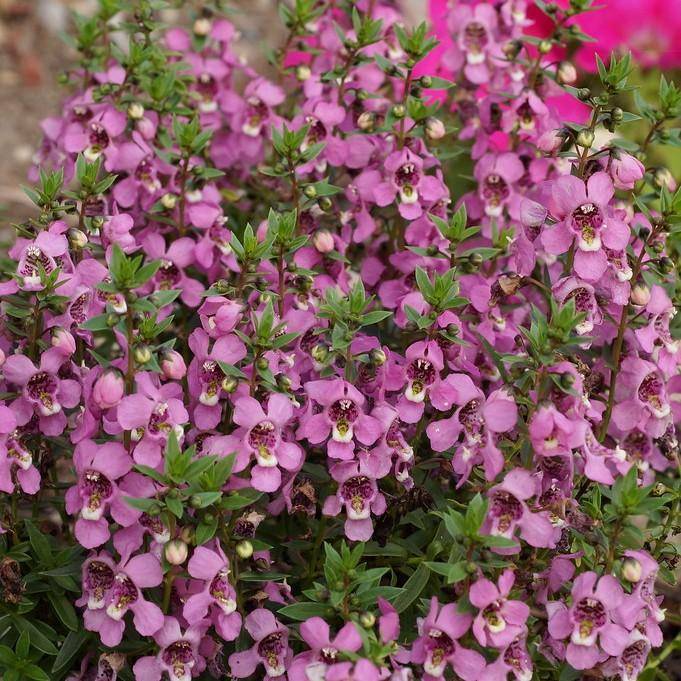
angelonia
Angelonia angustifolia
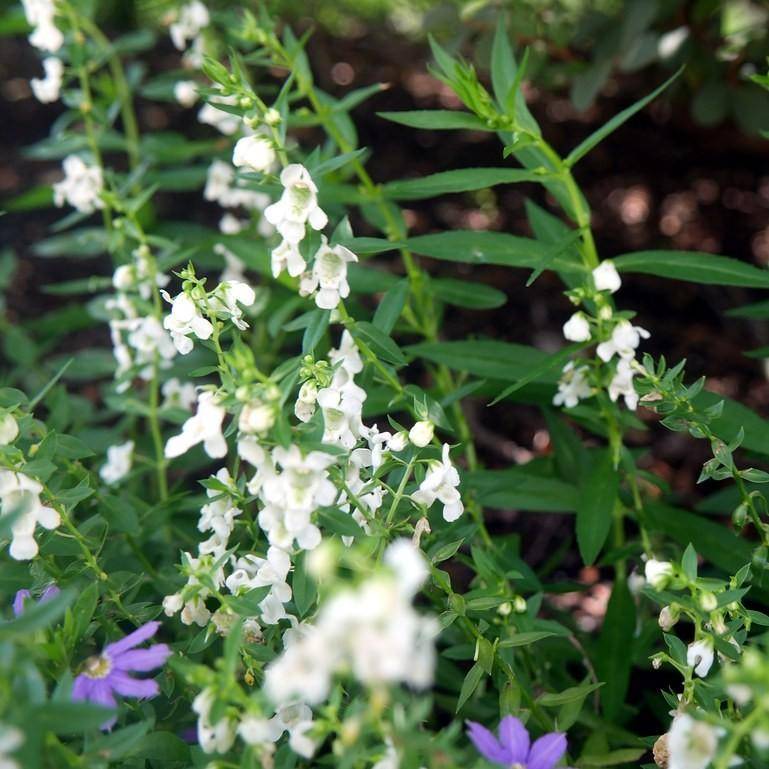
angelonia
Angelonia angustifolia SERENA MIXTURE
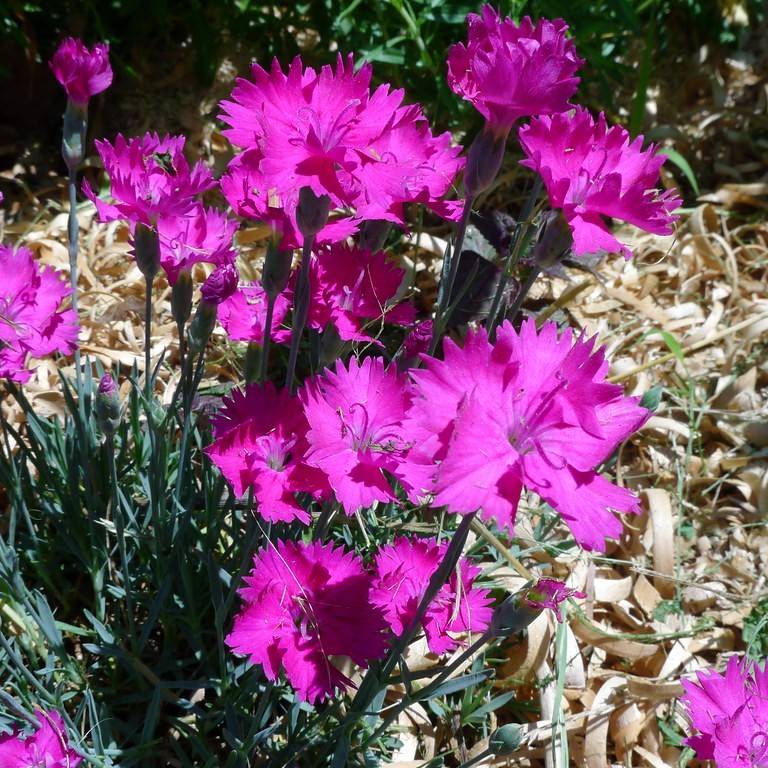
cheddar pink
Dianthus gratianopolitanus
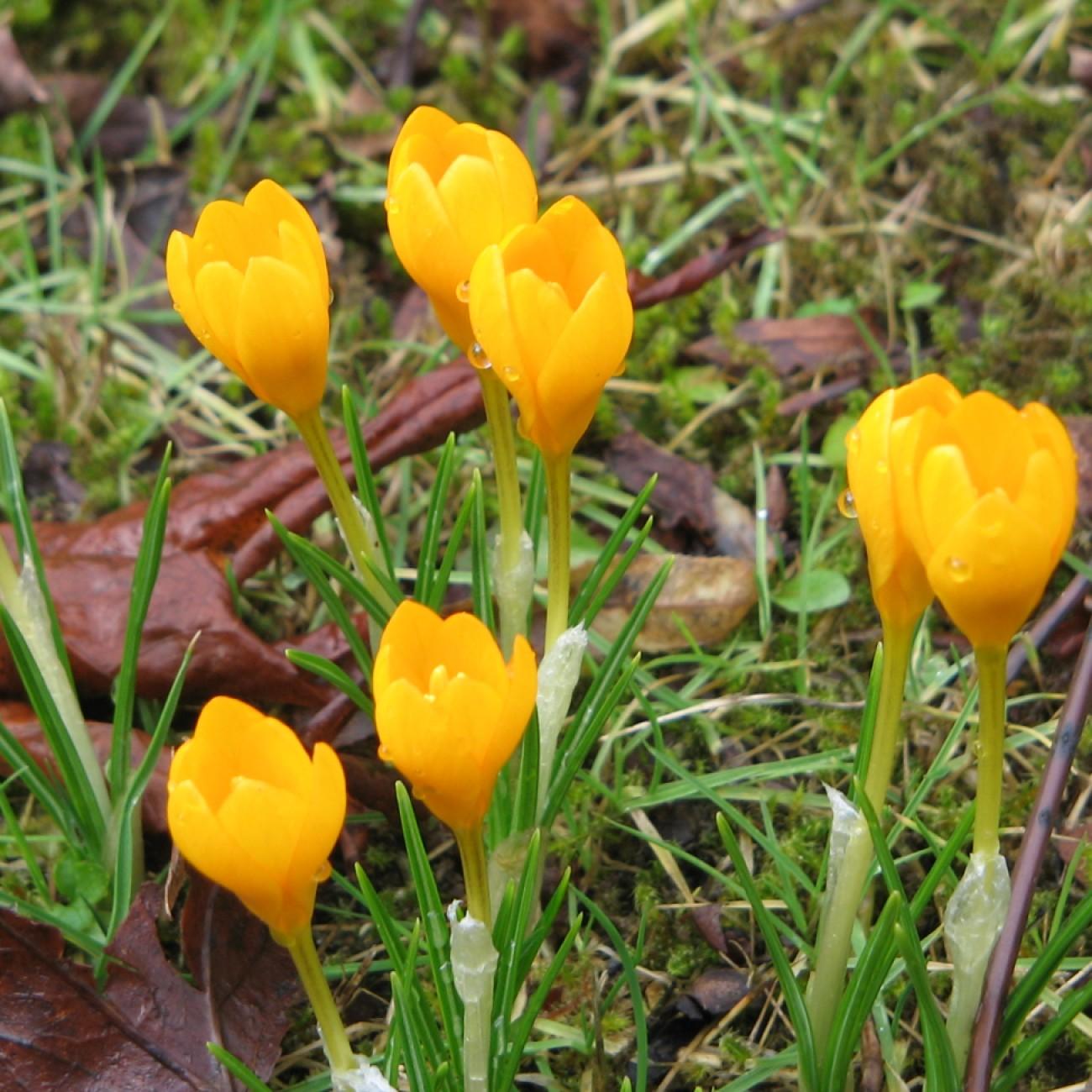
crocus
Crocus luteus 'Golden Yellow'
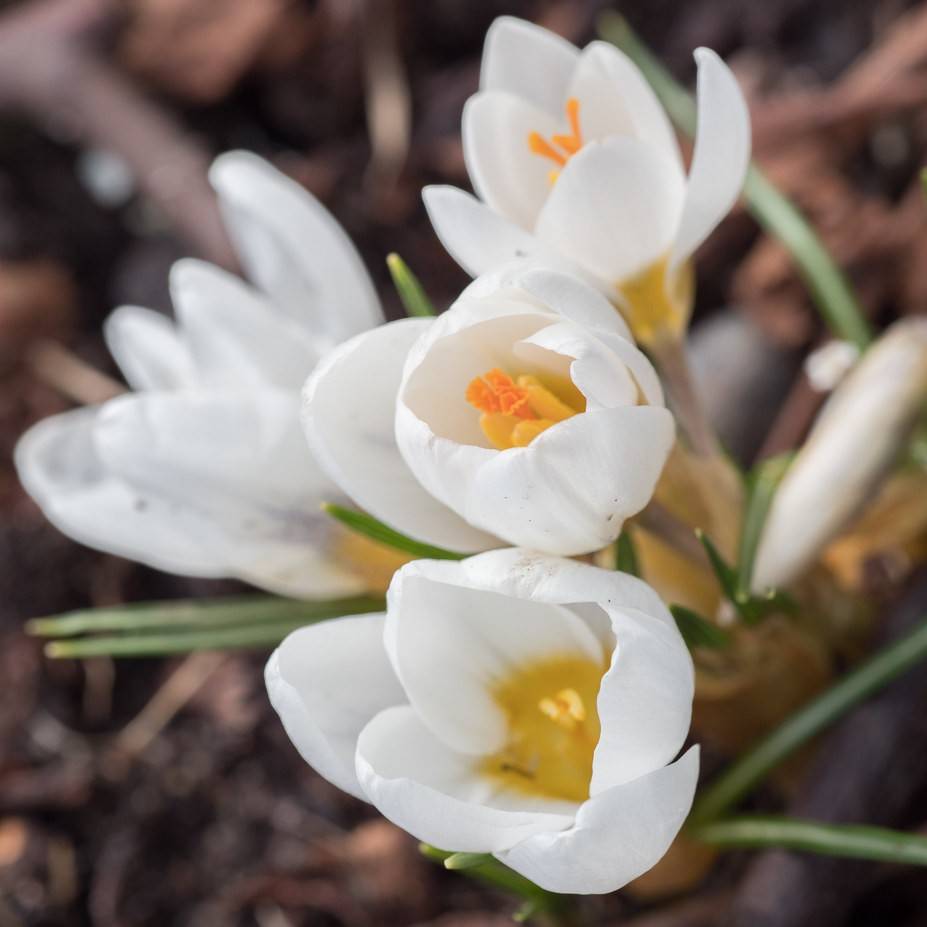
Dutch crocus
Crocus vernus
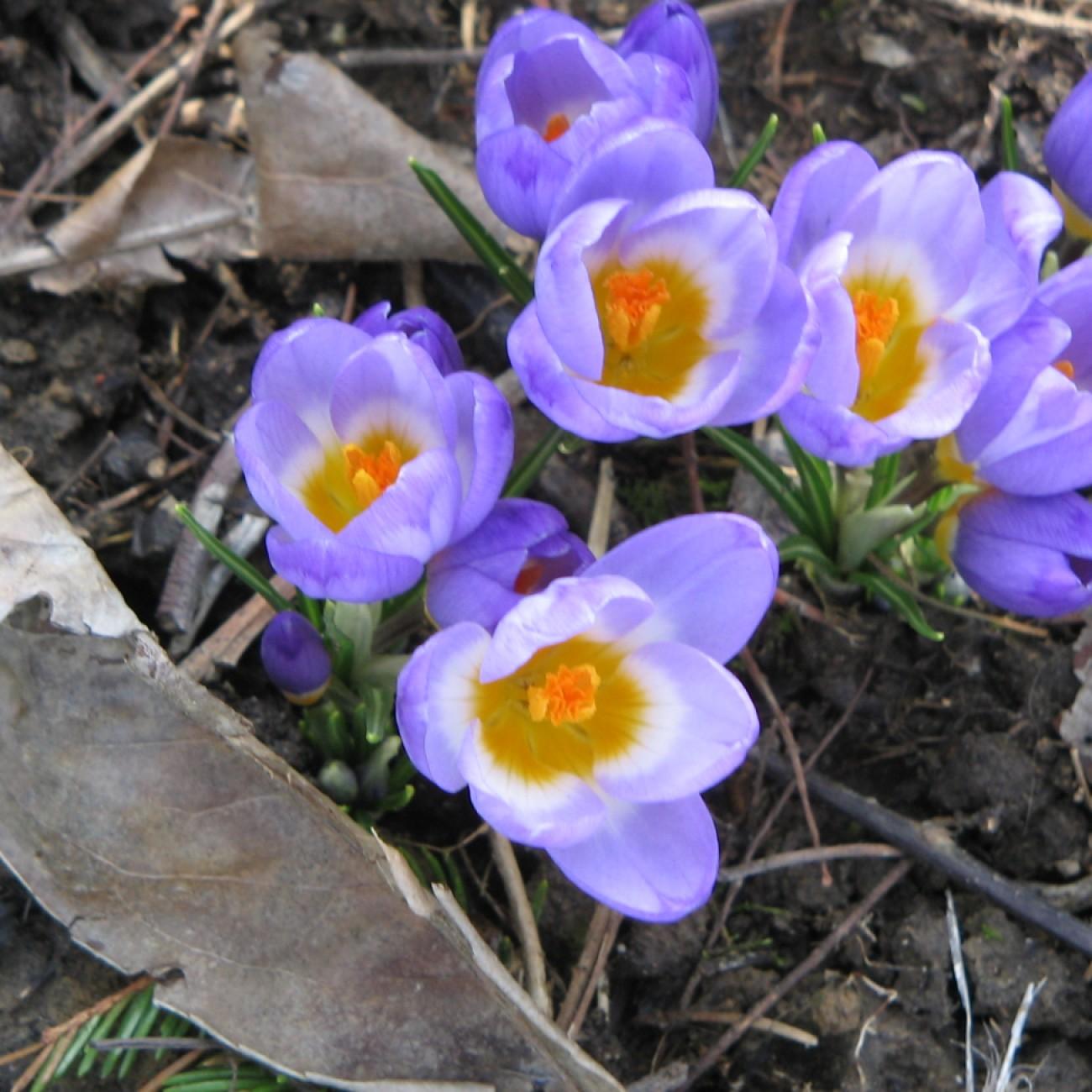
Sieber's crocus
Crocus sieberi subsp. atticus 'Firefly'
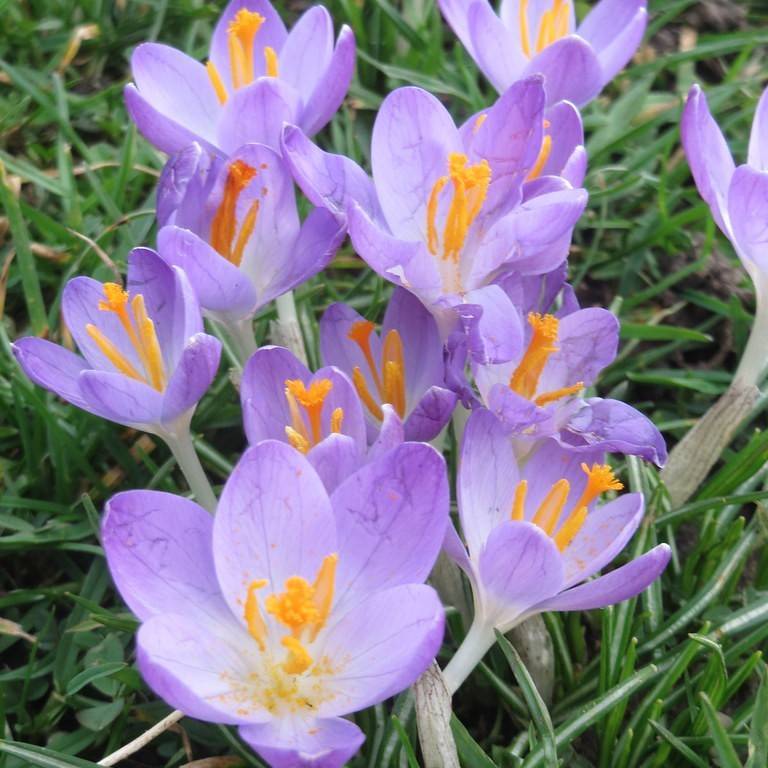
snow crocus
Crocus tommasinianus
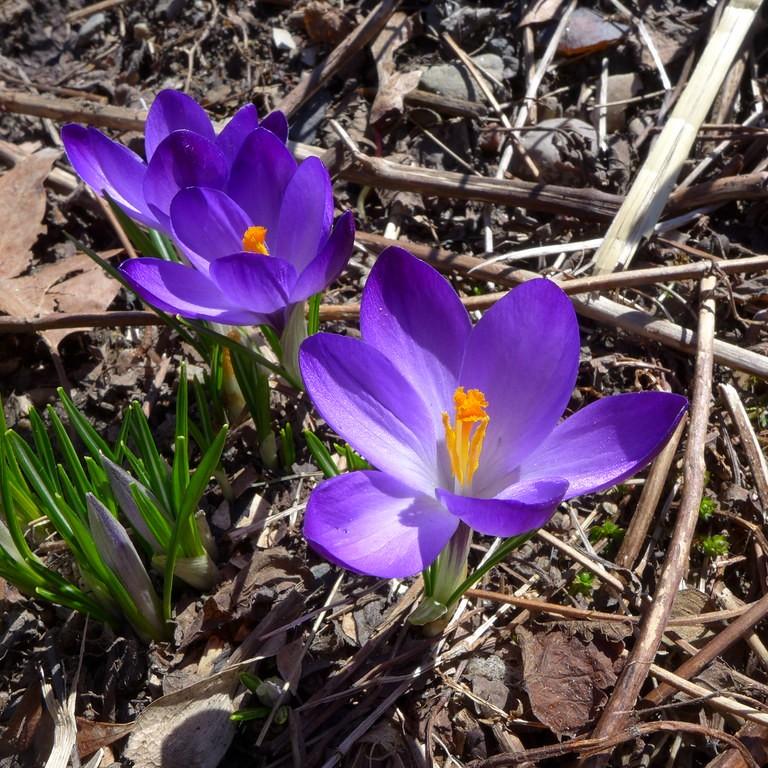
snow crocus
Crocus tommasinianus 'Ruby Giant'