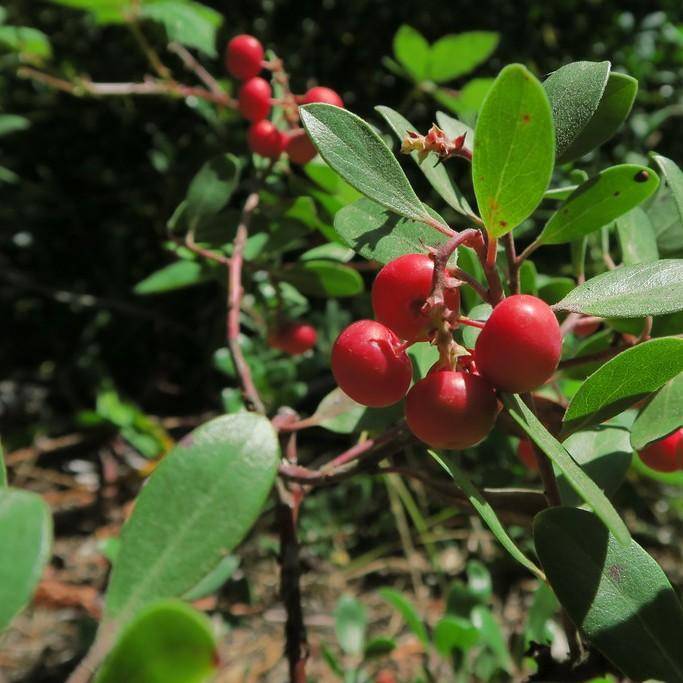
common bearberry
Arctostaphylos uva-ursi 'Big Bear'
Overview
Common Bearberry (Arctostaphylos uva-ursi 'Big Bear') is a versatile and beautiful shrub native to North America. It provides a wealth of benefits, from its medicinal uses to its visual appeal. Its evergreen foliage and white spring flowers make for a great landscape addition year-round, while its edible berries provide a great source of food and the perfect habitat for wildlife. Perhaps most importantly, Common Bearberry is highly medicinal and is used to treat bladder and urinary tract infections due to its high content of a powerful antibiotic. Furthermore, it's highly tolerant of drought and can endure in soils of almost any type, making it an attractive and reliable choice. All of these features make Common Bearberry truly amazing!
Care Guide
Watering
Watering for common bearberry (Arctostaphylos uva-ursi 'Big Bear') should be done on a regular basis, but should be reduced during the winter months when the plant is dormancy. During the summer months it is best to water the plant deeply approximately once a week. To do this, ensure that the soil is thoroughly moistened, yet not waterlogged. If the soil is allowed to dry out, then the plant should be watered deeply until the soil is moist. Depending on the climate, it may be necessary to increase watering frequency during summer months. Avoid watering too much during the cold winter months, about every 2 to 3 weeks should be sufficient.
Light
Common bearberry is a plant species that prefers partial shade to full sun. It is able to tolerate full sun, but it will produce more abundant fruit when grown in areas partially shaded with 2-4 hours of direct sunlight per day. Common bearberry should be exposed to full sun during the morning hours, when the sunlight is not as intense, and then receive shade in the afternoon to protect it from the harsher afternoon sun. Factoring in the day length in early spring and late summer, common bearberry would likely need approximately 6-8 hours of sunlight per day in these months to stay healthy and thrive.
Soil
Sandy Loamy Rocky
Temperature
Hardiness zone 2–7.
Pruning
Common Bearberry is best pruned in the early spring months (March to April) and again lightly in the fall after flowering (August to September). It is relatively low-maintenance and should only require light pruning to shape it and promote fullness. Pruning should include removing up to 1-third of the oldest, woodiest branches and any damaged or diseased branches. Be sure to use pruning tools that are clean and sharp to avoid damaging the branches and infecting them with disease.
Propagation
Seed Propagation, Greenwood Cuttings, Hardwood Cuttings
Uses & Symbolism
Attracts: Birds.
Diseases & Pests
Common pests: Fungal leaf spot, Galls, Root rot, Rust, Deer resistant, Drought resistant .
Related plants
Other plants you might like if you grow common bearberry.
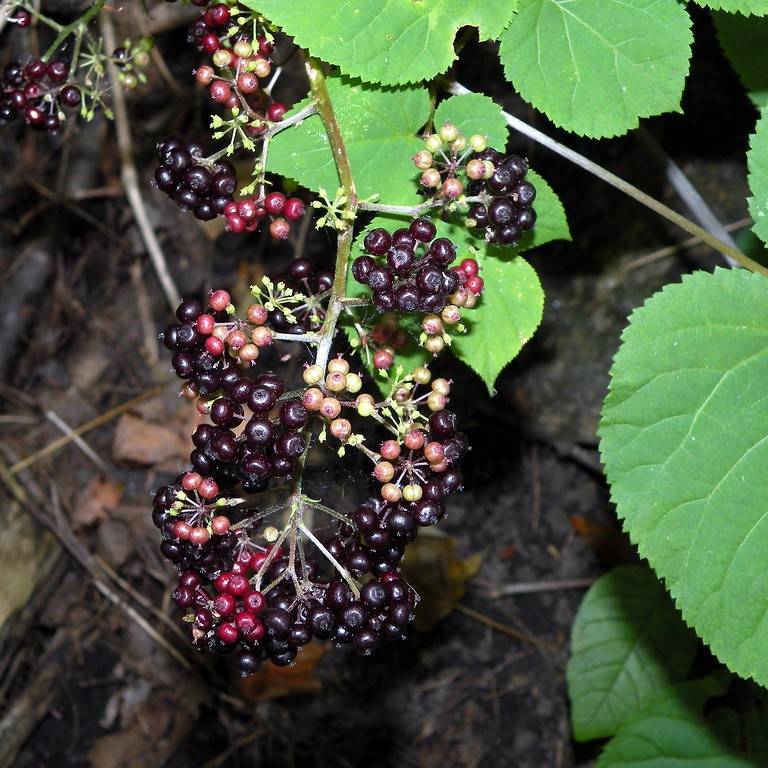
American spikenard
Aralia racemosa
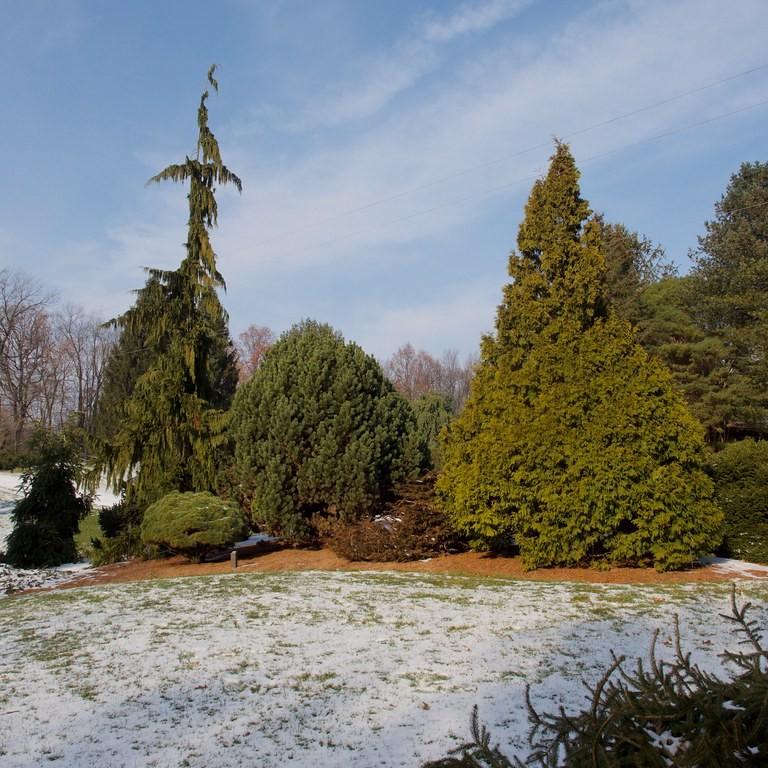
balsam fir
Abies balsamea 'Nana'
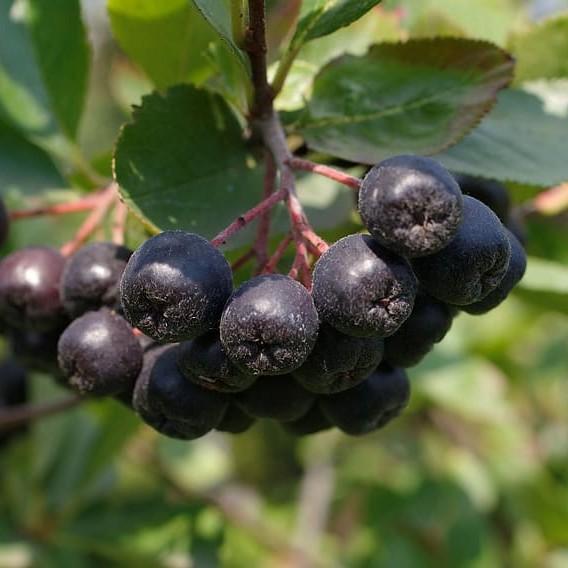
black chokeberry
Aronia melanocarpa 'Ground Hug'
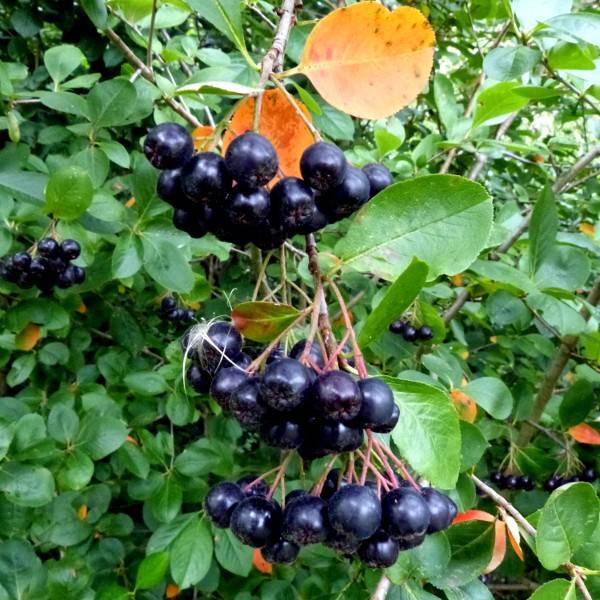
black chokeberry
Aronia melanocarpa 'UCONNAM165' LOW SCAPE MOUND
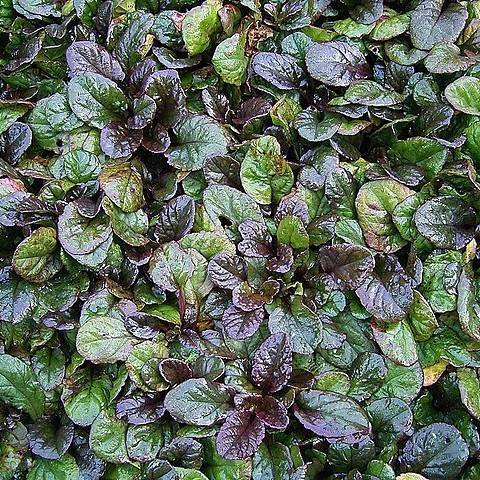
bugleweed
Ajuga reptans 'Atropurpurea'
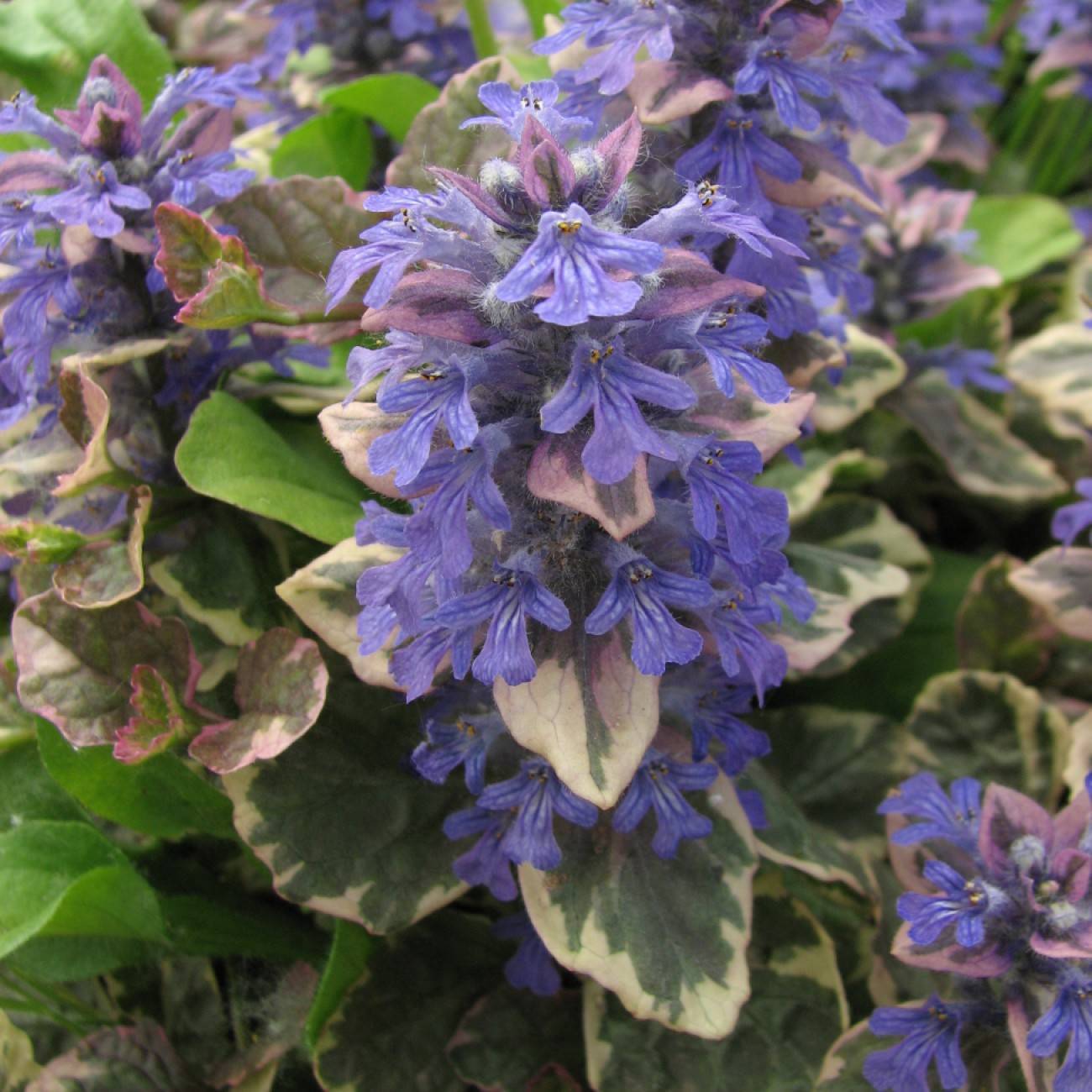
bugleweed
Ajuga reptans 'Burgundy Glow'
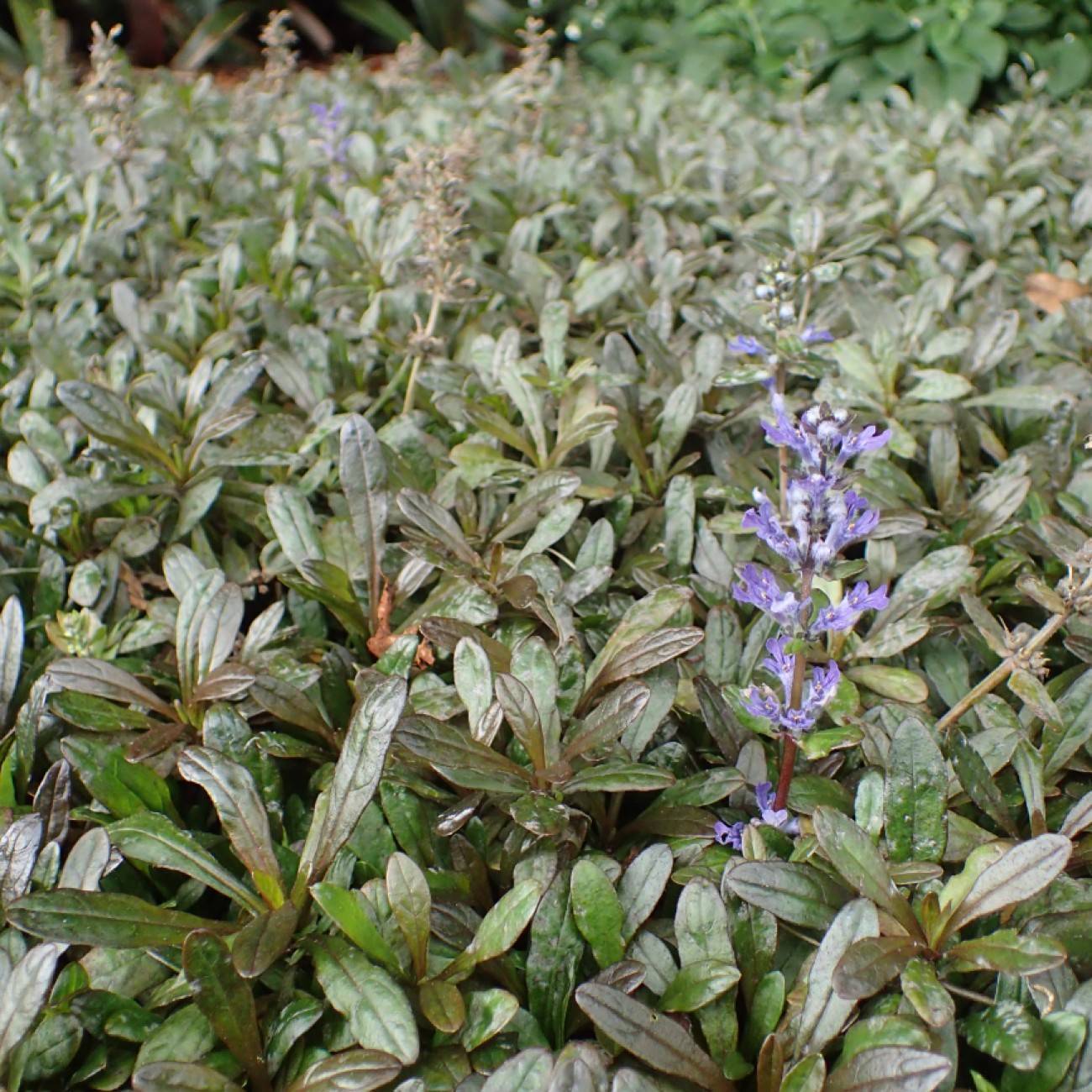
bugleweed
Ajuga reptans 'Dixie Chip'
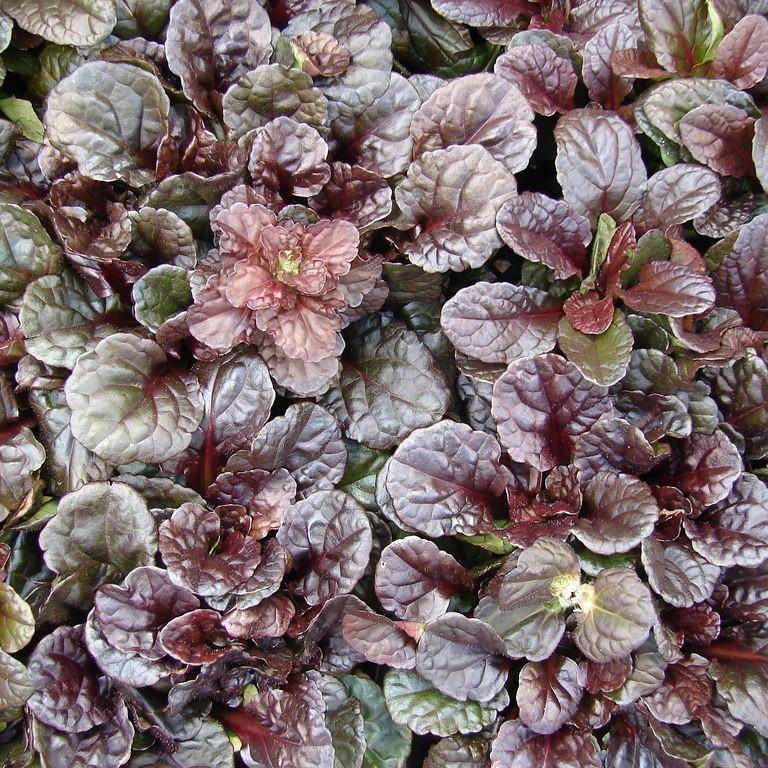
bugleweed
Ajuga reptans 'Mahogany'