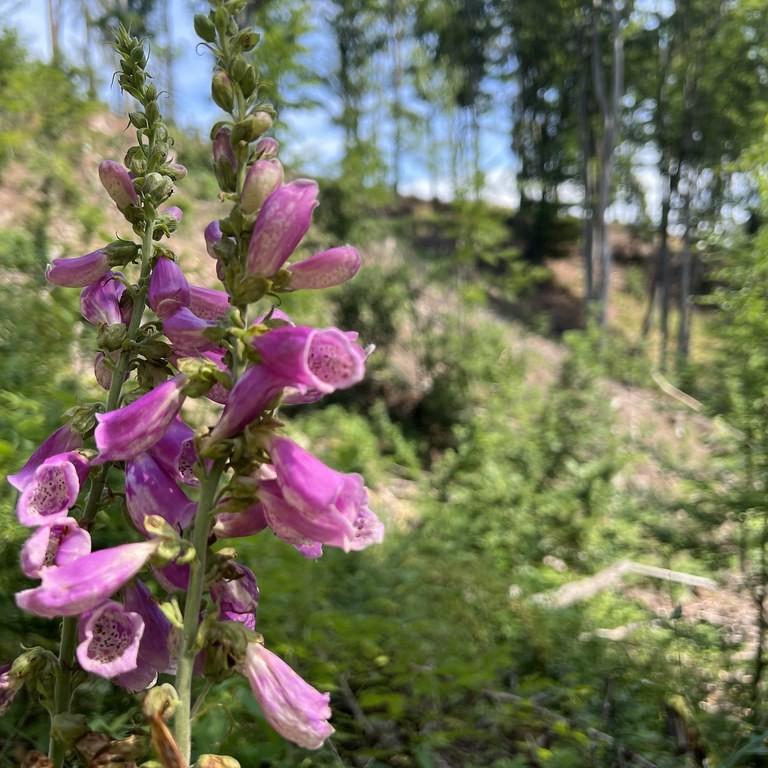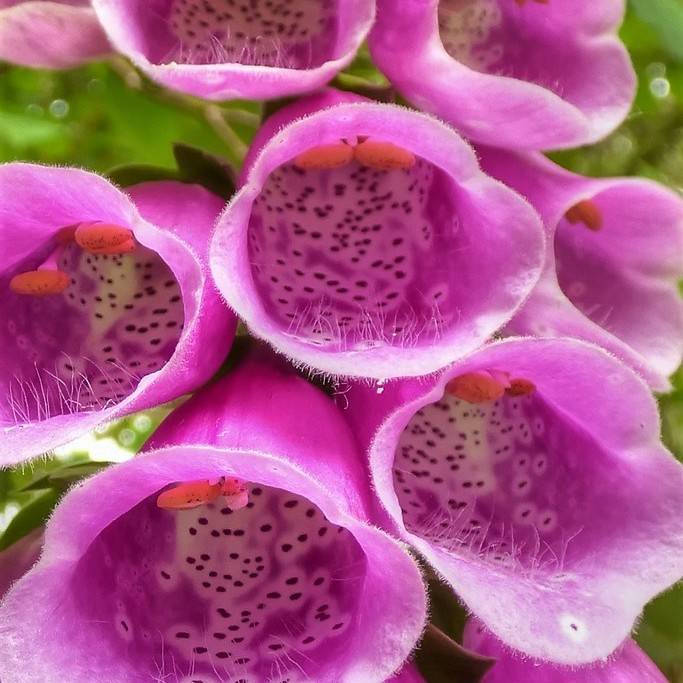
common foxglove
Digitalis purpurea (Excelsior Group)
Overview
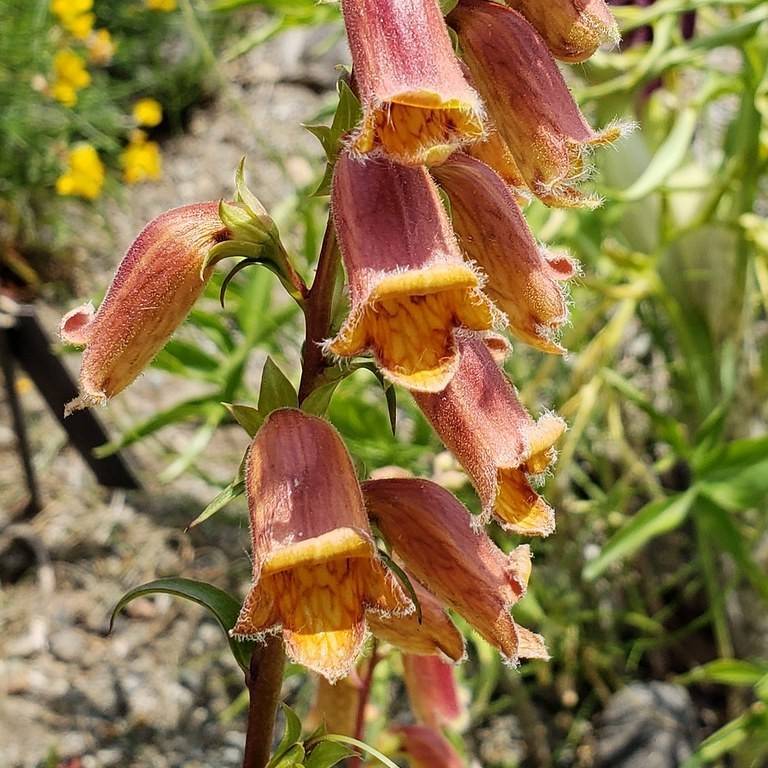
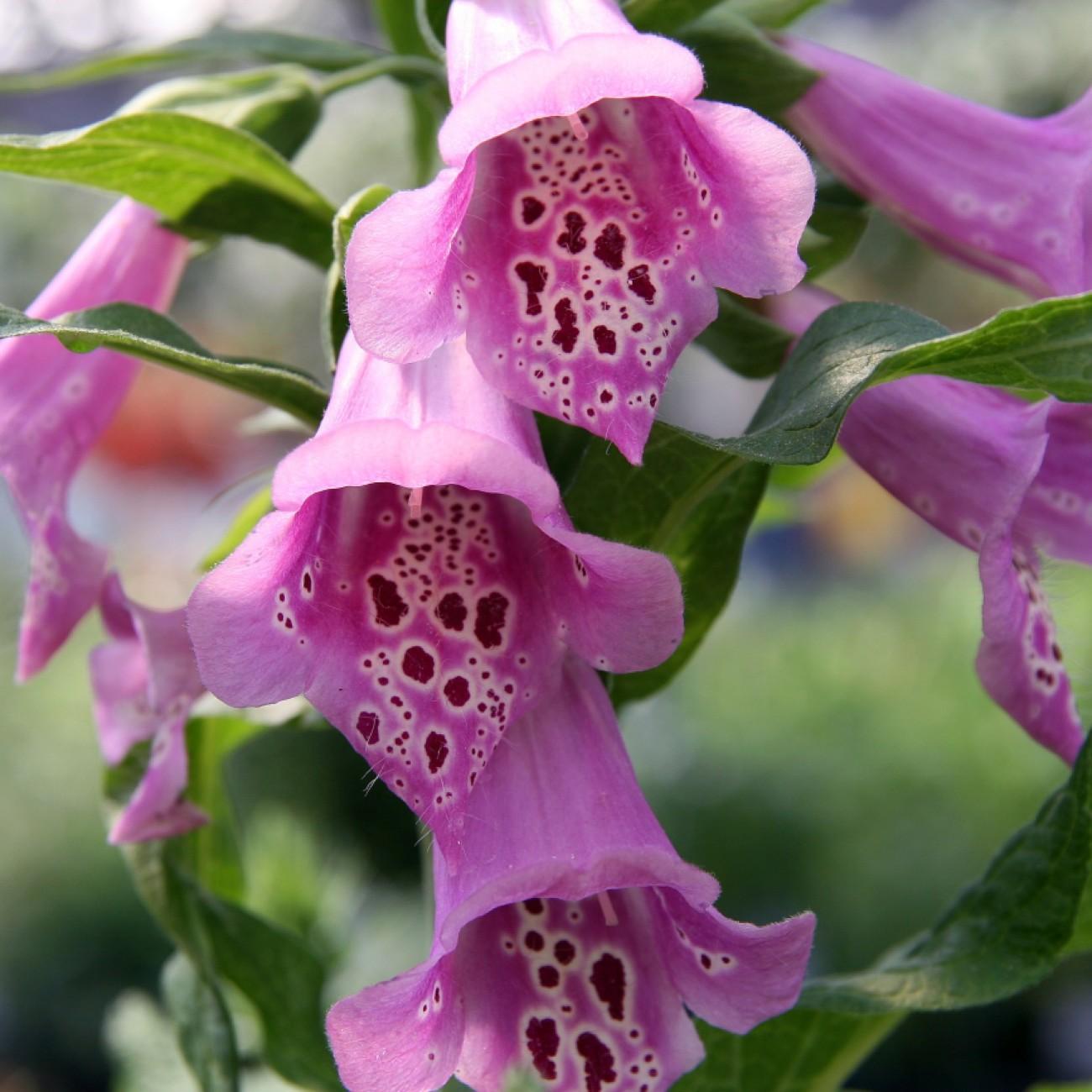
The common foxglove (Digitalis purpurea (Excelsior Group)) is an amazing plant species, that brings much beauty into a garden! It's a biennial, with tall spikes of bell-shaped flowers in shades of pink and white, which are highly attractive to bees and Butterflies. They are also a great source of nectar for our bees and other pollinators. The common foxglove is very resistant to deer and rabbits, making it even better for the Biodiversity in your garden. They are easy plants to look after and will self seed. Their height and spread will ensure a striking architectural feature in any flower bed. If you are looking for a plant with stunning blossoms, that can bring wildlife in your garden and you don't have to look after too much, the common foxglove is the one for you!
Care Guide
Watering
Common foxglove (Digitalis purpurea (Excelsior Group)) should be watered most days during the actively growing season - from late Spring to early Fall. The soil should be kept slightly moist, but not soggy. Water thoroughly whenever the top inch of soil feels dry to the touch. During the hottest part of Summer, water more often to prevent the soil from drying out completely. In cooler temperatures, reduce the frequency of watering slightly. During the Winter, reduce the amount of water given to allow the plant to go dormant.
Light
Common foxglove (Digitalis purpurea (Excelsior Group)) thrives best in full sun to partial shade. In partial shade or along the edges of full sun, the plant will often produce more flowers. A minimum of 4 hours of direct sunlight per day is ideal for this species, with as much as 8 hours a day being ideal in areas with plenty of bright sunlight. Avoid putting it in areas of deep shade, as this will reduce flowering in the plant.
Soil
Humus rich, Well-drained
Temperature
Hardiness zone 4–8.
Pruning
Common foxglove (Digitalis purpurea (Excelsior Group) should be pruned heavily in late spring (May or June), while the plant is still in its vegetative (growth) stage. This can be done by cutting the stem of the plant back to 8-12 inches from the base. This will help to encourage the production of new side and stems while also keeping the plant in a manageable range. It is important not to prune too much, as this can reduce the amount of flowers produced. Removing dead stems, seed heads and any other damaged material in the late winter is also a good idea.
Propagation
Seed Propagation
Uses & Symbolism
Attracts: Hummingbirds.
Diseases & Pests
Common pests: Deer resistant, Rabbit resistant, Drought resistant.
Related plants
Other plants you might like if you grow common foxglove.