common foxglove
Digitalis purpurea (Foxy Group)
Overview
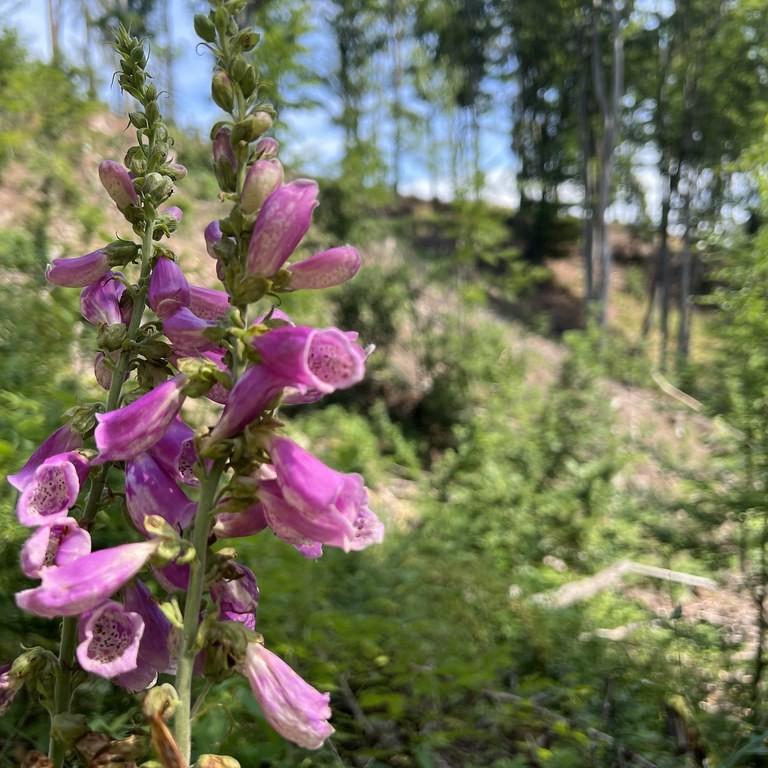
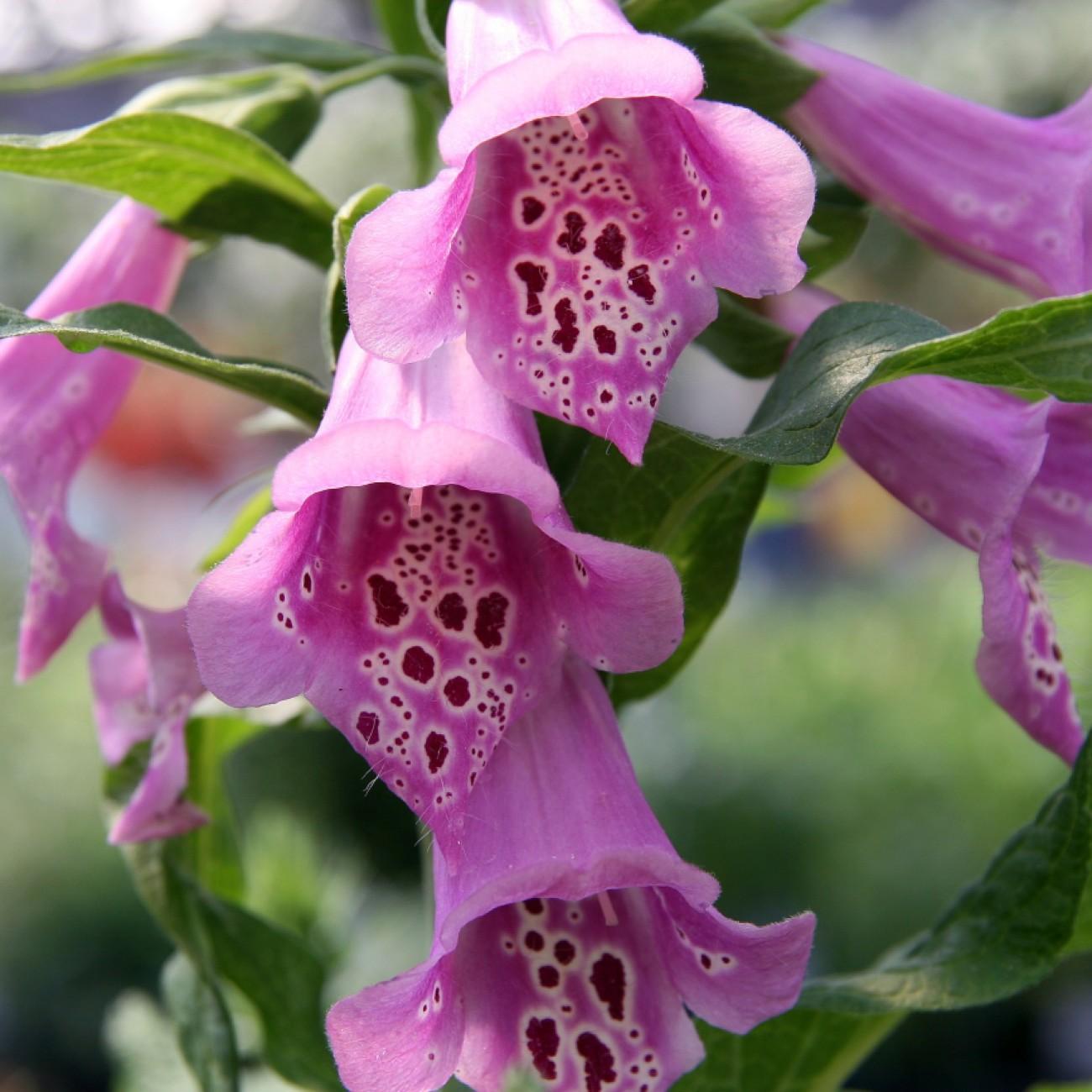
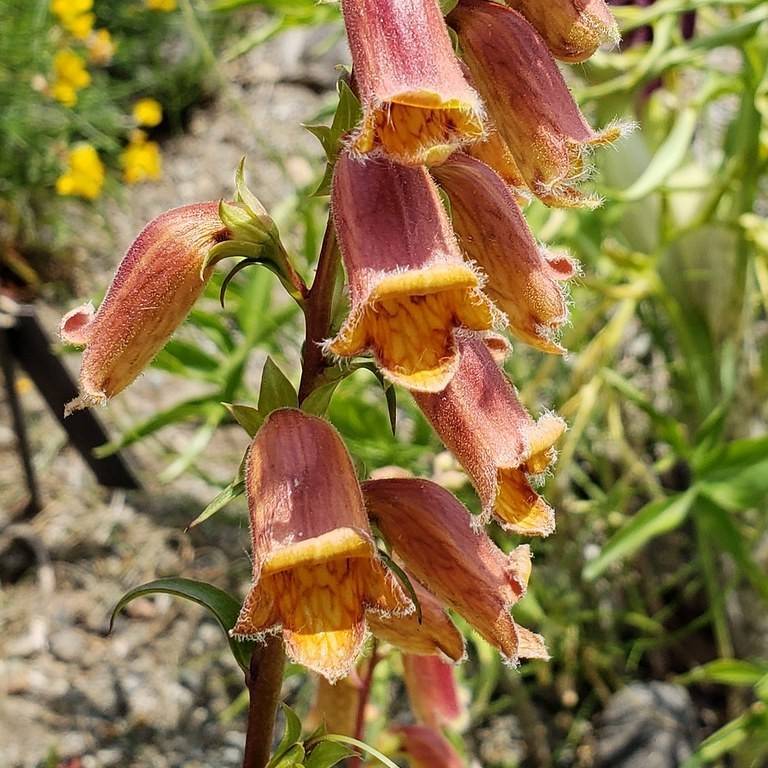
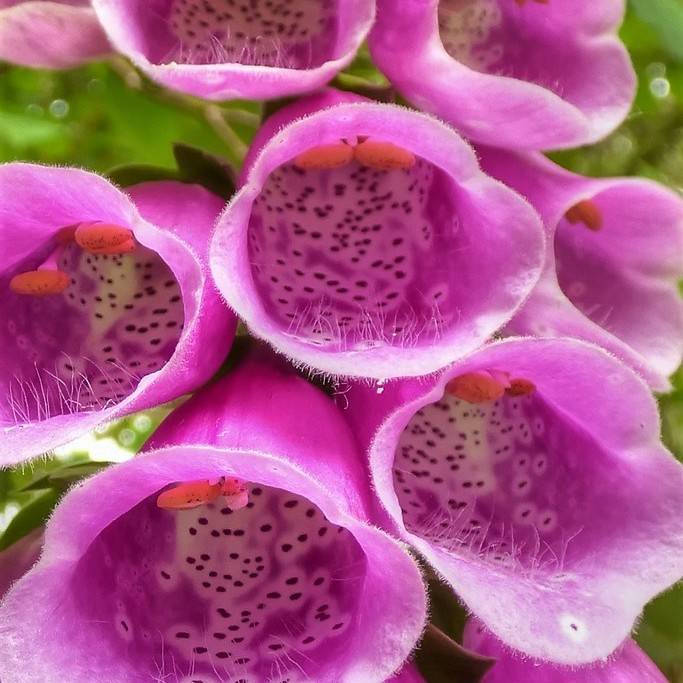
The common foxglove, scientifically known as Digitalis purpurea (Foxy Group), is truly a sight to behold! With its erect, drooping spikes of bright, colourful blossoms, it is one of the most striking plants you will ever find. Its sweet scent and vivid colours attract a variety of bees, birds and other pollinators, making it a wonderful addition to any garden. It also has a number of medicinal applications, and has been used for centuries as a treatment for various heart ailments. It is easy to grow, drought tolerant, and low maintenance, and is a great addition to any garden. With its beautiful blooms and a variety of uses, the common foxglove surely deserves its place in any garden.
Care Guide
Watering
Foxgloves grow best in moist, well-drained soil and prefer partial shade. As such, they should be watered regularly but lightly to prevent waterlogging. The soil should be kept evenly moist but not wet. Water when the top inch of soil is dry, and water plants thoroughly until water is coming out of the drainage holes. This should be about once a week in the growing season. In the winter, water the plant much less, as it is dormant. It can survive with only a light misting in its dormant period.
Light
Common foxglove (Digitalis purpurea (Foxy Group)) plants thrive best when given direct sunlight for the majority of the day. This species of plant prefers 6 to 8 hours of sunlight every day. It can also tolerate partial shade during part of the day. For best growth, give the plant at least 4 or 5 hours of direct sunlight and then light shade the remaining hours. To achieve maximum blooms, full, direct sunlight should be given throughout the day.
Soil
Humus rich, Well-drained
Temperature
Hardiness zone 4–8.
Pruning
Pruning for the common foxglove (Digitalis purpurea) should take place shortly after the plant has finished flowering, usually during late summer or early autumn. Generally, late summer pruning will still allow for good flowering the following year. Prune up to 1-third of the plant, removing stems close to the base and removing dead branches and stems. Doing so promotes good air circulation and improves the overall shape and health of the plant. Don't prune too heavily as foxglove may not flower as profusely the following year. In addition, you can deadhead (remove faded flowers) regularly throughout the growing season. This encourages the plant to produce more blooms and prevents it from self-seeding. To deadhead foxglove, simply remove the flower heads or dead or damaged stems.
Propagation
Seed Propagation
Uses & Symbolism
Attracts: Hummingbirds.
Diseases & Pests
Common pests: Deer resistant, Rabbit resistant, Drought resistant.
Related plants
Other plants you might like if you grow common foxglove.