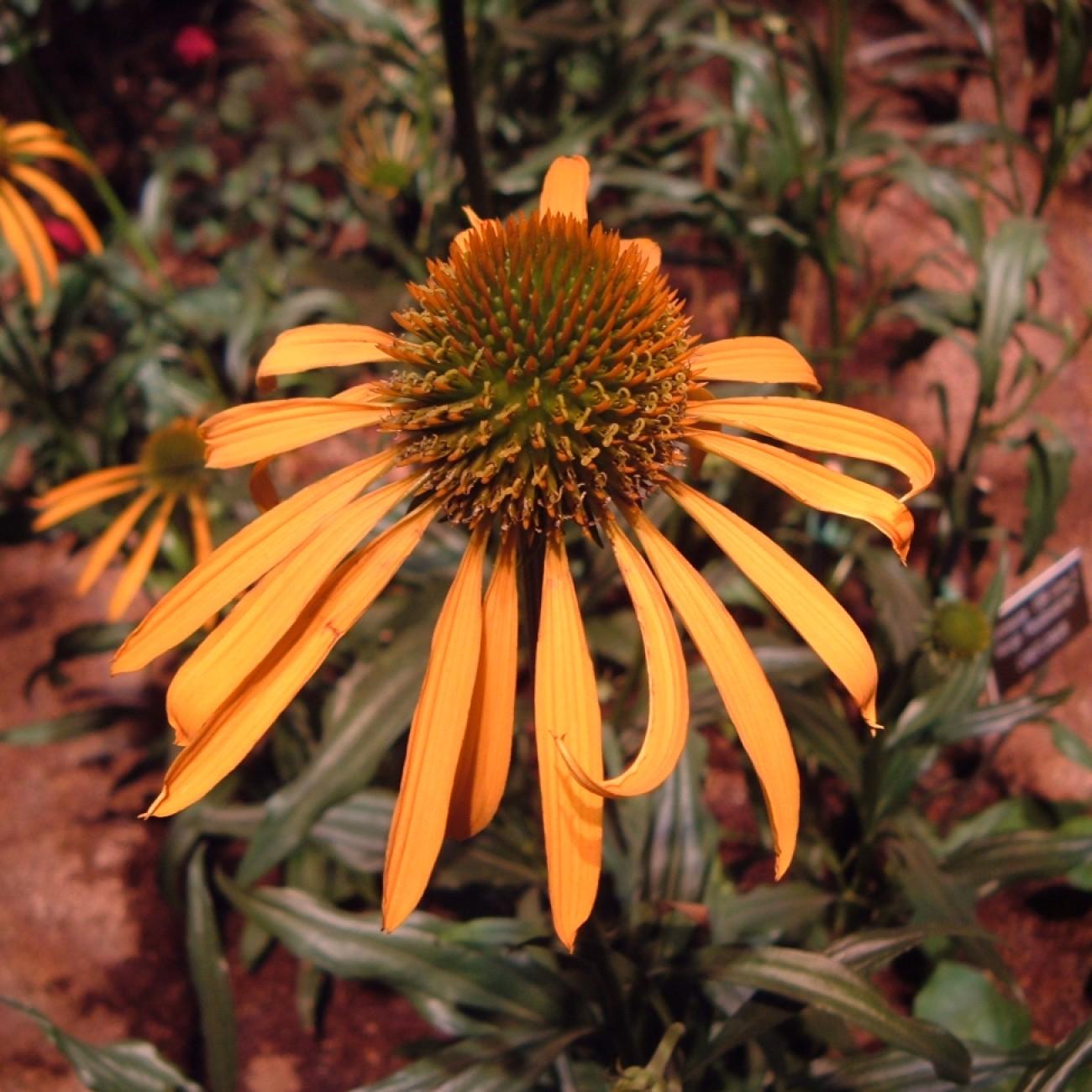
coneflower
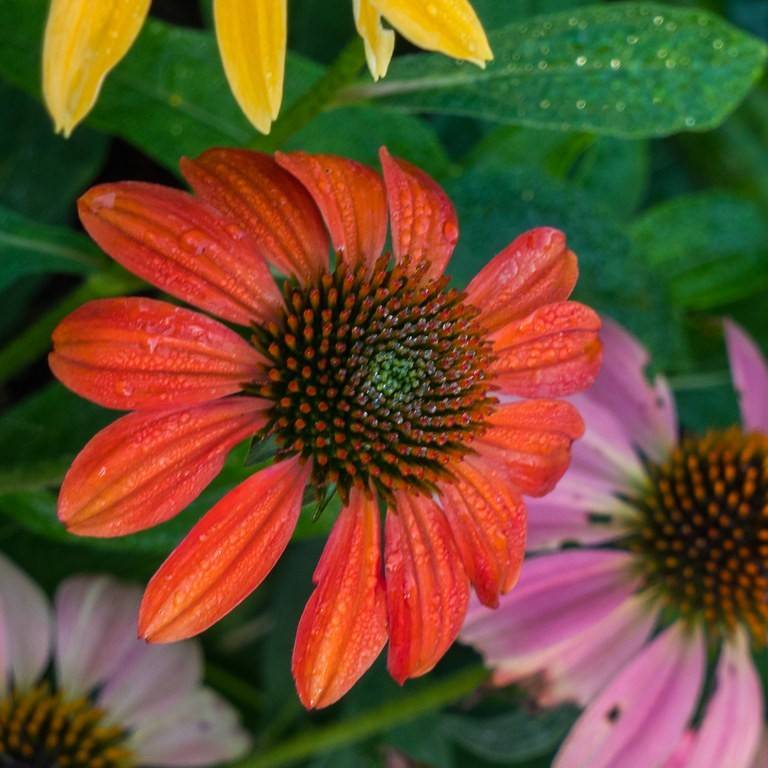
Echinacea 'Art's Pride' ORANGE MEADOWBRITE
Overview
The Coneflower, Echinacea 'Art's Pride' ORANGE MEADOWBRITE, is an amazing species that will bring life and beauty to any garden. Its intensely bright orange petals are sure to bring a cheery burst of color all summer long. The reliably hardy perennial is also low maintenance, requiring very minimal care to thrive. It's also appealing to a variety of beneficial pollinators, such as bees, butterflies, and hummingbirds, making it an essential part of any garden. A clump-forming species, it spreads rapidy to form impressive drifts of color, making it perfect for naturalizing or edging a meadow. A true show-stopper and garden highlight, the Coneflower is an easy-going perennial that will add color and life to your outdoor space.
Care Guide
Watering
The Echinacea 'Art's Pride' ORANGE MEADOWBRITE coneflower needs to be thoroughly watered 2-3 times per week in the summer, spring and fall. When watering, be sure to saturate the soil to a depth of 6-7 inches, allowing for water runoff at the end. During the winter, water the coneflower once per week, ensuring the soil is wet enough to reach a depth of 4-5 inches. Be sure to keep the base of the plant dry while watering.
Light
Coneflower (Echinacea 'Art's Pride' ORANGE MEADOWBRITE) requires full sunlight for best growth. If planted in a location that gets more than 6 hours of full sun per day, then the flowers will be the most vibrant. Coneflower should be planted in late spring to early summer when the temperatures are above 55F and all danger of frost has passed. Morning sun is best for flowers, but the plant can tolerate some afternoon shade.
Temperature
Hardiness zone 3–8.
Pruning
Coneflower (Echinacea 'Art's Pride' ORANGE MEADOWBRITE) should be pruned in late spring or early summer, after flowering is complete. Pruning at this time will help ensure improved bloom production and branch structuring the following season. Start by removing any damaged, dead, or diseased canes, along with any crossed branches or suckers. Then cut the larger stems back to the base of the main plant, and where possible, cut back remaining canes to a height of 2 thirds of the foliage. This will encourage the remaining foliage to produce new canes, which will result in more blooms next season. Lastly, cut all canes to an upturned slope for better dispersion of rain water and good air circulation. Summer pruning helps cone flowers produce stronger, more full foliage the following year—which allows them to produce more flowers.
Propagation
Division, Root Cutting, Seed Propagation, Layering Propagation
Uses & Symbolism
Attracts: Birds, Butterflies.
Related plants
Other plants you might like if you grow coneflower.
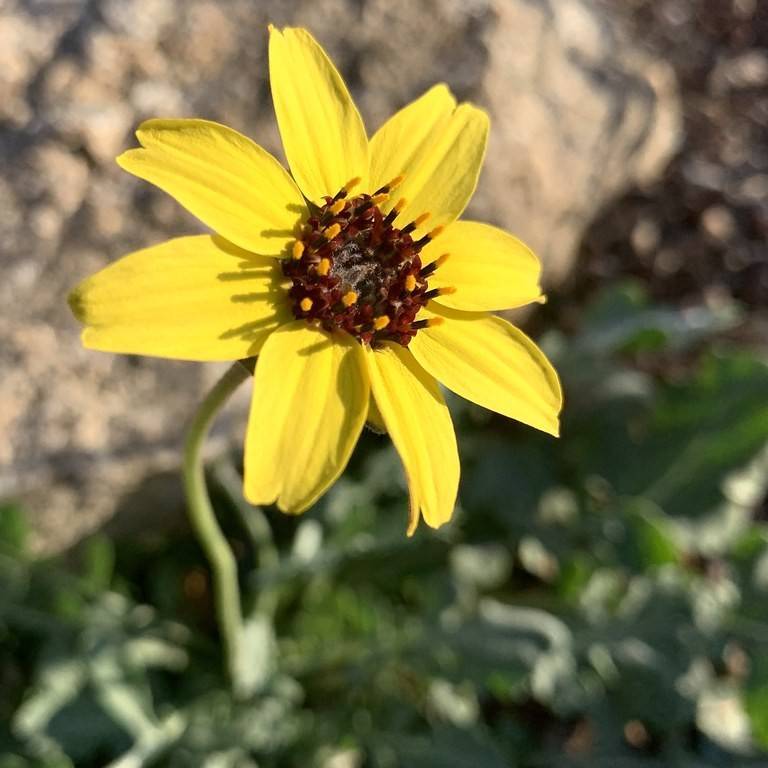
chocolate flower
Berlandiera lyrata
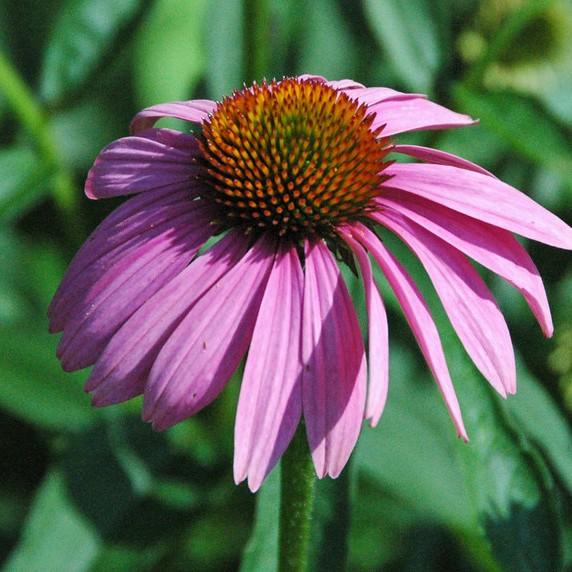
coneflower
Echinacea 'Adam Saul' CRAZY PINK
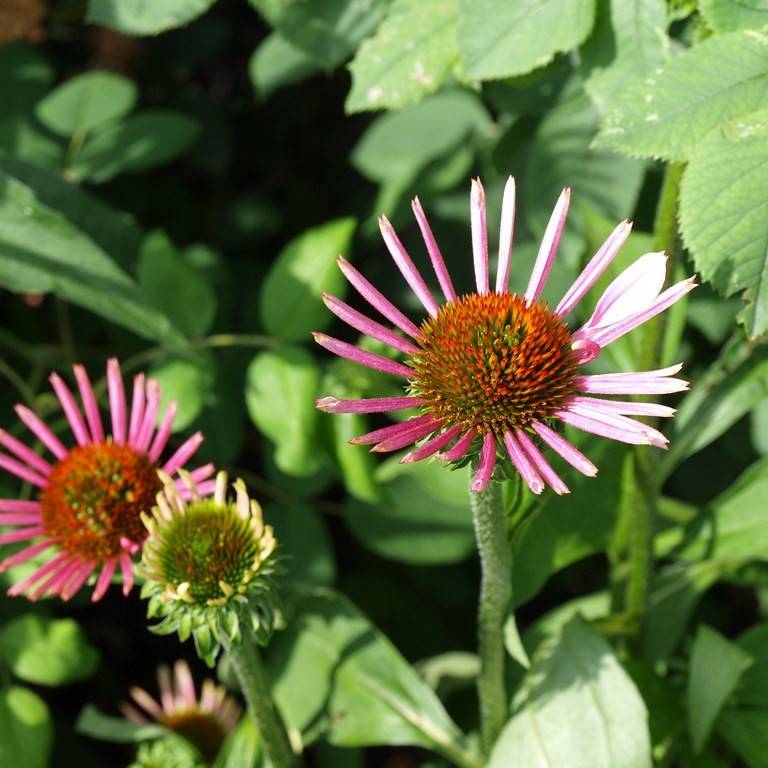
coneflower
Echinacea 'All that Jazz'
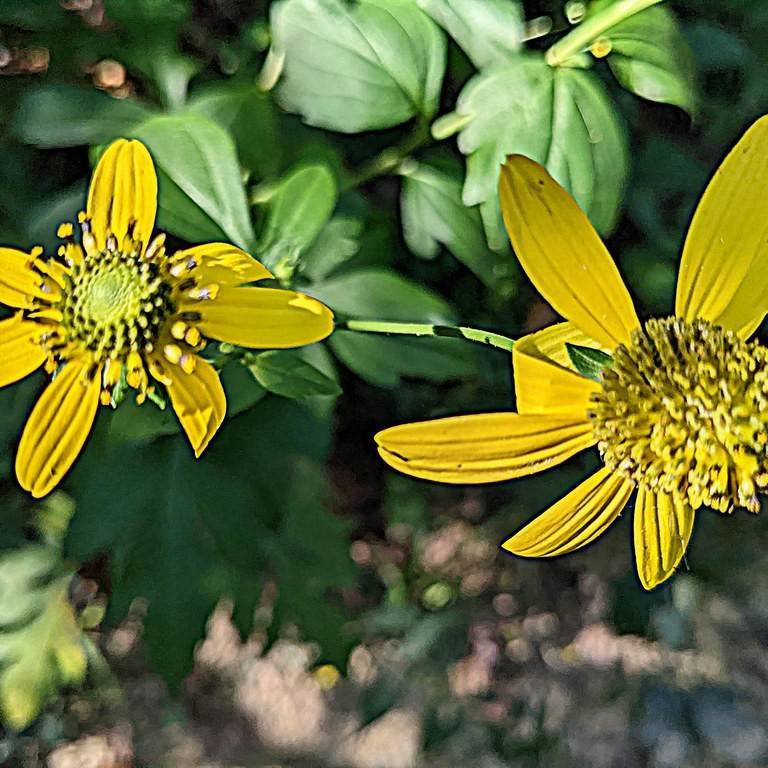
coneflower
Echinacea 'Balsomsolst' SOMBRERO SUMMER SOLSTICE
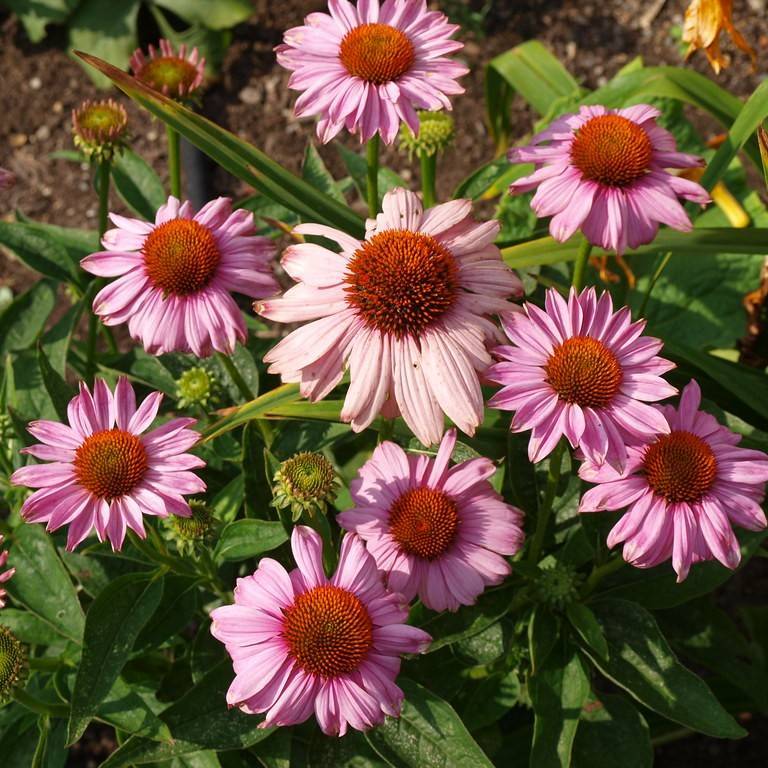
coneflower
Echinacea 'Bravado'
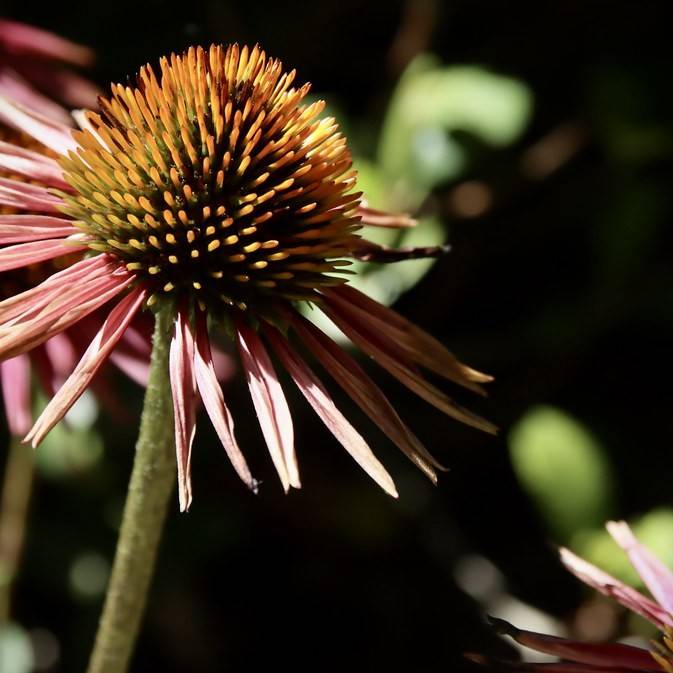
coneflower
Echinacea BURGUNDY FIREWORKS
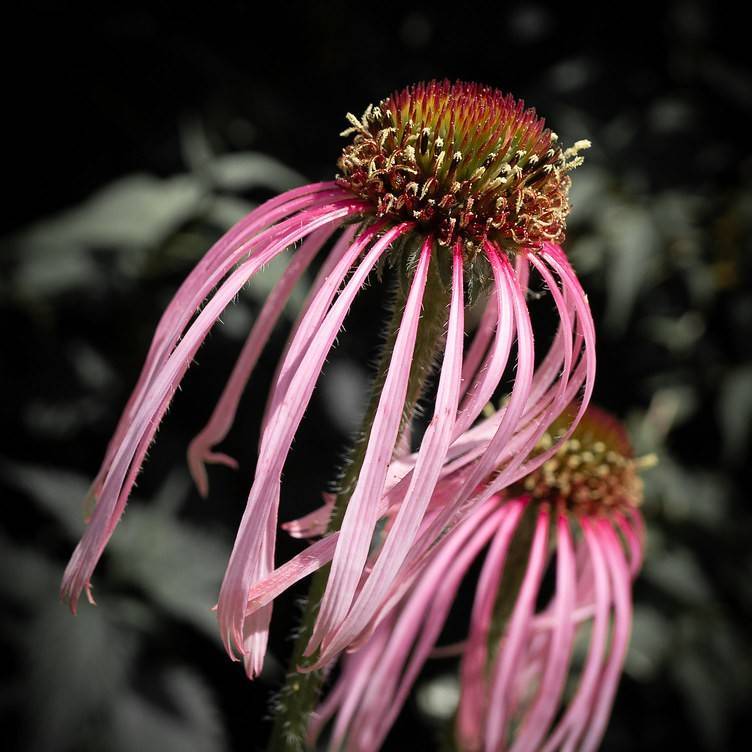
coneflower
Echinacea 'CBG Cone 2' PIXIE MEADOWBRITE
coneflower
Echinacea 'Cheyenne Spirit'