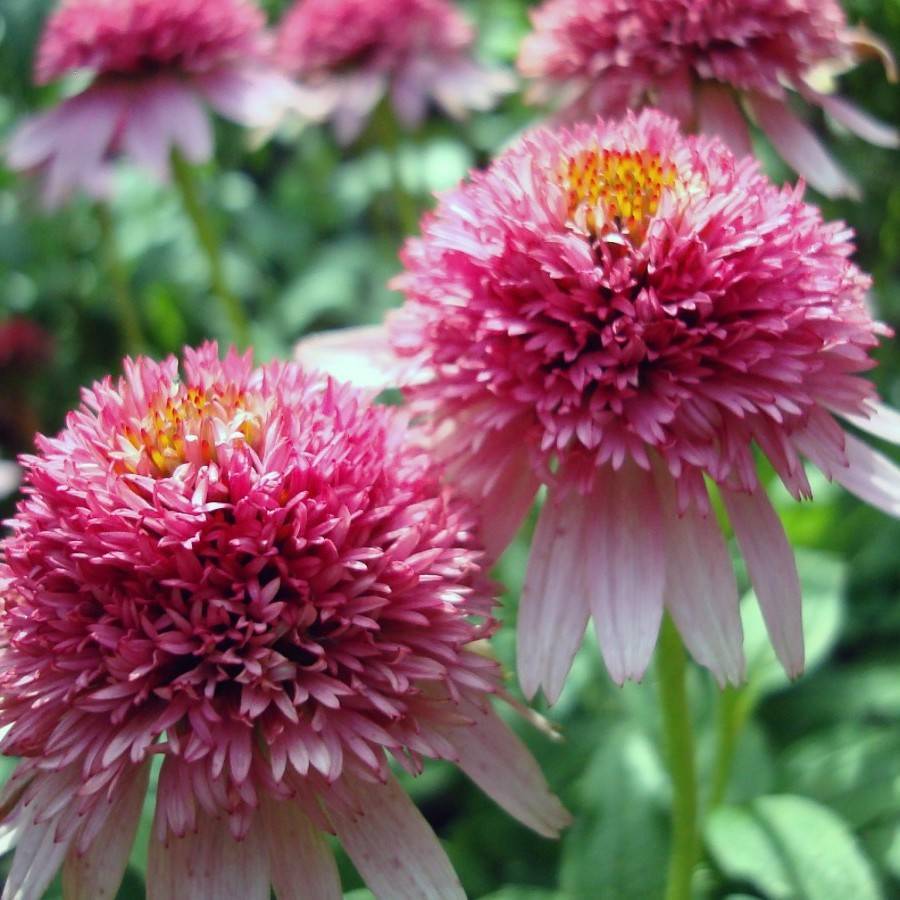
coneflower
Echinacea purpurea 'Pink Poodle'
Overview
Coneflower (Echinacea purpurea 'Pink Poodle') is a stunning perennial that is a sight to behold. Dressed in stunning pink, purple, and white petals, it's the perfect addition to any garden. Not only is it beautiful, the cone-shaped flower is also incredibly resilient and drought-tolerant, making it an ideal choice for warmer climates and well-drained soils. It also attracts butterflies and is easy to care for, needing only occasional deadheading and trimming to keep it looking its best. The 'Pink Poodle' variety is a true delight to behold and is sure to be the envy of the neighborhood.
Care Guide
Watering
Coneflower prefers well-drained soil and full sun, and should be watered moderately when the top 2 inches of soil or potting mix is dry. Make sure to avoid over-watering, as the plant may become susceptible to root rot if the soil becomes soggy. During summer, water once or twice a week; in winter, water around once a month or less.
Light
Coneflower (Echinacea purpurea 'Pink Poodle') prefers full sun, though it will tolerate some light shade. For this plant to reach its full potential, it should get at least 6–8 hours of sunlight each day. This species of flower thrives in hot, dry climates, so it’s best to place it in a spot that receives uninterrupted sunlight. It also benefits from morning sunlight, as the temperature is cooler and there is enough light for photosynthesis without the intense heat of the afternoon sun. In the summer, if placed in an area that gets too hot, it might suffer from scorching leaves. In winter, locate the plant in a spot that is sheltered from strong winds.
Soil
Sandy Loamy Clay Rocky
Temperature
Hardiness zone 3–8.
Pruning
The best time to prune 'Pink Poodle' Coneflower is in late summer or fall either before or after a hard frost. It is important to trim off any dead flower heads and leave the foliage intact. Pruning too early or too late can reduce flowering the following year. Remove dead or diseased stems, and then lightly prune the entire plant. Pinch back the flowering stems with 2 fingers just above a leaf node to encourage some branching, which will create more flowers. The general rule of thumb is to take off no more than 1-third of the plant’s foliage.
Propagation
Seed Propagation
Uses & Symbolism
Attracts: Birds, Butterflies.
Diseases & Pests
Common pests: Leaf miner insect, Pest resistant, Disease resistant, Drought resistant .
Related plants
Other plants you might like if you grow coneflower.
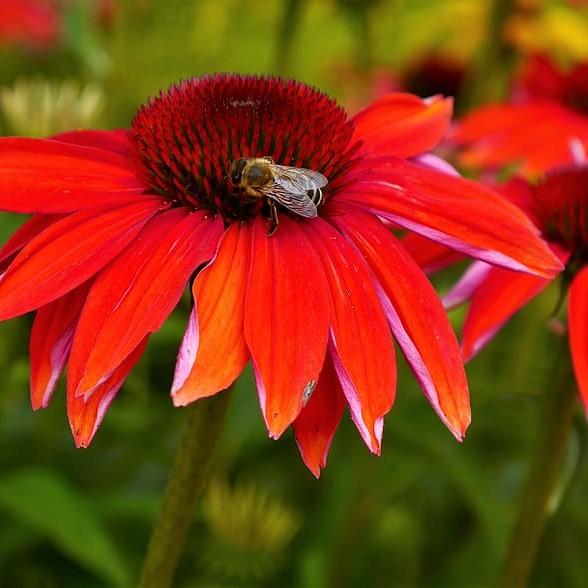
coneflower
Echinacea purpurea 'Balsomsed' SOMBRERO SALSA RED
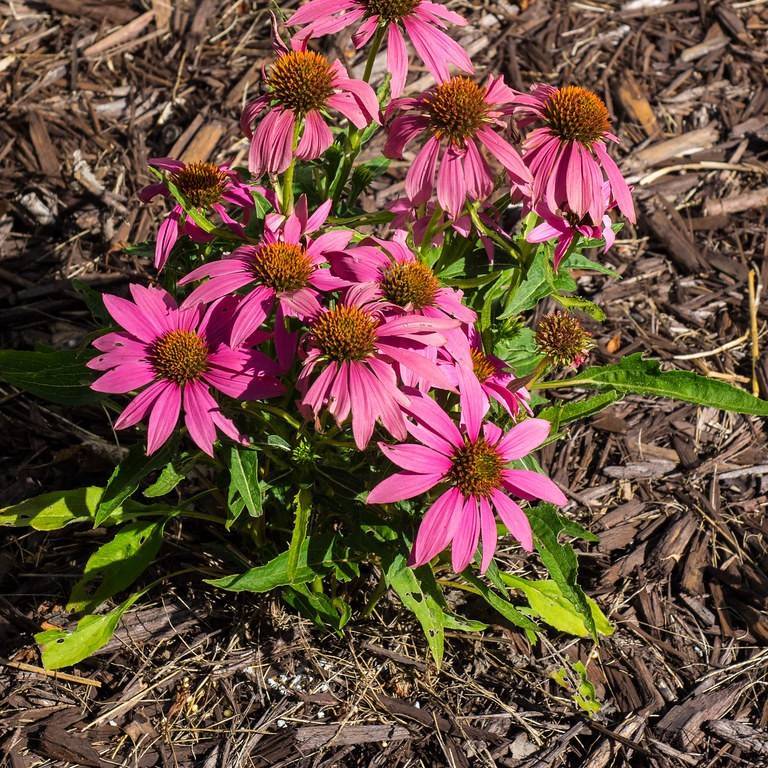
coneflower
Echinacea purpurea 'Pas702917' POWWOW WILD BERRY
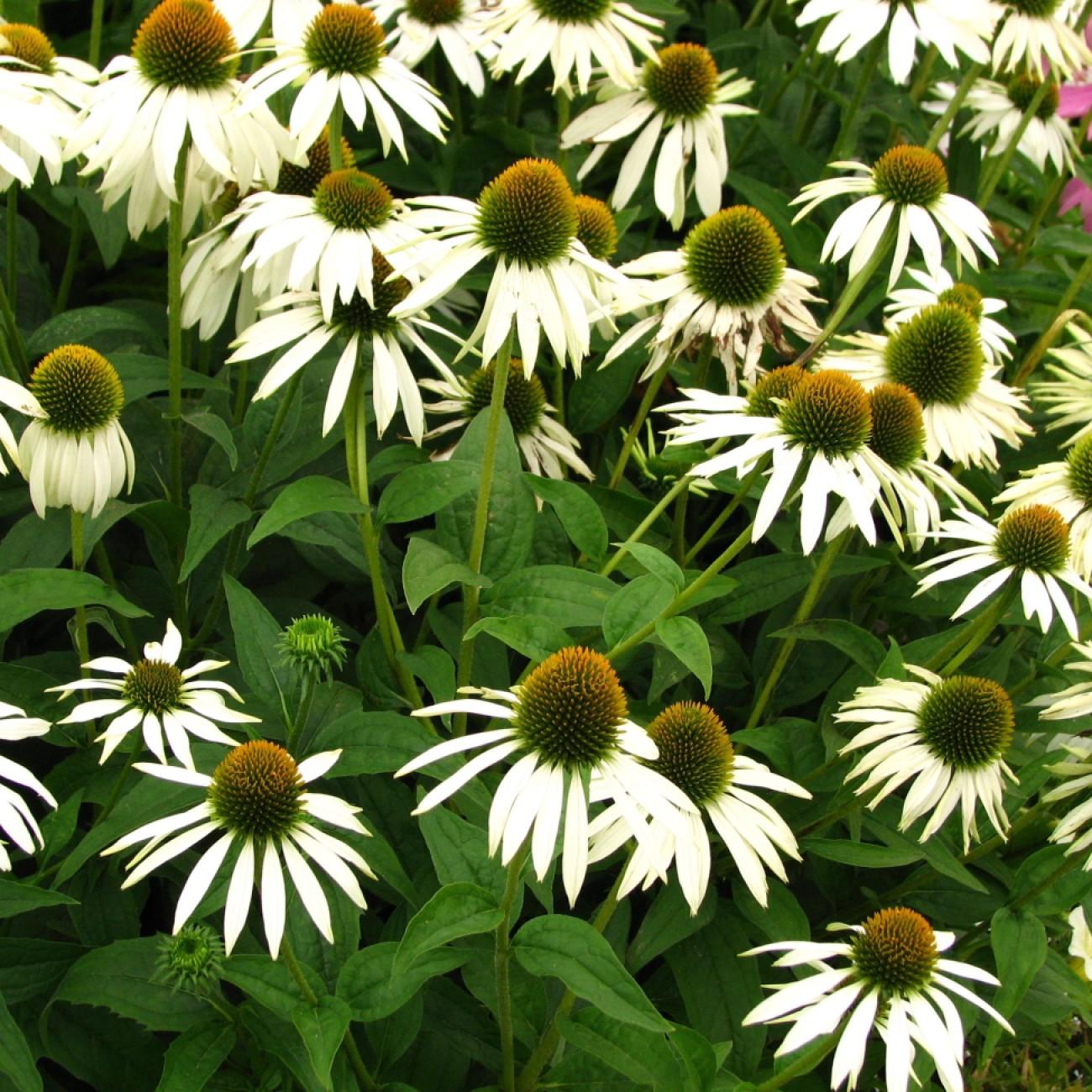
coneflower
Echinacea purpurea 'Primadonna White'
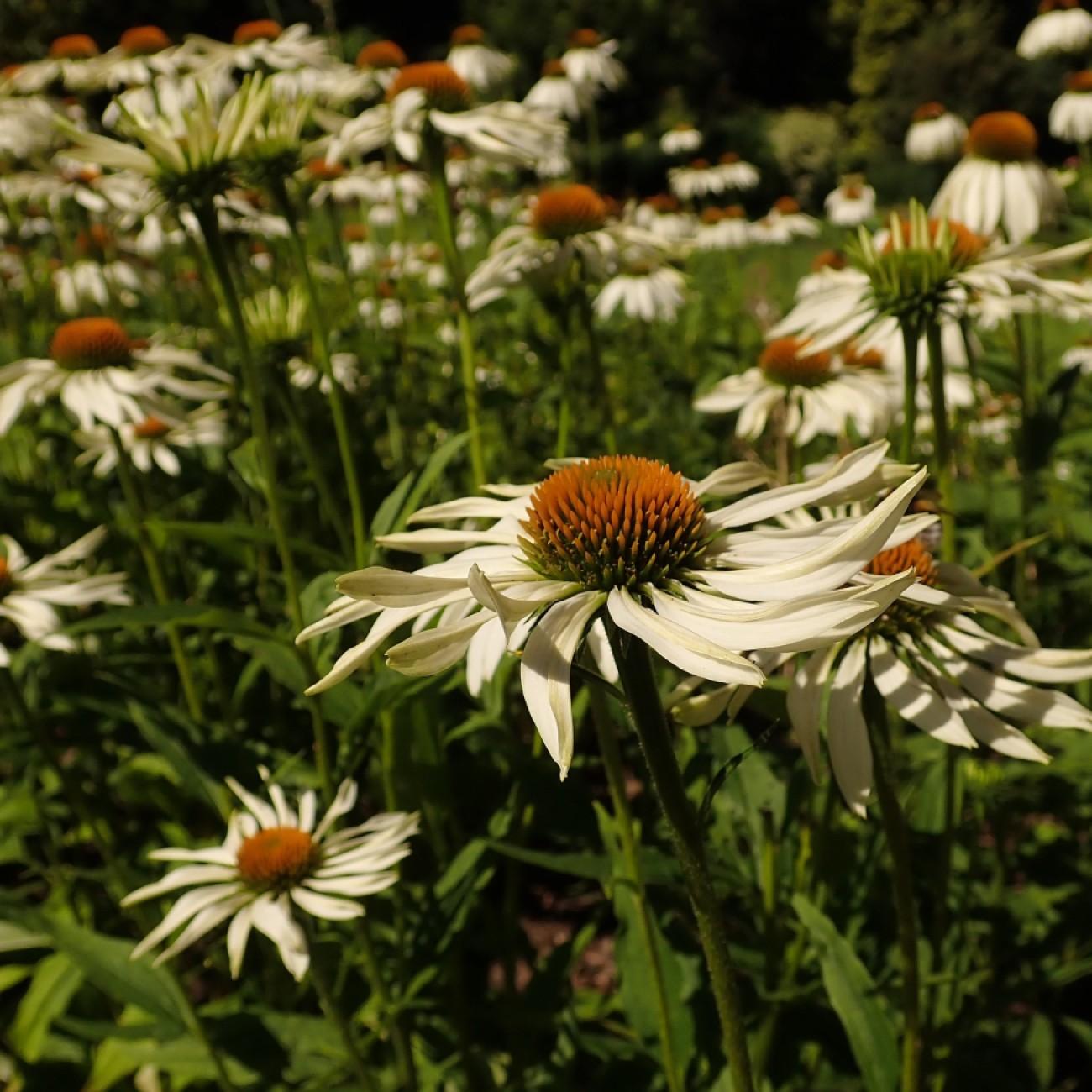
coneflower
Echinacea purpurea 'Purity'
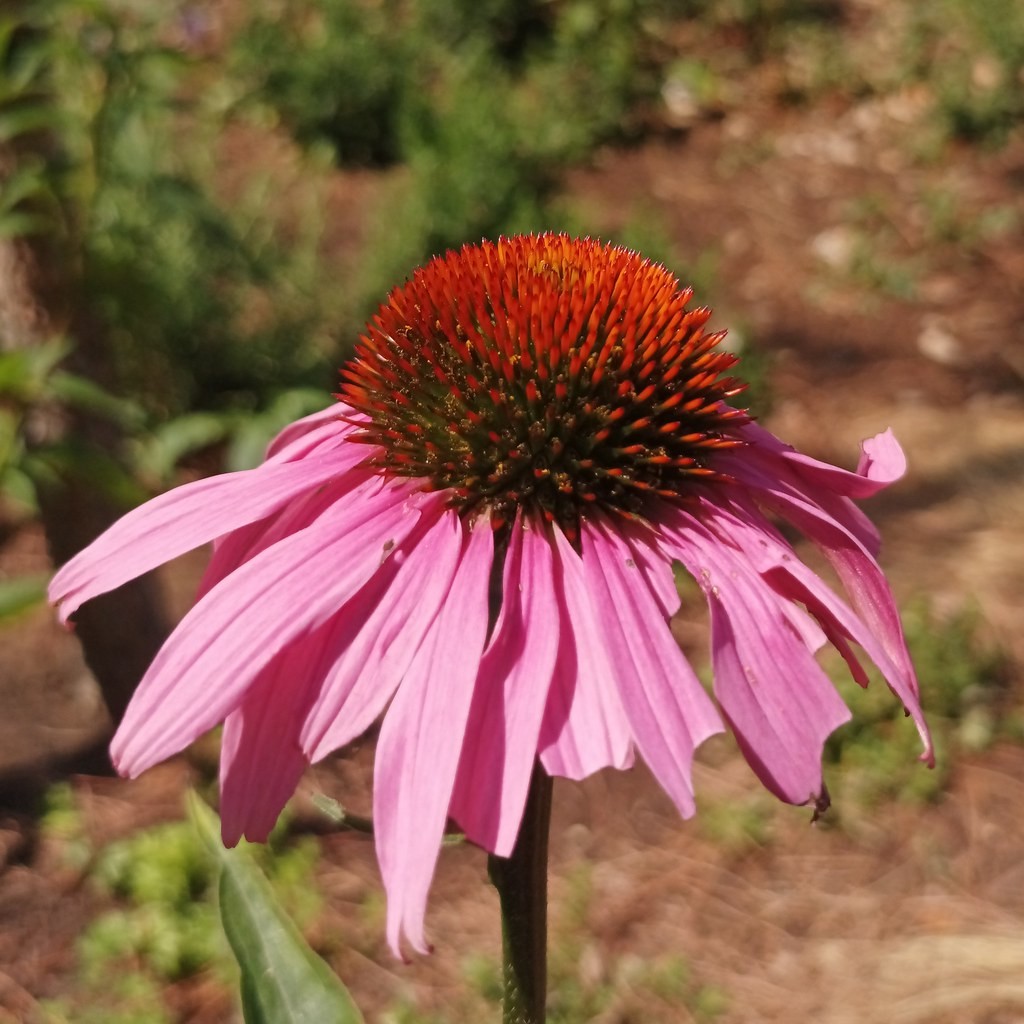
purple coneflower
Echinacea purpurea
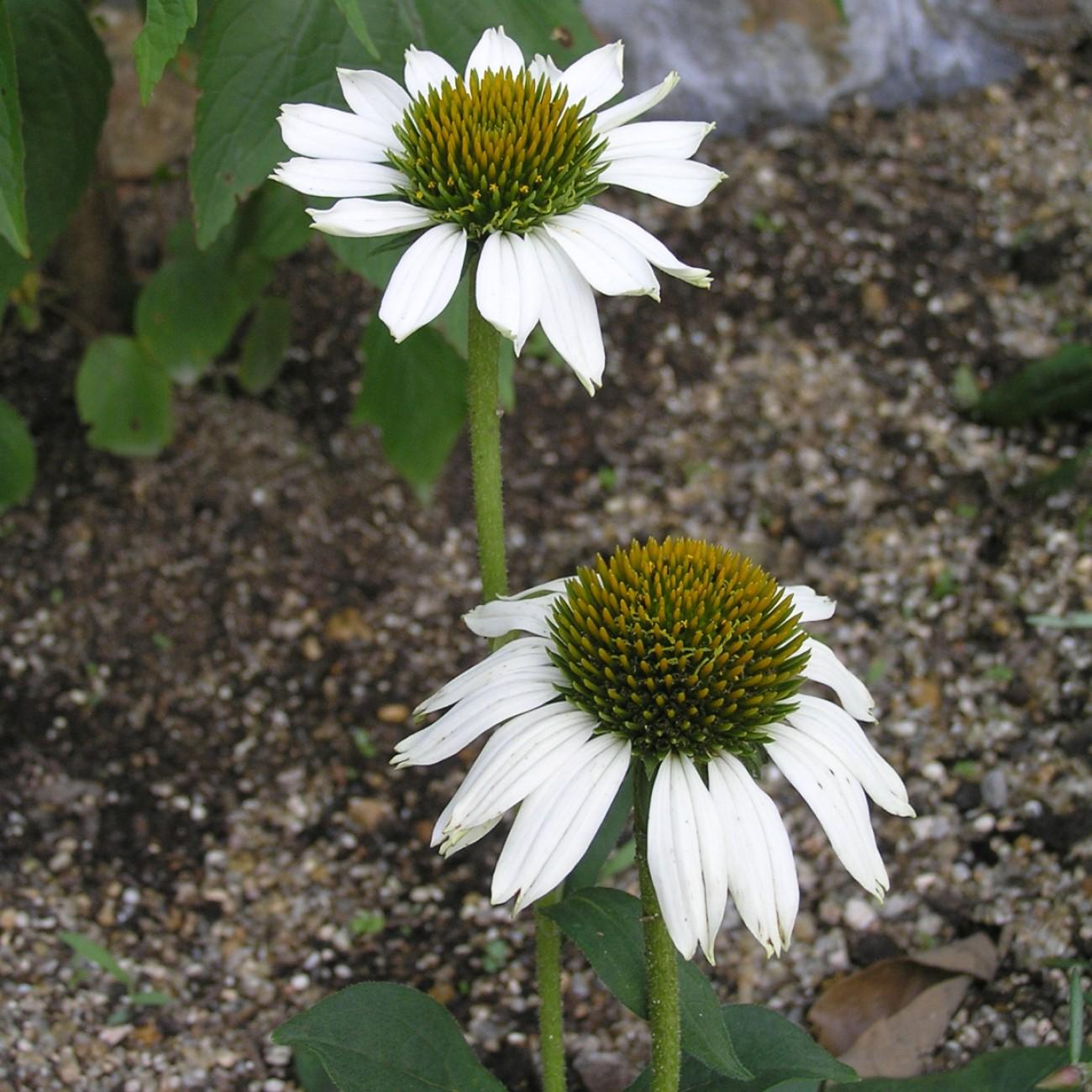
purple coneflower
Echinacea purpurea 'Amado'
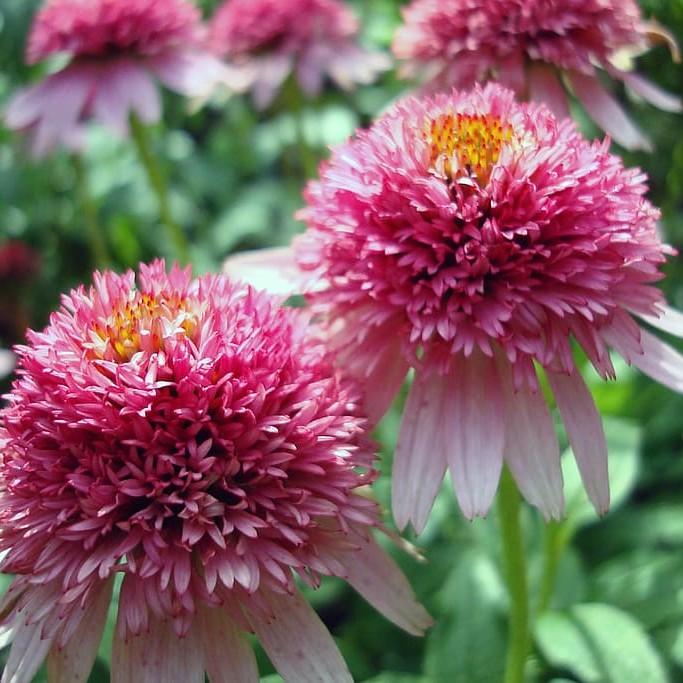
purple coneflower
Echinacea purpurea 'Butterfly Kisses'
purple coneflower
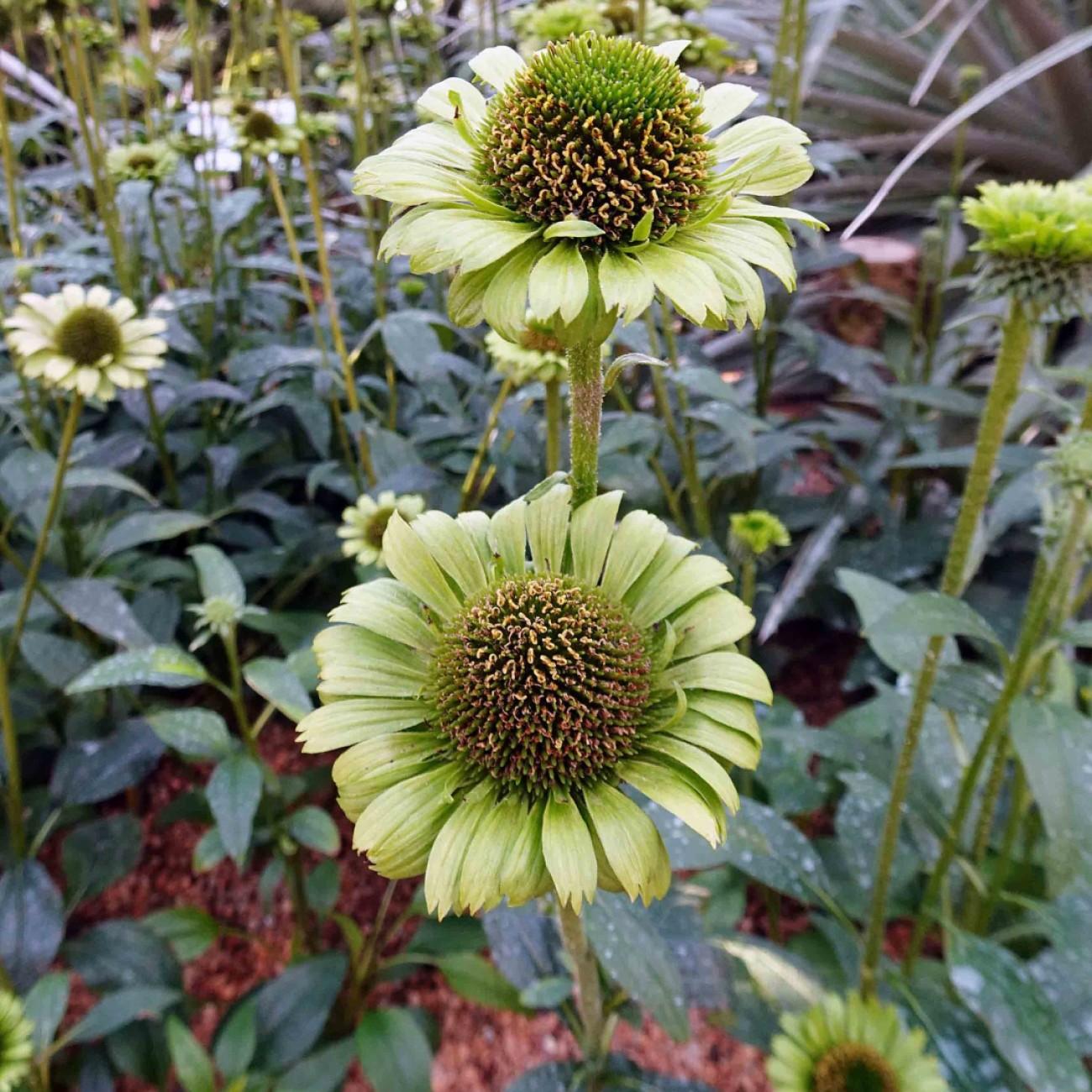
Echinacea purpurea 'Coconut Lime'