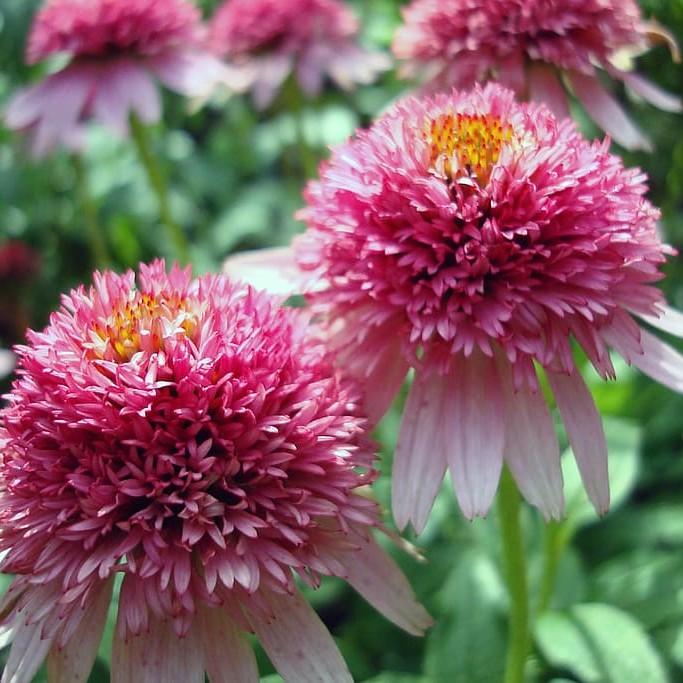
purple coneflower
Echinacea purpurea 'Butterfly Kisses'
Overview
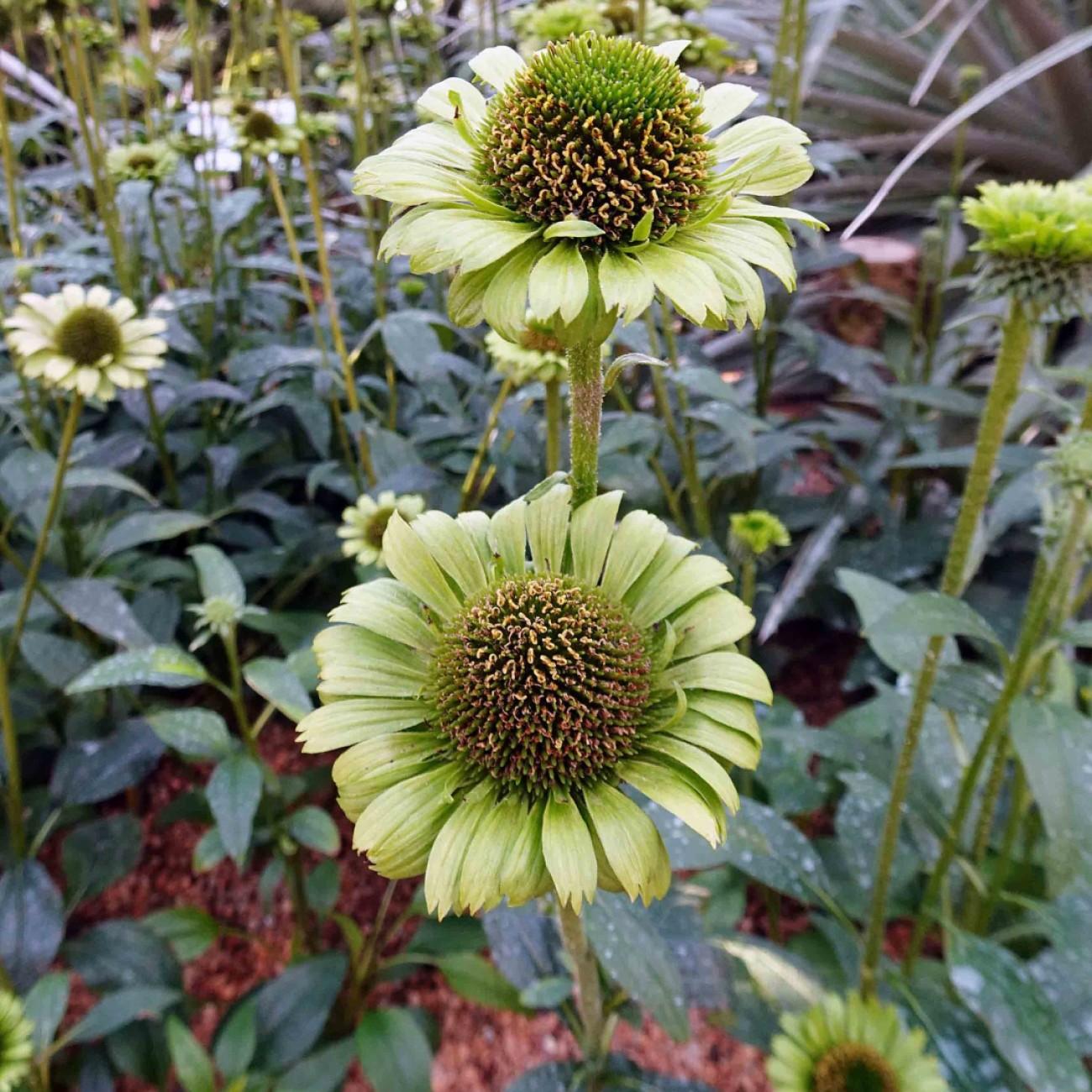
The purple coneflower, or Echinacea purpurea 'Butterfly Kisses', is a beautiful choice for any garden — featuring an upright stem and long-lasting flowers which bloom from summer through autumn. The abundant blossoms range from pale lavender to bright rosy-purple which project from the cone-shaped center. Its petals provide an eye-catching pop of hue, contrasted by the bright green foliage and black-eyed centers. It's an excellent choice for attracting butterflies and birds to your yard. On top of that, this species is also known to provide medicinal benefits due to its high content of polysaccharides and essential oils. Add this delightful choice to your landscape and enjoy its beauty for many seasons to come.
Care Guide
Watering
Water Purple Coneflower (Echinacea purpurea 'Butterfly Kisses') deeply, but infrequently. Water the plant when the top inch of soil has dried out. Watering once a week should be sufficient in normal weather. During a heat wave, you may need to water twice a week. Avoid over-watering the plant, as this can cause root rot.
Light
Purple coneflower prefers full sun which means it should be grown in an area that receives 6 or more hours of sunlight each day. The flowering season for 'Butterfly Kisses' usually lasts from mid-summer to fall. It is best to plant this species in late spring when the soil has warmed to at least 60°F and the days are longer and sunnier. During the hottest months of the summer, the plant may benefit from afternoon shade to reduce the stress of the heat on the leaves and flowers.
Soil
Sandy Loamy Clay Rocky
Temperature
Hardiness zone 3–8.
Pruning
Purple coneflower is an easy-to-care-for perennial plant that requires minimal pruning. For optimum bloom and health, pruning should be done once a year in the late winter or early spring when the plant is dormant. Begin by cutting off the flower stalks just above the base of the plant. This will encourage new growth and a more robust bloom in the summer. If the plant becomes crowded in the center or begins to flop over, you can also cut back some of the stems to within 2-3 inches of the ground. This will allow the plant to re-sprout from the base and become more compact. Use sharp, clean pruners or scissors to keep the cuts neat. Pruned stems can be discarded or composted.
Propagation
Seed Propagation
Uses & Symbolism
Attracts: Birds, Butterflies.
Diseases & Pests
Common pests: Leaf miner insect, Pest resistant, Disease resistant, Drought resistant .
Related plants
Other plants you might like if you grow purple coneflower.
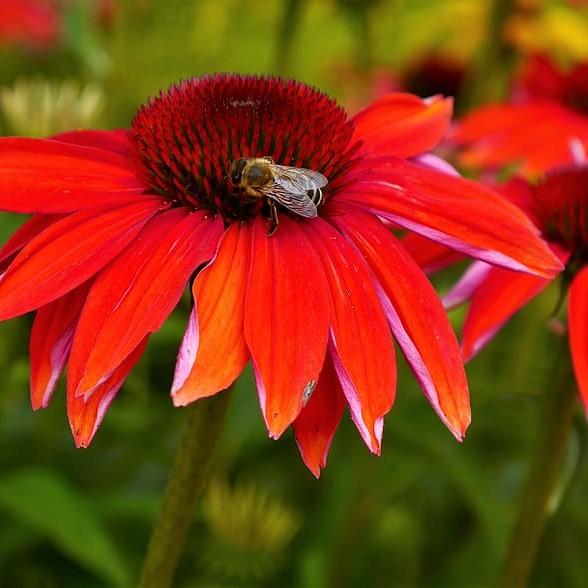
coneflower
Echinacea purpurea 'Balsomsed' SOMBRERO SALSA RED
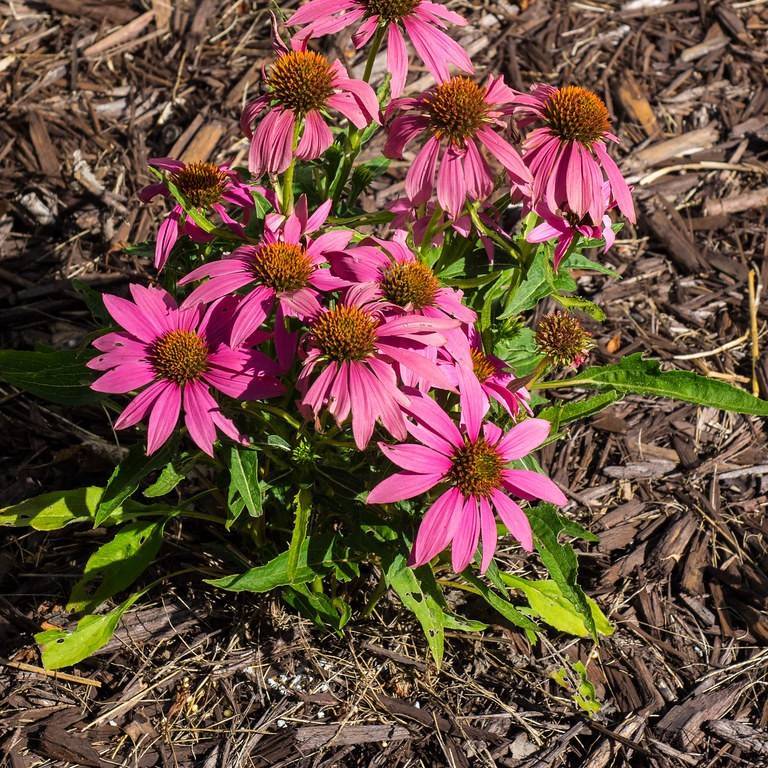
coneflower
Echinacea purpurea 'Pas702917' POWWOW WILD BERRY
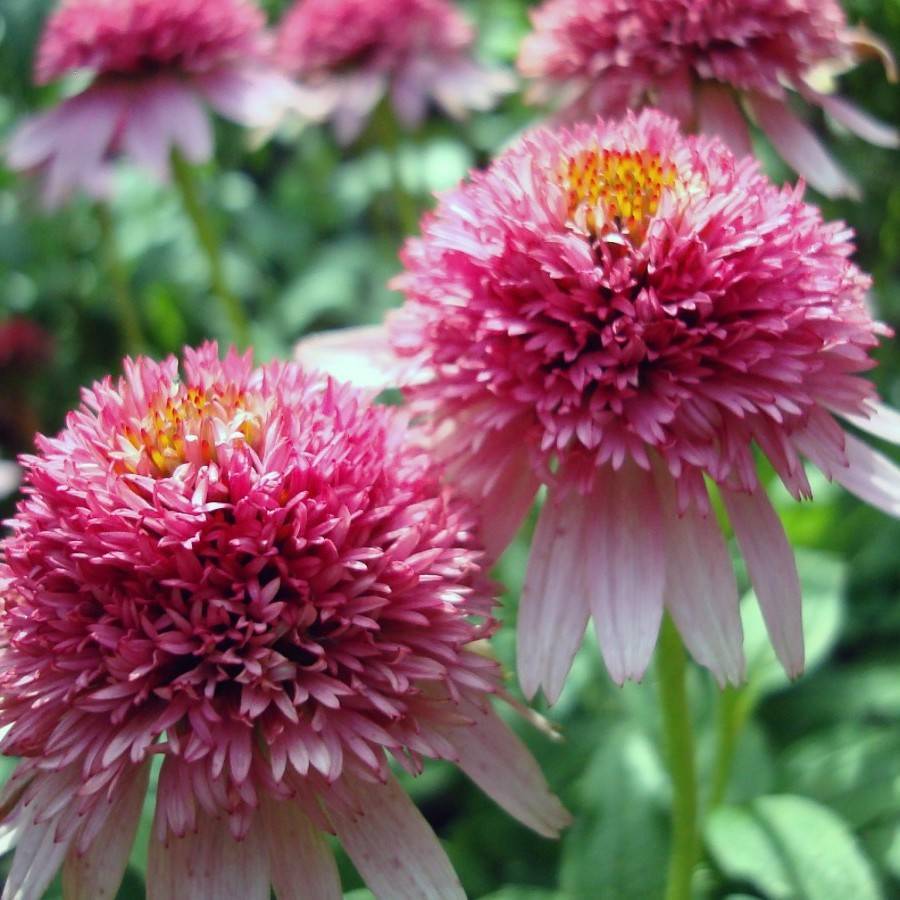
coneflower
Echinacea purpurea 'Pink Poodle'
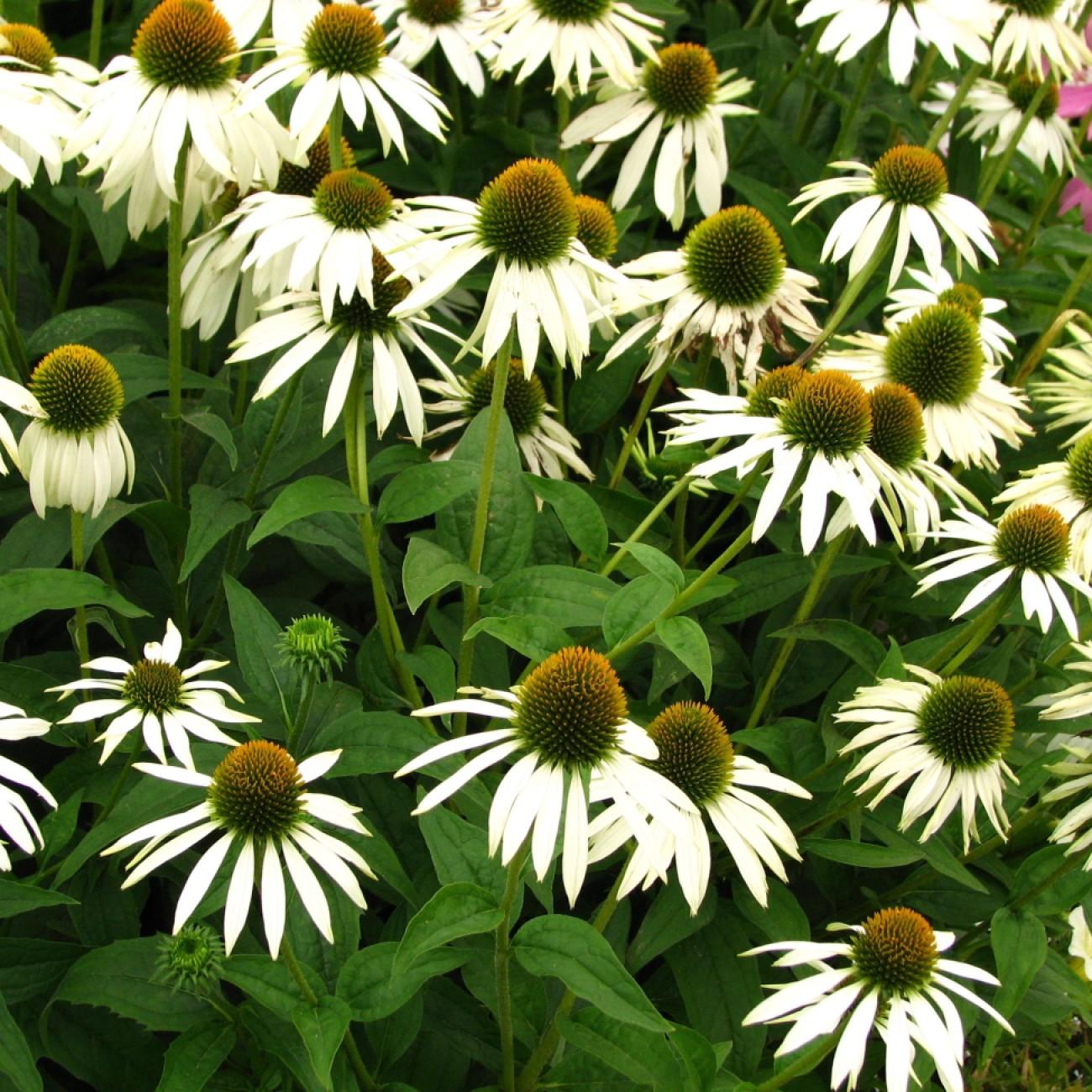
coneflower
Echinacea purpurea 'Primadonna White'
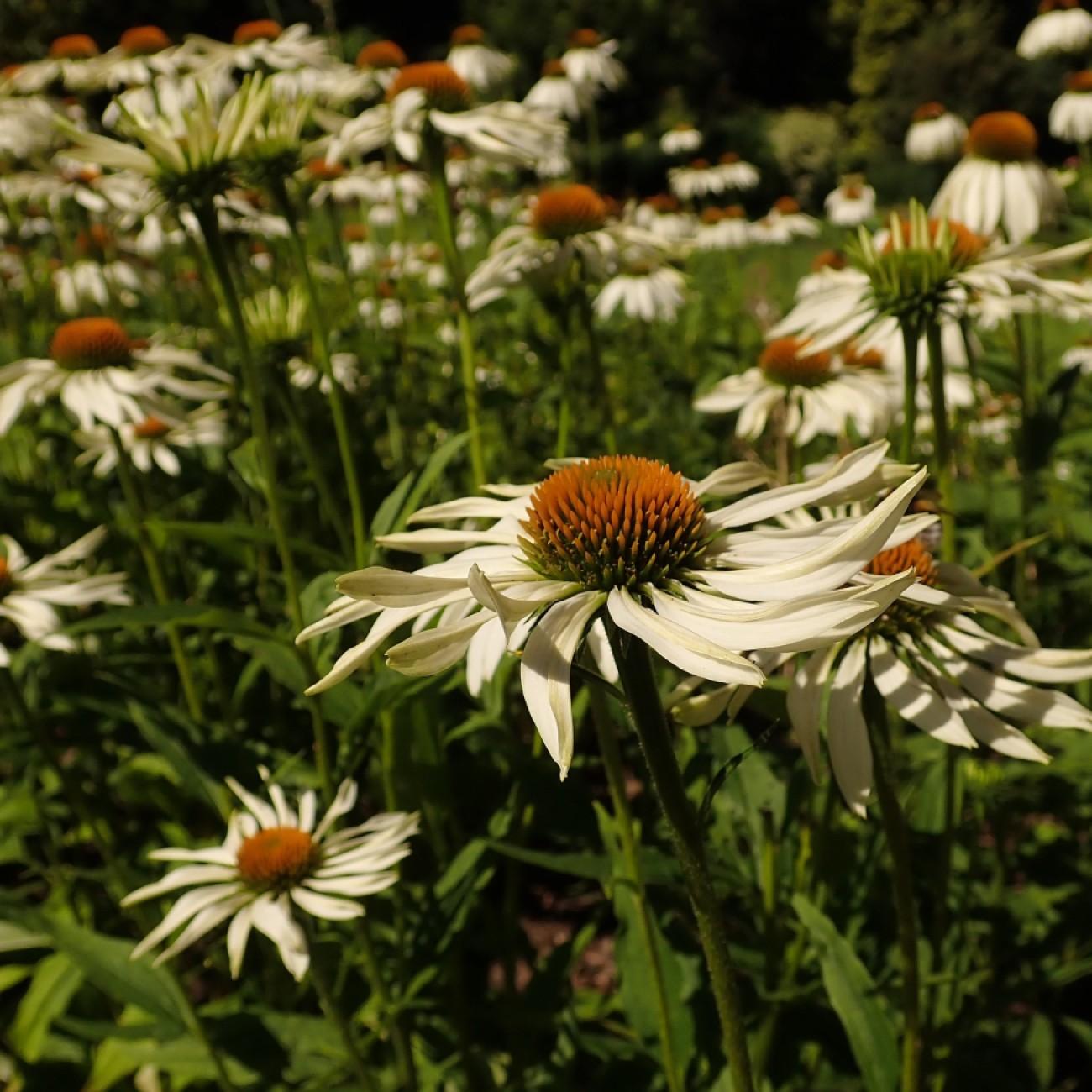
coneflower
Echinacea purpurea 'Purity'
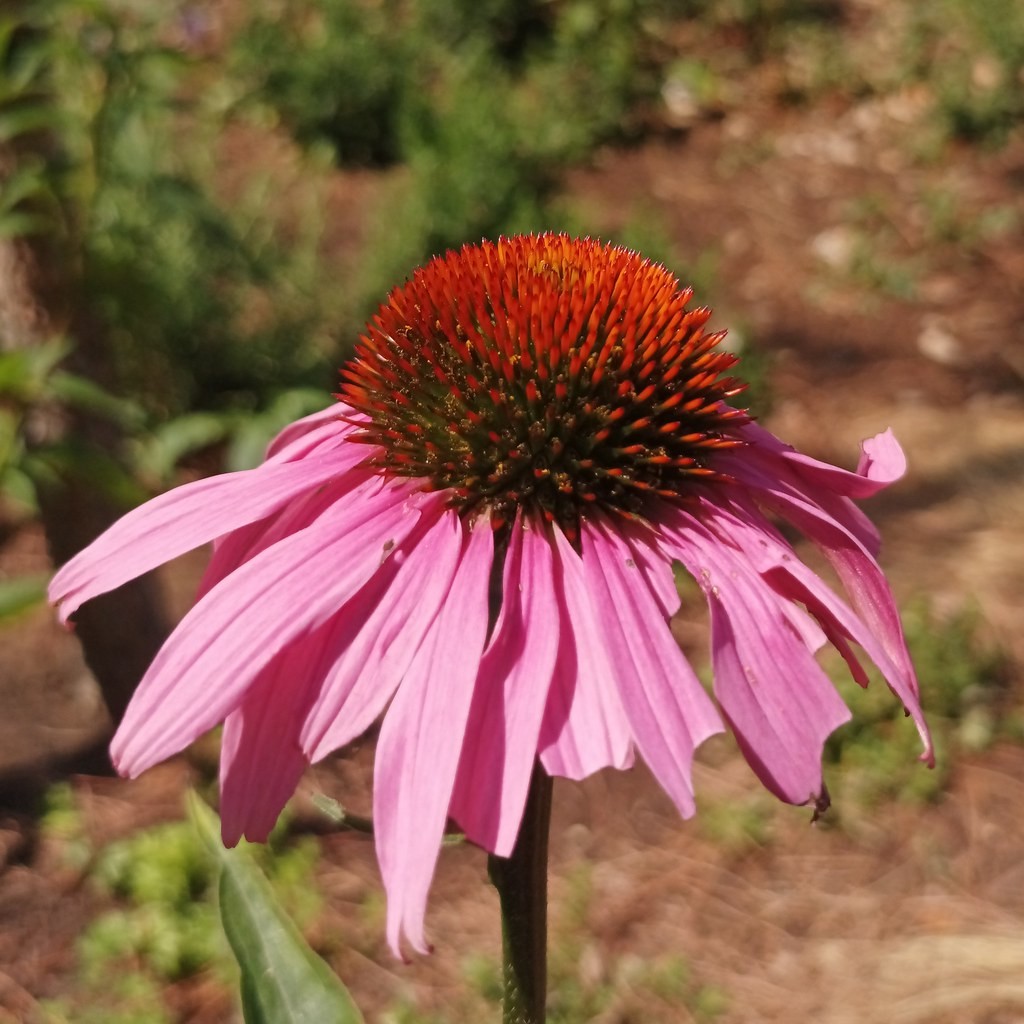
purple coneflower
Echinacea purpurea
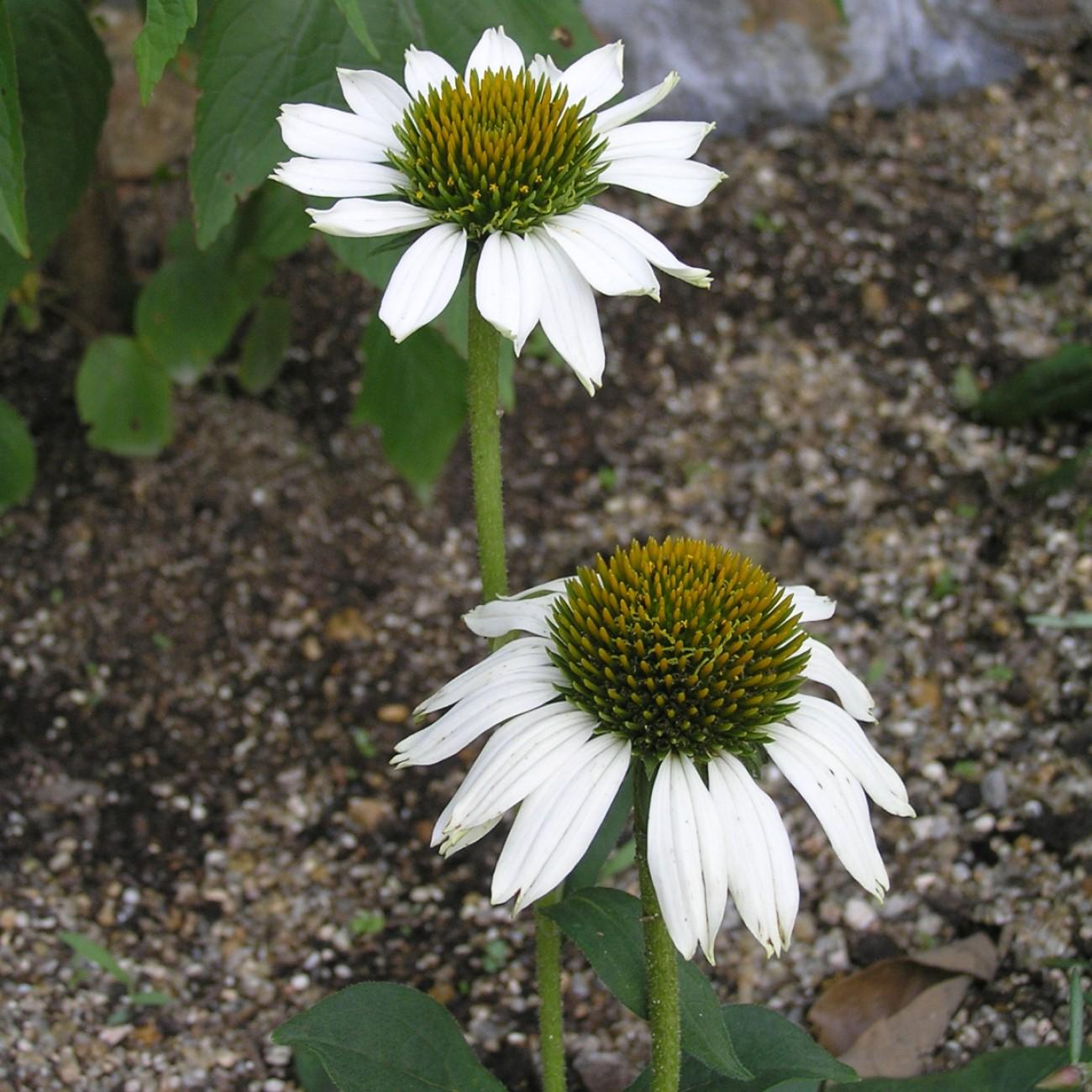
purple coneflower
Echinacea purpurea 'Amado'
purple coneflower
Echinacea purpurea 'Coconut Lime'