corydalis
Corydalis flexuosa
Overview
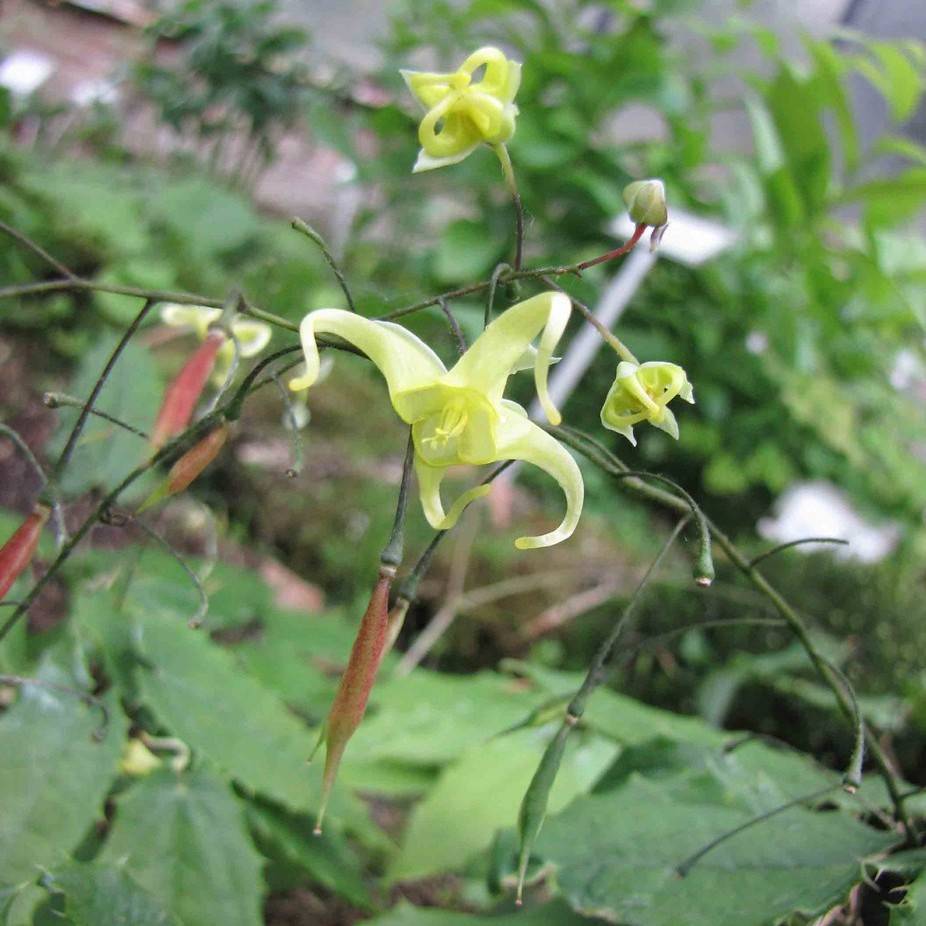
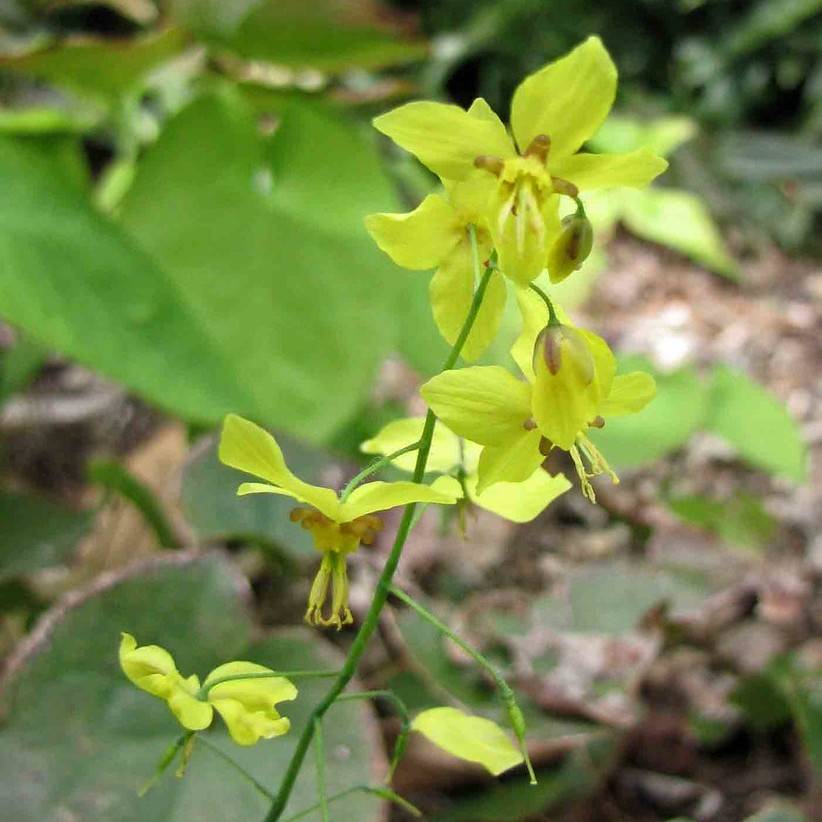
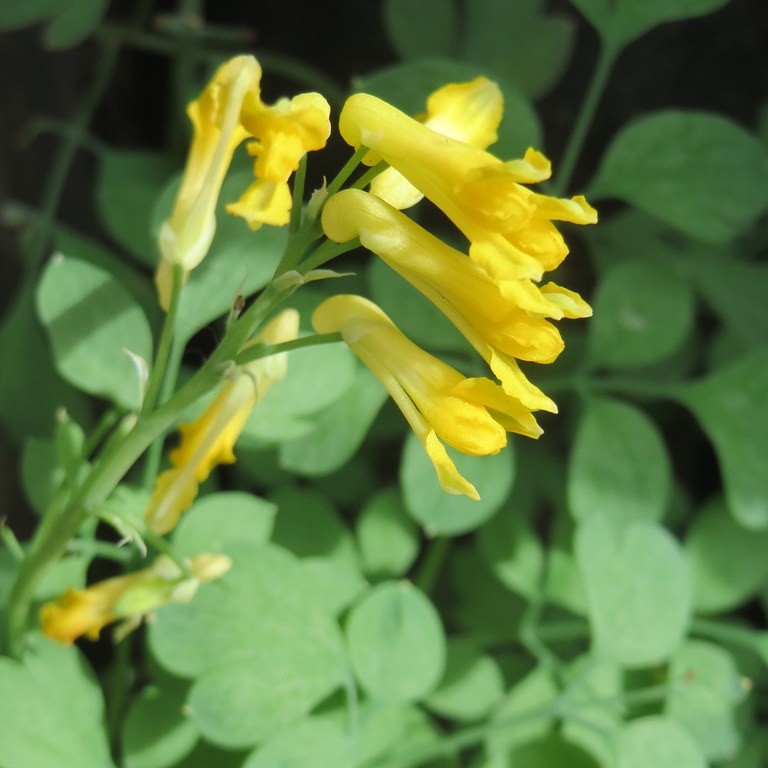
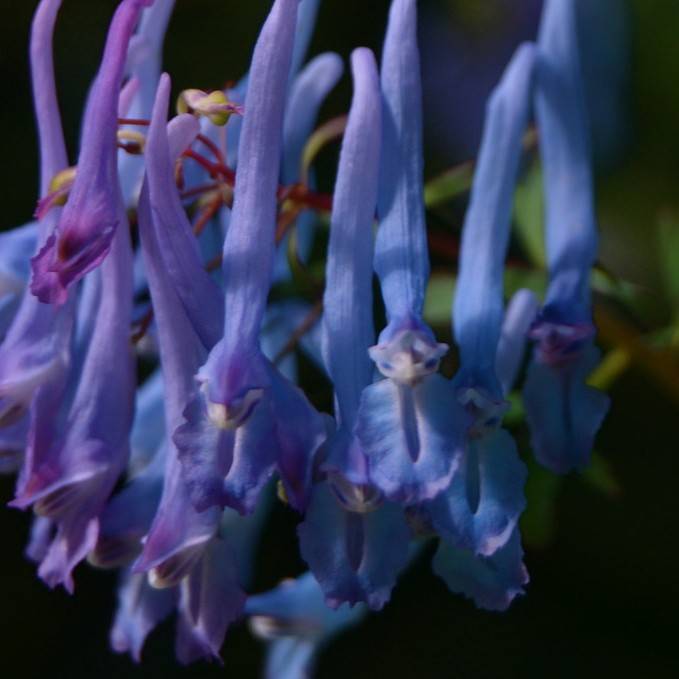
Corydalis flexuosa is a unique and beautiful perennial plant with deep blue flowers that contrast nicely against its delicate, fern-like foliage. Hardy in most climates, this drought-tolerant plant is easy to care for and grows very well in containers or rock gardens. Its stunning blooms can last well into the winter months, adding color to gardens all year round. Its sweet, violet scent is a welcome addition to any outdoor space and its spreading habit makes it an excellent choice for ground cover or border plantings. This amazing plant is sure to brighten up any garden and its modest size makes it ideal for small spaces.
Care Guide
Watering
Corydalis flexuosa should be watered every 4-10 days, depending on the temperature and humidity and the pot size. When watering this plant, it's important to avoid getting the foliage wet, as it likes its leaves dry. The soil should be kept evenly moist, but not sodden. To keep the soil moist, mix about a 50/50 blend of potting soil and sand. During the active growth season, from early spring to early fall, it’s important to ensure that the soil is kept consistently moist. During winter, water more sparingly, allowing the soil to dry out between waterings. If temperatures are unseasonably warm, then water as needed.
Light
Corydalis flexuosa is a plant species that prefers full sun exposure for at least 4 hours a day. However, during the hot summer months, it needs some protection from the harsh midday sun. Partial afternoon shade from a nearby tree or other structure can help protect it from intense sunlight and reduce the risk of foliage burn. A location with dappled or bright indirect sunlight is ideal for this species. If grown in a shady area with little or no direct sunlight, corydalis will not flower or even grow as vigorously as it would in a sunny location.
Temperature
Hardiness zone 5–8.
Pruning
Corydalis (Corydalis flexuosa) should be pruned during the early spring, just after the first blooming of the season. The plant should be cut back to roughly half its height, leaving some of the taller stems untouched. This will help promote new growth and will also keep the Corydalis from becoming too unruly. The newly cut stems should be cut to just above the second bud from the end of the stem, ensuring that the plant can easily form new stems. If desired, the plant may also be lightly shaped using scissors and shaped to allow ample sunlight and airflow. Pruning should be done annually in early spring, with any dead stems and foliage removed as needed.
Propagation
Division, Seed Propagation, Cutting
Related plants
Other plants you might like if you grow corydalis.