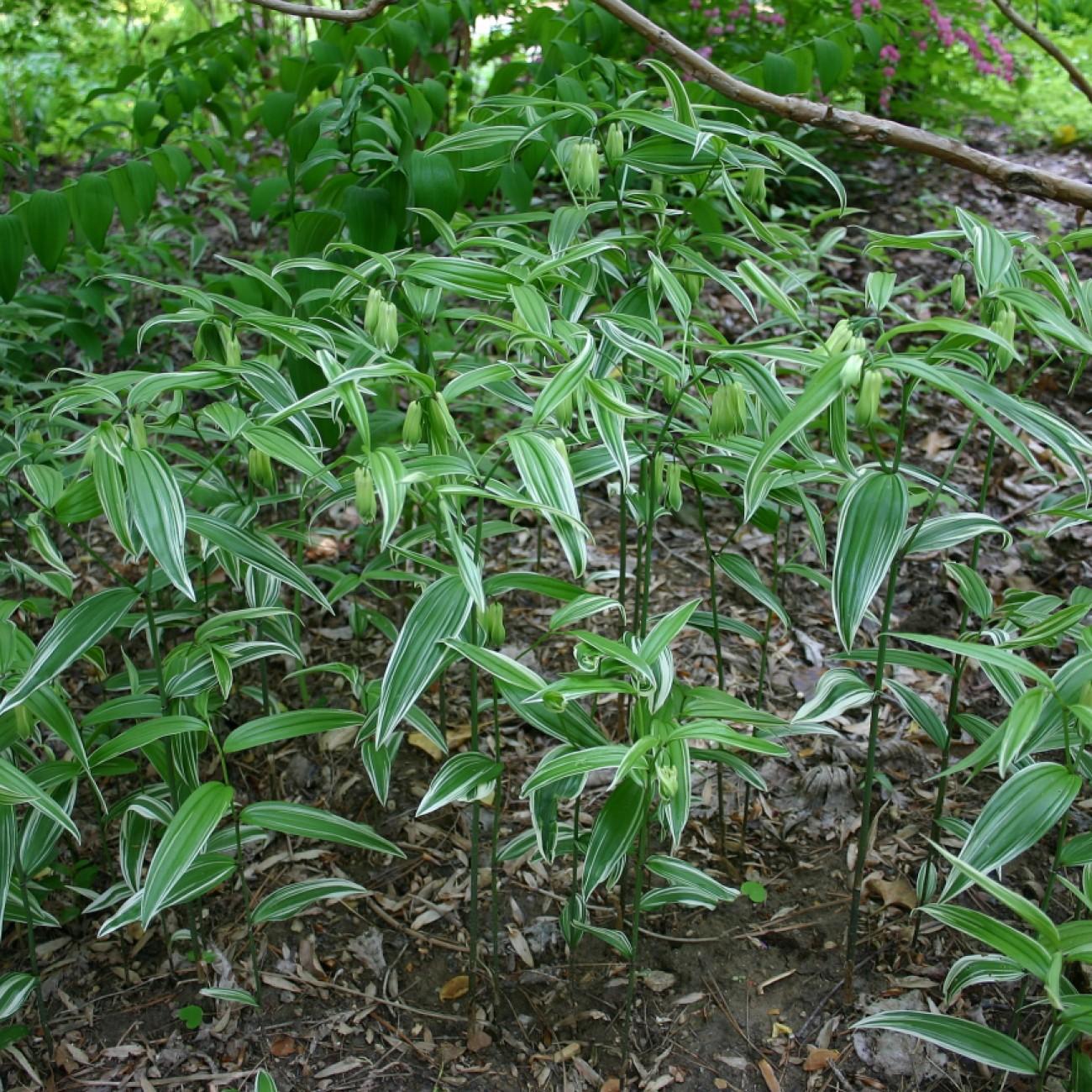
fairy bells
Disporum sessile 'Variegatum'
Overview
Fairy bells is a sight to behold; an especially magical experience in shaded gardens. Its dainty foliage is striped in shades of creamy white and green, creating an enchanting and exotic look. Its low-growing habit and bright flowers make it an excellent groundcover, adding a unique texture to any garden. In the spring, they give way to dangling bell-shaped blooms in clear white, hanging delicately from long, thin stems. Its light, fresh scent makes it an inviting addition to any outdoor space, while its hardiness ensures that it remains trouble-free throughout the seasons. Fairy bells is truly an amazing, dreamy plant!
Care Guide
Watering
Fairy bells should be watered once or twice a week in order to ensure that the soil stays moist. Water deeply, allowing the water to penetrate several inches down into the soil. Avoid over-watering, as this can cause root rot and other issues. During hot summer months, it may be necessary to water more often. Apply water directly to the soil, avoiding wetting the leaves to prevent fungal diseases.
Light
Fairy bells (Disporum sessile 'Variegatum') are an evergreen plant species that prefer indirect sunlight. The ideal amount of sunlight for this species is 4 to 6 hours a day. Morning sunlight works best for this species of plant, and it should be limited in the afternoon to avoid getting too hot and drying out the soil. For best growth, the plant should be placed in bright, but indirect sunlight, such as light that is filtered through curtains or trees. Too much direct sunlight can cause the plant to become scorched, so it is important to monitor it to ensure it is receiving the right amount of sunlight.
Temperature
Hardiness zone 4–8.
Pruning
Fairy bells (Disporum sessile 'Variegatum') should be pruned in early spring, just as growth begins, to create shape and keep the plant from becoming leggy. Start by pruning any dead or diseased branches that may have developed over the winter. Next, trim back branches that are growing too tall and overcrowding the center of the plant. Make sure to shape the plant in its desired shape and cut back branches evenly. Finally, trim off any excess plants that are not needed. Pruning fairy bells once a year should be sufficient to keep the plant looking good all season.
Propagation
Division, Layering Propagation, Seed Propagation, Cutting
Related plants
Other plants you might like if you grow fairy bells.

Dutchman's breeches
Dicentra cucullaria
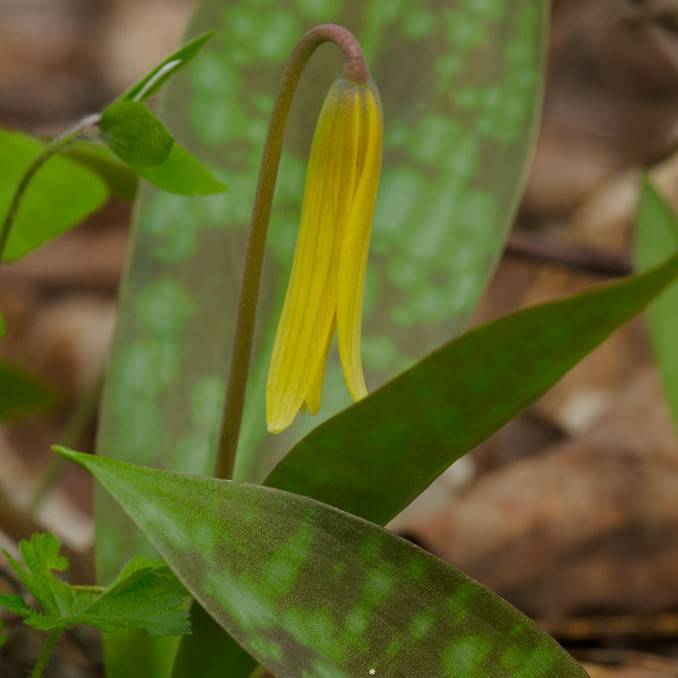
yellow adder's tongue
Erythronium americanum
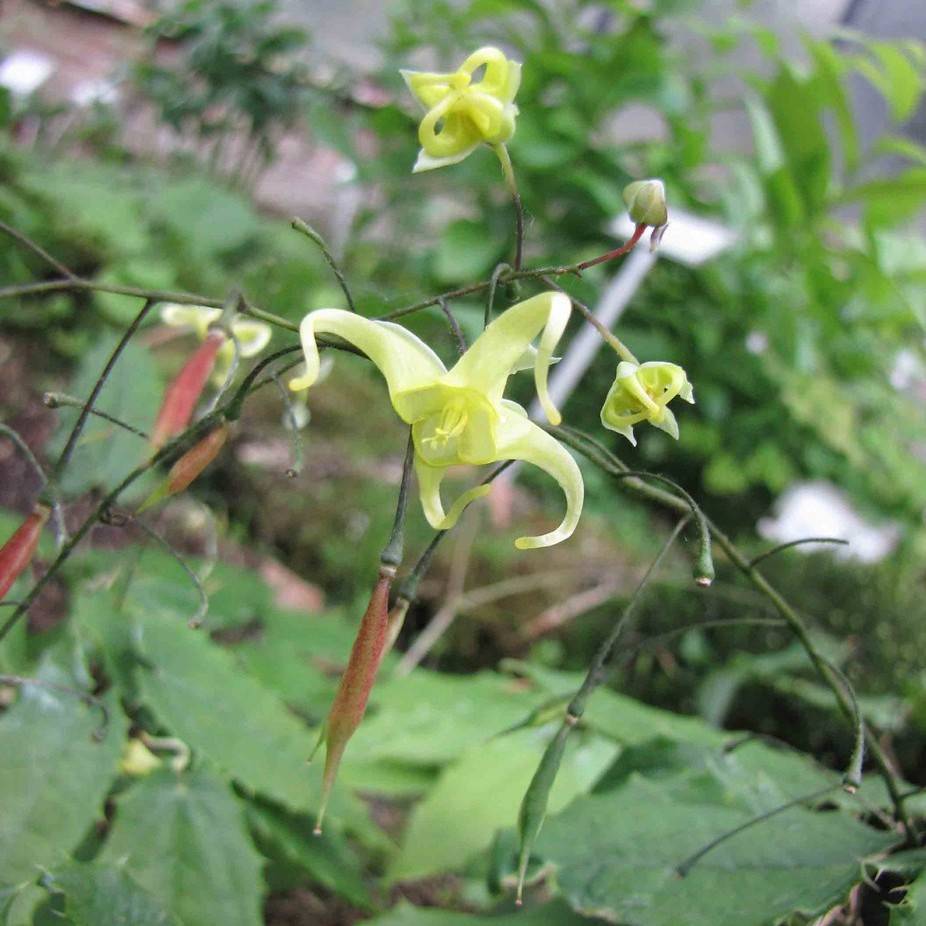
bishop's hat
Epimedium ilicifolium
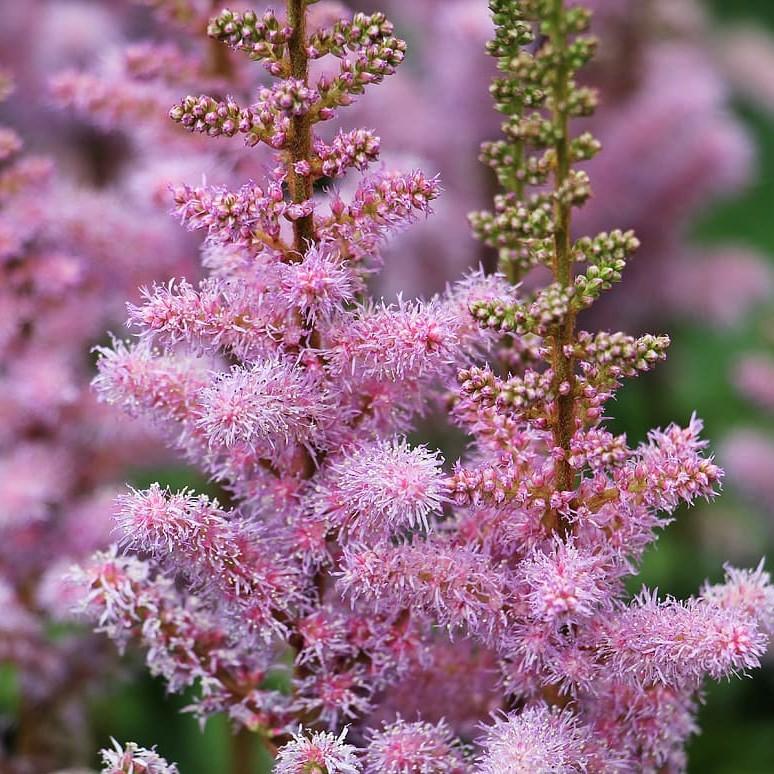
Chinese astilbe
Astilbe chinensis 'Finale'
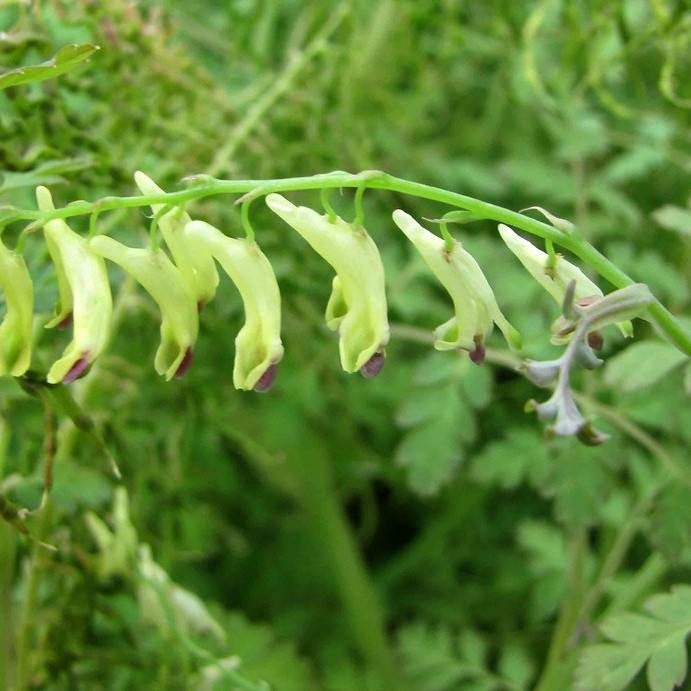
corydalis
Corydalis ophiocarpa
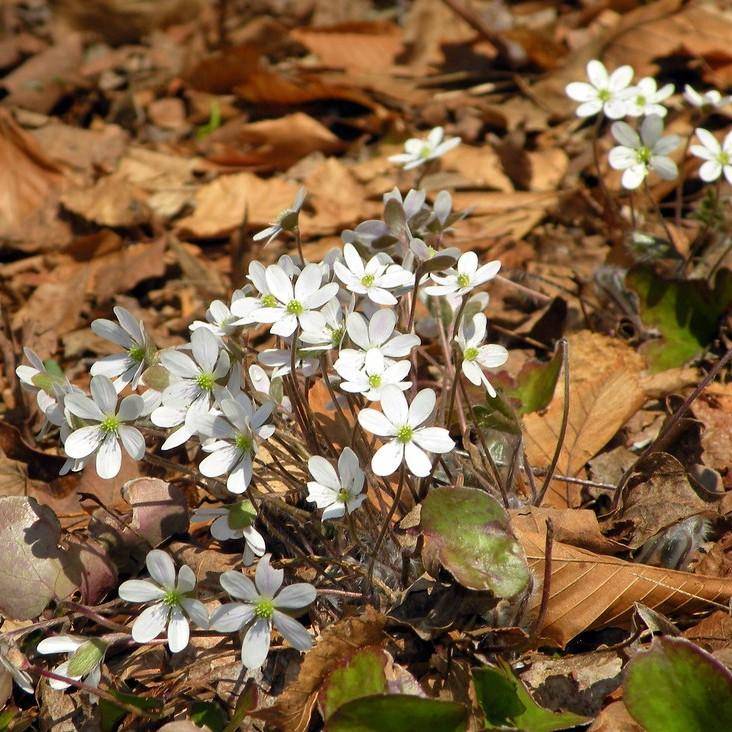
Roundleaf Liverleaf
Anemone americana

Chinese astilbe
Astilbe chinensis 'Darwin's Surprise'
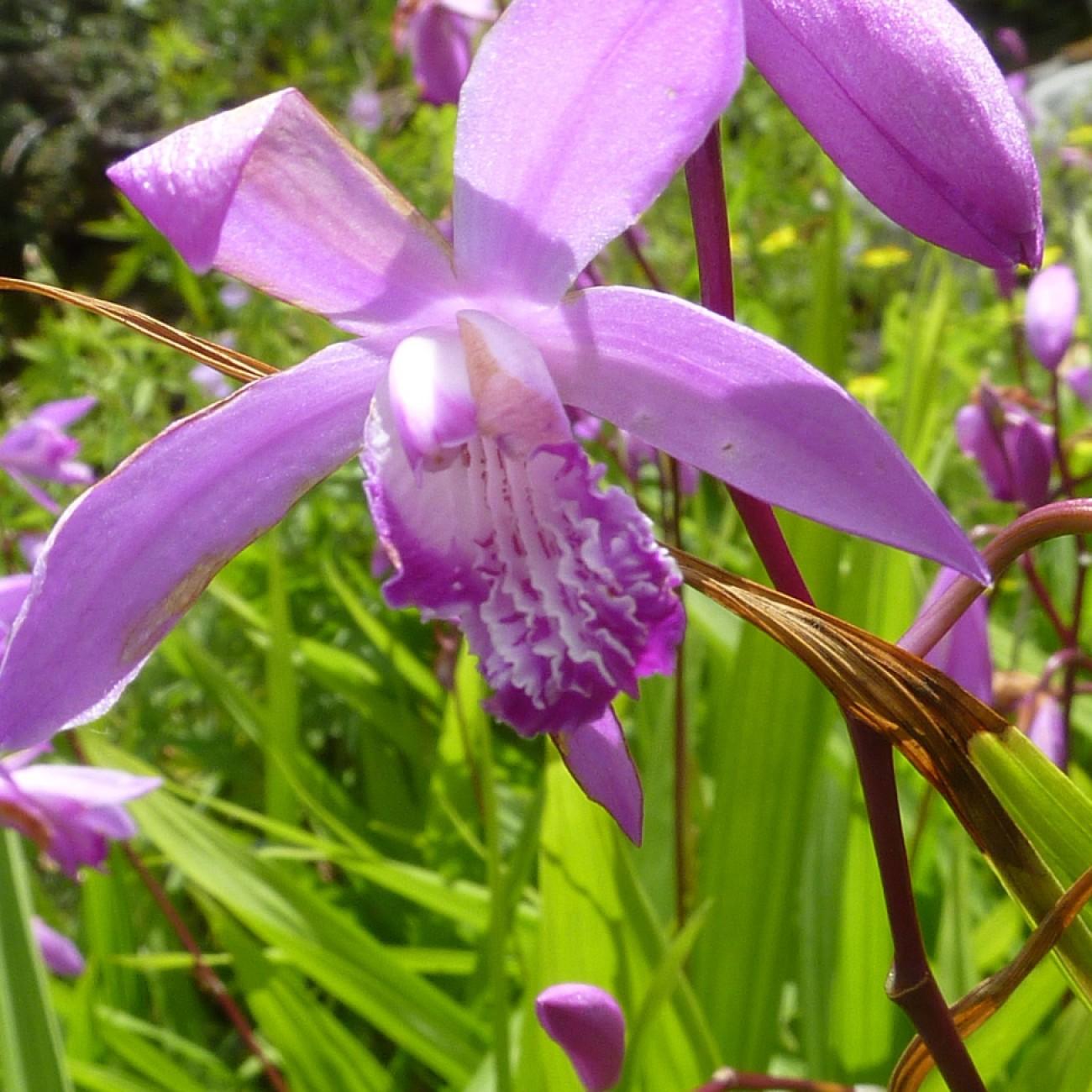
Chinese ground orchid
Bletilla striata 'Albostriata'