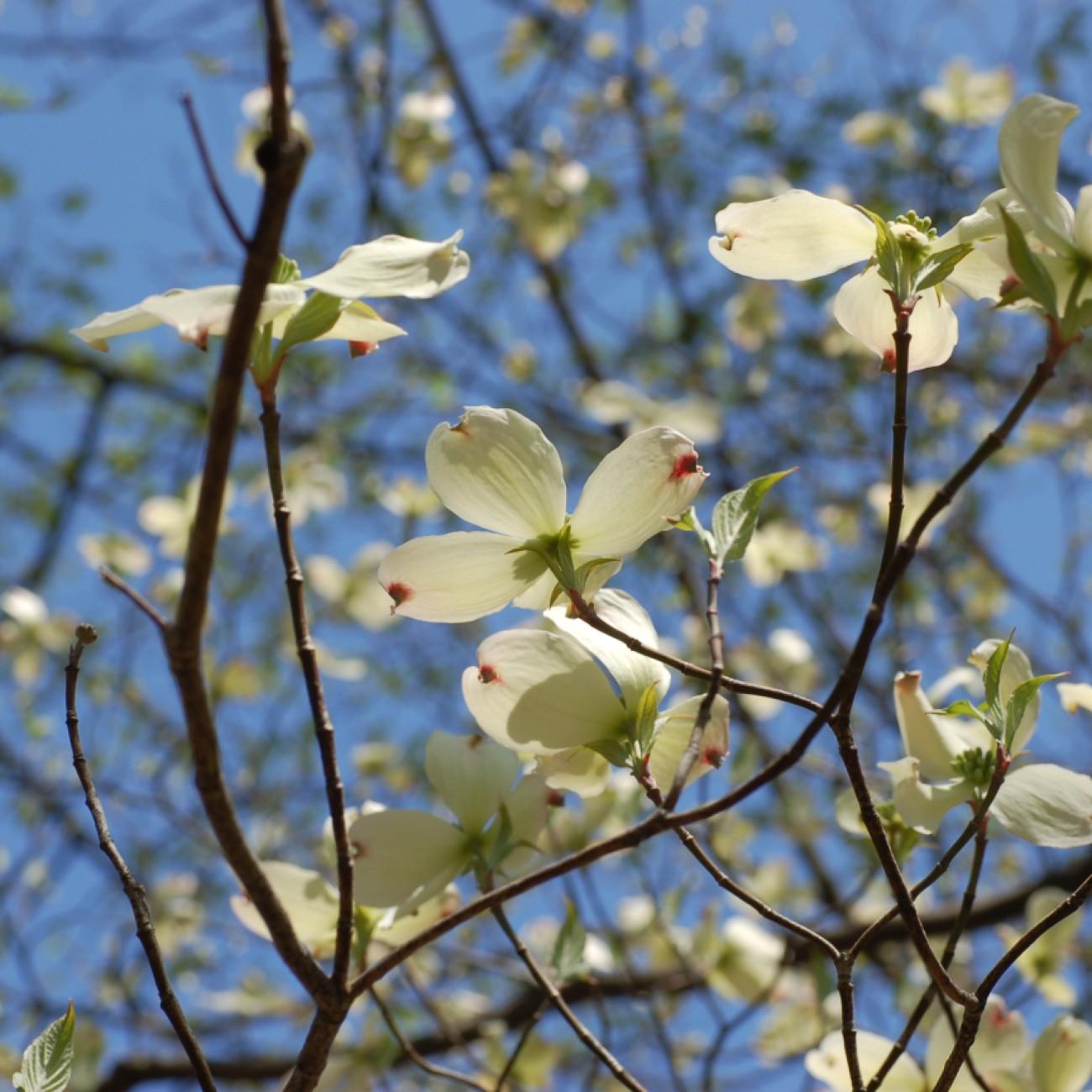
flowering dogwood
Cornus florida 'Ozark Spring'
Overview
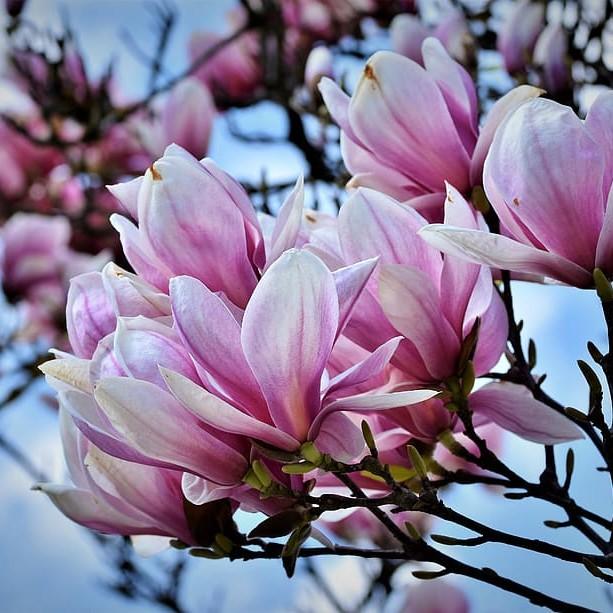
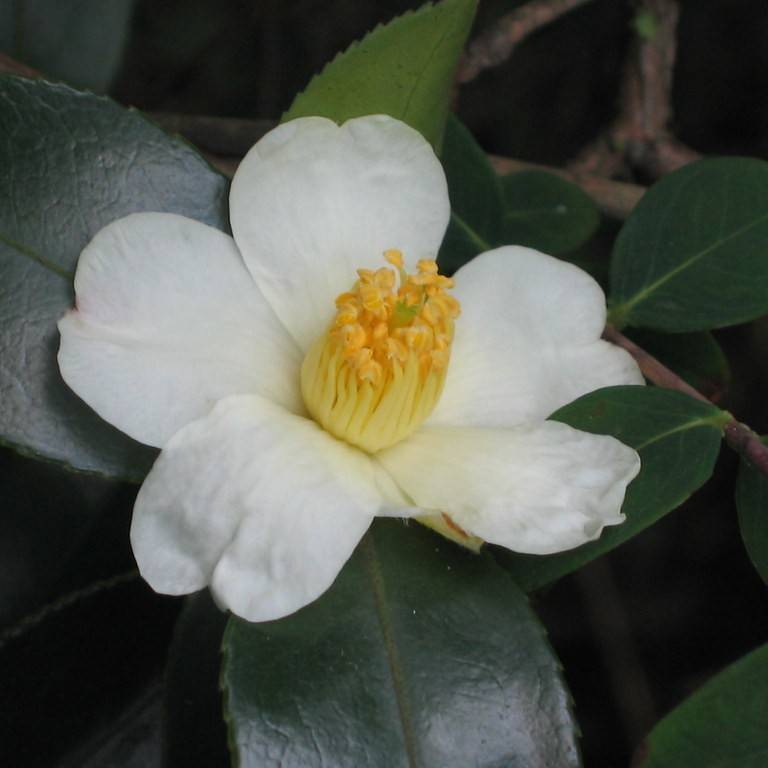
The flowering dogwood (Cornus florida 'Ozark Spring') is an amazing plant species that is sure to bring beauty and joy to your garden. It is very adaptable to a variety of soils and climates and it's white blooms appear in the spring. The plant has striking red berries in the fall that will attract birds for added color and life to your garden. Even when not in bloom, its unique shape and colorful bark will make it an interesting addition to any garden. Its adaptability and beauty make this a great species to add to your garden.
Care Guide
Watering
Water weekly during the months of March to October, providing your Flowering Dogwood tree with 1 to 2 inches of water each time. During this period, the tree is actively growing, and needs the moisture to thrive. During November to February the tree is dormant and requires much less water - just give a watering when the soil is dry. During periods of extreme drought, increase the water supply, but still don't overwater.
Light
Flowering dogwood (Cornus florida 'Ozark Spring') needs full to partial sun (4 to 8 hours of direct sunlight each day). It can tolerate partial or full shade for the remaining daylight hours. It is best to provide filtered sun during the hottest and brightest part of the day (between 10am and 2pm) to protect the blooms and foliage from scorching temperatures. Morning sun is also beneficial as it will help the plant to dry off in case there is any morning dew.
Soil
Acidic, Well-drained
Temperature
Hardiness zone 6–6.
Pruning
Flowering dogwood (Cornus florida 'Ozark Spring) should be pruned each year to promote good health and flowering. Pruning should take place in late winter or early spring before new growth begins, or in summer after flowering. Minor pruning, such as removing dead, diseased or crossing branches, can be done at anytime throughout the growing season to keep plants healthy. For more extensive pruning, always aim to cut back as little as possible to maintain the natural shape of the plant. Remove up to 1/3 of the tallest branches, cutting each stem just above another branch or node. Additionally, lightly prune to thin the canopy if it is too thick. After pruning, be sure to shape the plant and spread the flowers or berries evenly across the top of the canopy.
Propagation
Grafting Propagation, Cutting, Layering Propagation, Air Layering Propagation, Seed Propagation
Diseases & Pests
Common pests: Anthracnose, Canker, sap rot, Diptera - true flies, Fungal leaf spot, Mildew, Nematodes, Root rot, Scale insects, Stem borer insects, Thrips, Deer resistant .
Related plants
Other plants you might like if you grow flowering dogwood.