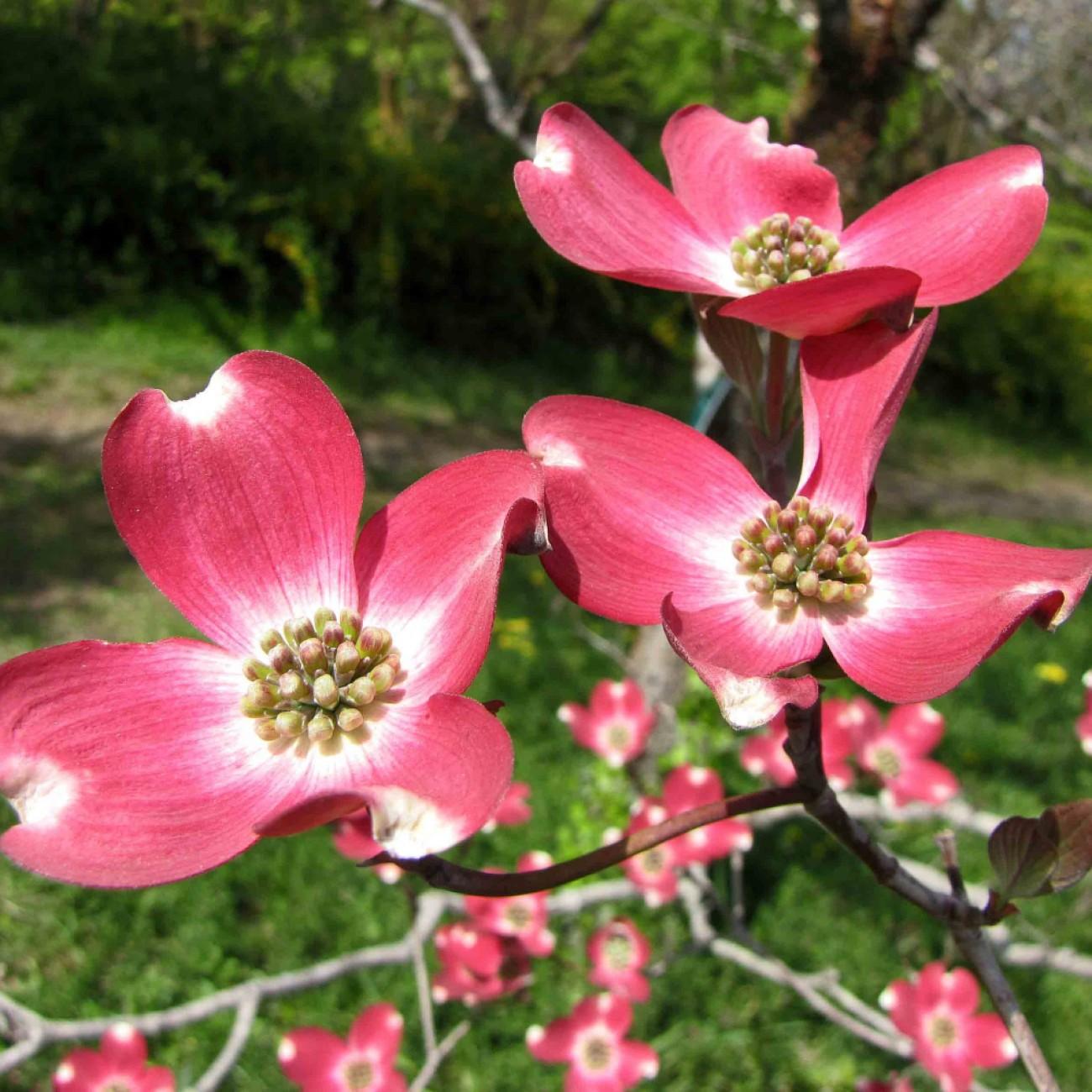
flowering dogwood
Cornus florida 'Red Pygmy'
Overview
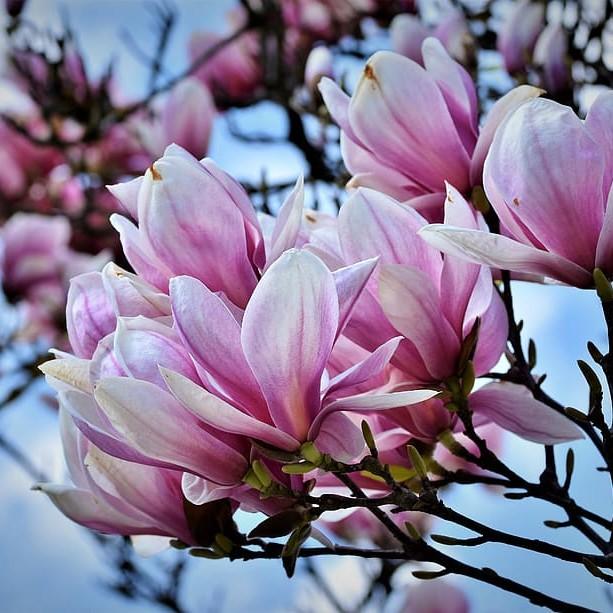
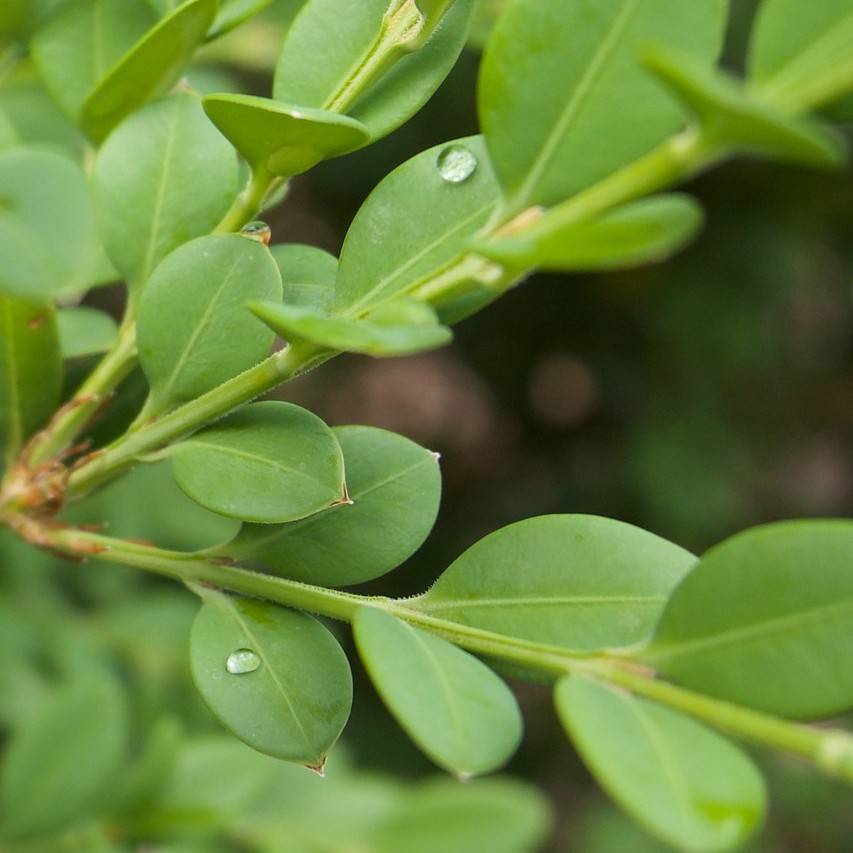
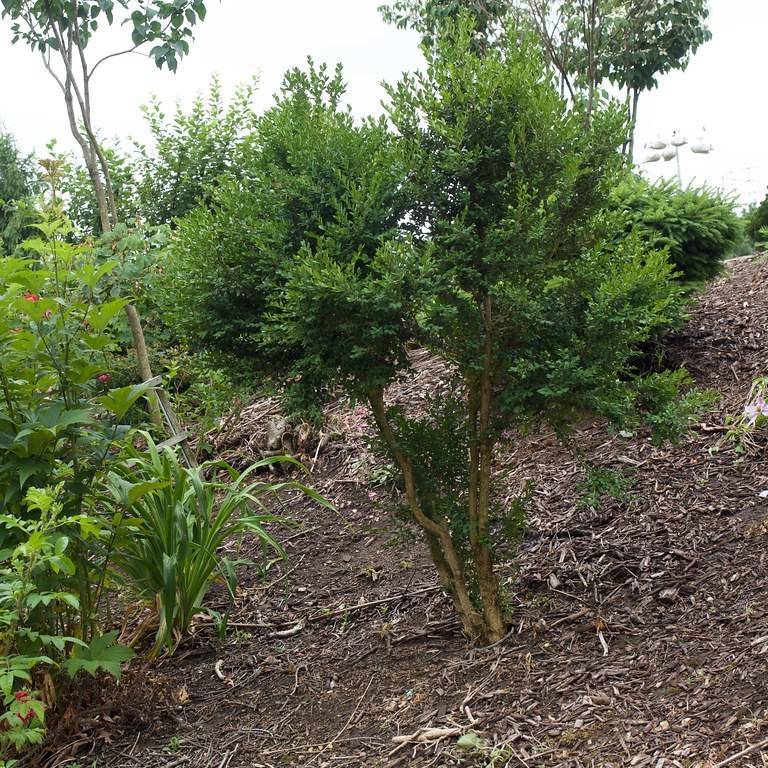
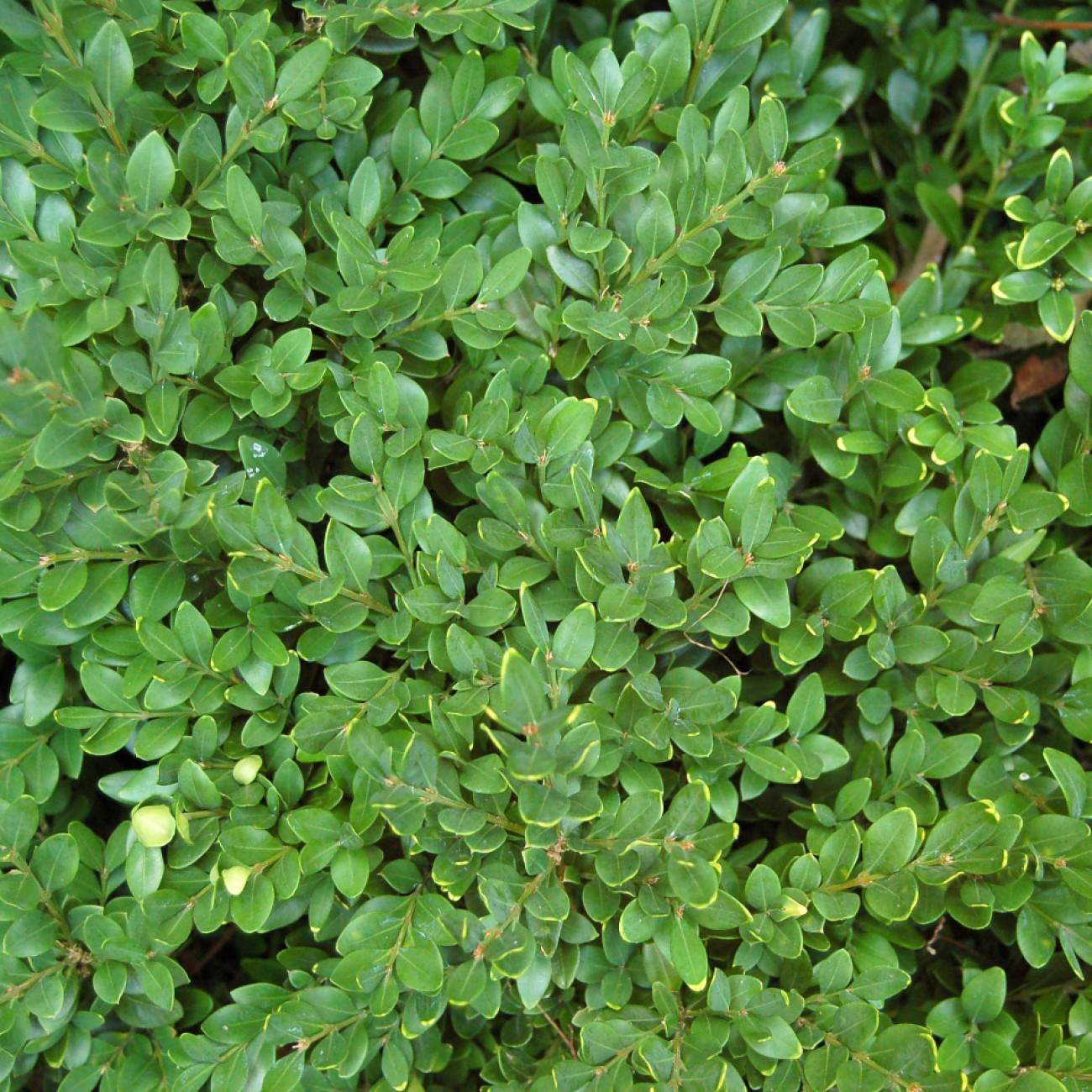
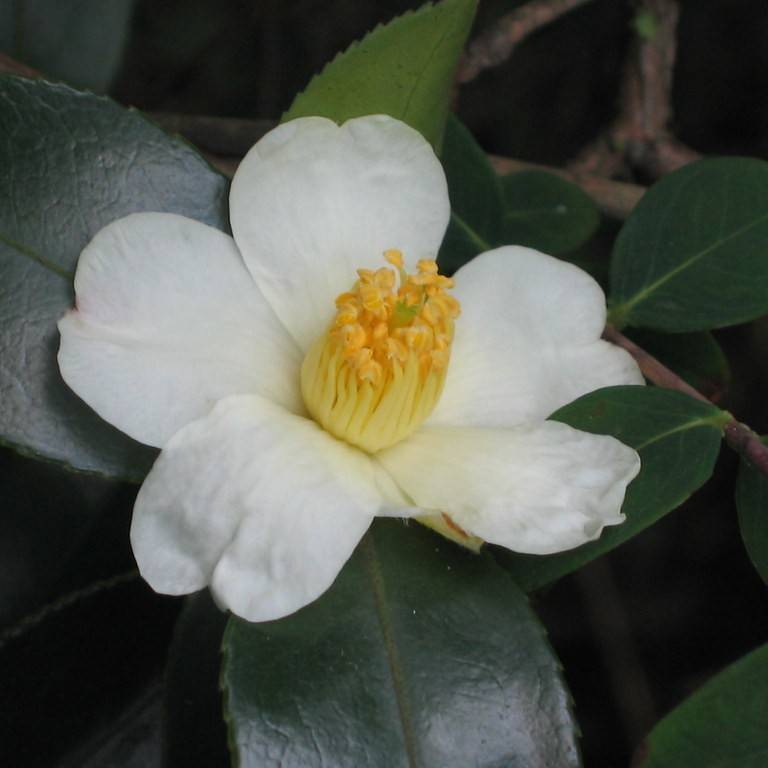
The Flowering Dogwood (Cornus florida 'Red Pygmy') is an amazing plant species due to its ability to bring beauty and color to any landscape. Its bright red pygmy flowers, surrounded by lush green foliage, can not only provide bold color but also fragrant blooms in the spring goodness for up to 15 years. This species is also low-maintenance, easy to grow and drought tolerant. Its unique bark also provides additional interest, changing from gray to brown as it matures. With its small size and durability, Flowering Dogwood is an ideal choice for any garden.
Care Guide
Watering
Flowering dogwood (Cornus florida 'Red Pygmy') should be watered once a week with 1-2 inches (2.5-5 cm) of water. This water should be applied slowly so it has time to soak into the soil and reach the roots. Since this plant prefers moist soil, it should be checked for dryness between waterings. If the soil feels dry more than 1 inch below the surface, it is time to water. It is important to avoid overwatering this species, to avoid water-logged roots, so water should stop when runoff starts.
Light
Flowering Dogwood (Corns florida 'Red Pygmy') prefers bright, indirect sunlight or partial shade. Six to 8 hours of morning sun is ideal for best flowering and healthy growth. The plant should not be exposed to direct sunlight during the afternoon, as this can cause leaf scorching and other damage. When grown indoors, the plant should be kept in an area that receives lots of bright, indirect sunlight.
Soil
Acidic, Well-drained
Temperature
Hardiness zone 6–6.
Pruning
Flowering dogwood (Cornus florida 'Red Pygmy') should be pruned twice a year, once in early spring and again in late summer. Pruning in the early spring helps to reduce smaller branches and encourages new growth from established branches. Prune out branches that are rubbing against each other or that cross too closely. Pruning in late summer helps to discourage the growth of soft new shoots, which will be more susceptible to winter damage. Remove dead and diseased wood, and thin out primary branches by cutting them back to healthy wood whenever possible. Pruning should not be done above the natural canopy of the tree, as this will cause it to become unsteady.
Propagation
Grafting Propagation, Cutting, Layering Propagation, Air Layering Propagation, Seed Propagation
Diseases & Pests
Common pests: Anthracnose, Canker, sap rot, Diptera - true flies, Fungal leaf spot, Mildew, Nematodes, Root rot, Scale insects, Stem borer insects, Thrips, Deer resistant .
Related plants
Other plants you might like if you grow flowering dogwood.