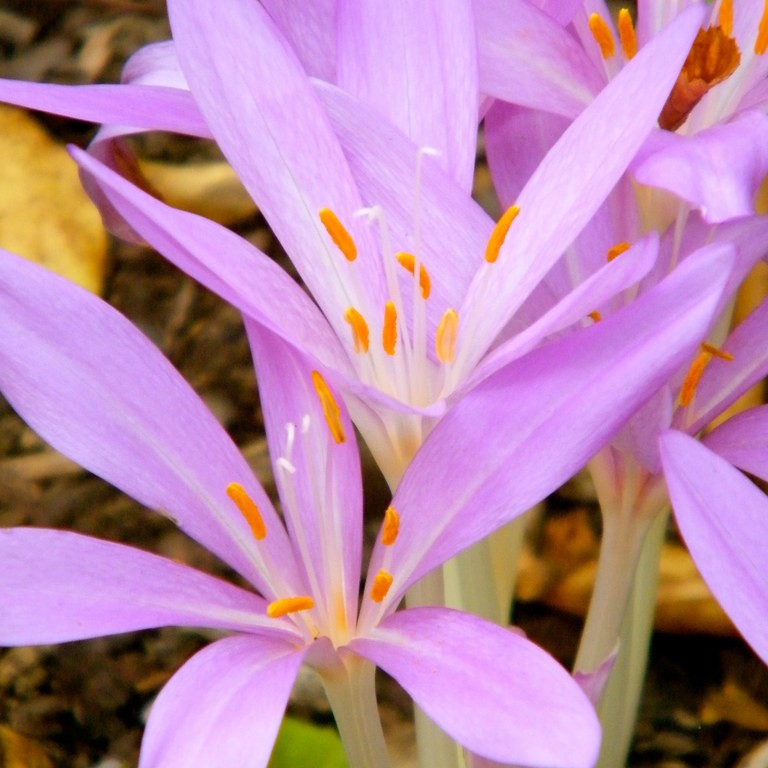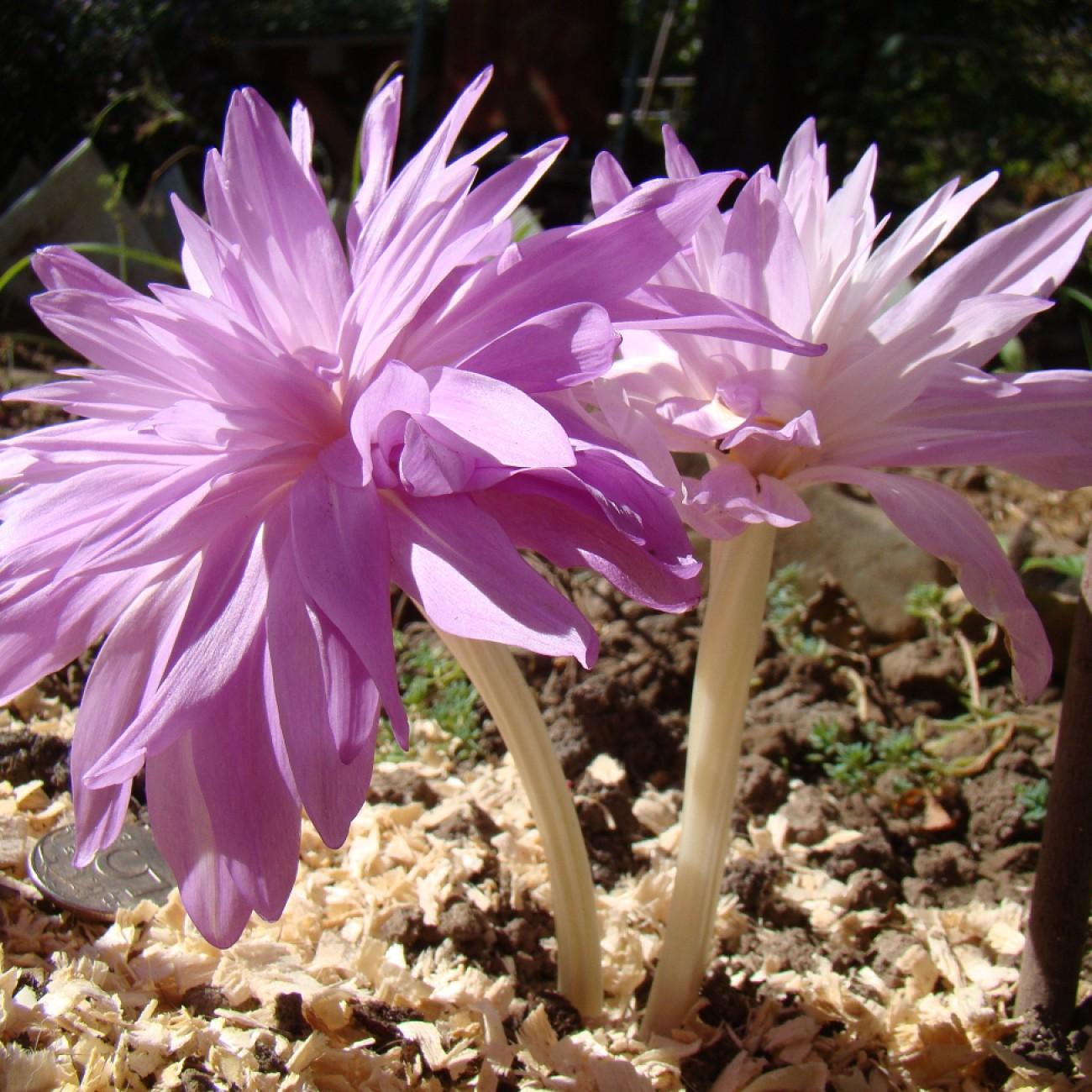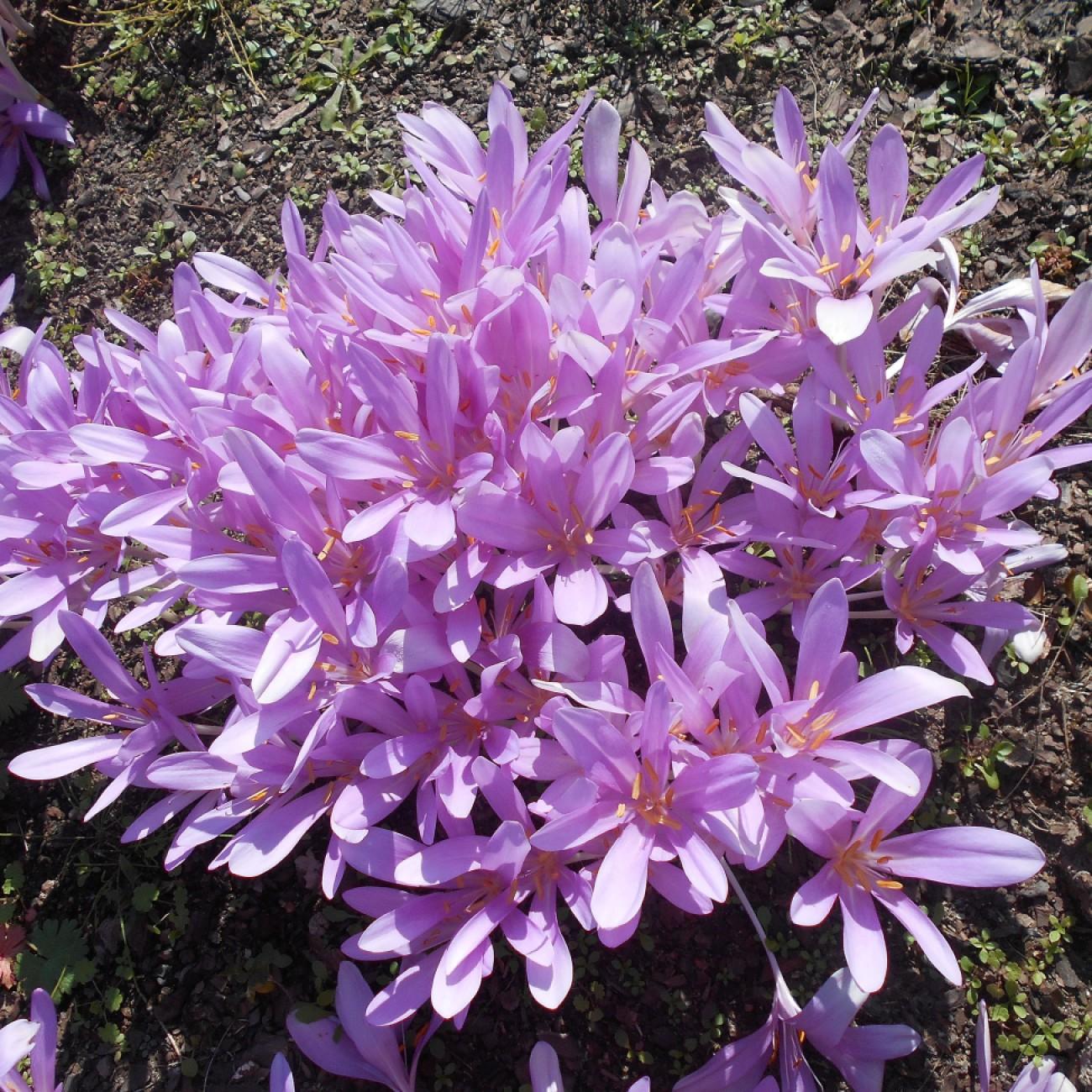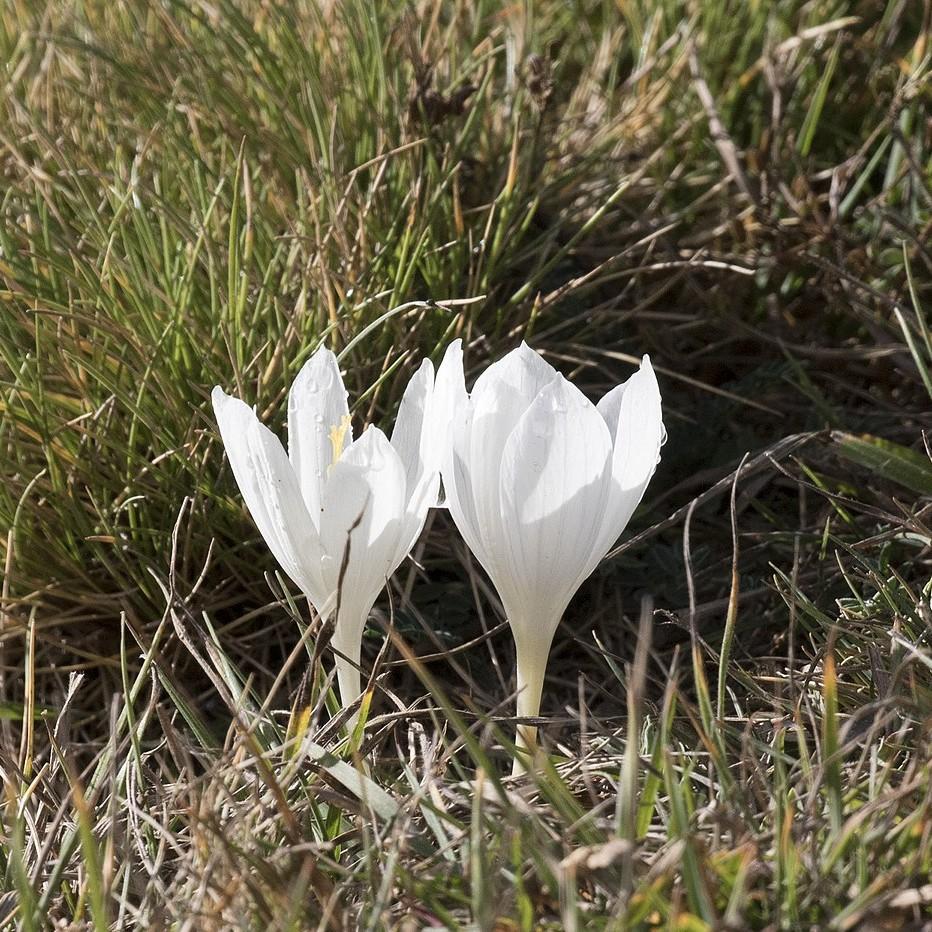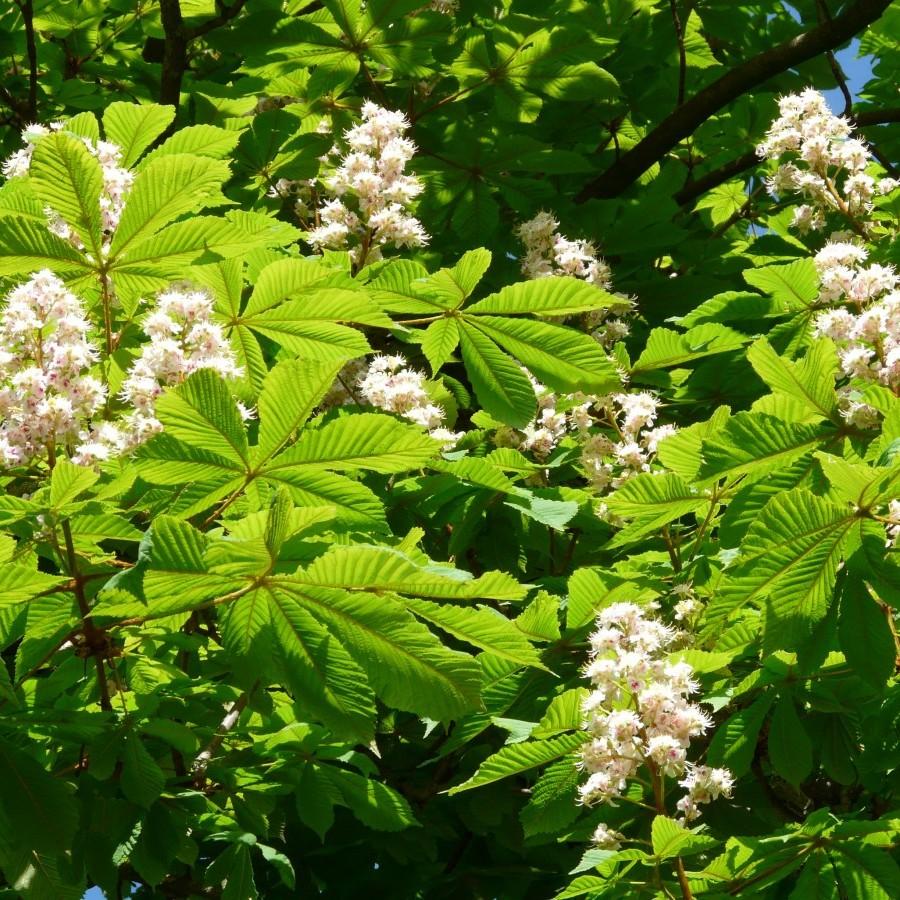
horse chestnut
Aesculus hippocastanum 'Baumannii'
Overview
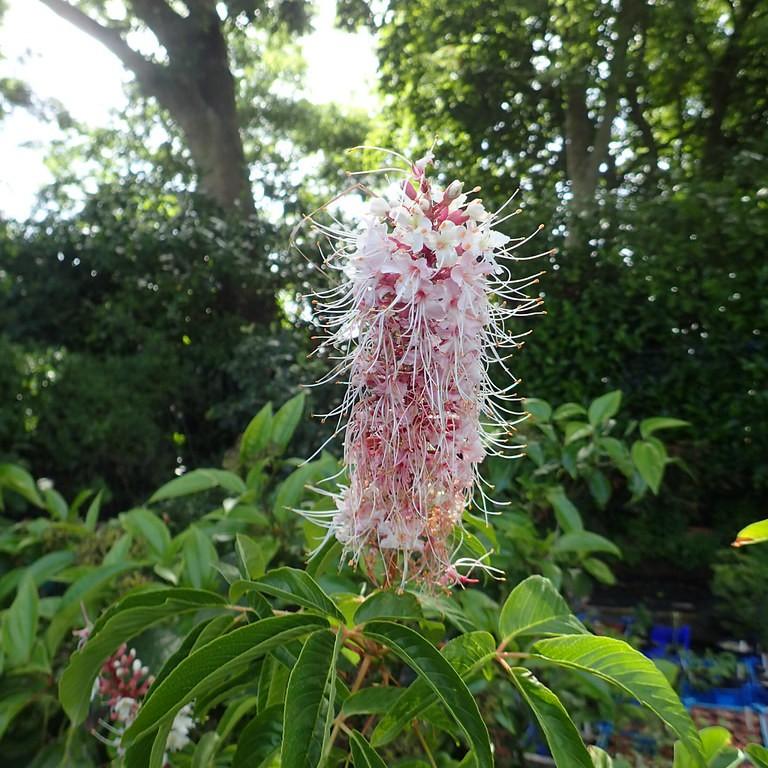
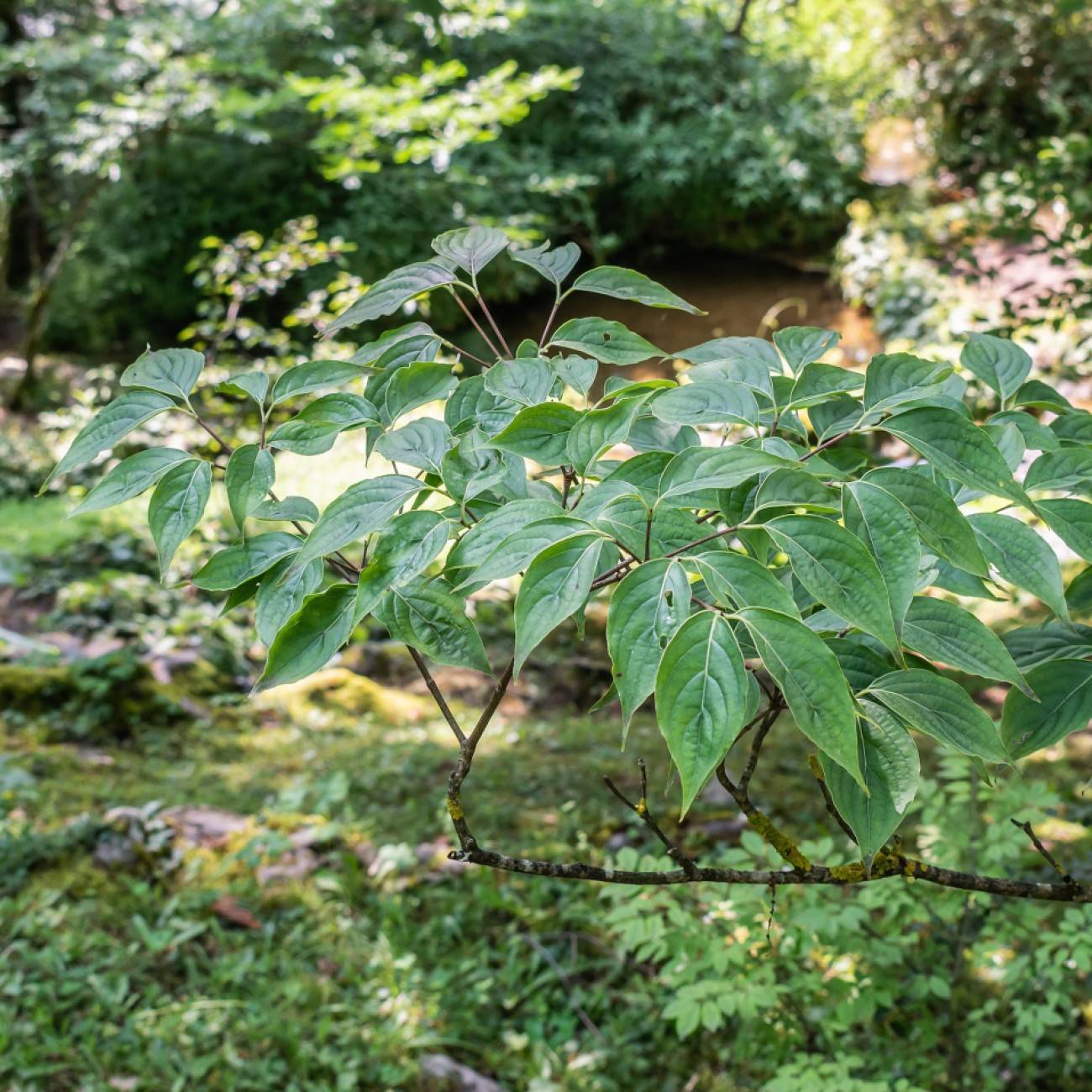
The horse chestnut (Aesculus hippocastanum 'Baumannii') is an amazing tree that showcases its beauty from spring through fall. With its large and elegant pink and white blooms, its dense green foliage and its prickly spines, it is both a visual delight and an ornamental asset to any garden. In autumn, its spiny fruits ripen to a richly colored brown, providing food for wildlife and a unique interest. Its graceful shape and dense, deep green foliage make an attractive backdrop for perennial beds and shrubs. During the wintertime months, its attractive bark provides an interesting texture and contrast. Its impressive size and interesting ornamental features make it an amazing choice for any landscape!
Care Guide
Watering
Water the Horse Chestnut once a week, ensuring the soil is moist but not saturated. Water at the base of the plant, avoiding wetting the foliage. During periods of hot weather, the soil may dry out more quickly, in which case, you may need to water more often. Check soil moisture weekly by putting your finger into the soil up to the first knuckle and if dry, it's time to water.
Light
Horse chestnuts need at least 6 hours of direct sunlight daily, while 8 to 10 hours is ideal. It is best to plant them in an area that gets morning sun and afternoon shade. Morning sun will help the plant open its blossoms and will give it the energy it needs for the day. Afternoon shade will help protect the delicate leaves and blooms from the harsh summer sun.
Soil
Well-drained
Temperature
Hardiness zone 3–8.
Pruning
Horse chestnut (Aesculus hippocastanum 'Baumannii') should be pruned twice per year. The first pruning should be done in early spring before the buds have opened, in order to encourage a dense growth habit. This can be done by removing any dead, diseased, or damaged branches and thinning any overly dense areas gently. The second pruning should be done after the tree has gone through the majority of its growing season. This after prune should be done to remove any dead, diseased, or damaged branches as well as removing any crossing or conflicting branches. It is also important to remove any suckers or water sprouts at this time to ensure the desired shape of the tree is maintained.
Propagation
Seed Propagation, Grafting Propagation
Uses & Symbolism
Attracts: Hummingbirds.
Diseases & Pests
Common pests: Anthracnose, Fungal leaf spot, Heteroptera - true bugs, Leaf scorch, Deer resistant, Drought resistant .
Related plants
Other plants you might like if you grow horse chestnut.