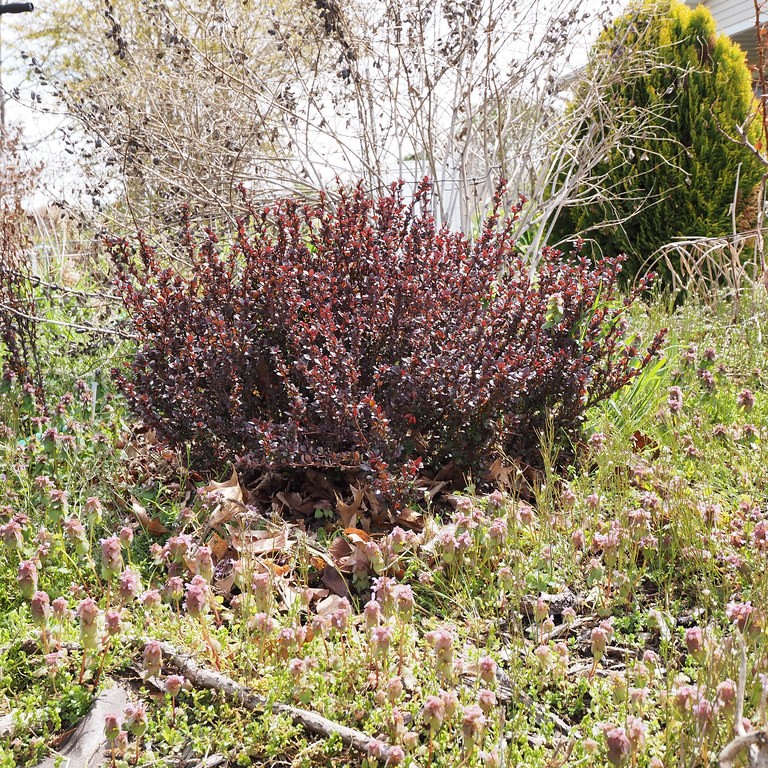
Japanese barberry
Berberis thunbergii f. atropurpurea 'Harlequin'
Overview
The Japanese barberry (Berberis thunbergii f. atropurpurea 'Harlequin') is a gorgeous plant that will brighten any garden with its eye-catching pink, yellow, white, and purple foliage. It’s a low-maintenance shrub that’s resilient to drought, heat, and cold. The hardy plant can even survive in poor soil conditions. Ideal for use as an ornamental hedge, its deciduous leaves transform a dull garden into an amazingly bright, well-defined landscape. Moreover, it provides a burst of color in the fall. If you’re looking for a low-maintenance, easy-to-care-for, and colorful plant, then Japanese barberry will make a perfect choice for your garden.
Care Guide
Watering
Japanese barberry (Berberis thunbergii f. atropurpurea 'Harlequin') should be watered regularly, about once a week throughout the growing season, and deep soaked. Make sure the soil is damp but not soggy to the touch. Water only when the top inch of the soil dries out. Provide more water during hot and dry periods to prevent wilting. Reduce watering slightly in winter and late fall, as the plant goes dormant, but always make sure that the soil is still moist.
Light
Japanese barberry (Berberis thunbergii f. atropurpurea 'Harlequin') may be grown in full sun to partial shade, though full sun will produce the best flowering and leaf color. In full sun, this plant will receive at least 6 hours of direct sunlight each day. During the hot summer months, you may want to provide some afternoon shade to protect the foliage from sunburn.
Temperature
Hardiness zone 4–8.
Pruning
Japanese barberry is a dense shrub, so it should only be pruned for maintenance or for shaping in early spring before new growth begins. Prune lightly and selectively, removing only a few older, woody stems at a time. Shape the plant by pruning to an outline that is even and attractive. Prune no more than 1/3 of the total foliage at any 1 time, as this may cause damage or shock to the plant.
Propagation
Cutting, Layering Propagation, Grafting Propagation, Division, Seed Propagation
Uses & Symbolism
Attracts: Birds.
Related plants
Other plants you might like if you grow Japanese barberry.
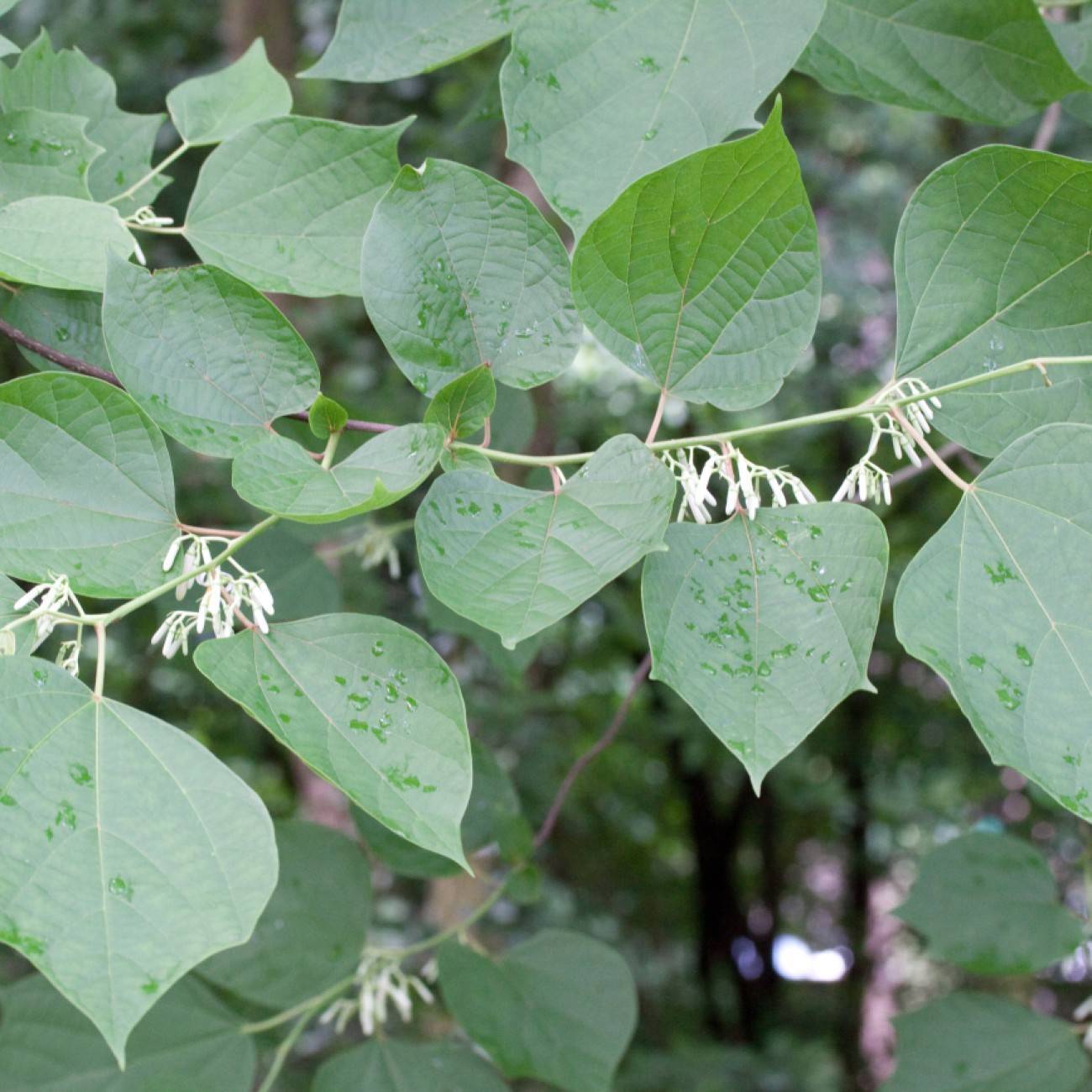
alangium
Alangium platanifolium var. macrophyllum
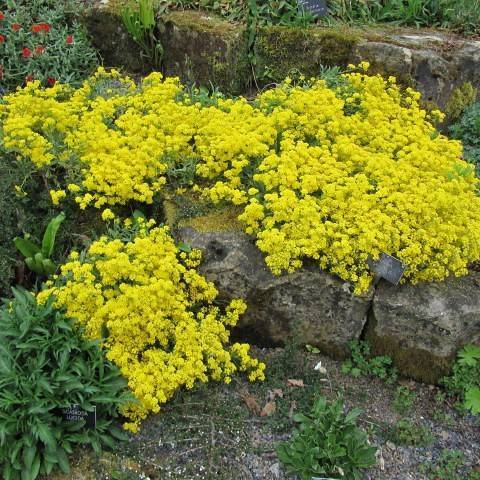
basket of gold
Aurinia saxatilis 'Gold Dust'
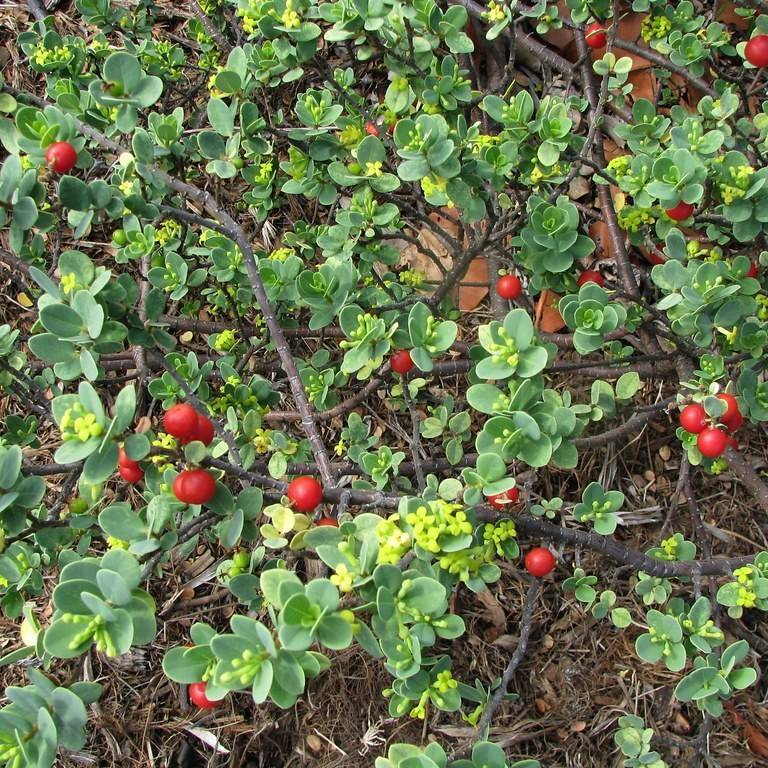
bearberry
Arctostaphylos uva-ursi 'Wood's Red'
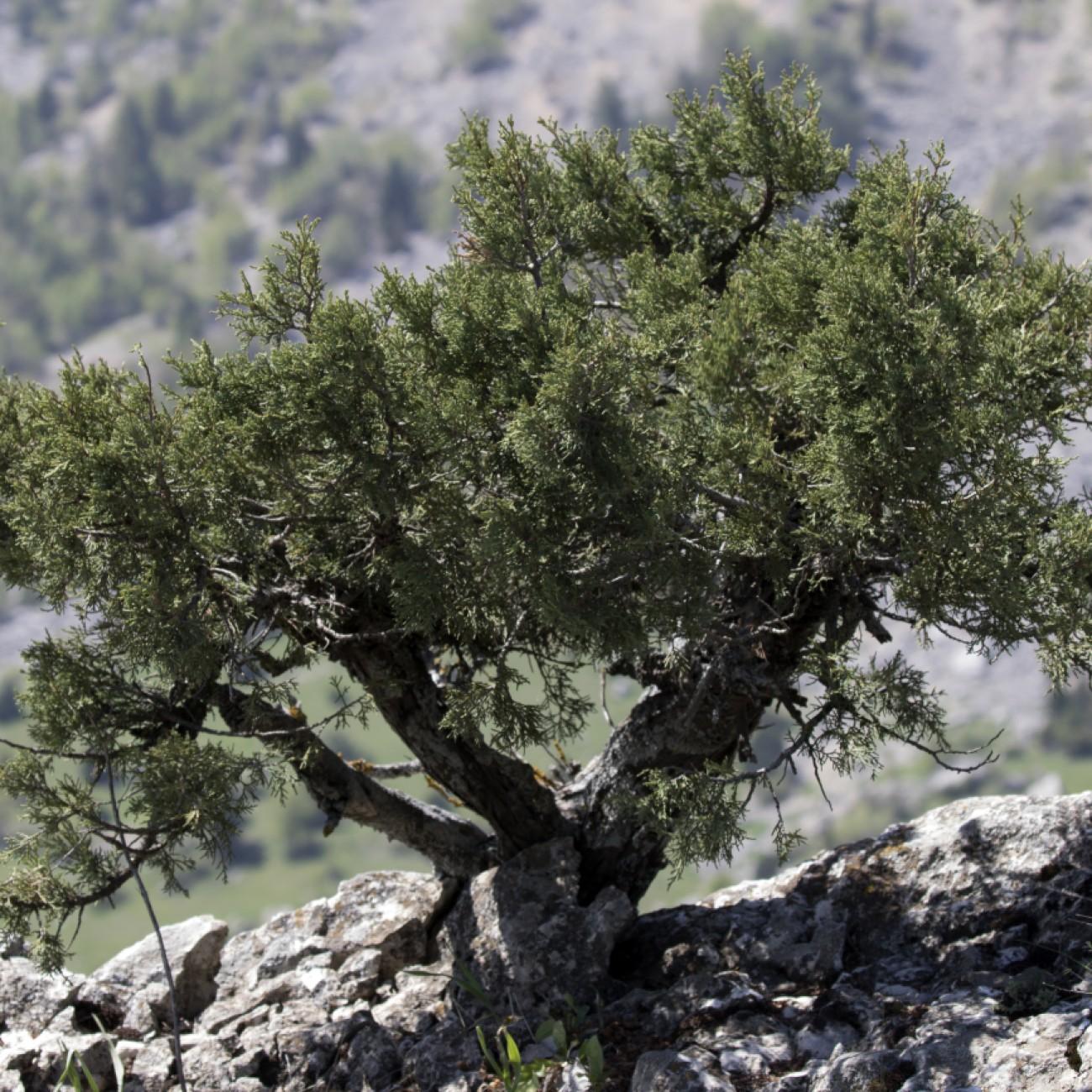
Blue Chip Juniper (tree form)
Juniperus horizontalis 'Blue Chip (tree form)'
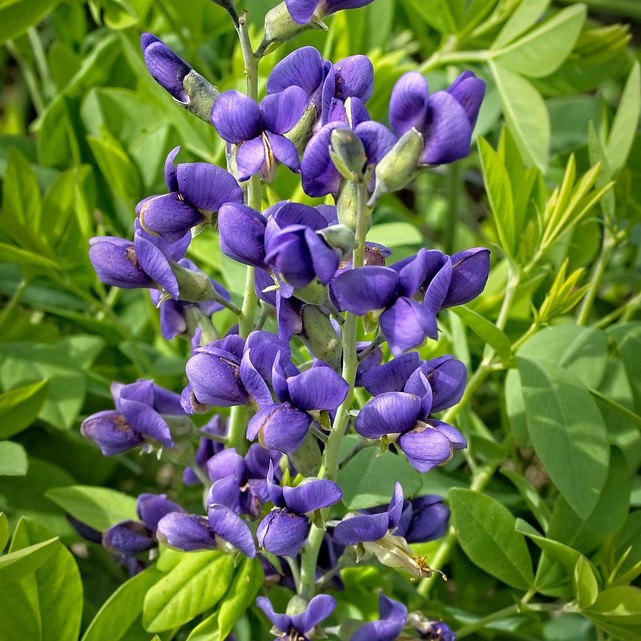
blue false indigo
Baptisia australis
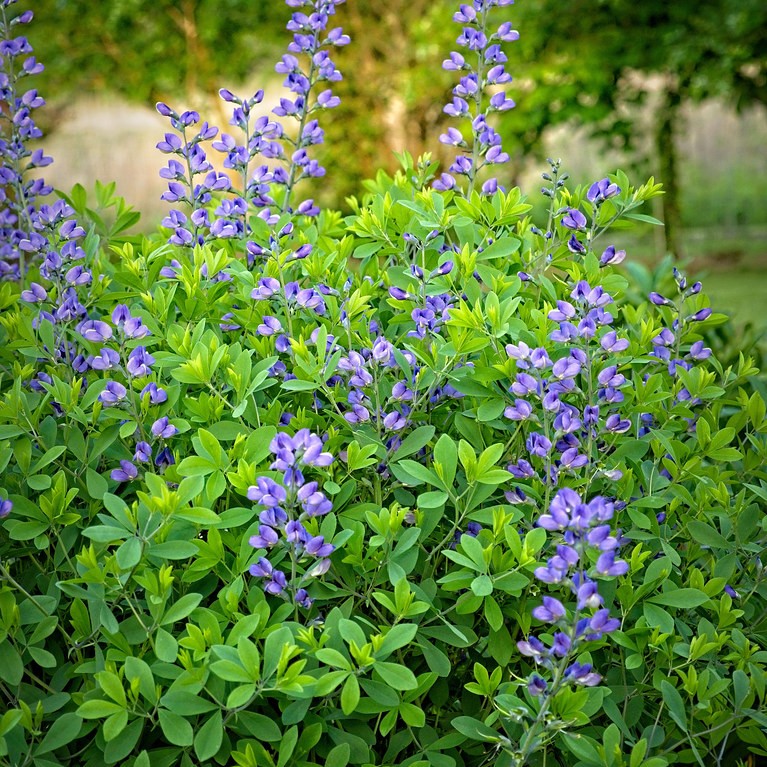
blue false indigo
Baptisia australis var. minor
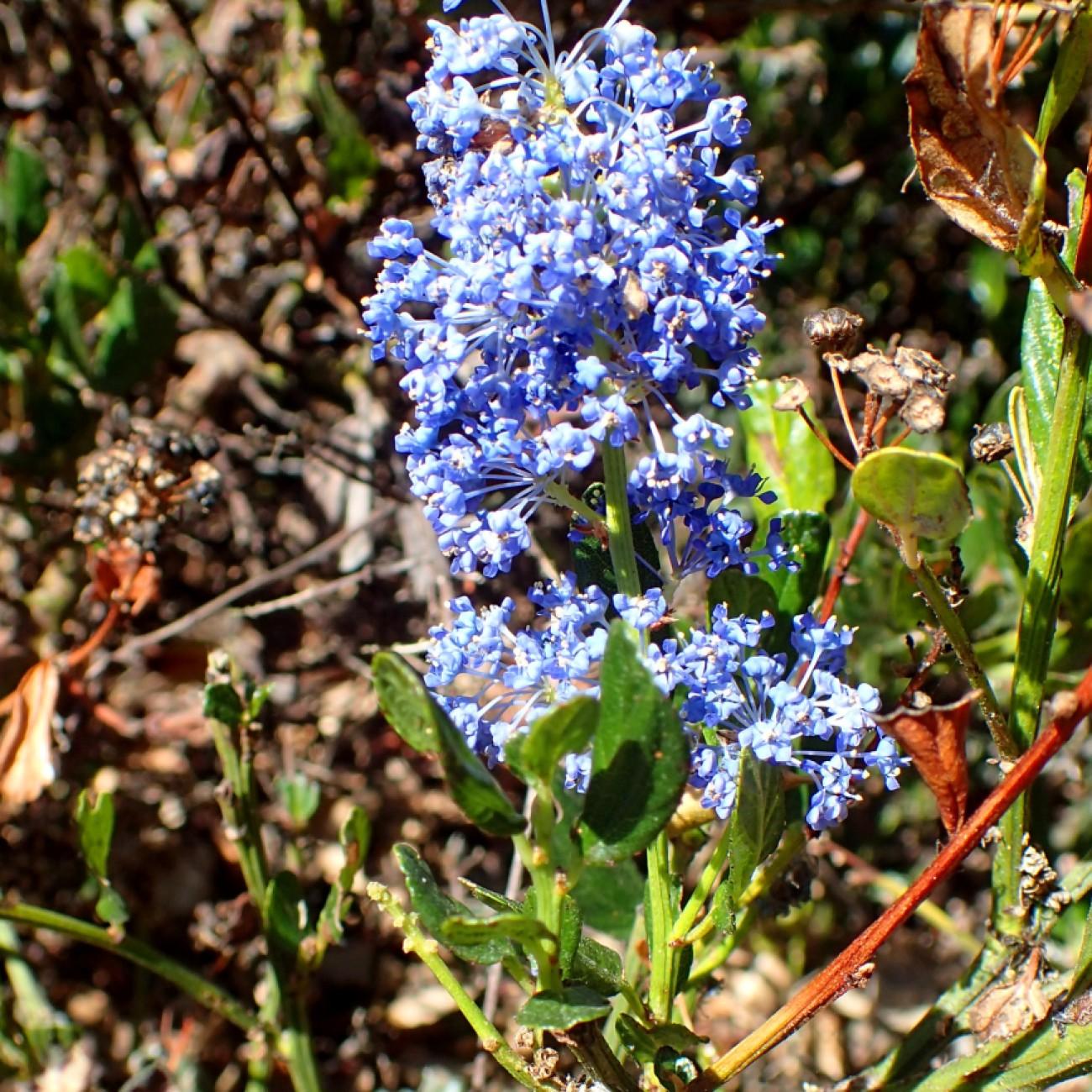
blue mountain lilac
Ceanothus thyrsiflorus 'Skylark'
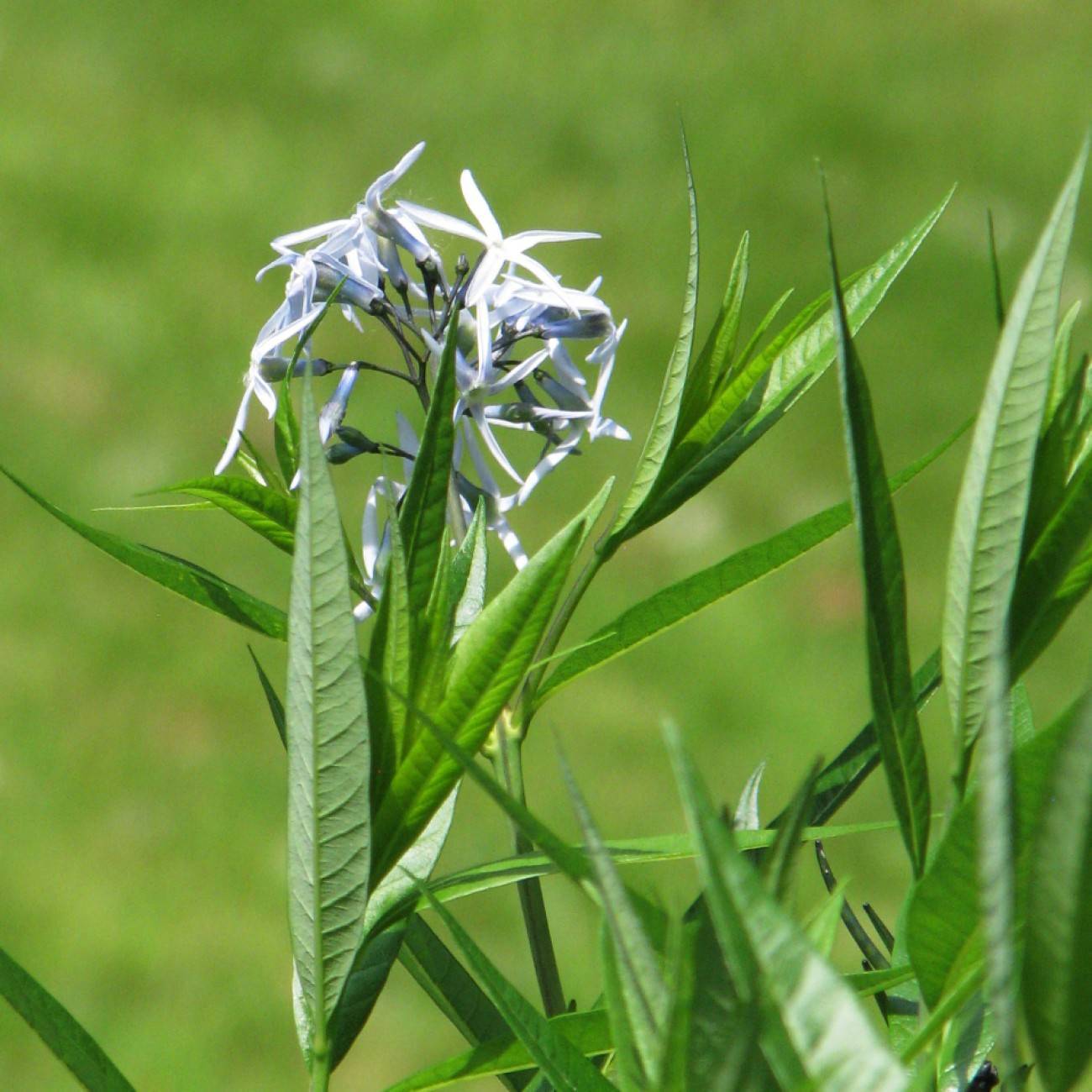
blue star
Amsonia ciliata var. filifolia 'Georgia Pancake'