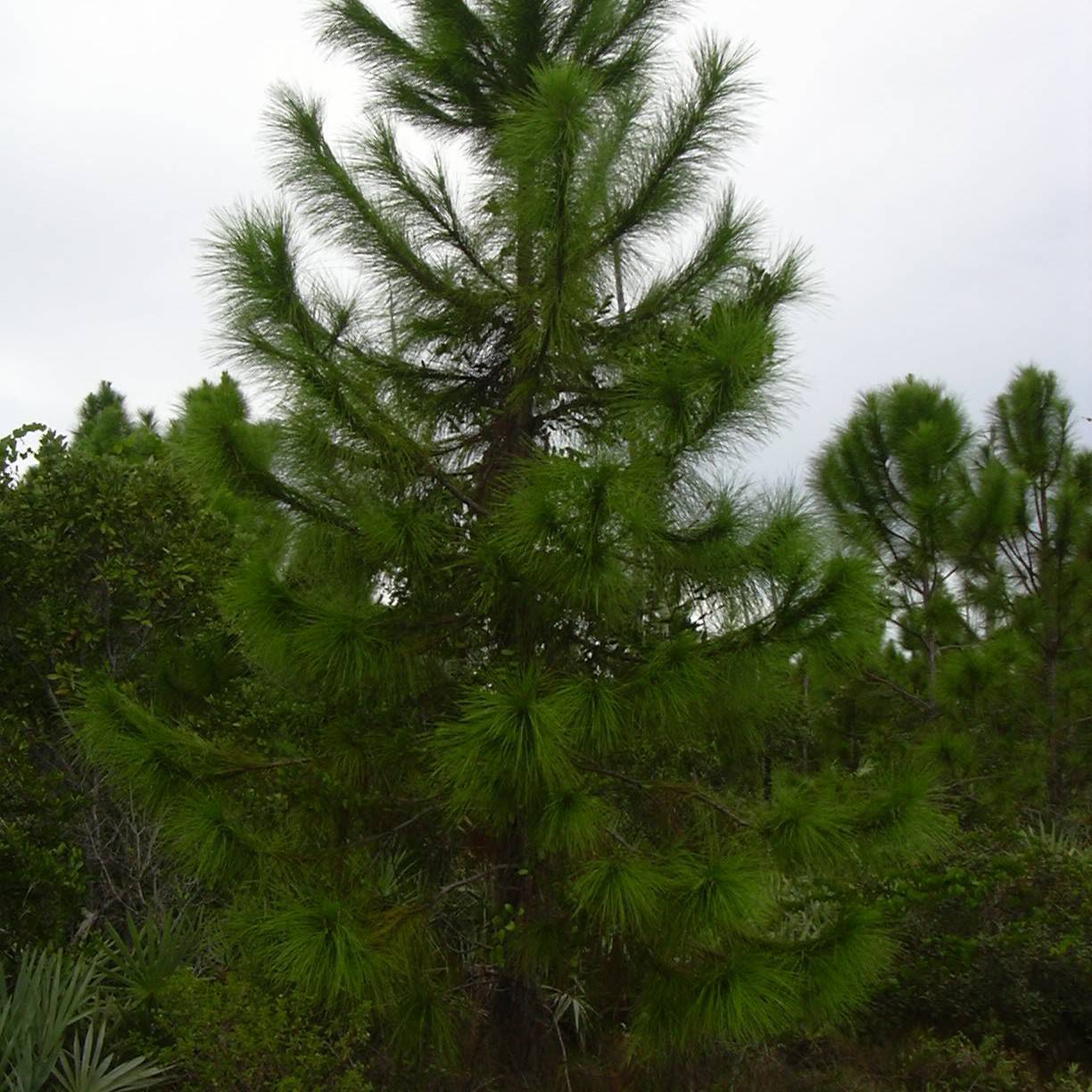
Japanese cedar
Cryptomeria japonica 'Radicans'
Overview
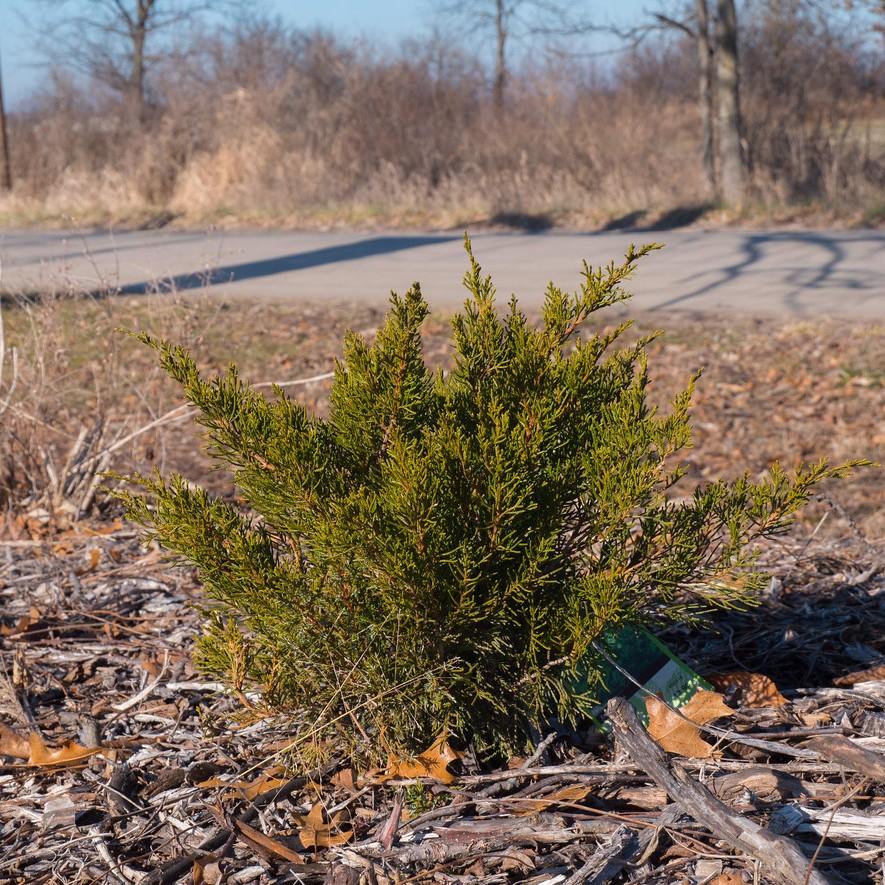
The Japanese cedar (Cryptomeria japonica 'Radicans') is an amazing coniferous evergreen. It grows as a low, wide-spreading tree, with rich green foliage that keeps its color year-round. It is easy to maintain and is resistant to drought and pests. Its reddish-brown bark offers a beautiful contrast to its colorful foliage. In the spring, it produces small brown cones that persist throughout the winter. The Japanese cedar can withstand cold temperatures and is often used as a specimen tree in ornamental gardens, with its beautiful trunk and stunning foliage. It is a magnificent plant that is sure to make a statement in any landscape.
Care Guide
Watering
Japanese cedar thrives best when watered moderately and consistently, usually about once or twice a week, depending on the climate and season. The soil should be kept evenly moist, and you may water more frequently during the hot, dry summer months. To check if a plant needs to be watered, stick your finger into the soil a couple inches deep; if the soil feels dry and comes away easily, it’s time to water. Avoid over-watering as this can lead to root rot and fungal diseases.
Light
Japanese cedar, also known as Cryptomeria japonica 'Radicans', needs direct sunlight between 4 to 6 hours per day. The best source of sunlight is morning and mid-afternoon sunlight. For this species, full sun is best for most of the day, though some afternoon shade may be beneficial if the summers are hot or climates are dry. During the winter, however, Japanese cedars may benefit from additional sunlight as the days become shorter and the temperature drops.
Soil
Acidic, Humus rich, Well-drained
Temperature
Hardiness zone 7–7.
Pruning
Japanese Cedar should be pruned twice a year to maintain its natural shape and control its size. The first pruning should occur in late winter or early spring, when the new buds are just beginning to form. At this time, remove any dead, dying or diseased branches, and any branches that are growing out of shape. Prune out any branches that cross inside the plant or do not fit the desired shape of the plant. The second pruning should occur in summer or early fall, after most of the new growth has finished. Remove any weak and spindly branches, as well as any branches that are overcrowding the plant or growing in an unsightly way. Shorten any overly long branches to reduce the overall size of the plant.
Propagation
Seed Propagation, Cutting
Diseases & Pests
Common pests: Pest resistant, Rabbit resistant.
Related plants
Other plants you might like if you grow Japanese cedar.
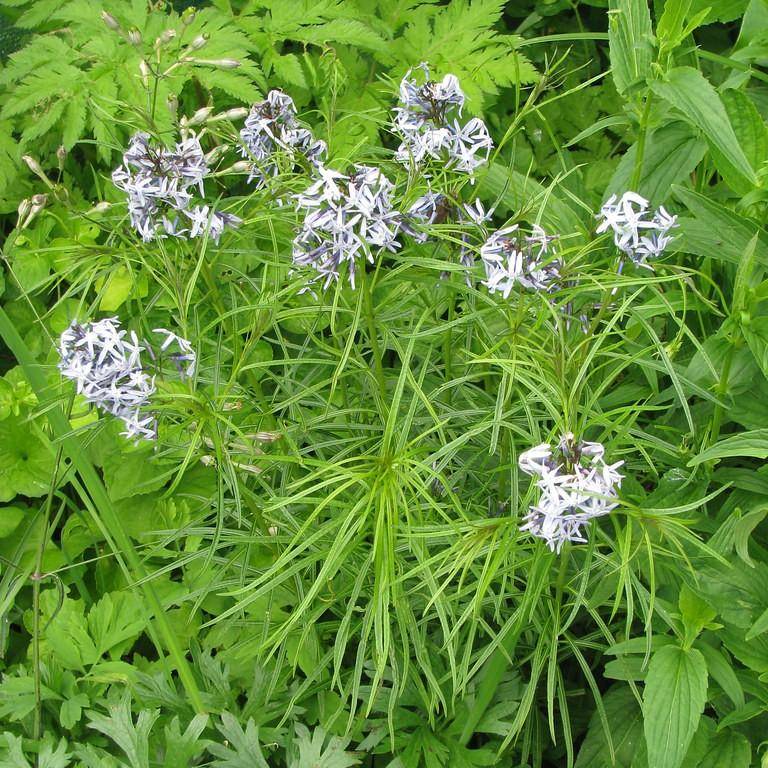
blue star
Amsonia hubrichtii
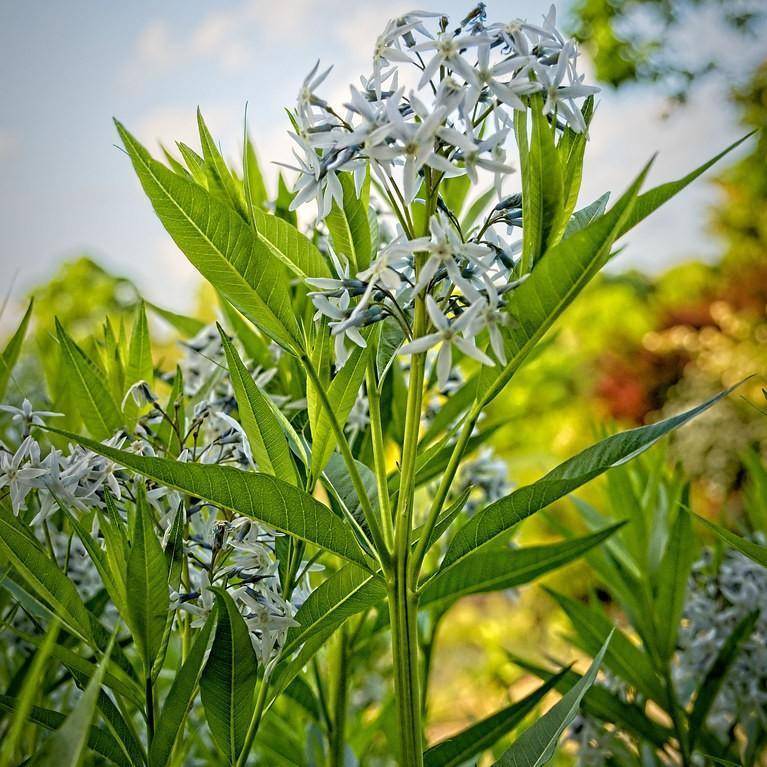
blue star
Amsonia tabernaemontana
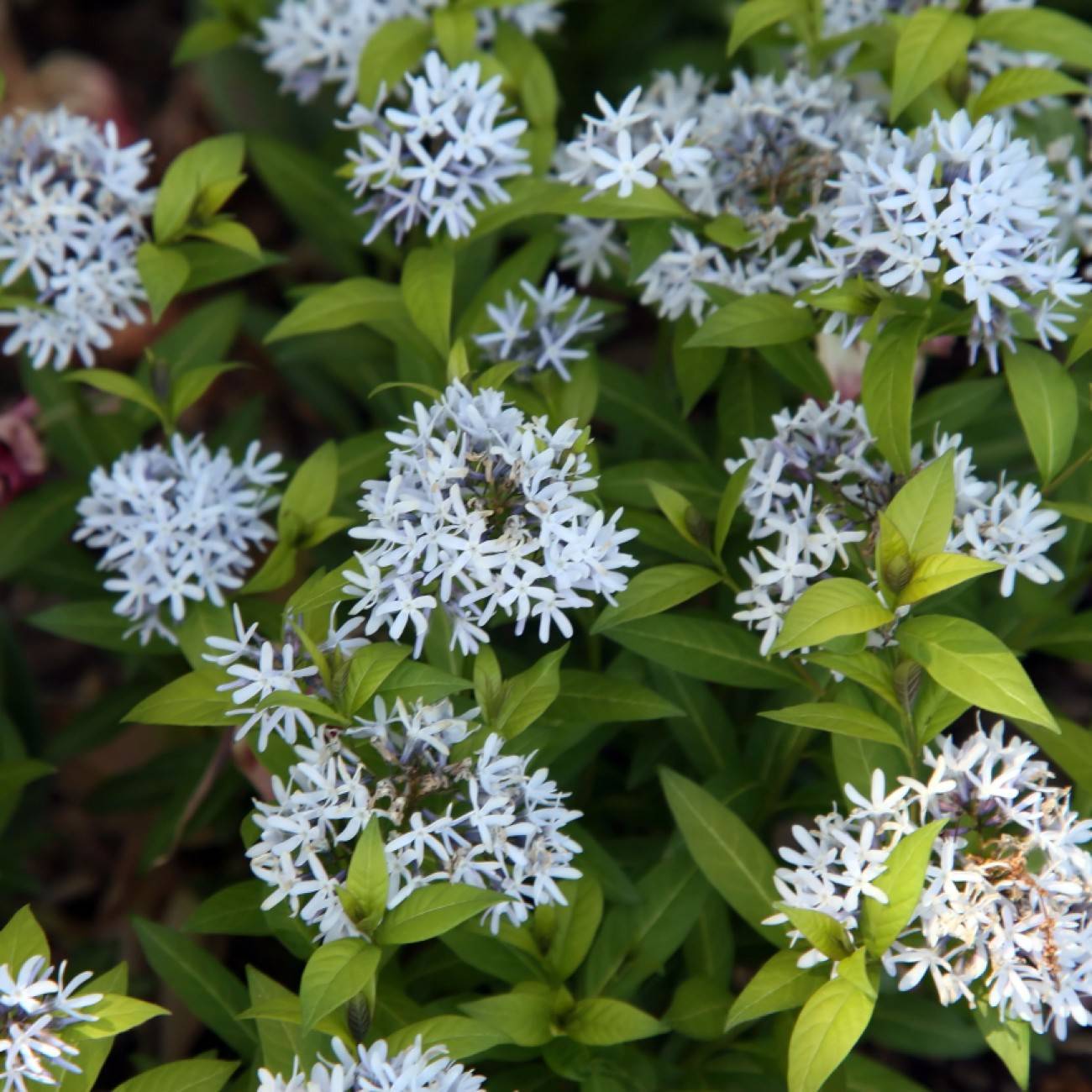
blue star
Amsonia tabernaemontana 'Montana'
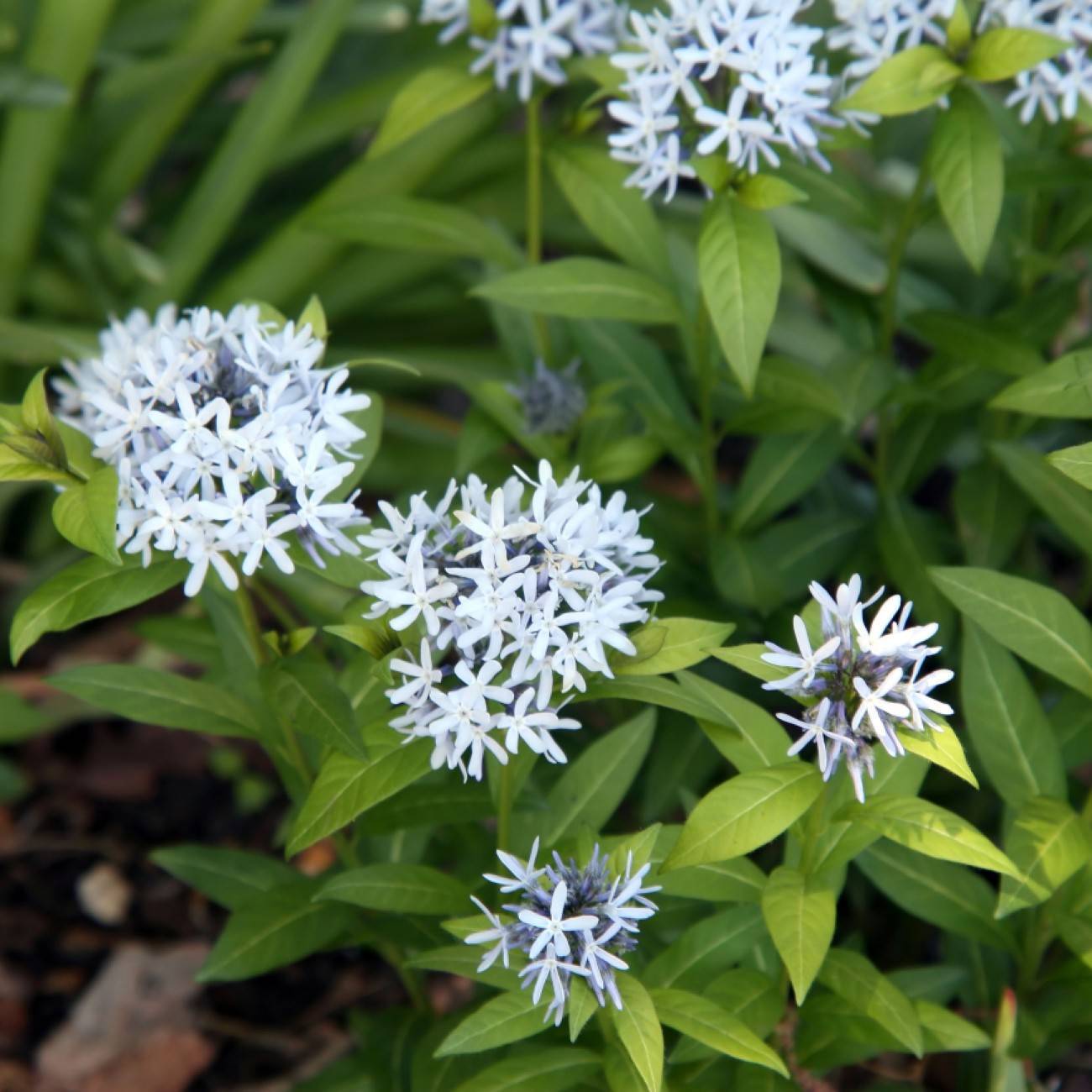
blue star
Amsonia tabernaemontana 'Storm Cloud'
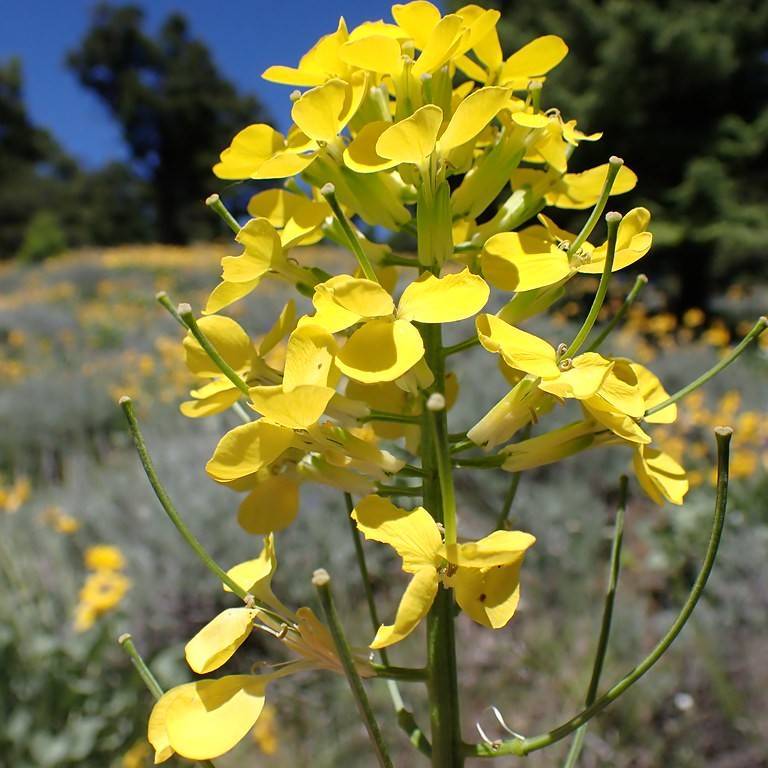
coastal wallflower
Erysimum capitatum
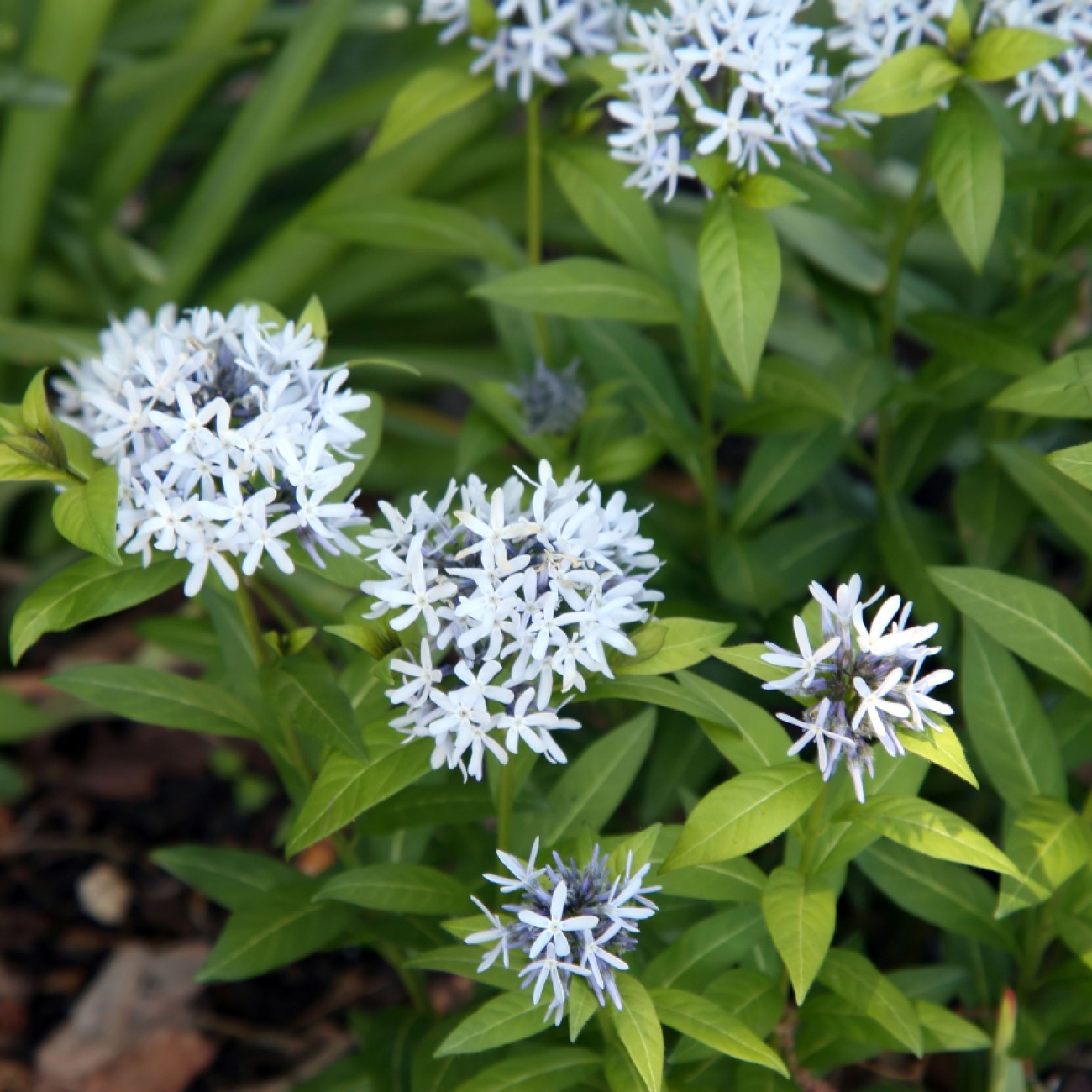
dwarf blue star
Amsonia tabernaemontana 'Short Stack'
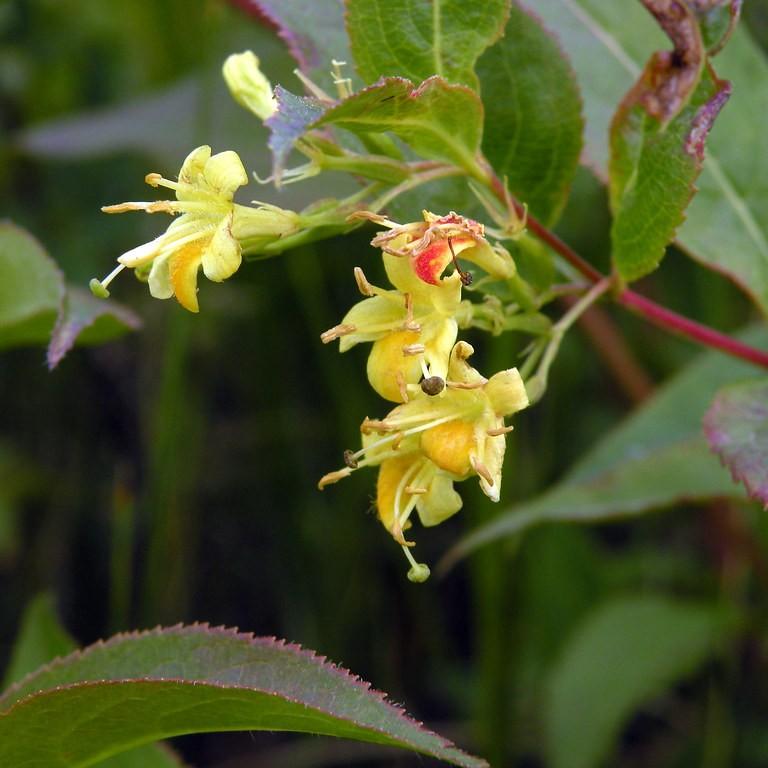
dwarf bush-honeysuckle
Diervilla 'Copper'
Dwarf Japanese garden Juniper (tree form)
Juniperus procumbens 'Nana (tree form)'