lily of the Nile
Agapanthus (group)
Overview
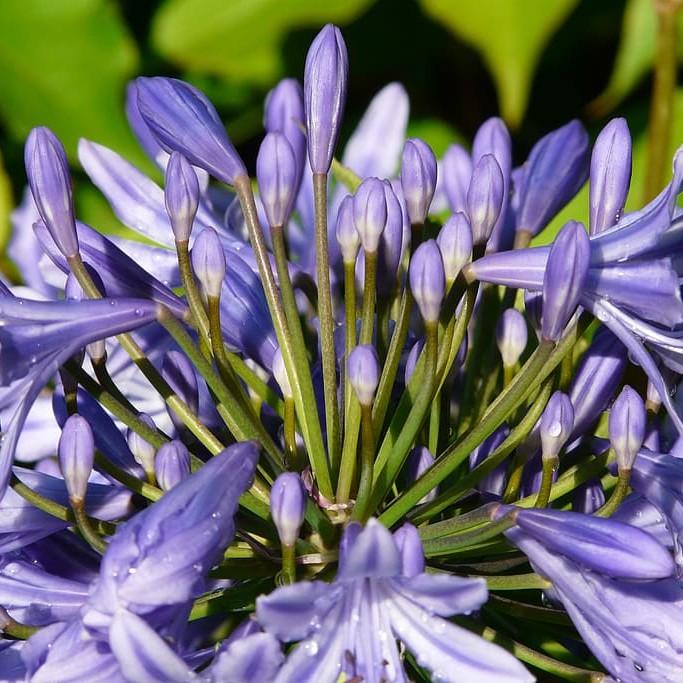
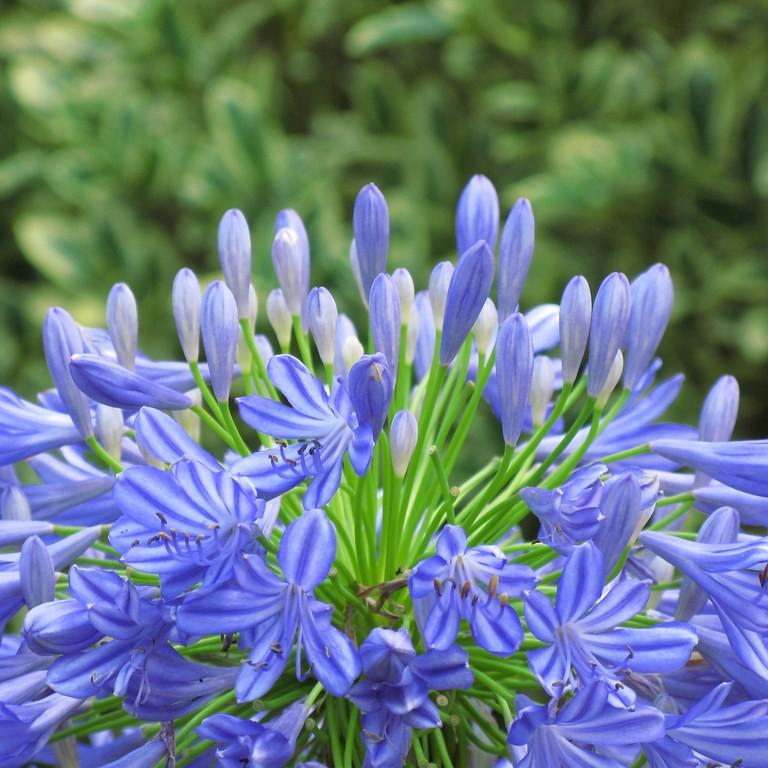
The lily of the Nile (Agapanthus) is an amazing plant species that is well-known for its large, blue-purple flowers. It is a hardy and drought tolerant perennial, making it the ideal choice for a garden that requires minimal care. The lily of the Nile has lush green foliage and can grow up to three feet in height. Additionally, the fragrant blooms make it a great choice for a showy addition to a garden or patio area. Unique to this species is the fact that it bears no fruit or seed, making it a great option for gardeners looking for a more low-maintenance plant. Its unique beauty, drought resistance, and vibrant blooms make it an amazing choice for any garden.
Care Guide
Watering
Lily of the Nile (Agapanthus (group)) should be watered weekly and deeply, allowing the soil to become almost dry between waterings. During the growing season (spring to fall), water plants deeply once every 1 to 2 weeks. During the winter months, water the plants only occasionally, no more than once per month. When watering plants, ensure that the water can penetrate deeply into the soil. For outdoor containers, place a garden hose at the base of the pot and let the water run slowly for several minutes. For indoor containers, water until the water exits the drainage holes at the bottom of the pot.
Light
Lily of the Nile (Agapanthus) is a plant species that thrives in bright sunlight. During the spring and summer months, it should receive at least 6 hours of direct sunlight each day. During the winter months, Agapanthus will do best with 4-5 hours of direct sunlight each day, though they will still benefit from additional indirect sunlight as well. The ideal sunlight for Agapanthus is when the sun is high in the sky, from mid-morning to mid-afternoon, preferably avoiding the hottest part of the day.
Temperature
Hardiness zone 6–10.
Pruning
The best time to prune Lily of the Nile is in late winter or early spring right before the new growth appears. This is typically when the plant is still dormant and any dead or damaged leaves have already fallen off. Pruning should be minimal since the plant is not very vigorous and very sensitive to pruning; removing too much of the old foliage can weaken the plant. If you do need to prune the plant, use sharp pruning shears to carefully trim off any dead, yellowed, or damaged leaves. It is also a good idea to remove any flower stems that have begun to dry out or discolor. Pruning in this way will help ensure healthy growth and blooming throughout the new season.
Propagation
Division, Cutting, Seed Propagation, Layering Propagation
Related plants
Other plants you might like if you grow lily of the Nile.