lily of the Nile
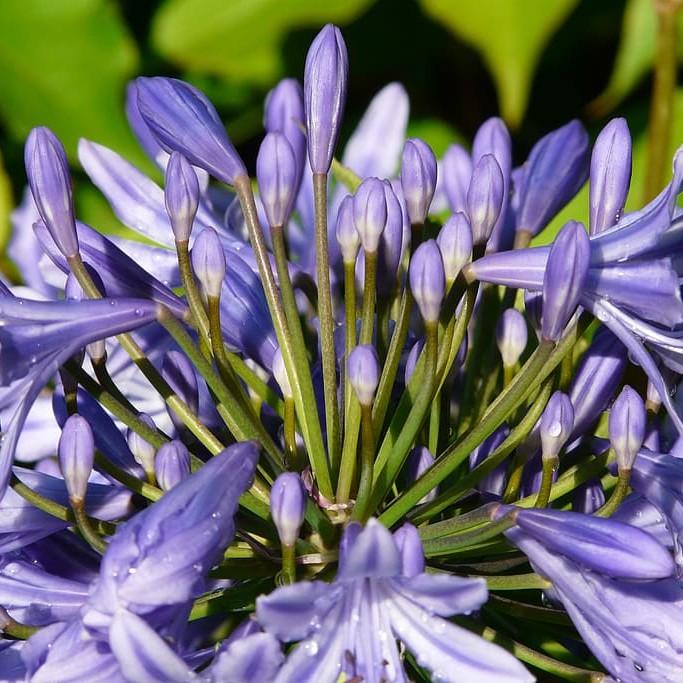
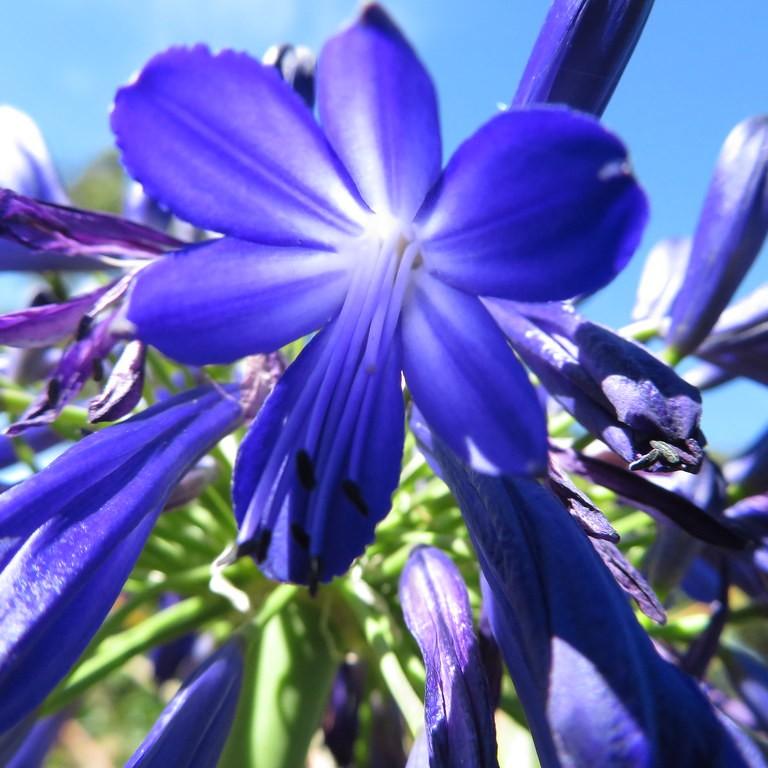
Agapanthus 'Kingston Blue'
Overview
Lily of the Nile is a stunningly beautiful flowering plant with vibrant blue flowers. Its flowers are clustered in round umbels on long flowering stems and are adored by pollinators like bees and hummingbirds. It's a low-maintenance, drought-resistant perennial with thick strap leaves that adds a structural and structural beauty to any garden. Its hardy rootstock and fast growth rate makes it ideal for landscaping where a low-maintenance yet exotic beauty is needed. It thrives in full sun and moderate temperature, so it is perfect for gardens in the southern United States such as Oklahoma and Texas. The dark green foliage and bold flowering umbels make it an amazing addition to any garden.
Care Guide
Watering
Water Lily of the Nile deeply and slowly once per week during the summer season. Make sure to water only during the coolest part of the day, either in the morning or early evening. Water until it runs from the bottom of the pot. Allow the soil to dry slightly between waterings. Reduce watering during the winter season only when temperatures are consistently cool and rainfall is regular. Do not allow the soil to dry out completely.
Light
Lily of the Nile is a sun-loving plant that requires at least 6 hours of sunlight per day. Full sun is optimal for best bloom and foliage growth. If you live in a hot climate, partial shade is ideal to keep the plants from getting too much intense sunlight that can cause sunburn. During the summer, direct sunlight for afternoon hours is recommended to ensure proper flowering. In cooler climates, this plant can still benefit from a few hours of morning direct sun, followed by afternoon shade.
Temperature
Hardiness zone 7–10.
Pruning
Lily of the Nile (Agapanthus 'Kingston Blue') should be pruned in early spring to early summer. Trim off any dead leaves and dead flower stalks, being careful to leave plenty of intact leaf clumps at the base of the plant. Trim the tips of the foliage to give the plant a “rounded” look, but don’t take off more than 1/3 of the length of the leaves. Remove any diseased or damaged leaves, as well.
Propagation
Division, Cutting, Seed Propagation, Layering Propagation
Uses & Symbolism
Attracts: Birds, Butterflies.
Related plants
Other plants you might like if you grow lily of the Nile.