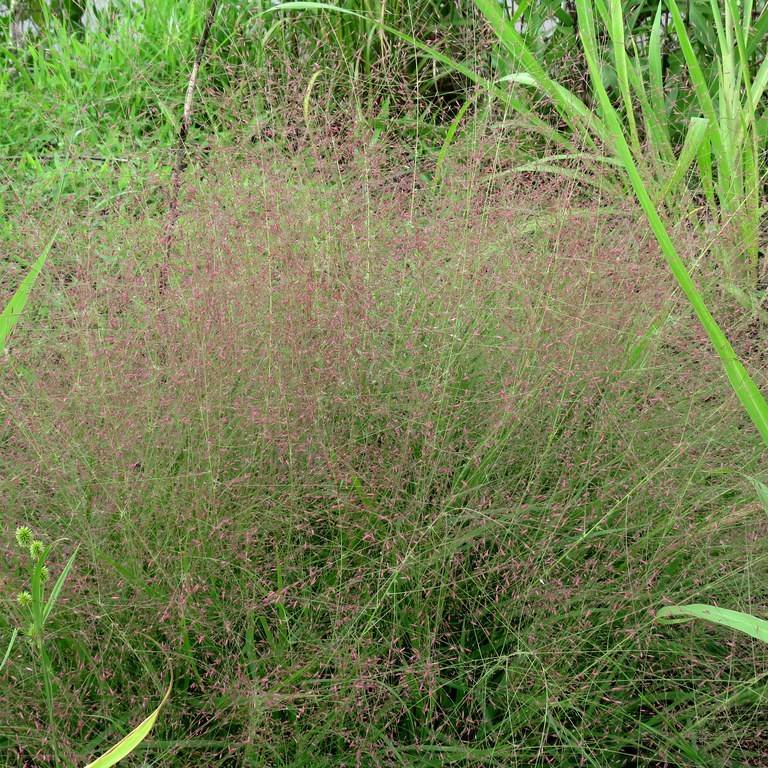
lovegrass
Eragrostis trichodes 'Bend'
Overview
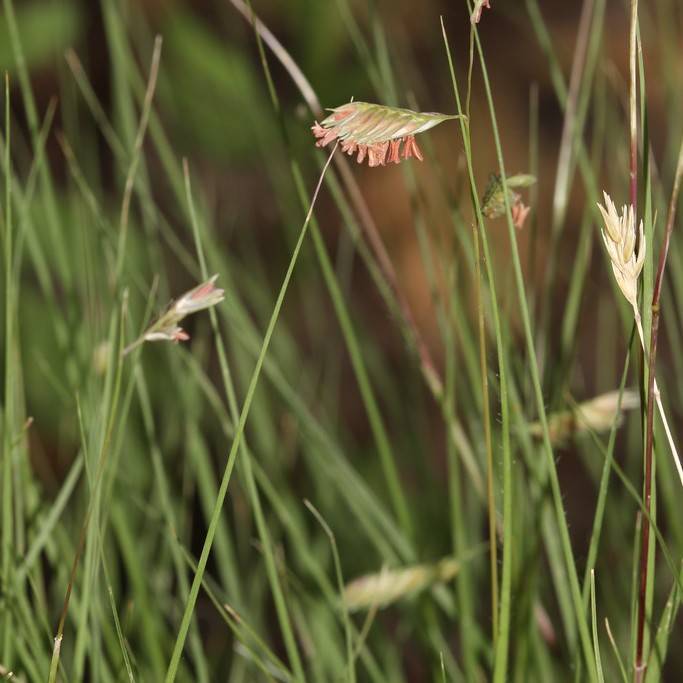
Lovegrass is an amazing ornamental grass species that is sure to bring beauty to any landscape. Its slender, blue-green foliage reaches up to three feet in length and is accented by small, white, tufted flowers that appear in the summer months. This plant provides much-needed texture and year-round color, making it ideal for beds, borders, and containers. Lovegrass also tolerates extreme temperatures and is drought-resistant, making it an excellent choice for low-maintenance gardening. Thanks to its low mowing requirements, lovegrass can also be used as ground cover in areas where turf grass won’t grow. With its gorgeous blooms and versatile use, you’ll love this grass!
Care Guide
Watering
Lovegrass thrives best with regular watering. Depending on the soil type and drainage, it typically requires 1-2 inches of water per week. This can be done by hand or via an irrigation system. It's best to water deeply and less often, so that the water is able to reach the root system. It's also important to allow the soil to dry down between waterings. Lovegrass can tolerate occasional periods of drought but it will not produce its best results without regular watering.
Light
Lovegrass (Eragrostis trichodes 'Bend') does best in full sun, with at least 6 to 8 hours of direct sunlight each day. If grown in partial shade, it may not flower as much and the foliage will not be as dense. For optimal growth, this variety should receive direct morning sunlight and some afternoon shade, which will help protect the leaves from burning.
Temperature
Hardiness zone 5–9.
Pruning
Lovegrass (Eragrostis trichodes 'Bend') is best pruned once or twice per year in late winter or early spring. Pruning this plant should entail cutting back dead and overly long stems to just above the new growth. Removing dead and damaged stems encourages the plant to produce more new foliage, and cutting back overgrown stems will prevent the plant from becoming spindly and non-uniform in appearance. Pruning should be done carefully, as this plant is quite delicate and can be easily damaged. Pruning should be done in moderation, as too much pruning can damage the plant and stunt its growth.
Propagation
Seed Propagation, Division, Cutting
Related plants
Other plants you might like if you grow lovegrass.
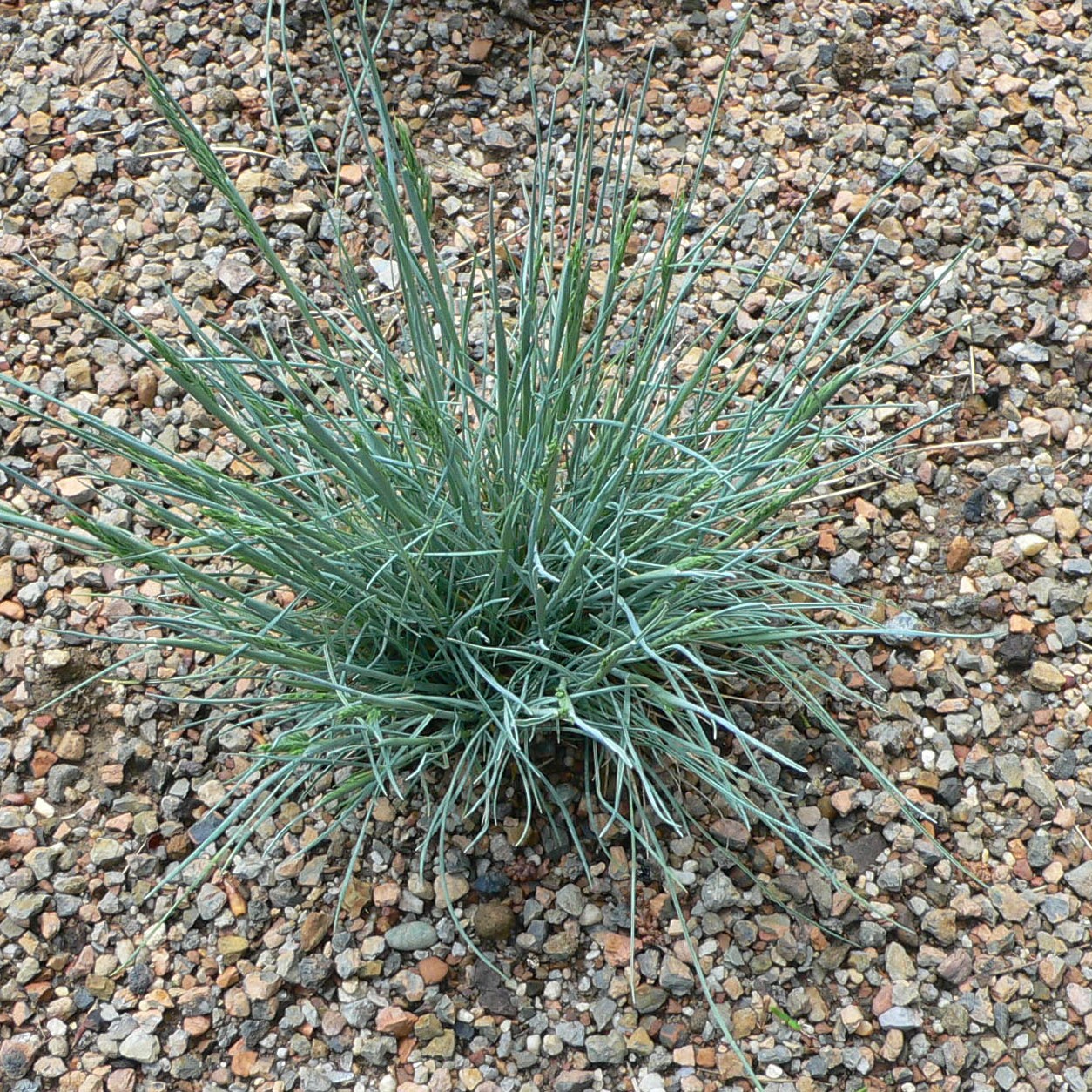
blue fescue
Festuca glauca
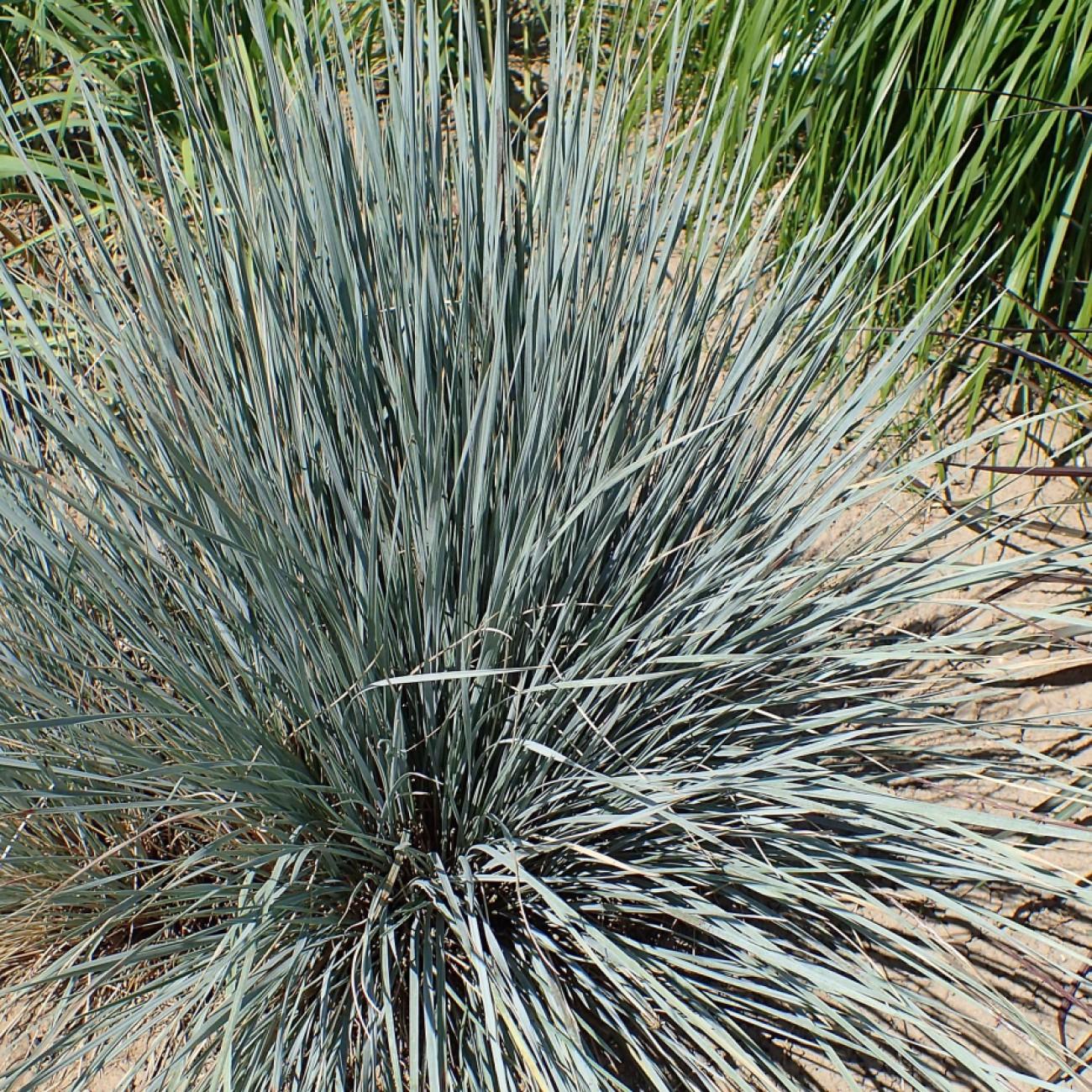
blue fescue
Festuca glauca 'Boulder Blue'
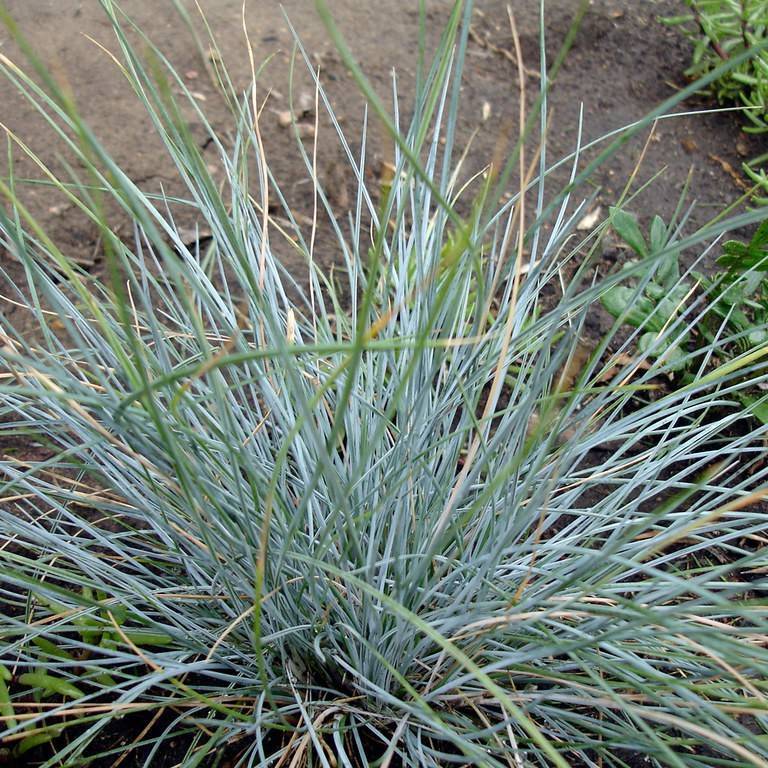
blue fescue
Festuca glauca 'Elijah Blue'
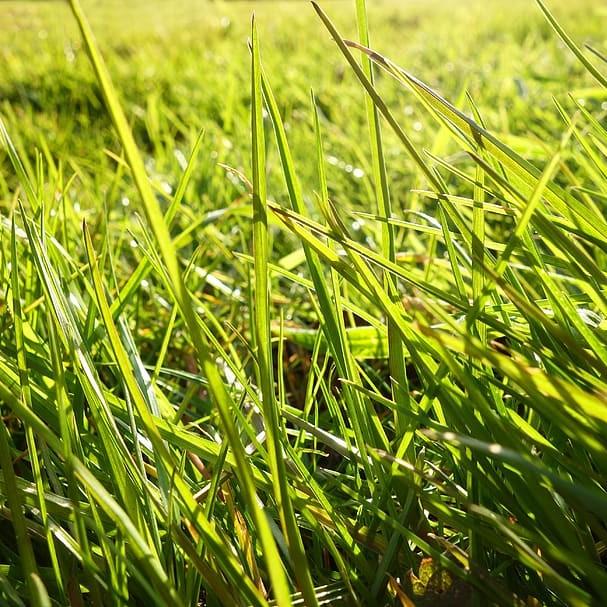
blue fescue
Festuca glauca 'Golden Toupee'
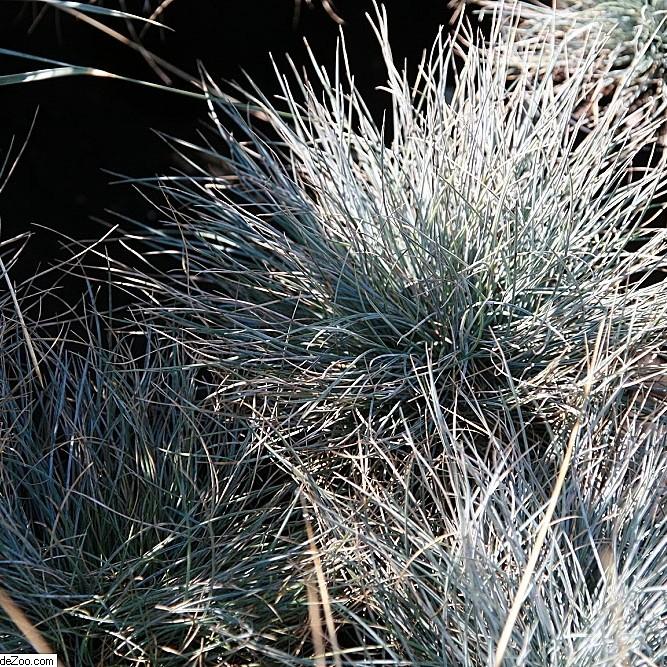
blue fescue
Festuca glauca 'Seeigel' SEA URCHIN
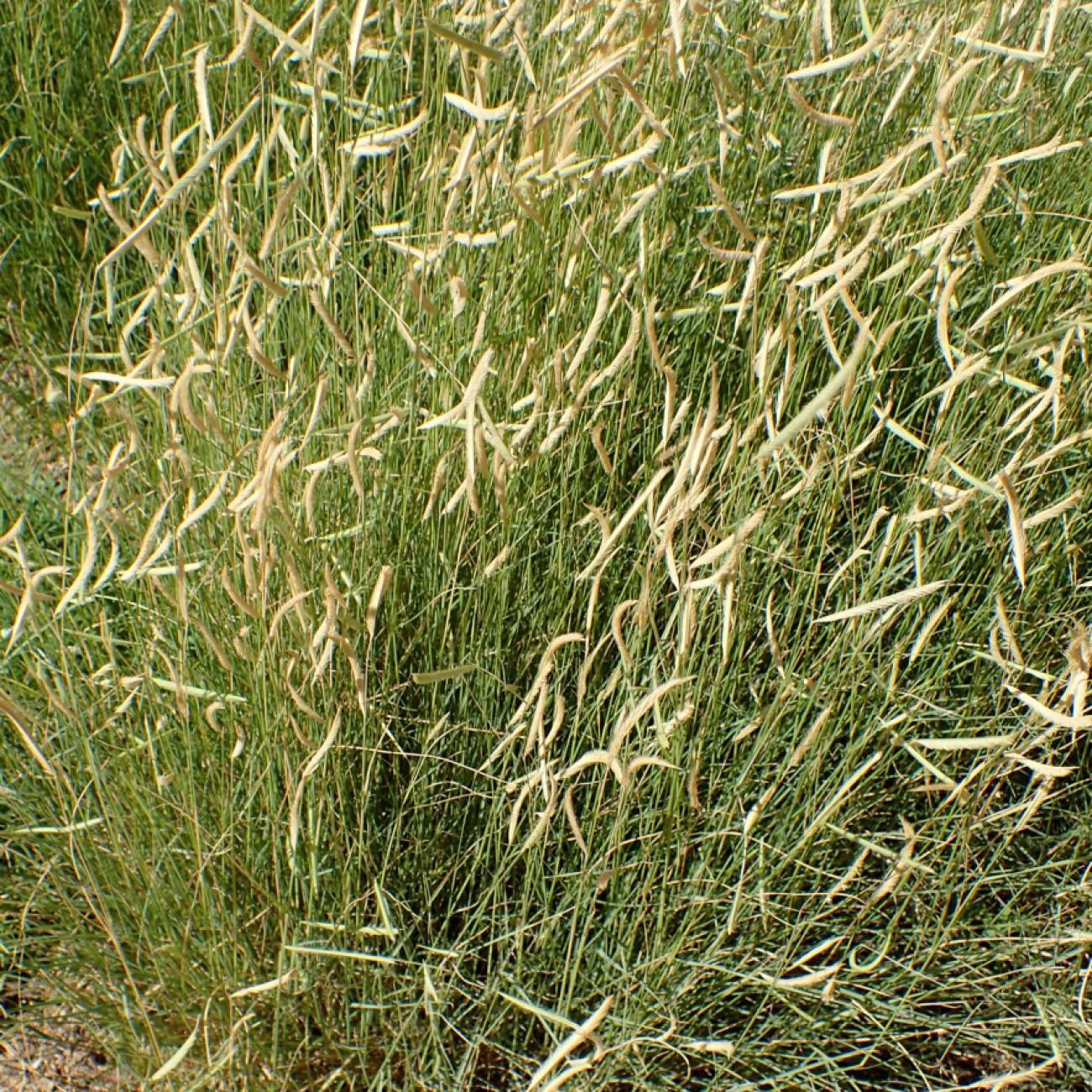
blue grama
Bouteloua gracilis 'Blonde Ambition'
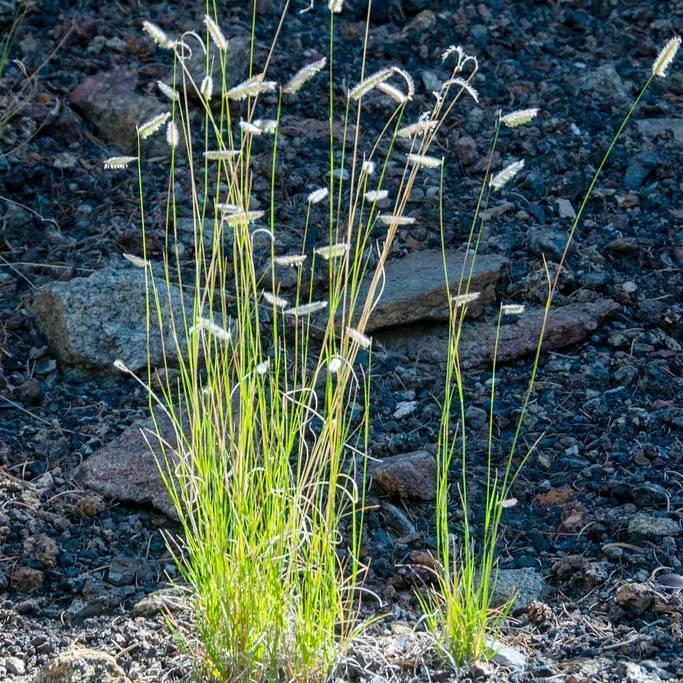
blue grama
Bouteloua gracilis 'Hachita'
buffalo grass
Buchloe dactyloides