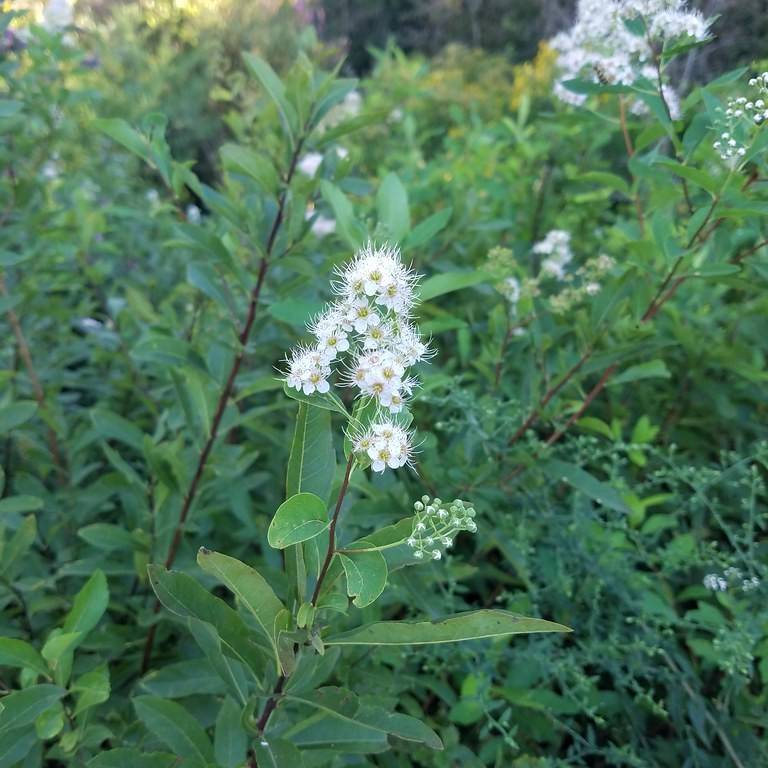
meadowsweet
Filipendula ulmaria 'Variegata'
Overview
Meadowsweet (Filipendula ulmaria 'Variegata') is an amazing species of plant! It features beautiful shrubs with pink and white flowers which bloom in the summertime. It grows well in both full sun and partial shade, providing a burst of color in any garden. Plus, it has a lovely aroma which is both soothing and calming. It is also an important source of food and shelter for bees and butterflies. Best of all, it is low-maintenance and requires minimal pruning and fertilizing. An attractive addition to any garden, Meadowsweet is both a tough and beautiful specimen!
Care Guide
Watering
Meadowsweet should be watered on a regular basis. Water the plant until the soil is moist but not soggy, approximately once every 7 to 10 days. Make sure to check the soil for moisture prior to watering; if the soil is already moist, skip watering until it has dried out some. Allow the soil to almost dry out between waterings, and avoid letting the plant sit in water. During the growing season, it should be watered more often when the temperatures are warmer/hot. Make sure to water the plant thoroughly (until it starts to run out of the drainage holes).
Light
Meadowsweet (Filipendula ulmaria 'Variegata') is a beautiful foliage plant with cream and pink variegated leaves that thrives in full sun or partial shade. It needs a minimum of 5-6 hours of direct sunlight per day for optimum growth, with more sunlight often leading to better foliage coloration. The plant may survive in as little as 4 hours of sunlight, but it may not flower or may suffer from stunted growth. When growing meadowsweet in warmer climates, it is best to give the plant some relief from the afternoon sun to prevent it from becoming stressed.
Temperature
Hardiness zone 3–9.
Pruning
Meadowsweet (Filipendula ulmaria 'Variegata') should be pruned during the spring months of March to April, as it will help promote more blooms and new growth. To prune, begin by removing any dead, diseased, or damaged branches, as well as any spent bloom stems from the previous season. Then lightly cut back any overly long branches to where there are new buds emerging and no more than about 2-thirds of the overall length. Make sure to keep the overall shape of the plant in mind when pruning.
Propagation
Division, Cutting, Layering Propagation, Seed Propagation, Grafting Propagation
Related plants
Other plants you might like if you grow meadowsweet.
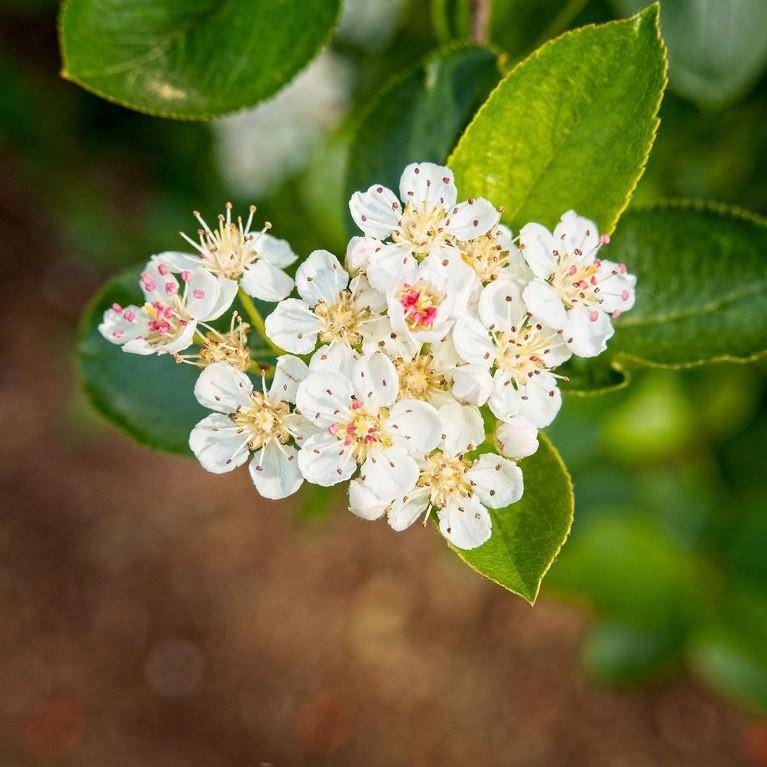
black chokeberry
Aronia melanocarpa
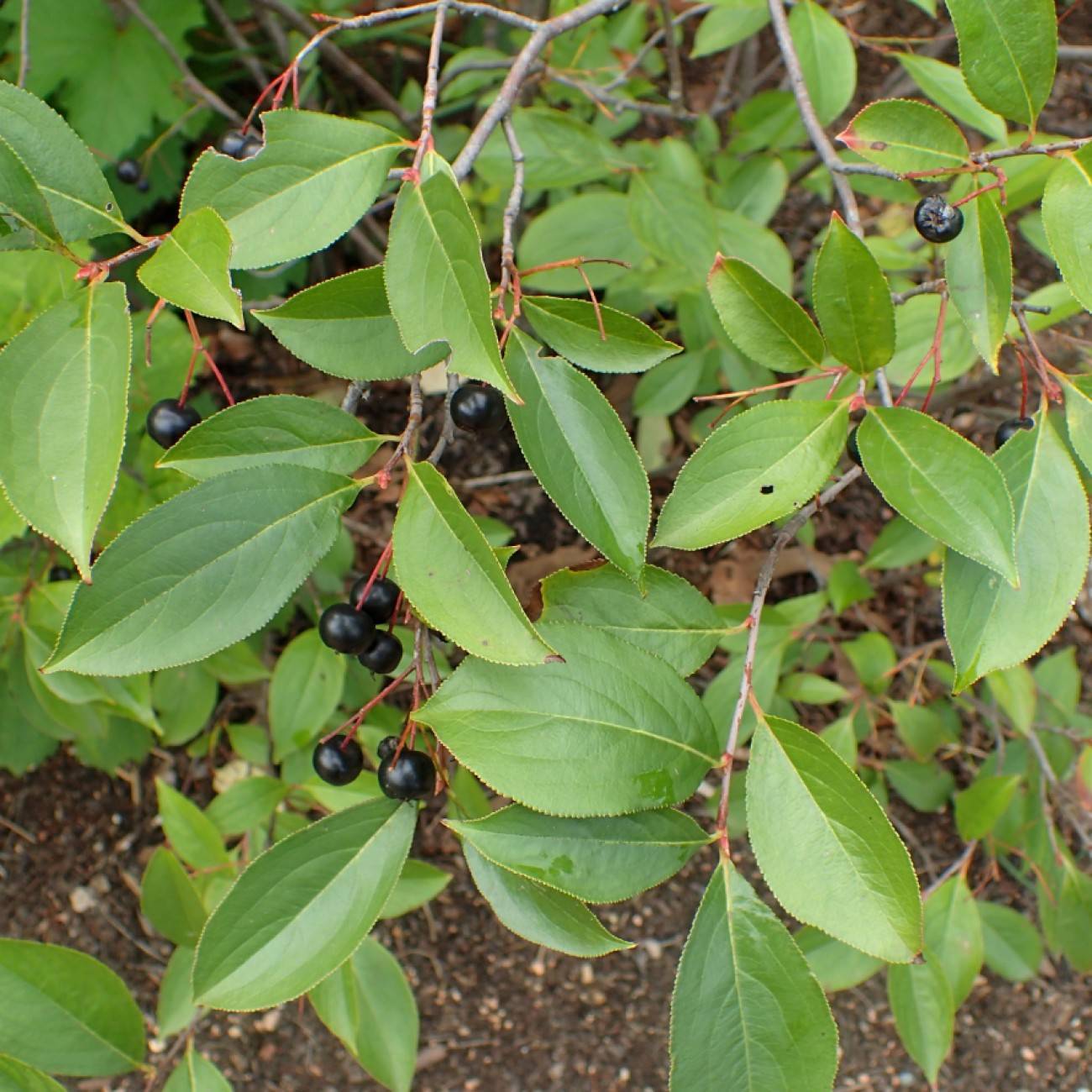
black chokeberry
Aronia melanocarpa var. elata
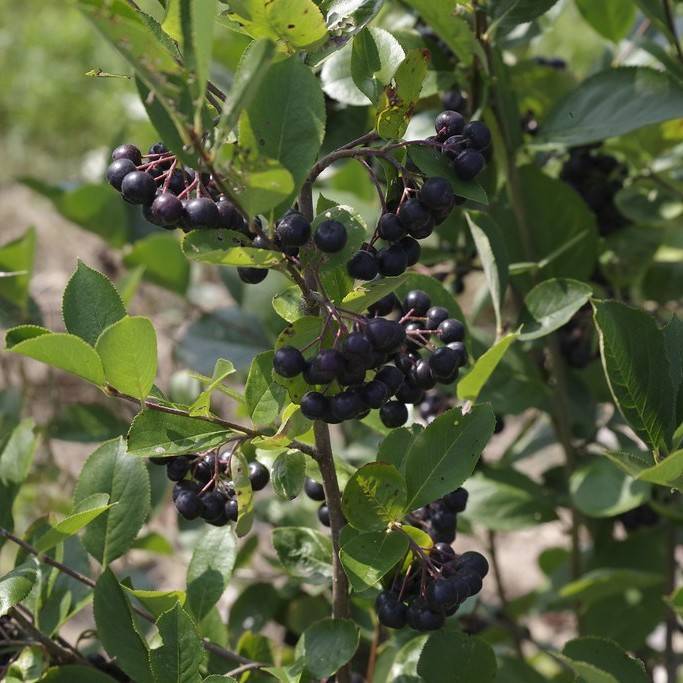
black chokeberry
Aronia melanocarpa 'Viking'
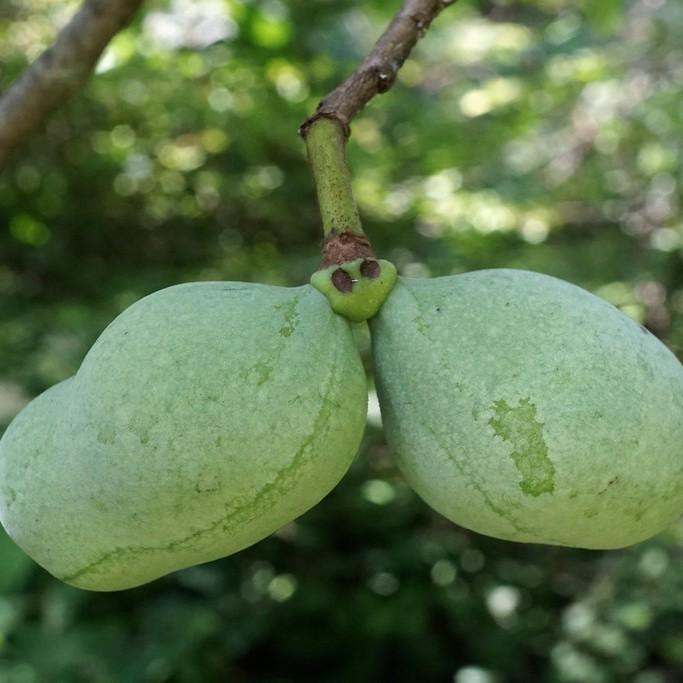
Common Paw Paw
Asimina triloba
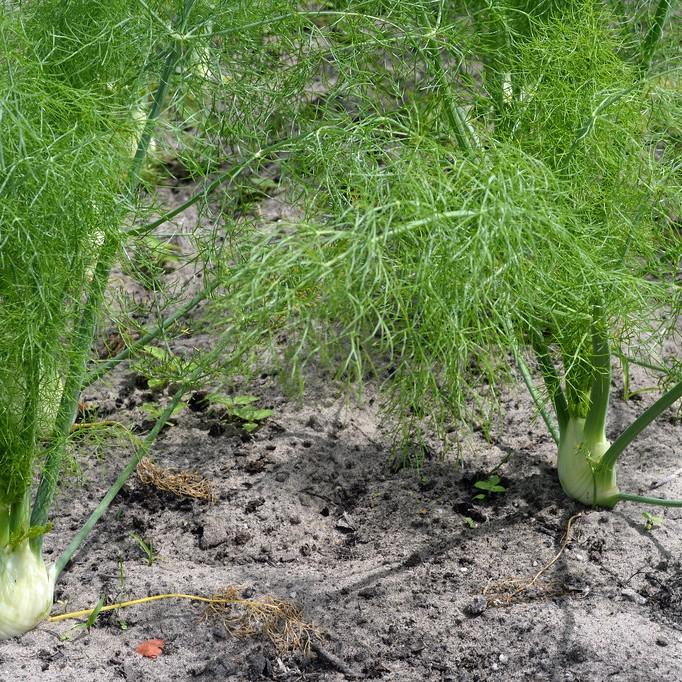
fennel
Foeniculum vulgare 'Purpureum'
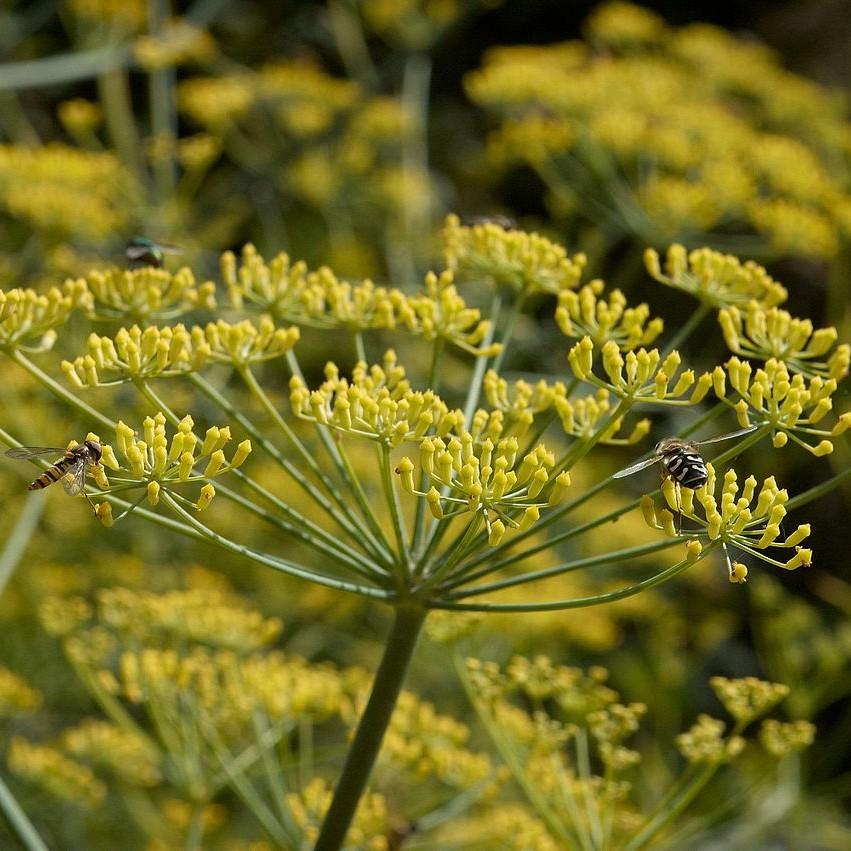
fennel
Foeniculum vulgare 'Smokey'
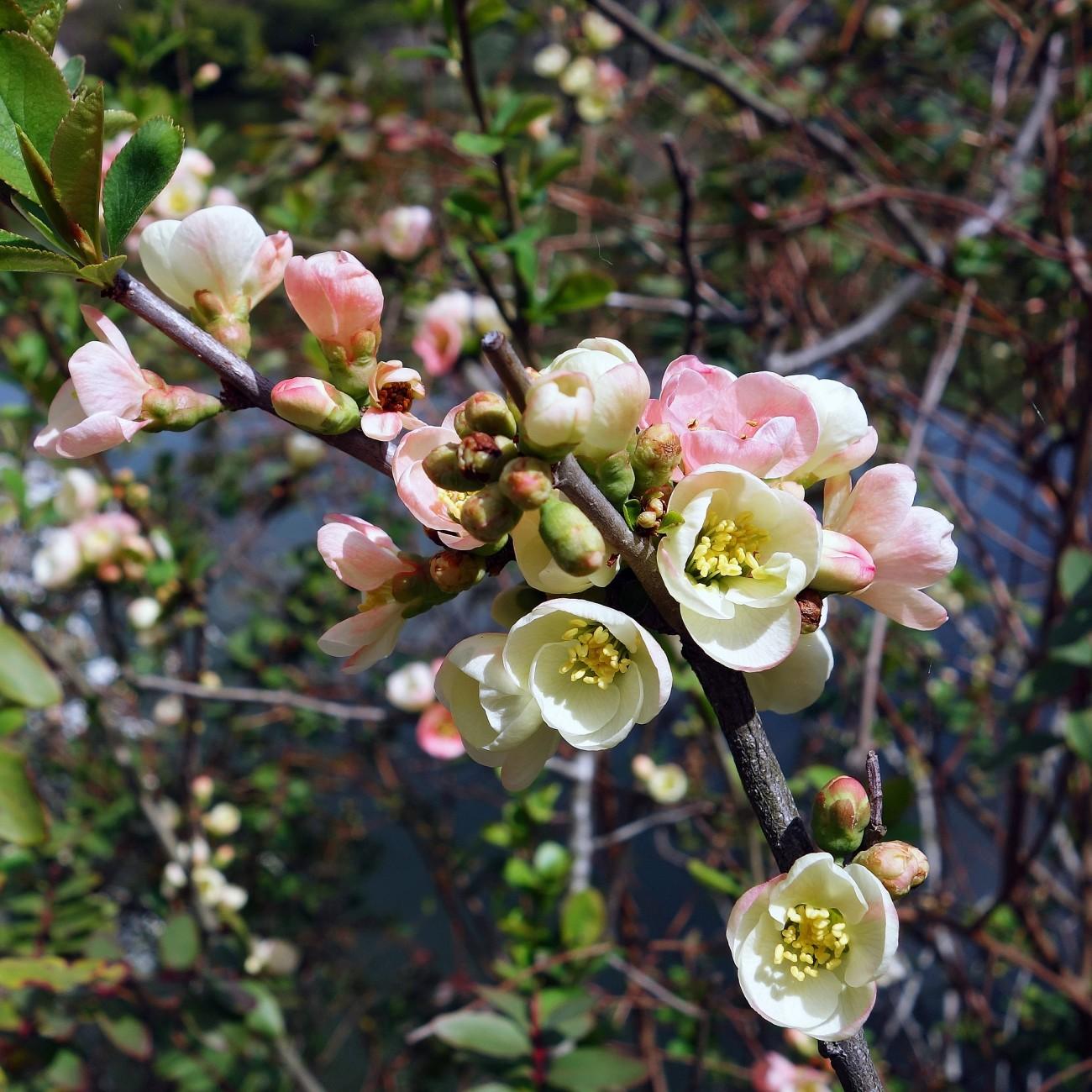
flowering quince
Chaenomeles speciosa 'Contorta'
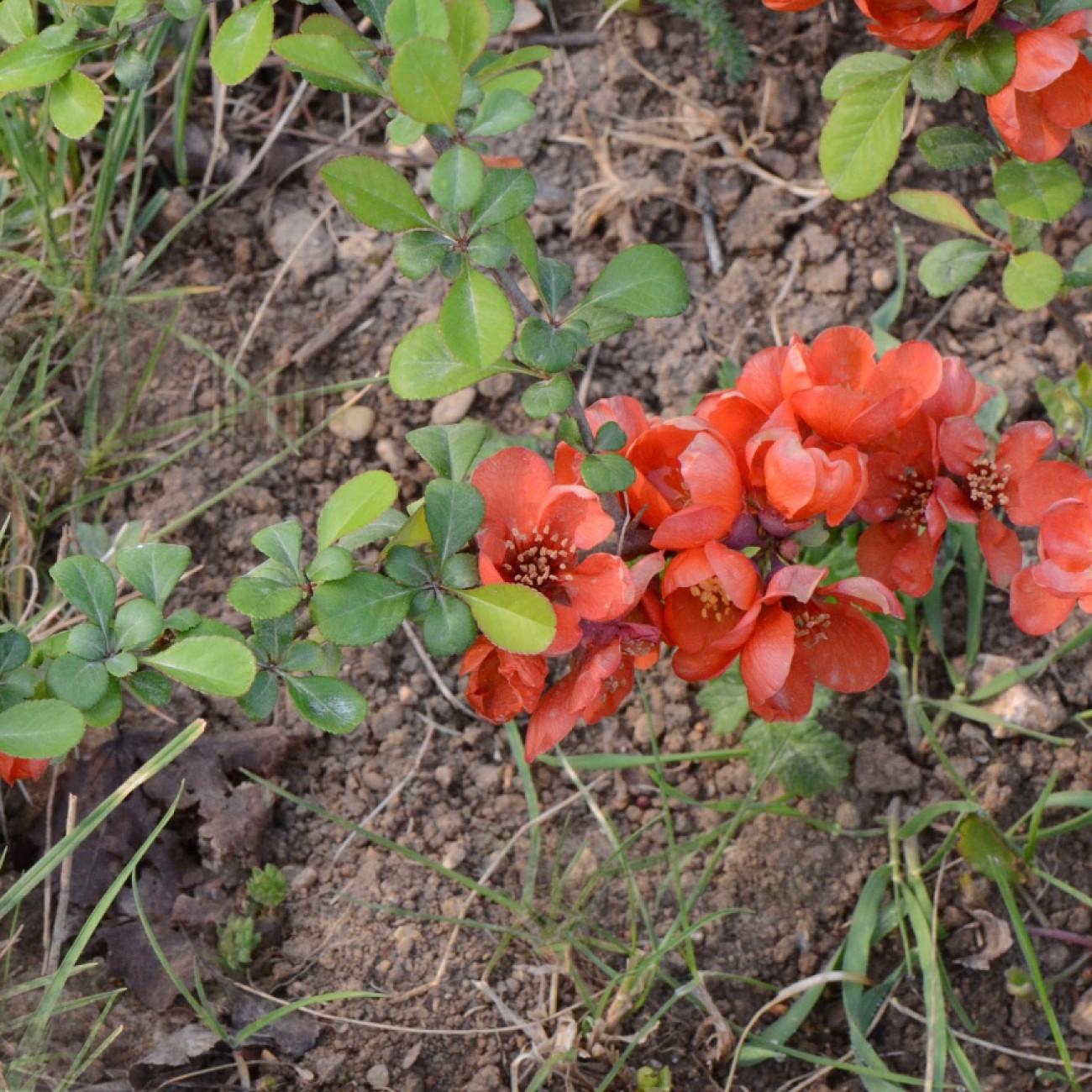
Japanese quince
Chaenomeles japonica var. alpina