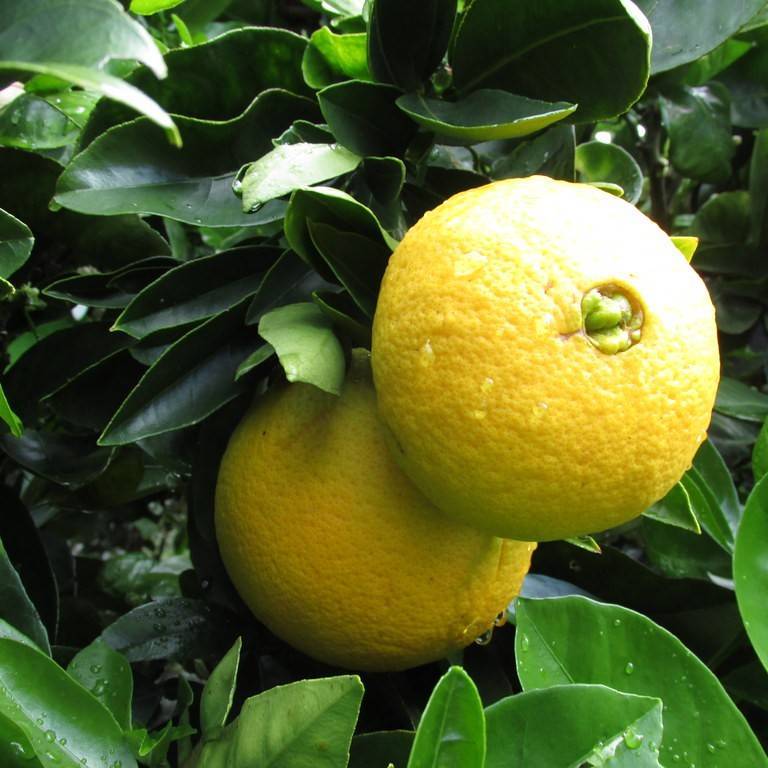
navel orange
Citrus sinensis 'Washington'
Overview
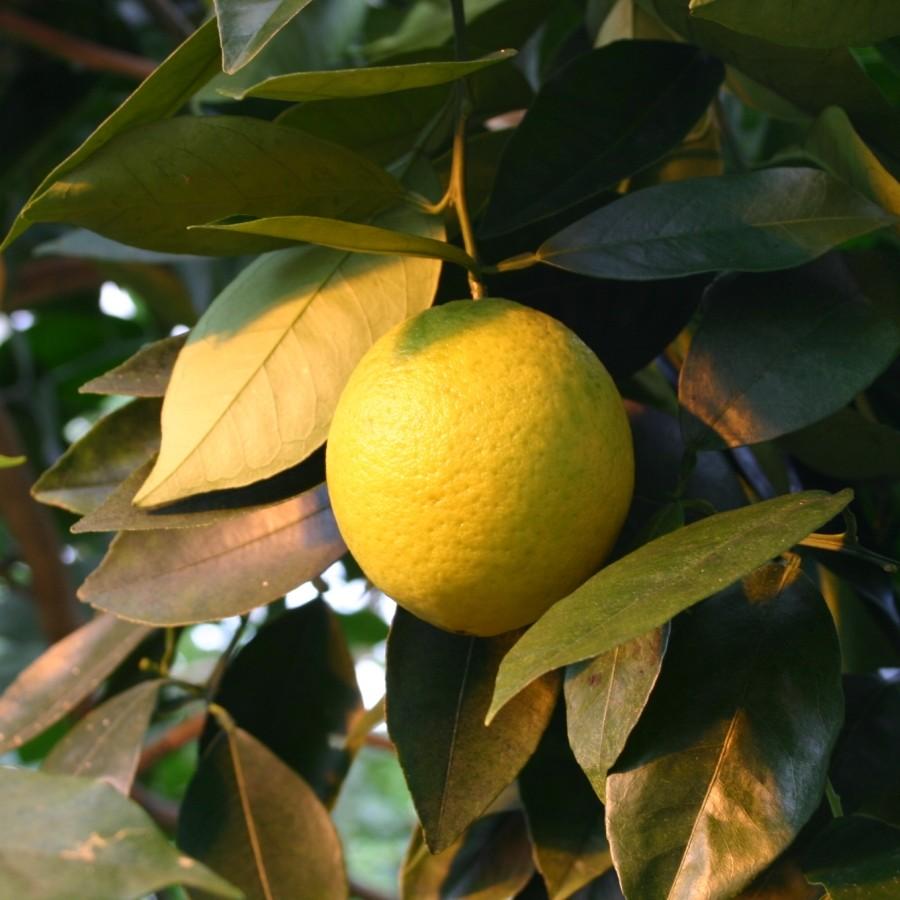
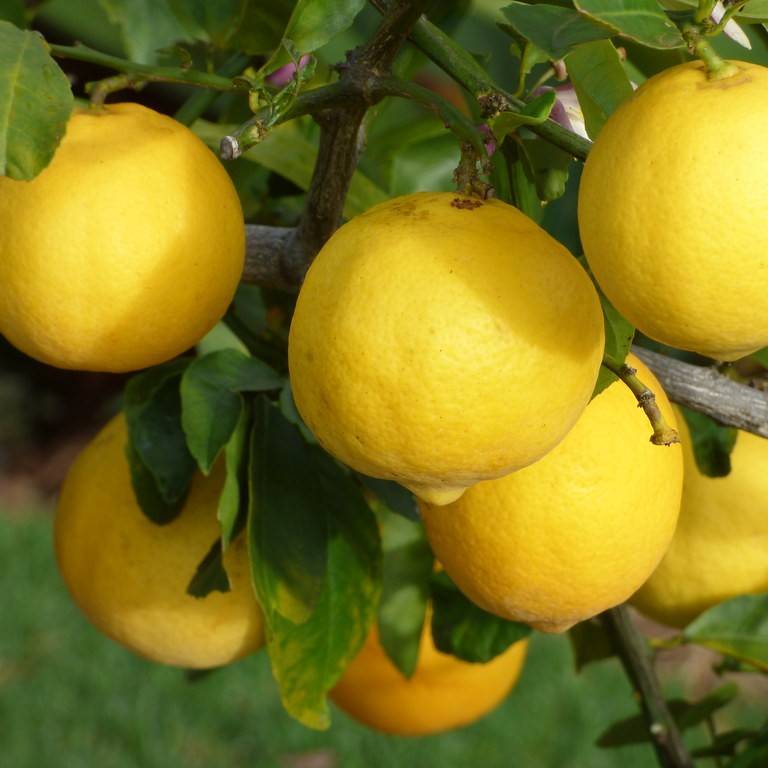
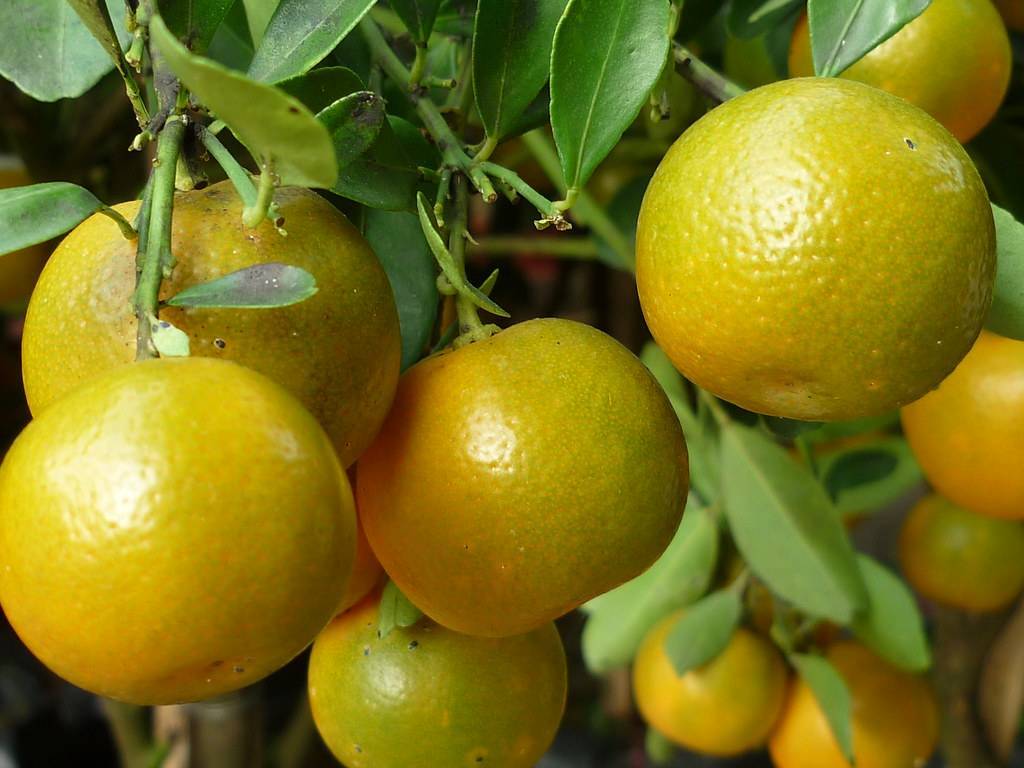
The navel orange (Citrus sinensis 'Washington') is an amazing plant. It is an evergreen tree that produces premium quality and sweet oranges. It is an ideal backyard tree for home gardeners due to its hardy nature and adaptability to a variety of soils. Not only does it produce a sweet and juicy orange, it also has eye-catching foliage making an excellent ornamental plant. In addition, the tree is drought tolerant and can be especially long-lived when provided with proper care. Its oranges are seedless and can be enjoyed fresh from the tree or processed into orange juice or marmalade. No wonder navel orange is one of the most popular citrus fruits.
Care Guide
Watering
Navel oranges need to be watered 1–2 times per week in the spring and summer, and once per week in the fall and winter. In warm weather it may be necessary to increase the amounts of water so that the soil remains evenly moist. During hot weather, it is important to water deeply and at the base of the plant. In cold weather, be sure to water early so that the soil is dry by sunset.
Light
The navel orange tree likes plenty of sunlight, ideally 8 to 10 hours each day. In the hotter months, it is best to provide shade during peak daylight hours to avoid scorching of the foliage. As the tree matures, it may require more shade as its canopy becomes denser and a bit more sun-intolerant. Navel orange trees should receive a minimum of 6 hours of direct sunlight while they are young and growing. In the winter months, most of the sunlight received by navel oranges will be indirect and will help the tree to break its dormancy until the returning of colder weather. When direct sunlight is present, it helps to speed up the ripening process, and can also make them sweeter in taste. Sunlight also helps to keep the skin of navel oranges firm and prevent it from becoming soft and wrinkly.
Temperature
Hardiness zone 9–11.
Pruning
Naval orange trees should be pruned around the beginning of the spring season, usually when the buds start to swell up. The pruning should focus on removing any dead, diseased, and overgrown branches, as well as opening up the canopy of the tree to allow more light and air circulation. Pruning should be done with scissors or pruning shears, and the amount of pruning should generally be kept small, removing no more than 1/3 of the canopy at 1 time. After pruning is complete, the tree should be fertilized and watered adequately to ensure healthy growth. Regular, careful pruning is a key step to ensure the best growth of navel oranges. By keeping branches clear of each other and maintaining an even shape, fruit production and overall tree health will be optimized.
Propagation
Grafting Propagation, Air Layering Propagation, Cutting, Budding, Tissue Culture
Related plants
Other plants you might like if you grow navel orange.