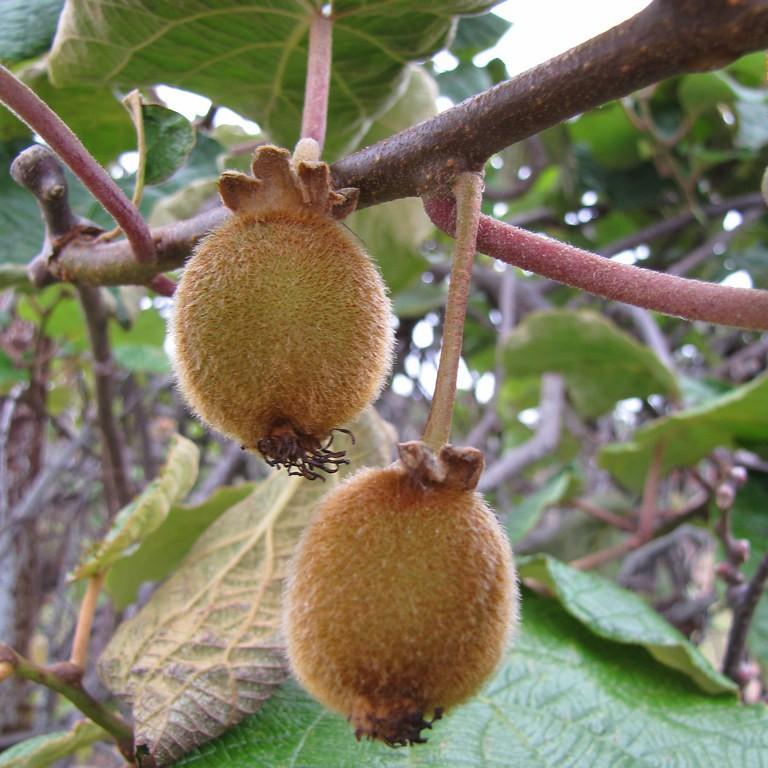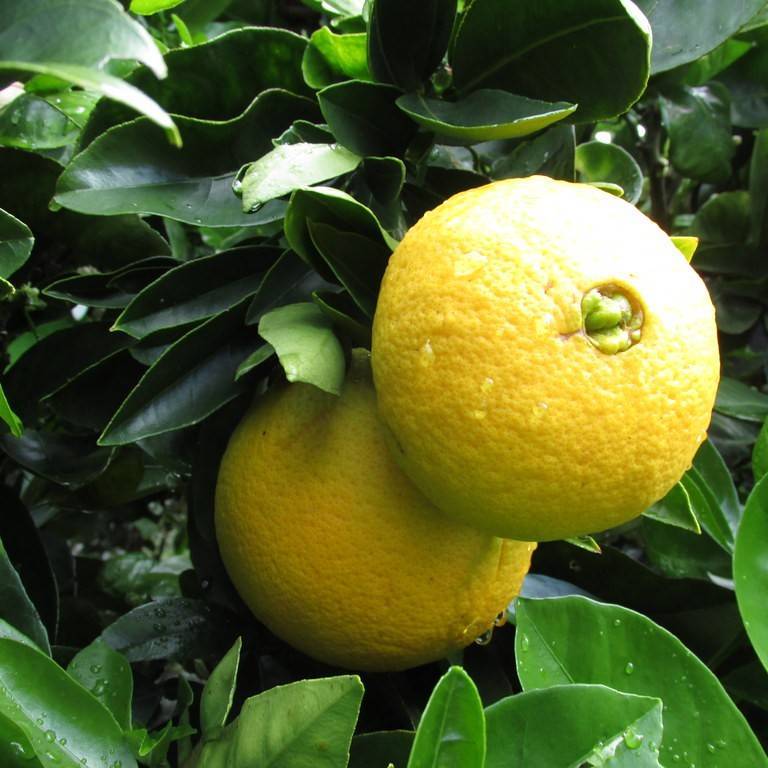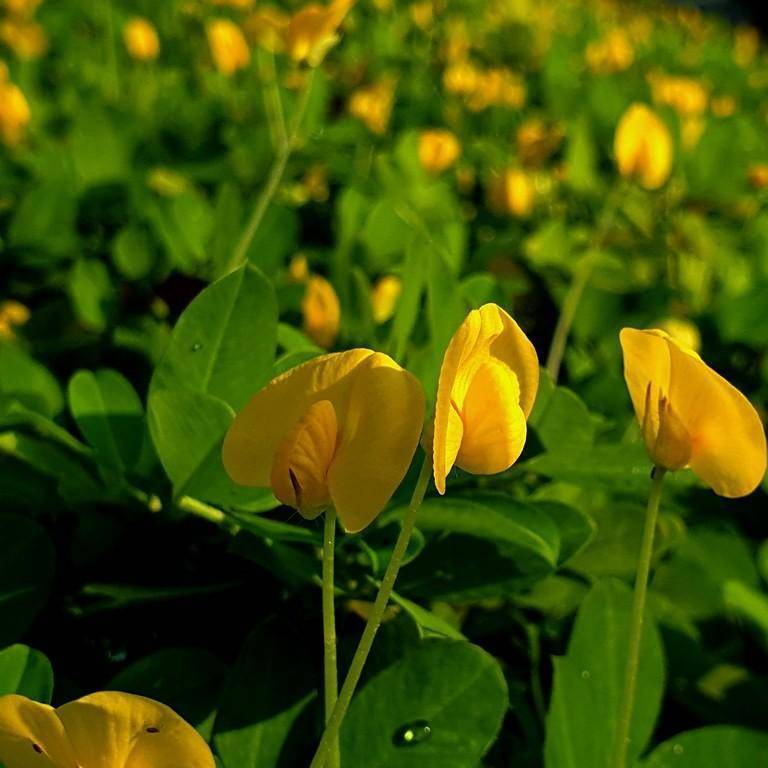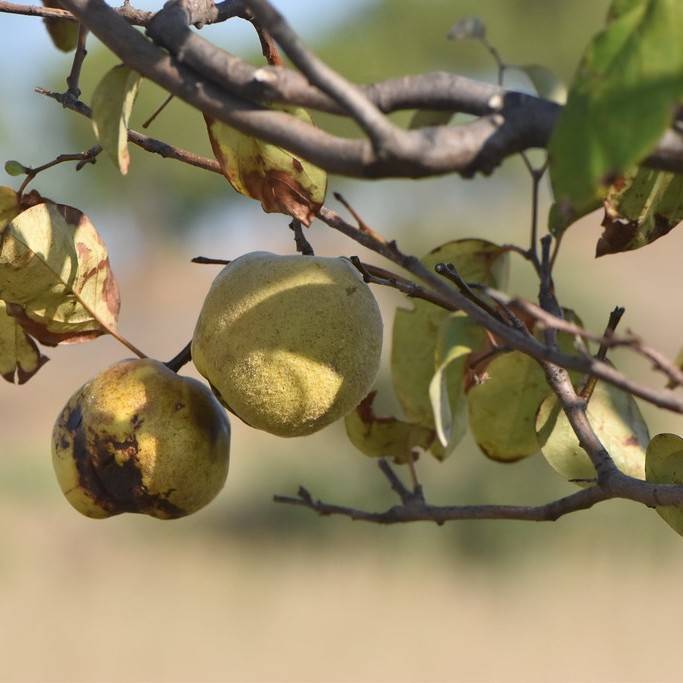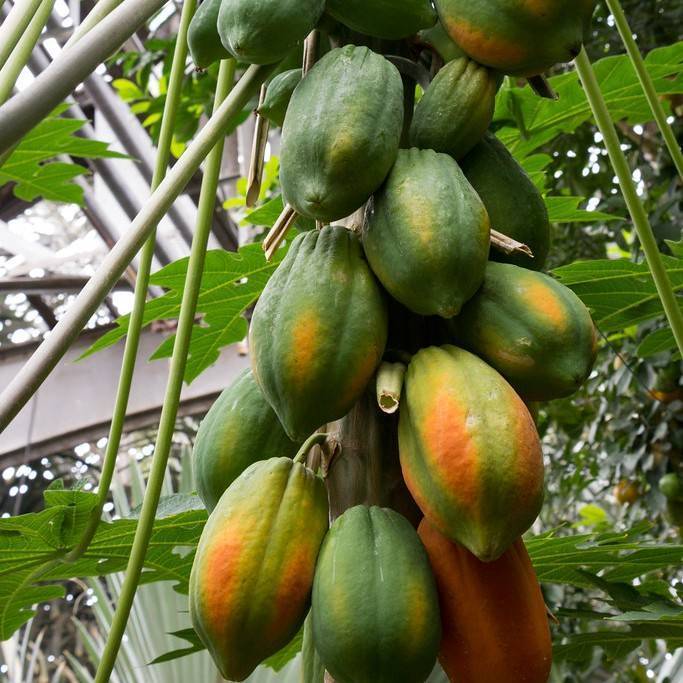
papaya
Carica papaya 'T. R. Hovey'
Overview
The papaya (Carica papaya 'T. R. Hovey') is a truly amazing fruit! Not only is it a delectable and juicy snack on its own, but it also has numerous health benefits. Rich in vitamins A, C and E, antioxidants and dietary fiber, it helps to reduce inflammation, boost immunity, improve digestion and even promote healthy skin. Plus, it has a unique flavor and bright color that could add a boost to any culinary dish. This hardy fruit is also easy to transport and store, making it a worthy addition to any pantry. With all these extraordinary qualities, the papaya is truly a magnificent choice.
Care Guide
Watering
Papaya (Carica papaya 'T. R. Hovey') should be watered at least twice a week. To ensure that the plant gets enough moisture, give it a thorough watering whenever the top 1-2 inches of the soil is dry to the touch. During hot and dry weather, you may want to water it more frequently. Additionally, make sure to water the soil evenly, providing enough water to wet the entire root ball. This will help promote a more even growth and keep your papaya from becoming imbalanced or lopsided.
Light
Papaya (Carica papaya 'T. R. Hovey') needs at least 8 hours of direct sunlight per day to grow and thrive. Most papaya varieties prefer full sun exposure year round to achieve optimal growth and production. Once established, this plant species should be placed in a location or area of the garden that receives at least 8 hours of direct sunlight each day. This species should be watered during dry and hot periods, when rainfall is inadequate, and only when needed after the should surface of the soil has dried to the touch. Papaya plants benefit from regular fertilization with a balanced fertilizer and should be pruned as necessary.
Temperature
Hardiness zone 10–12.
Pruning
Papaya (Carica papaya 'T. R. Hovey') should be pruned annually to maintain its overall health and shape. Pruning should take place during the winter months when the plant is dormant to reduce damage to the growing tips. Begin by removing any dead, diseased, or injured branches. Then, remove any branches that hinder the plant’s natural shape. You can also thin out overcrowded branches or reduce a branch’s length to promote better air circulation. Lastly, remove any suckers or fruit stalks that emerge from the base of the plant, as these can hinder growth. Always use sharp, clean pruning tools to avoid damage or disease transmission. If you need additional information or assistance with your papaya plant, consult a local gardening expert.
Propagation
Grafting Propagation, Air Layering Propagation, Cutting, Tissue Culture, Seed Propagation
Related plants
Other plants you might like if you grow papaya.