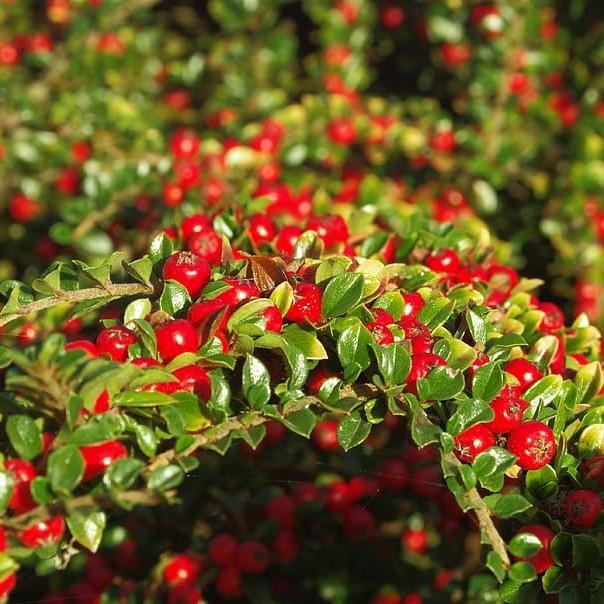
rock cotoneaster
Cotoneaster horizontalis 'Robusta'
Overview
Rock cotoneaster (Cotoneaster horizontalis 'Robusta') is an amazing species of shrub with spreading branches densely covered with small leaves and clusters of white flowers. The blooms transform into bright red berries, which makes a spectacular sight. It is a trouble-free plant and extremely hardy, tolerating heat, drought and cold temperatures. The sweet-smelling flowers make it an attractive addition to a garden. The rock cotoneaster also has a compact habit and a low-maintenance, from frequent pruning. It is great for a variety of landscapes, including borders, rock gardens, and even hanging baskets. Its amazing beauty and ease of care make it a great addition to any garden or landscape.
Care Guide
Watering
Rock cotoneaster (Cotoneaster horizontalis 'Robusta') should be watered regularly during its active growing season (spring and summer). It is best to water just enough to keep the soil slightly moist. During particularly hot or dry days, it may need more frequent watering. It is important to keep the soil from completely drying out. In general, this can be achieved by watering the plant once or twice a week, depending on soil moisture levels. During the winter months, water sparingly. Too much moisture can cause root rot, so make sure to give it about 10 days to 2 weeks between waterings.
Light
Rock cotoneaster (Cotoneaster horizontalis 'Robusta') thrives in full sun to partial shade. It should receive at least 6 hours of direct sunlight per day in order for it to grow and flower properly. During the hottest summer months, partial shade may be beneficial since it offers protection from scorching midday sun. In addition, the plant should be shielded from powerful winds, as this can dry out the foliage and buds.
Soil
Well-drained
Temperature
Hardiness zone 5–7.
Pruning
The best time to prune a Rock Cotoneaster (Cotoneaster horizontalis 'Robusta') is in late winter or early spring before growth begins. When pruning this species you should remove any dead or damaged branches, as well as any that are crossing or rubbing against each other. Depending on the desired size, the gardener can then prune back the shoots that are growing too vigorously by approximately 1-third of their length. In addition, light pruning of the lateral branches will help encourage more flowers and fruit in the spring. It is important to use sharp pruning shears and make clean cuts to prevent disease.
Propagation
Seed Propagation, Greenwood Cuttings, Greenwood Cuttings, Hardwood Cuttings
Uses & Symbolism
Attracts: Birds.
Diseases & Pests
Common pests: Mites, Rust, Scale insects, Deer resistant, Drought resistant .
Related plants
Other plants you might like if you grow rock cotoneaster.
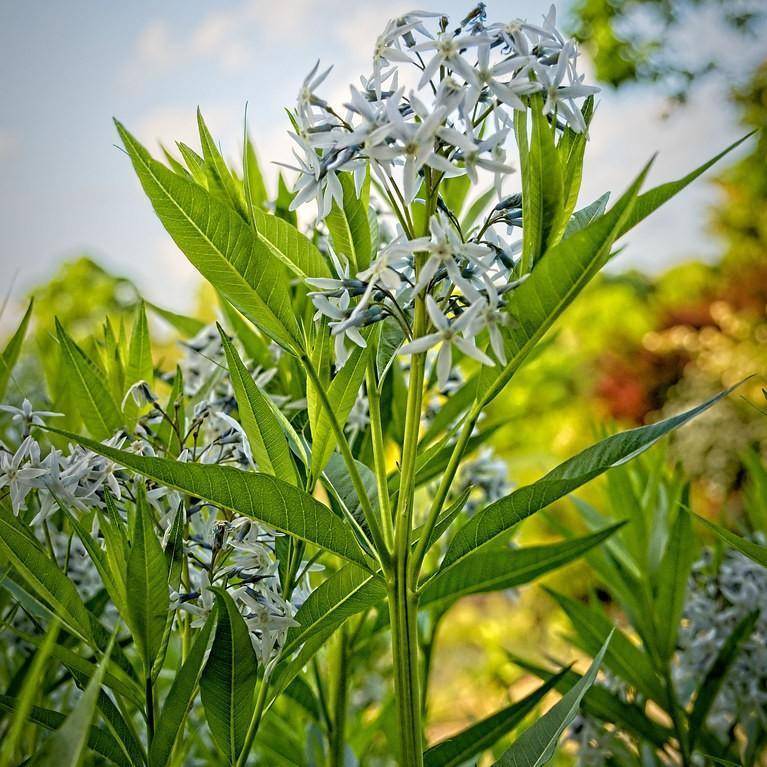
blue star
Amsonia tabernaemontana
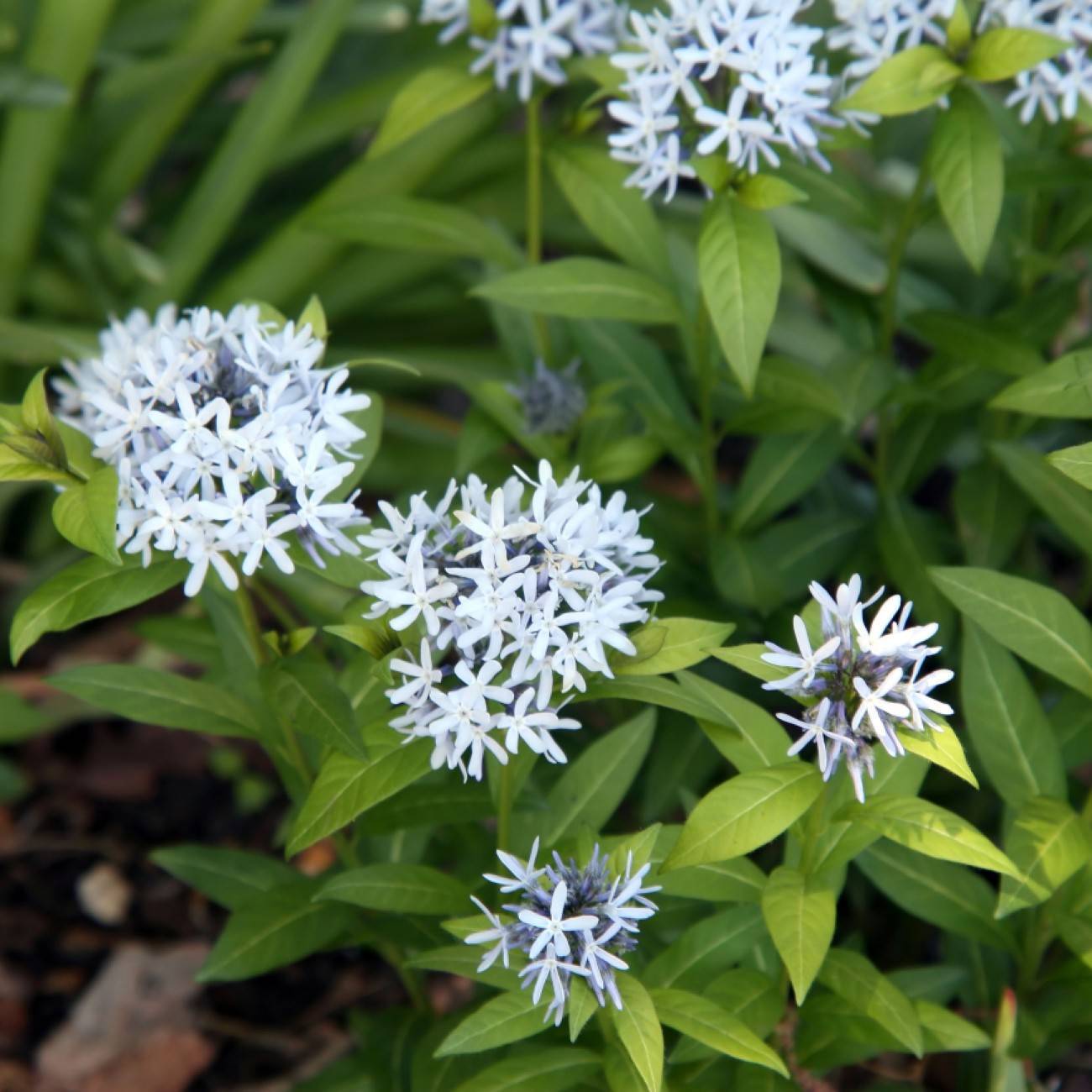
blue star
Amsonia tabernaemontana 'Storm Cloud'
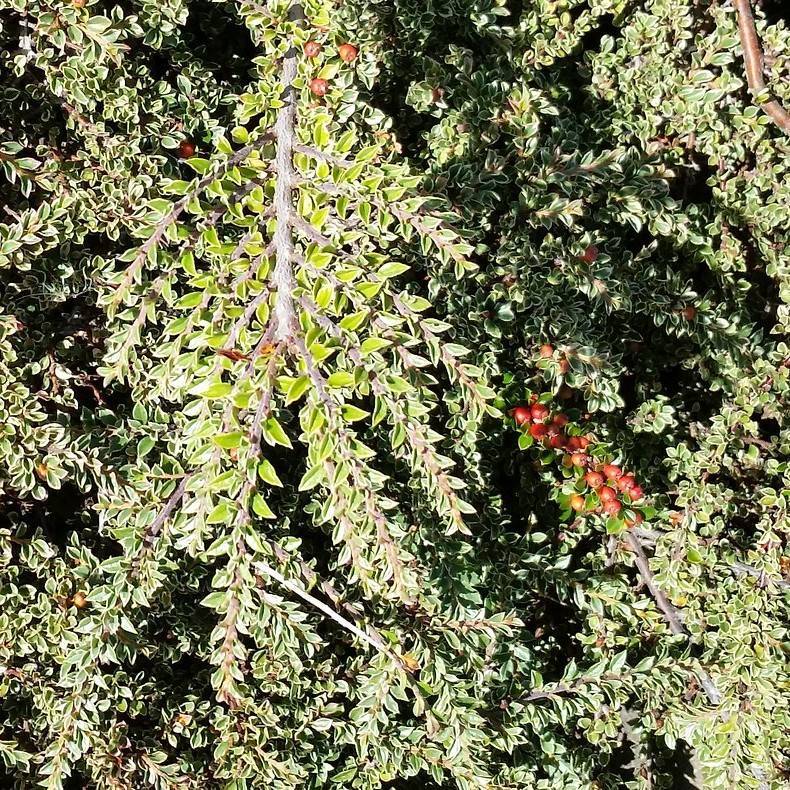
rock cotoneaster
Cotoneaster horizontalis
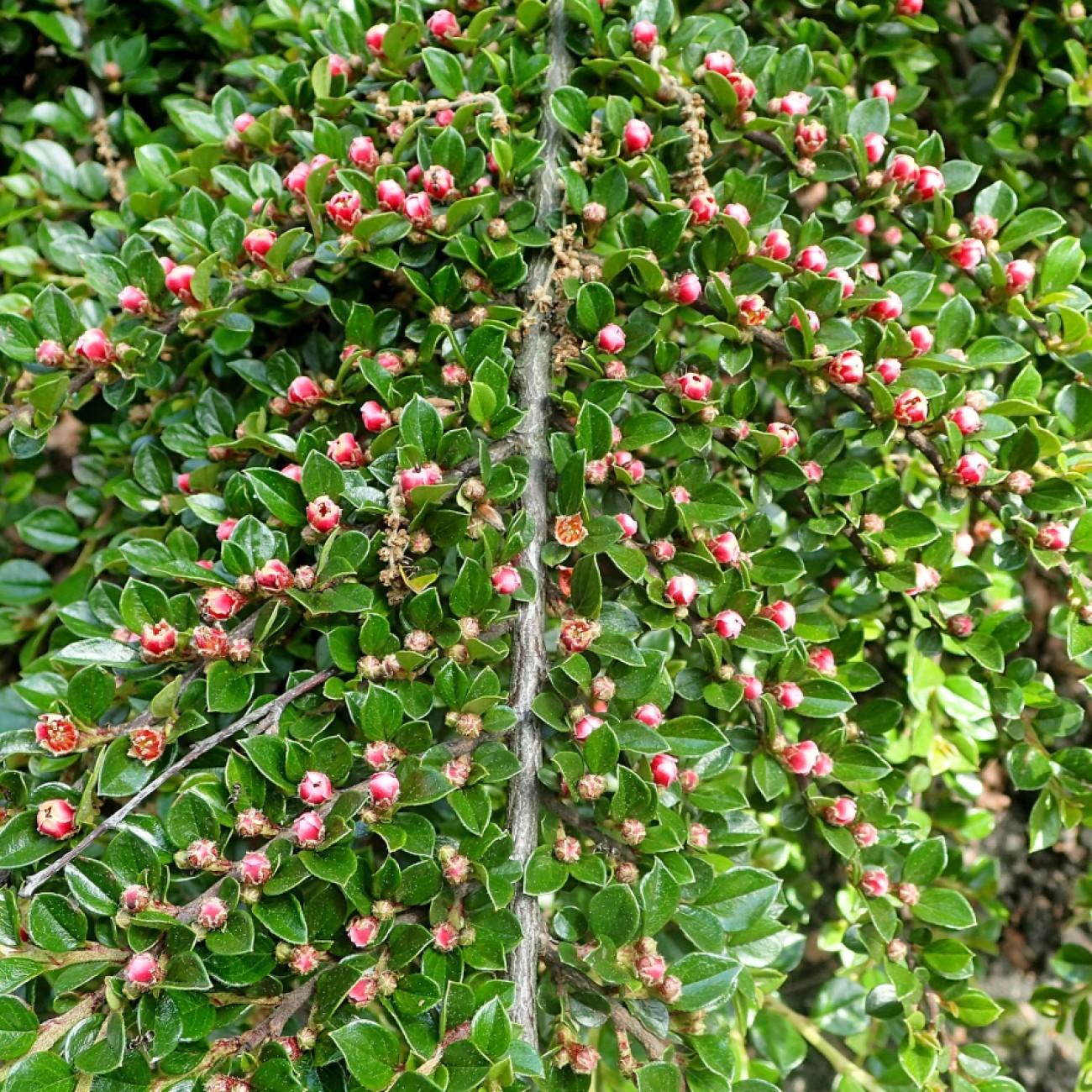
rock cotoneaster
Cotoneaster horizontalis var. perpusillus
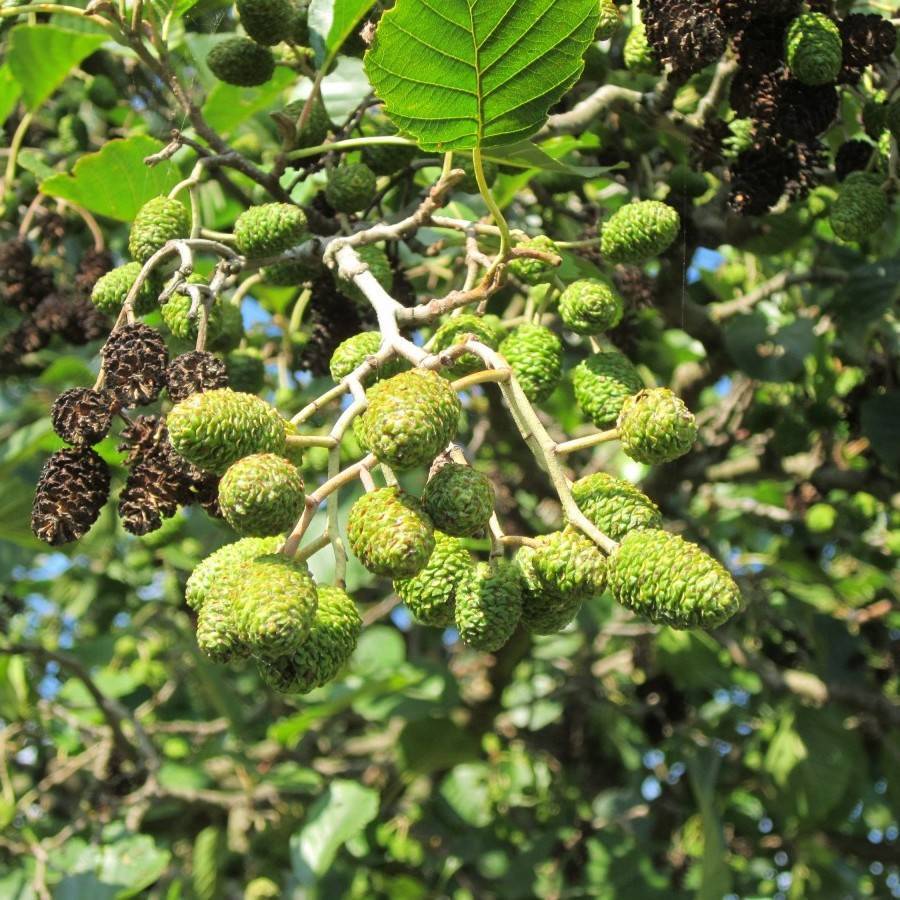
alder
Alnus mayrii
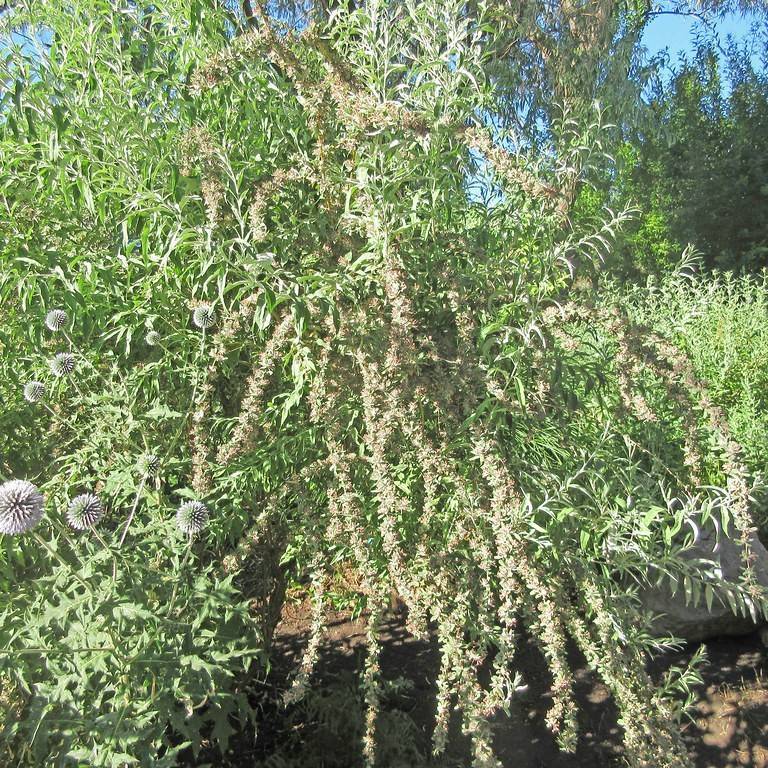
alternate-leaved butterfly bush
Buddleja alternifolia
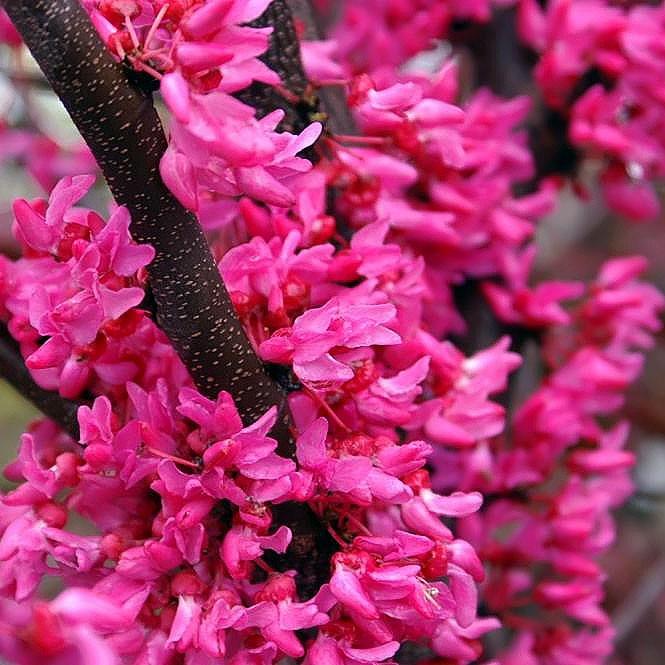
Appalachian Red Redbud
Cercis canadensis 'Appalachian Red'
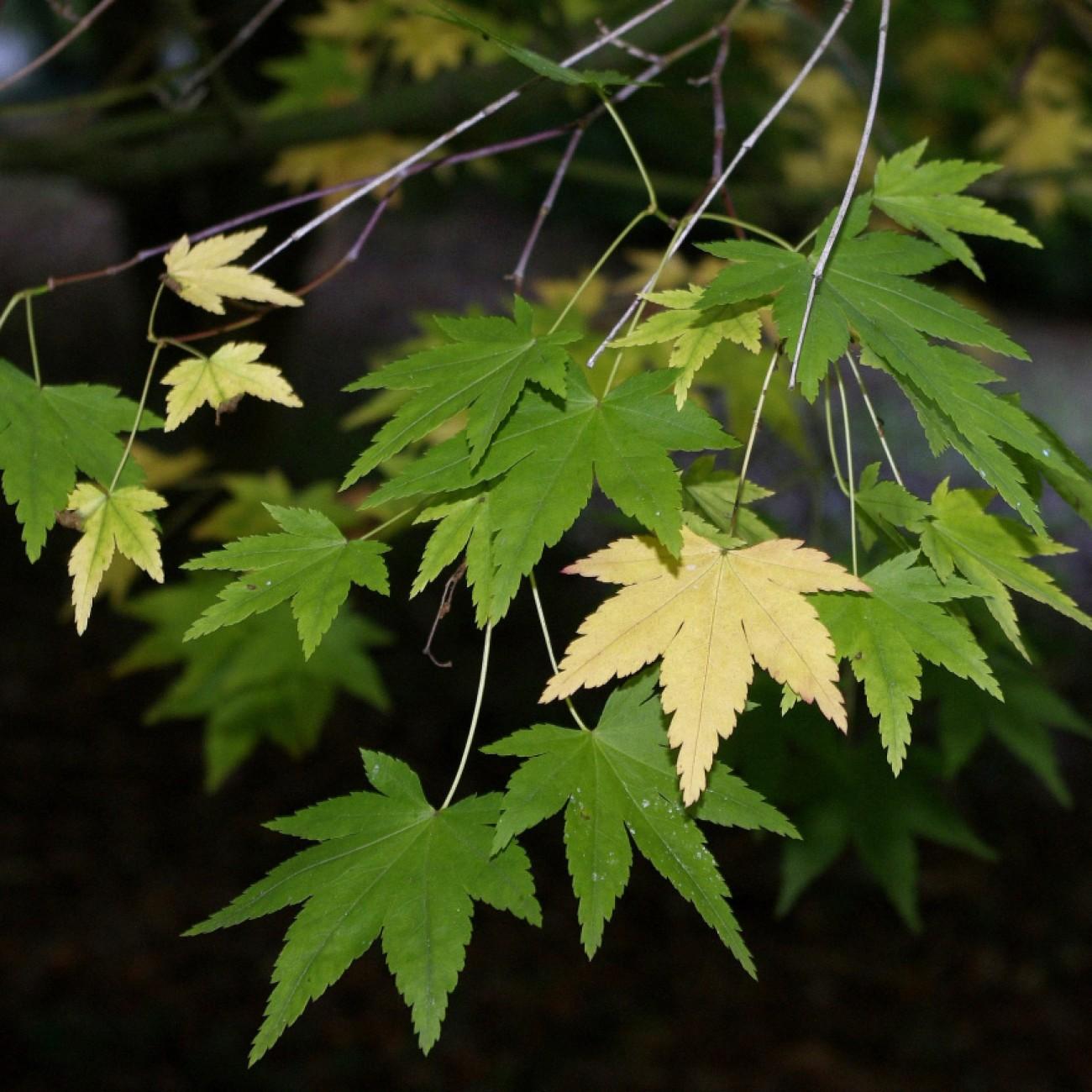
Arakawa Cork Bark Japanese Maple
Acer palmatum 'Arakawa'