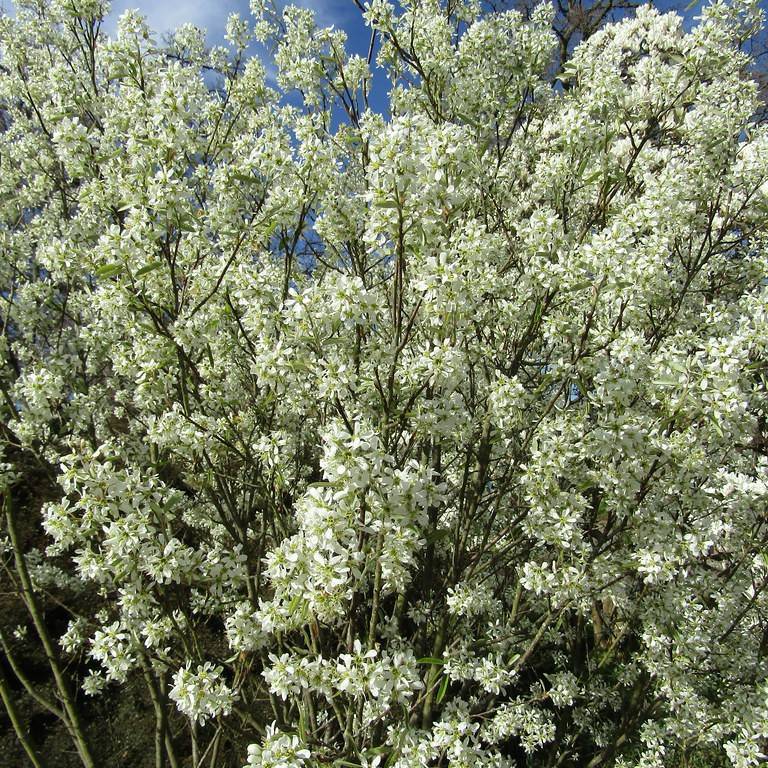
serviceberry
Amelanchier canadensis 'Glenn Form' RAINBOW PILLAR
Overview
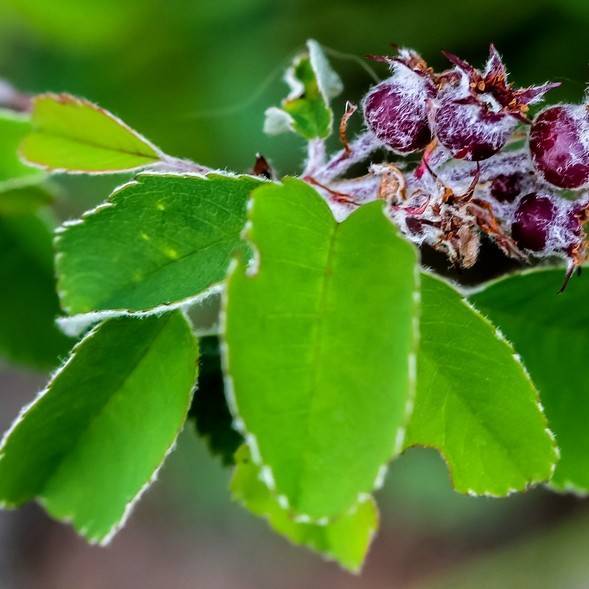
Serviceberry (Amelanchier canadensis 'Glenn Form' RAINBOW PILLAR) is an amazing ornamental plant. Its leaves appear in a stunning array of colors, from golden yellow, to purplish red and even deep purple. Its white, bell-shaped flowers also offer a beautiful contrast to the foliage. Furthermore, its bright red fall fruits provide a vibrant accent to any landscape and offer a food source for birds and other wildlife animals. The Rainbow Pillar variety provides a stunning upright form, making it an ideal specimen plant for your garden. With low maintenance needs, this stunning shrub is an excellent choice for any landscape.
Care Guide
Watering
Serviceberry (Amelanchier canadensis 'Glenn Form' RAINBOW PILLAR) should be watered upon planting, then 1-2 times/week during the first month to help it establish its root system; once established, it should be watered thoroughly whenever the soil feels dry. Water slowly and deeply, and avoid wetting the leaves. When mature, this plant type prefers about 1 inch of water per week (either from rain or manual watering).
Light
Serviceberry (Amelanchier canadensis 'Glenn Form' RAINBOW PILLAR) requires direct sunlight for at least 5-6 hours a day, preferably in the morning. This species grows best in bright, full sunlight and will perform best when exposed to natural sunlight; however, it can also tolerate partial shade if necessary. The plant also may benefit from afternoon shade in regions with intense afternoon sun.
Soil
Sandy Loamy Clay
Temperature
Hardiness zone 4–8.
Pruning
Pruning of the Serviceberry (Amelanchier Canadensis 'Glenn Form' RAINBOW PILLAR) should be done once a year in late winter or early spring. This will help the plant maintain a more even shape and structure. When pruning, focus on removing any broken, diseased or dead wood, as well as any crossing branches or branches that are too large for the plant’s structure. If any suckers have developed at the base of the plant, these can also be removed. Pruning should be kept light, and only remove up to 1/3 of the total growth from the plant. This type of pruning will allow the plant to keep its natural form, while also keeping it healthy and strong.
Propagation
Seed Propagation, Cutting
Uses & Symbolism
Attracts: Birds.
Diseases & Pests
Common pests: Fungal leaf spot, Mildew, Mold, Rust, Deer resistant, Drought resistant .
Related plants
Other plants you might like if you grow serviceberry.
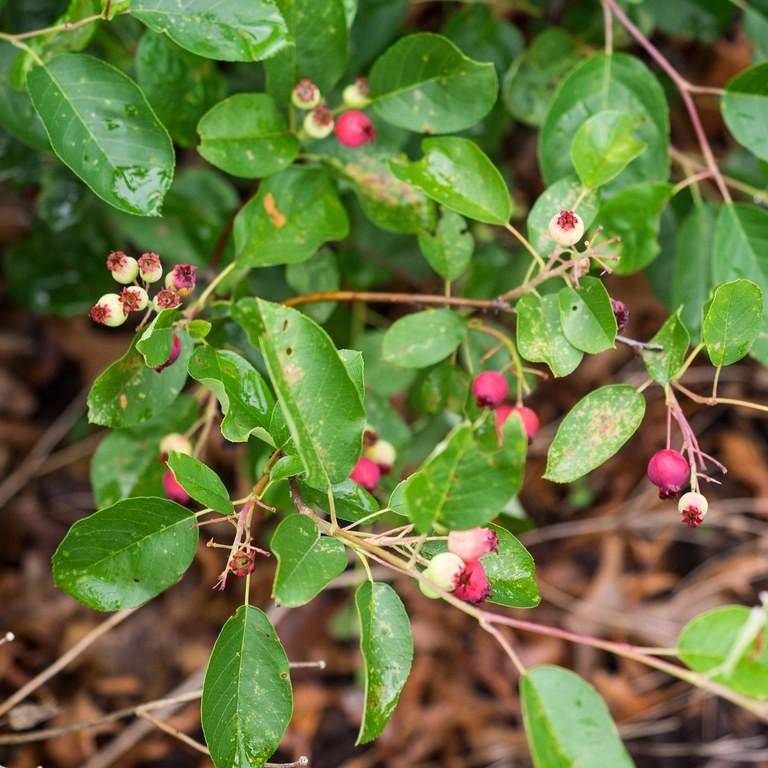
alder-leaved serviceberry
Amelanchier alnifolia 'Regent'
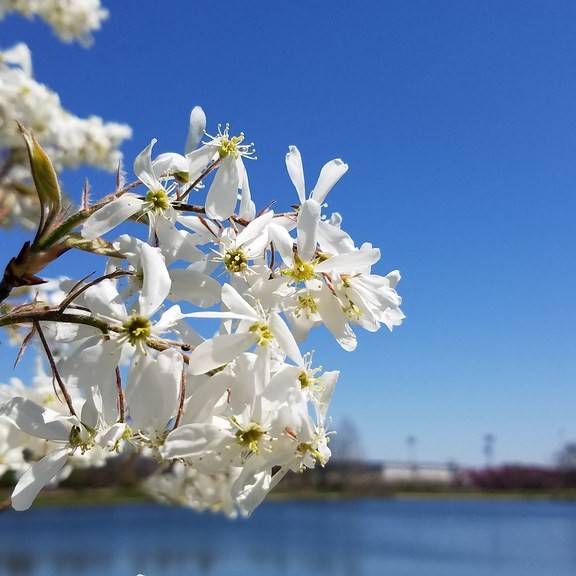
Allegheny serviceberry
Amelanchier laevis
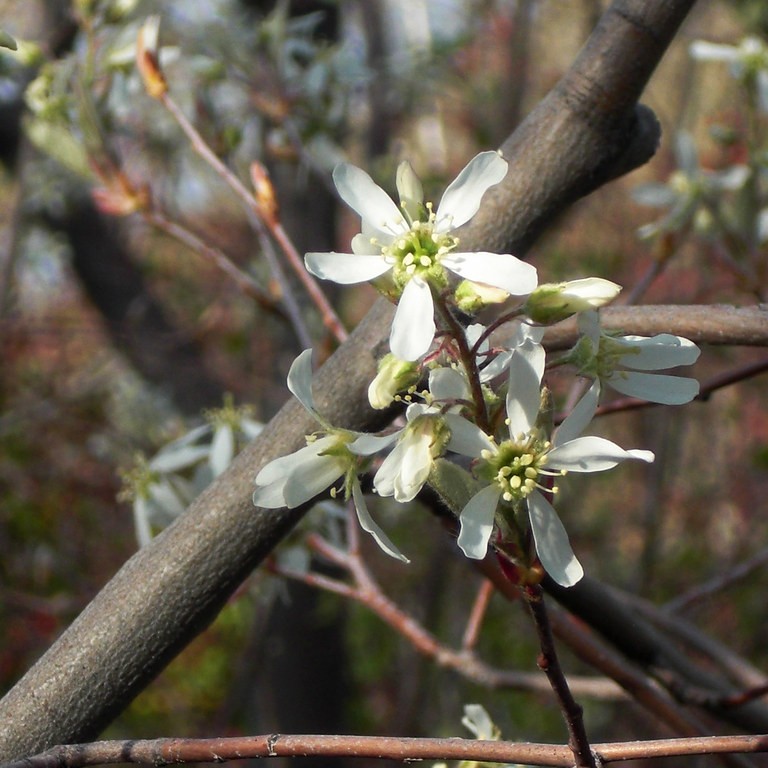
apple serviceberry
Amelanchier grandiflora 'Autumn Brilliance'
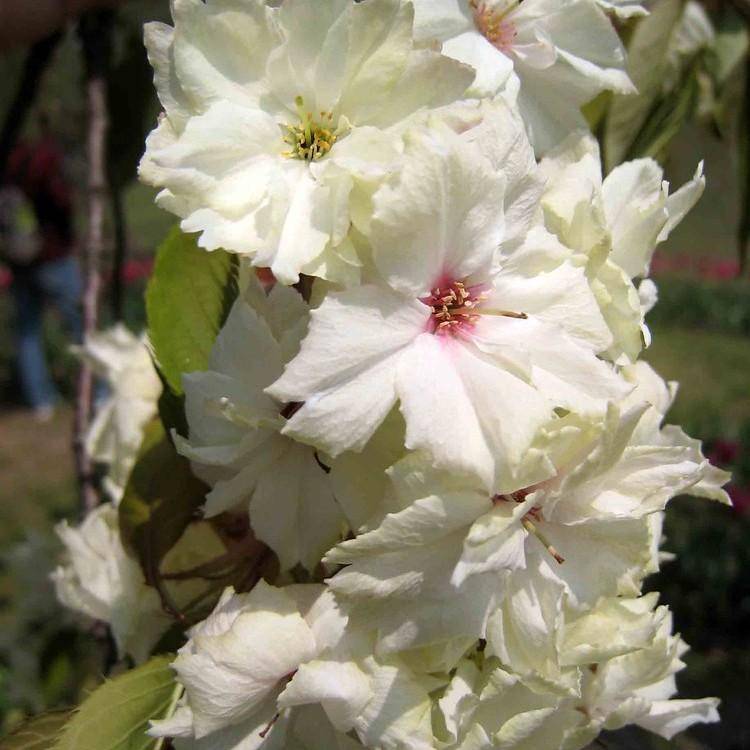
apple serviceberry
Amelanchier grandiflora 'Princess Diana'
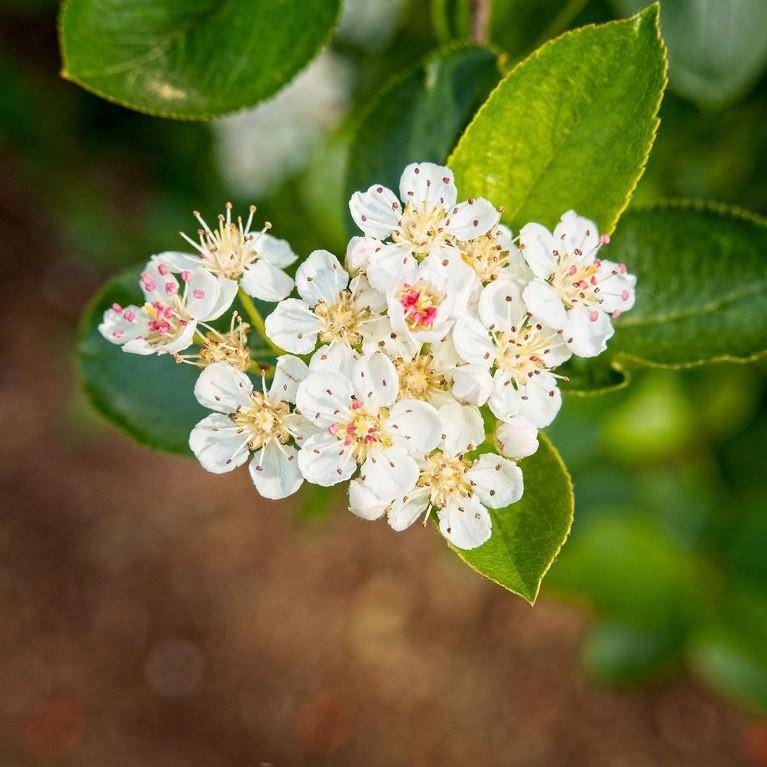
black chokeberry
Aronia melanocarpa
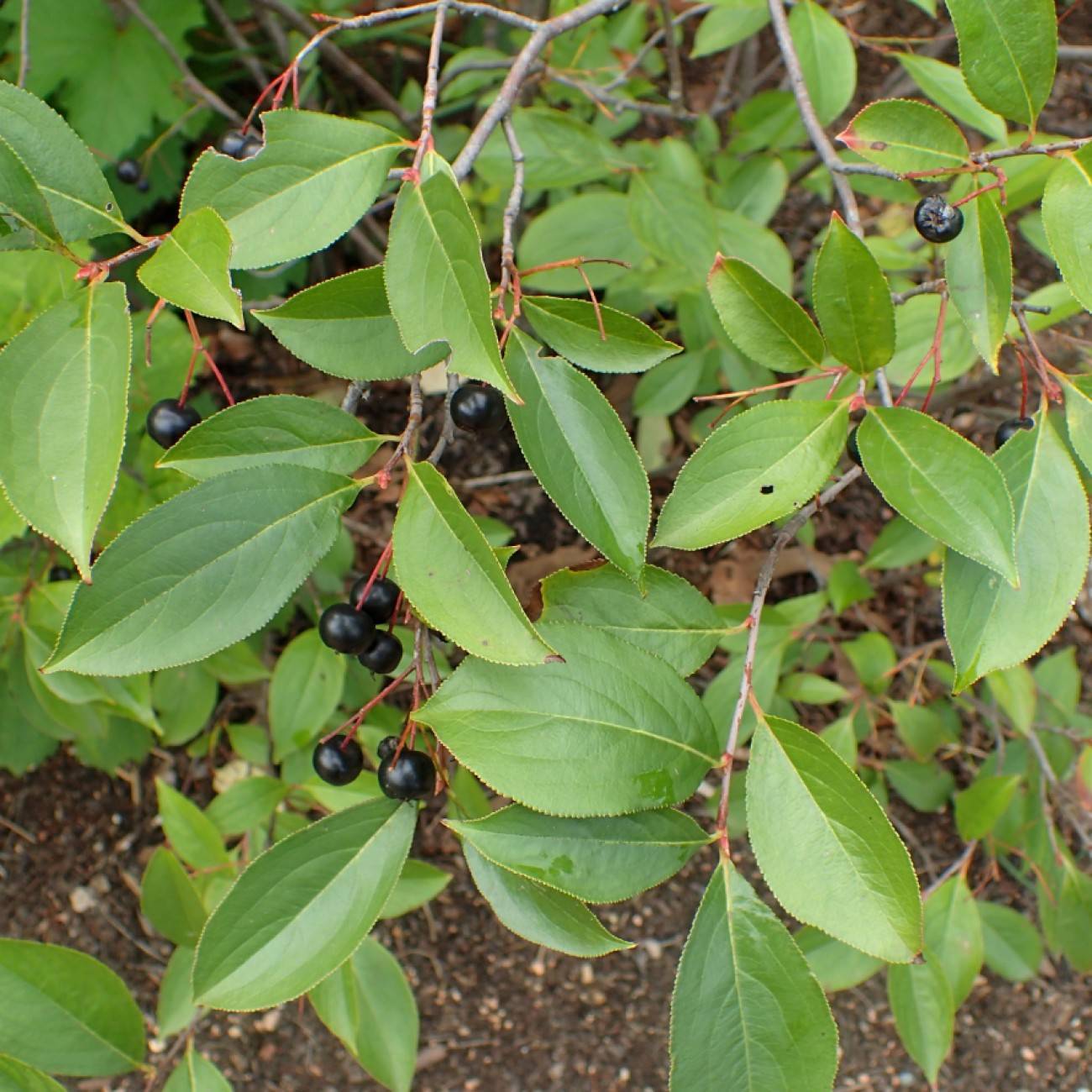
black chokeberry
Aronia melanocarpa var. elata
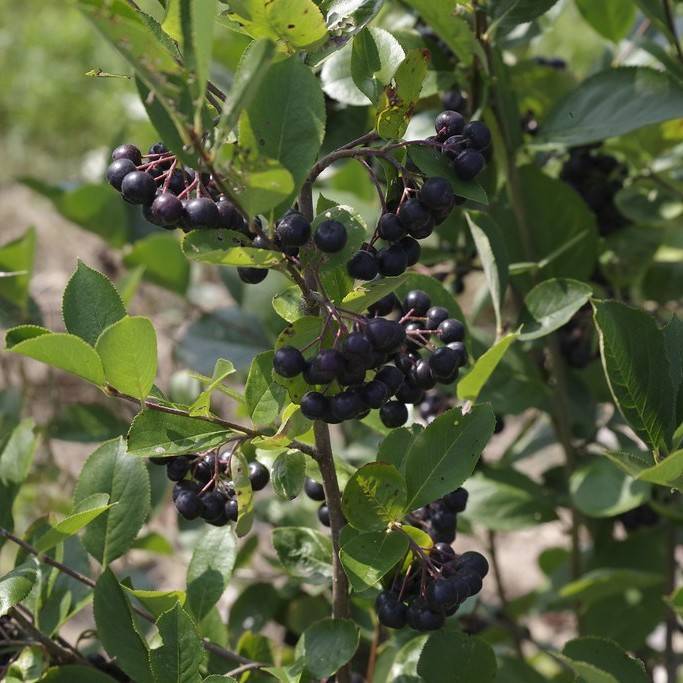
black chokeberry
Aronia melanocarpa 'Viking'
coastal serviceberry
Amelanchier obovalis