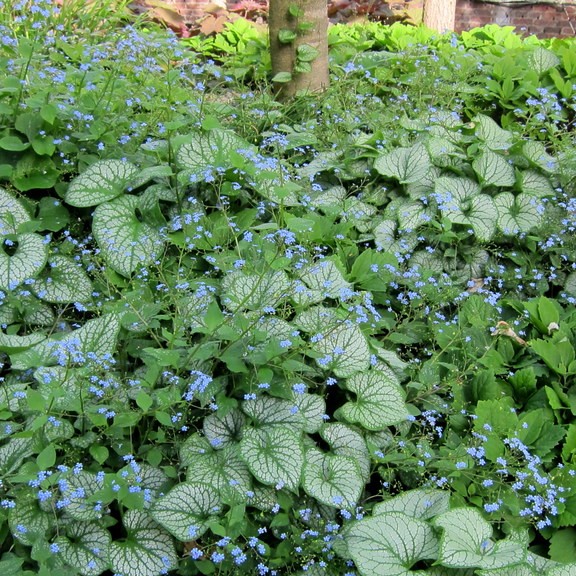
Siberian bugloss
Brunnera macrophylla 'Alexander's Great'
Overview
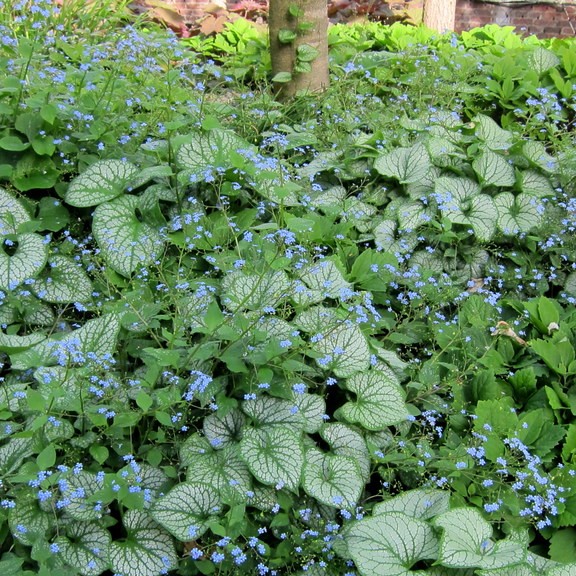
Siberian bugloss 'Alexander's Great' is a magnificent addition to any garden. Its large heart-shaped leaves come in a stunning silver-green variegation, overlaid with delicate cobweb-like stalks that create a truly unique look. The flowers are small, but charming, boasting deep blues and purples in the early spring season. It is an excellent plant choice for a shady area and low-maintenance, as it is well adapted to growing in moist soils. Plus, its hardy nature makes it resilient to drought and extreme temperatures. For gardeners looking for a show-stopper plant, 'Alexander's Great' is an excellent choice.
Care Guide
Watering
Siberian bugloss requires regular waterings to promote healthy growth. The best way to water it is to give it a slow and deep soaking once a week. It is important to allow the soil to become dry between waterings, but not to let it become bone-dry. During periods of hot, dry weather, an additional watering may be necessary. It is best to avoid over-watering, as this can lead to root rot. In winter, waterings should be reduced, as this plant prefers a period of cooler dormancy. Make sure to keep the leaves dry whenever possible, to prevent fungal diseases.
Light
Siberian bugloss (Brunnera macrophylla 'Alexander's Great') prefers average to bright light. This species grows best in partial sun to filtered sun, with as much as 4-5 hours of direct sun per day. It is most successful in morning sun with protection from afternoon sun or bright shade. Too much direct sun may cause foliage to scorch and could damage the delicate blooms and buds.
Soil
Well-drained
Temperature
Hardiness zone 3–8.
Pruning
Siberian bugloss (Brunnera macrophylla 'Alexander's Great') should be pruned during late Winter/early Spring, before new growth emerges and after any frost danger has passed. Pruning should be done by removing dead or damaged branches. A general light pruning can also be done to maintain desired plant size, but this should be done sparingly. Remove no more than 1-third of the overall plant material when pruning.
Propagation
Division
Diseases & Pests
Common pests: Slugs, snails, Pest resistant, Disease resistant, Deer resistant, Rabbit resistant .
Related plants
Other plants you might like if you grow Siberian bugloss.
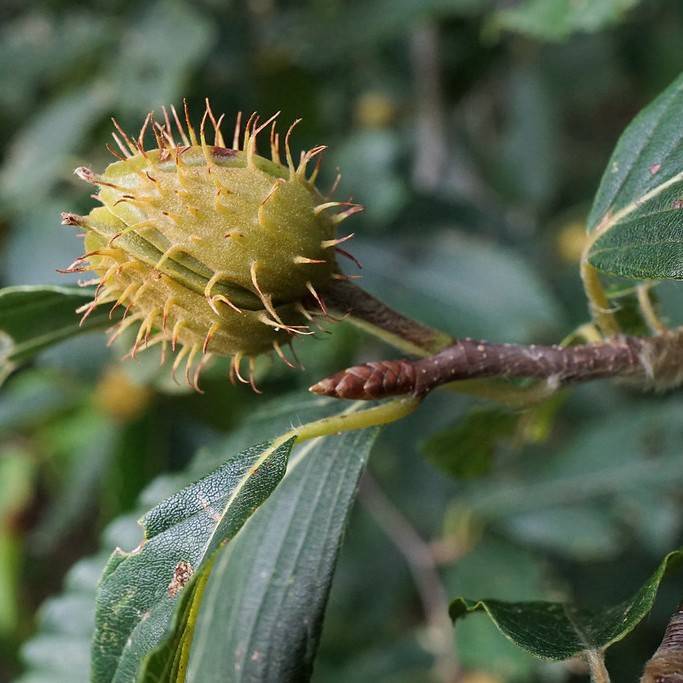
American beech
Fagus grandifolia
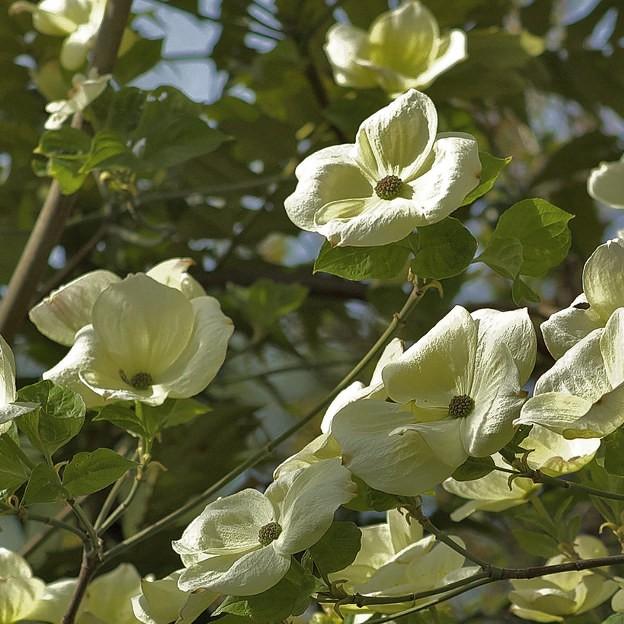
Eddie's White Wonder Flowering Dogwood
Cornus 'Eddie's White Wonder'
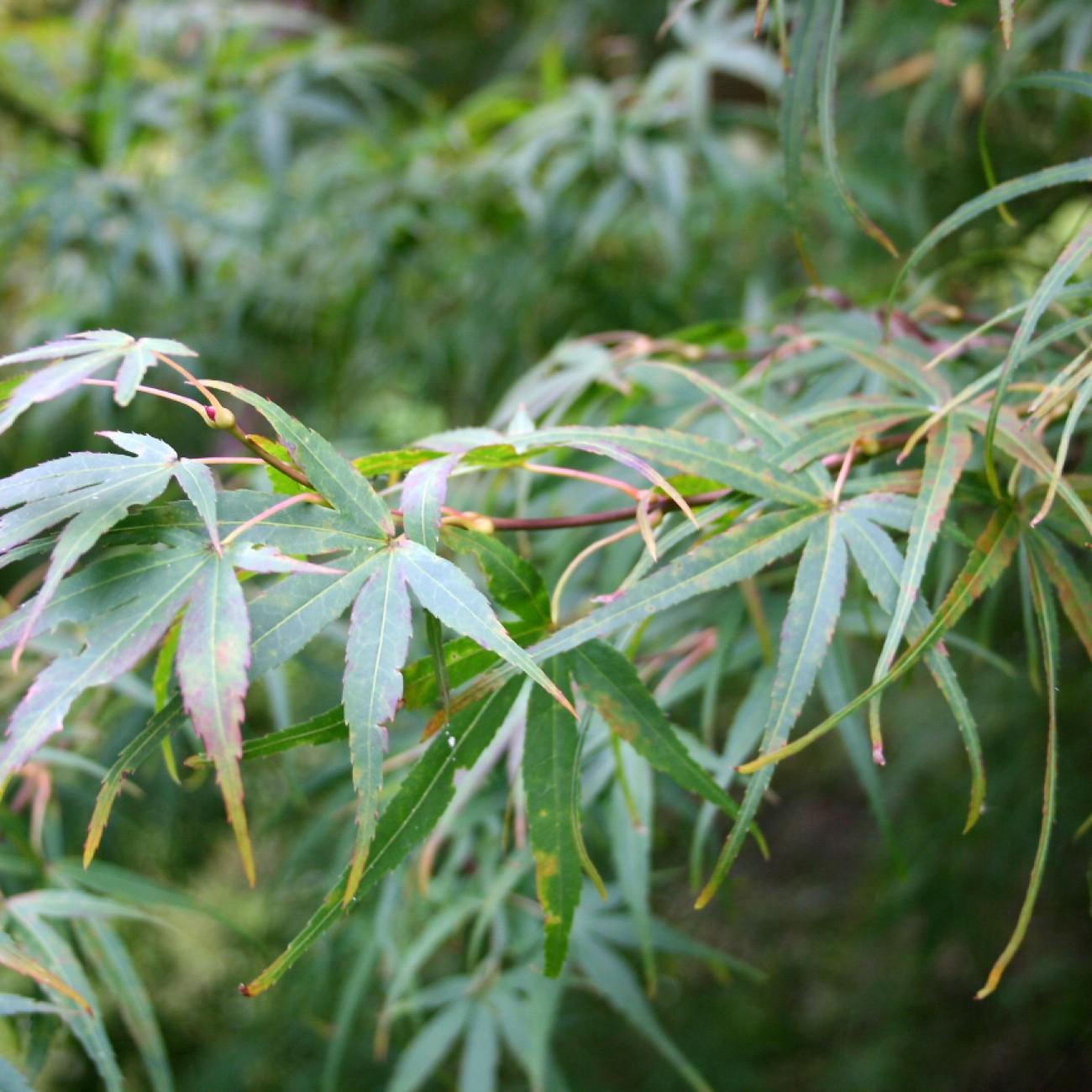
Koto No Ito Japanese Maple
Acer palmatum 'Koto No Ito'
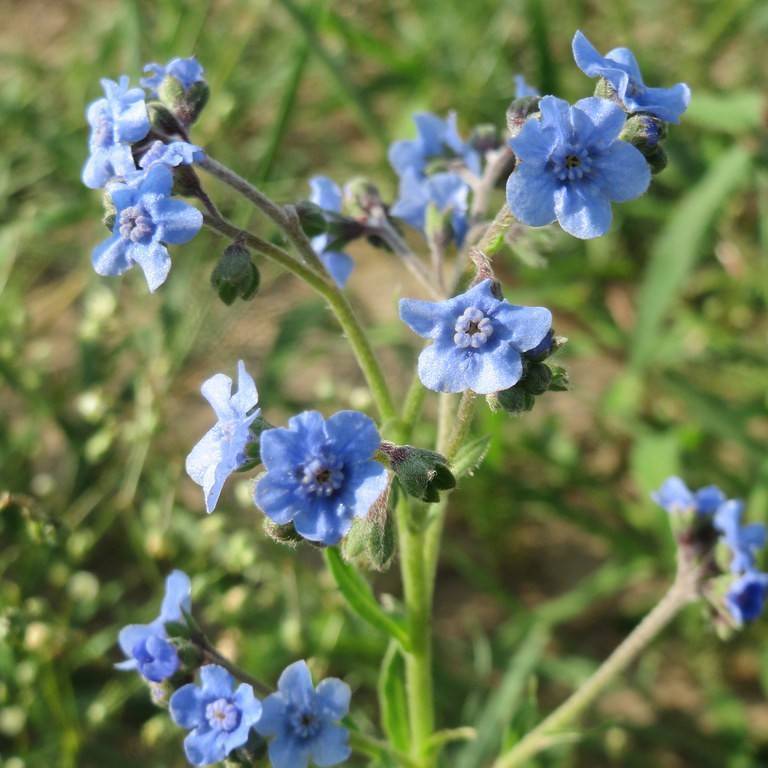
Siberian bugloss
Brunnera macrophylla
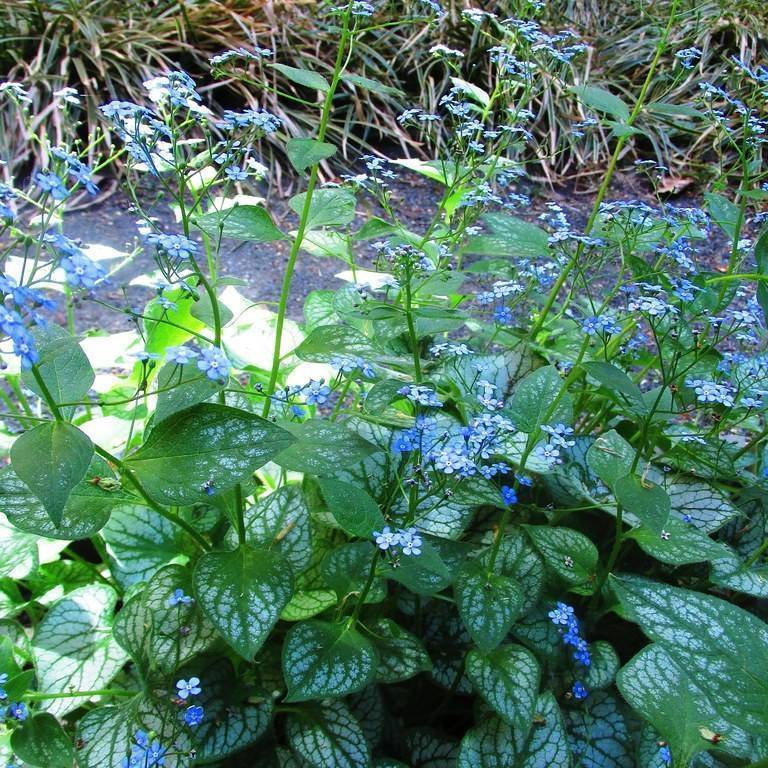
Siberian bugloss
Brunnera macrophylla 'Dawson's White'
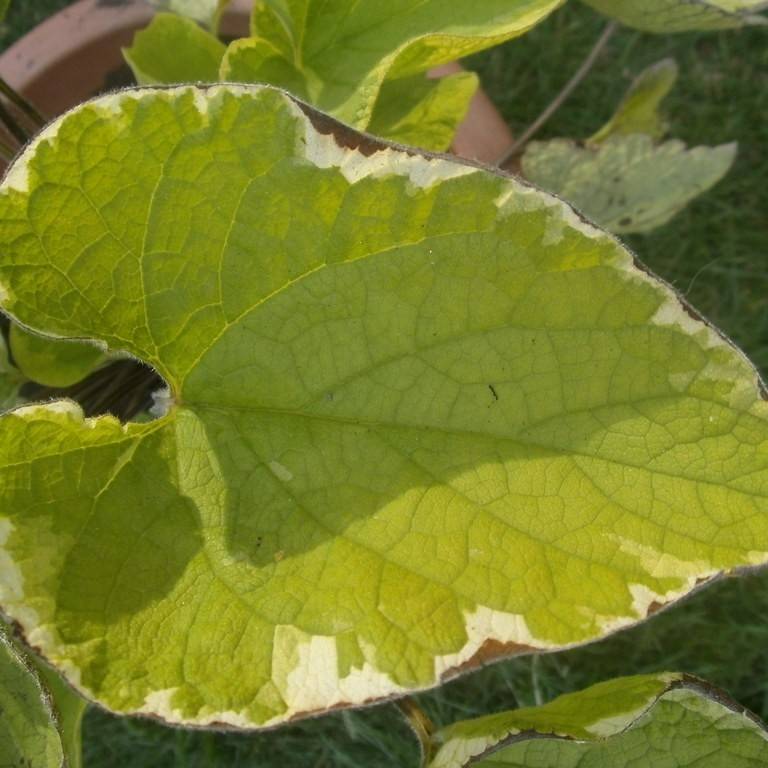
Siberian bugloss
Brunnera macrophylla 'Hadspen Cream'
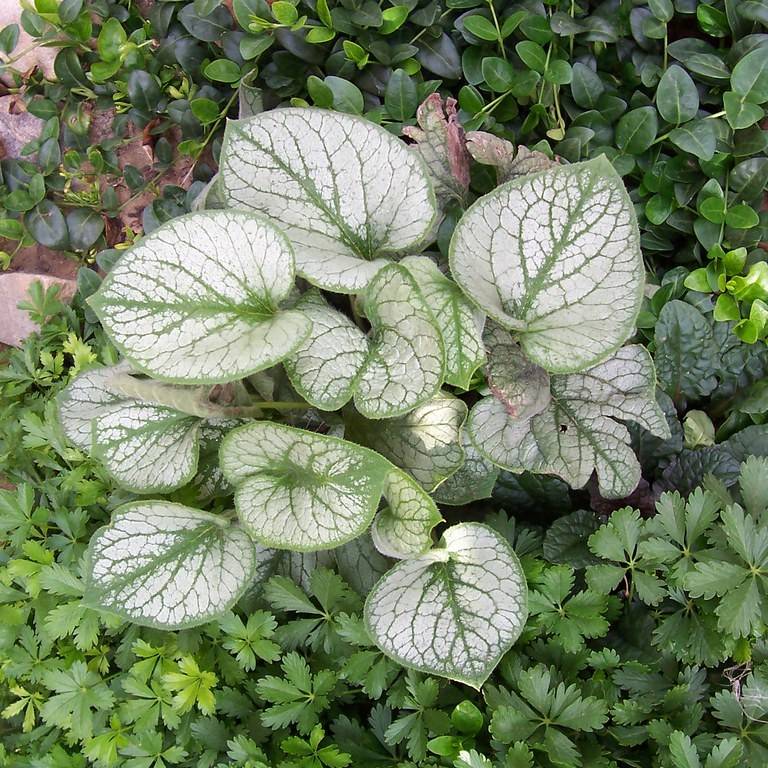
Siberian bugloss
Brunnera macrophylla 'Jack Frost'
Siberian bugloss
Brunnera macrophylla 'King's Ransom'