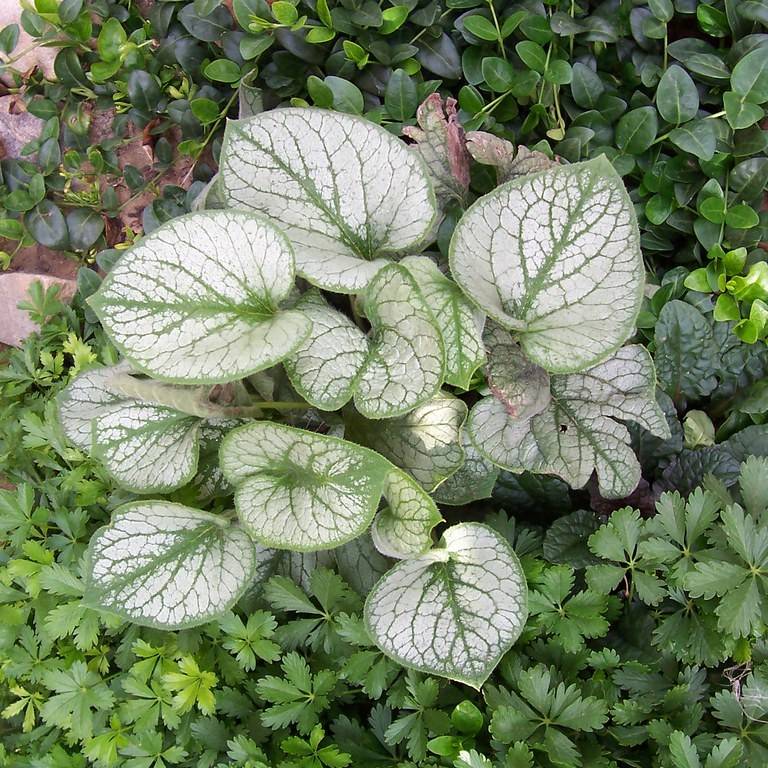
Siberian bugloss
Brunnera macrophylla 'Jack Frost'
Overview
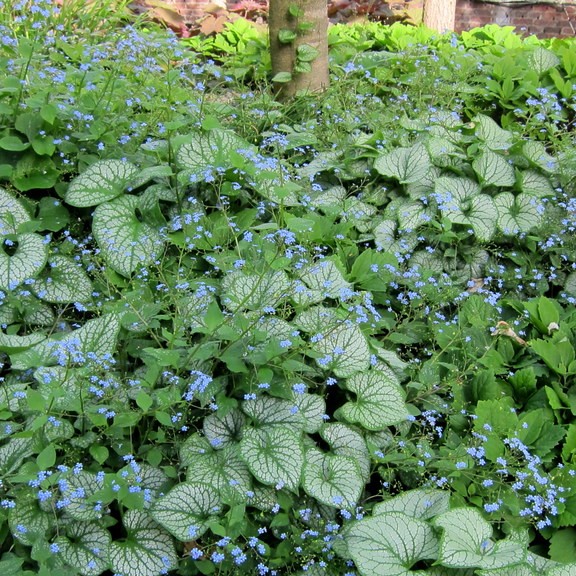
Siberian bugloss (Brunnera macrophylla ‘Jack Frost’) is an amazing plant species that deserves a spot in any garden. This perennial is a hardy and deer-resistant perennial with beautiful white, blue, and silver foliage. It produces intense sky-blue blooms in spring and is tolerant of a range of growing environments. It’s a great companion plant for hostas in shady gardens and can provide texture and interest all season long. Its ability to remain upright through conditions of both sun and shade make it versatile and easy to maintain. This low-maintenance beauty is a perfect addition to any garden.
Care Guide
Watering
Siberian bugloss (Brunnera macrophylla 'Jack Frost') should be watered about once a week. During warmer weather, it may need to be watered more often. If the upper 2 inches of soil is dry then it is time to water. Be sure to water deeply and evenly to encourage a strong root system. This plant thrives in moist, but well-drained soil, so don't allow the plant to sit in water. Over-watering can lead to root rot, so this should be avoided.
Light
Siberian bugloss (Brunnera macrophylla 'Jack Frost') does best when it receives 4-6 hours of direct sunlight per day. In the spring and summer months, direct sunlight can even be increased to 6-8 hours per day, but during the hottest times of the day, partial shade should be provided for the plant. During the winter months, Siberian bugloss should receive at least 2 hours of direct sunlight per day, but more is preferable. Partial shade will help protect the plant from excessive cold temperatures or winds.
Soil
Well-drained
Temperature
Hardiness zone 3–8.
Pruning
Pruning should be done in late winter or early spring each year for Siberian bugloss (Brunnera macrophylla 'Jack Frost'). This is best done before the plant begins to produce new growth in the spring. It is important when pruning to only remove the dead and damaged leaves and stems as it may otherwise affect the plant’s ability to produce flowers and foliage. It is beneficial to also trim back any overly aggressive growth or stems that have grown too long. When pruning, remove no more than 1/3 of the total plant. This will allow the plant to retain its shape while keeping it healthy.
Propagation
Division
Diseases & Pests
Common pests: Slugs, snails, Pest resistant, Disease resistant, Deer resistant, Rabbit resistant .
Related plants
Other plants you might like if you grow Siberian bugloss.
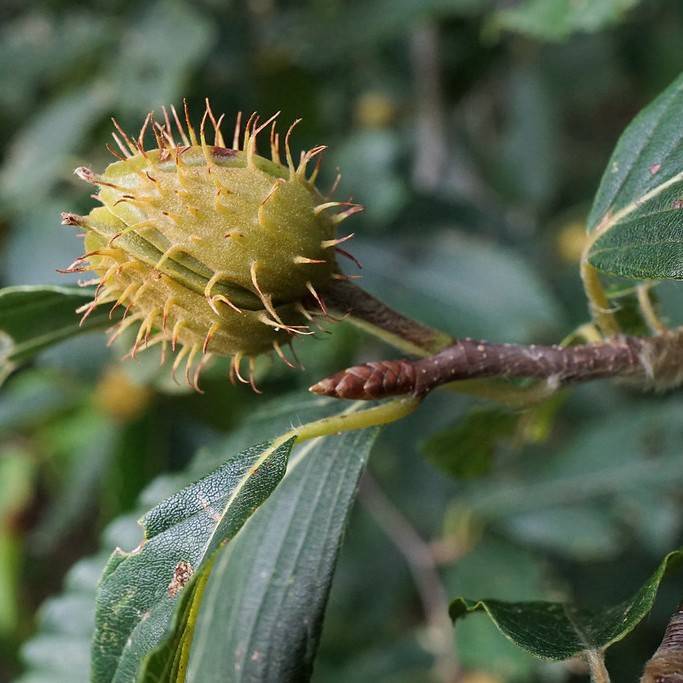
American beech
Fagus grandifolia
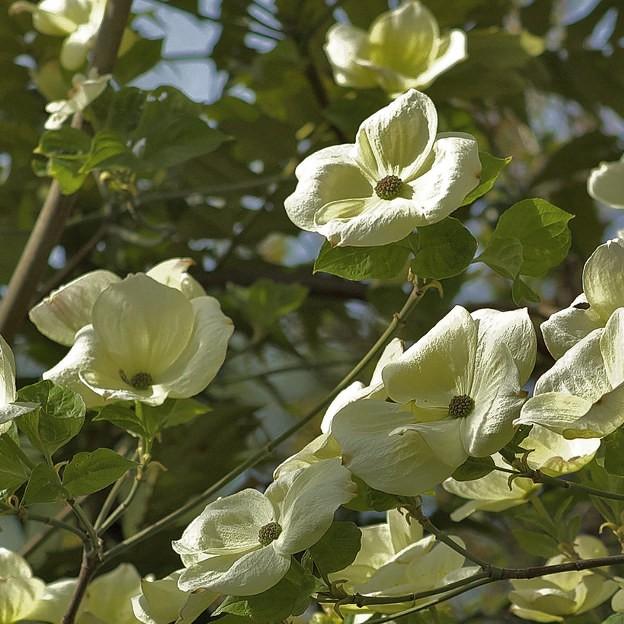
Eddie's White Wonder Flowering Dogwood
Cornus 'Eddie's White Wonder'
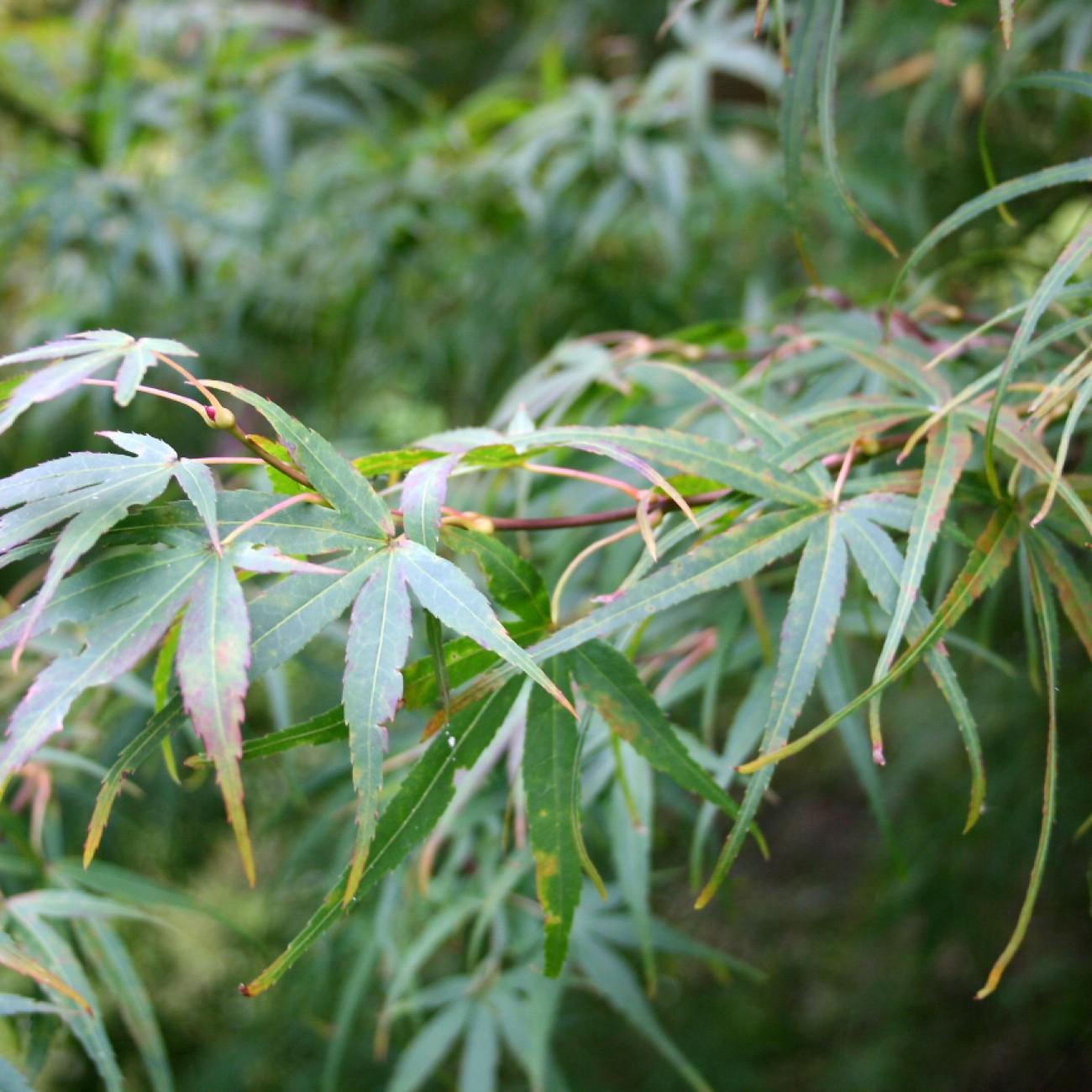
Koto No Ito Japanese Maple
Acer palmatum 'Koto No Ito'
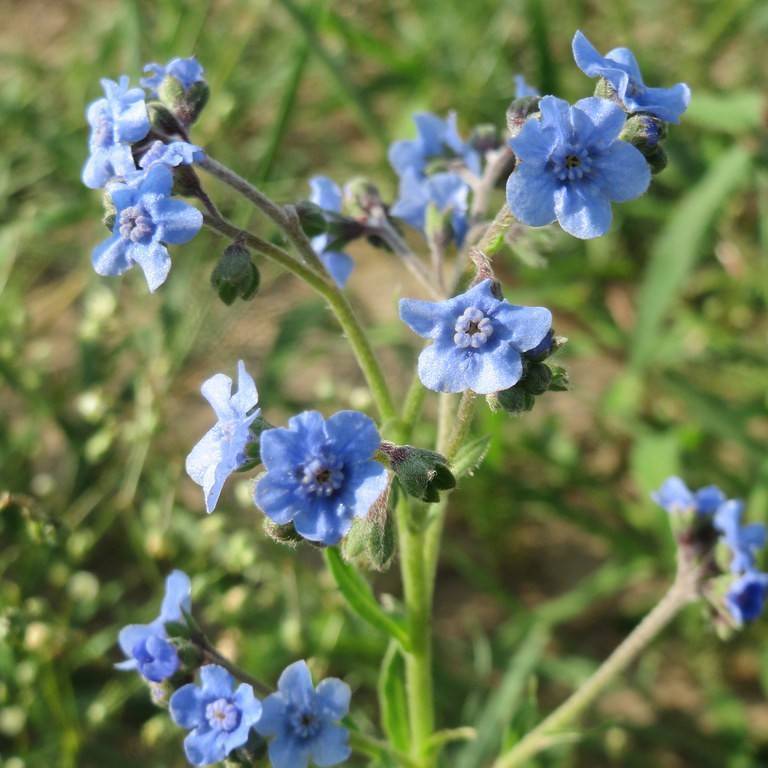
Siberian bugloss
Brunnera macrophylla
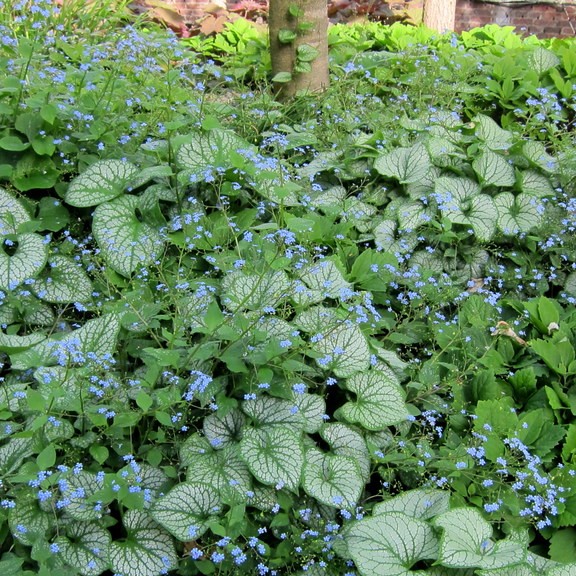
Siberian bugloss
Brunnera macrophylla 'Alexander's Great'
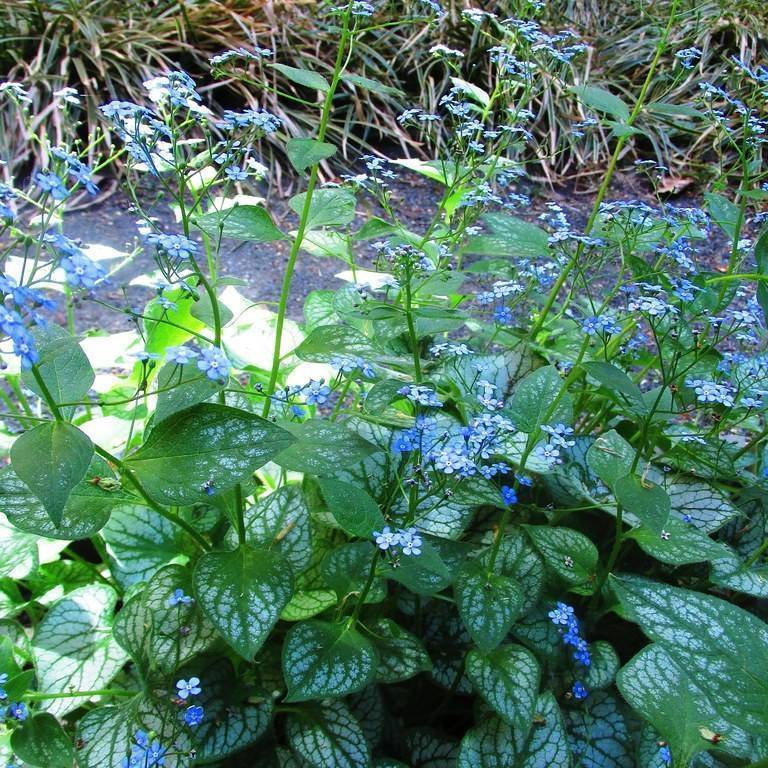
Siberian bugloss
Brunnera macrophylla 'Dawson's White'
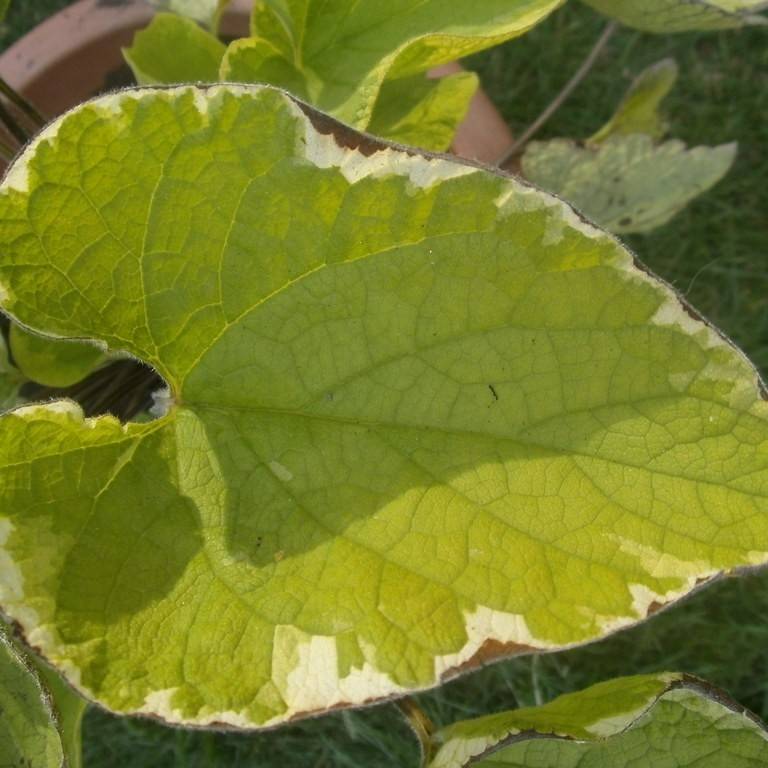
Siberian bugloss
Brunnera macrophylla 'Hadspen Cream'
Siberian bugloss
Brunnera macrophylla 'King's Ransom'