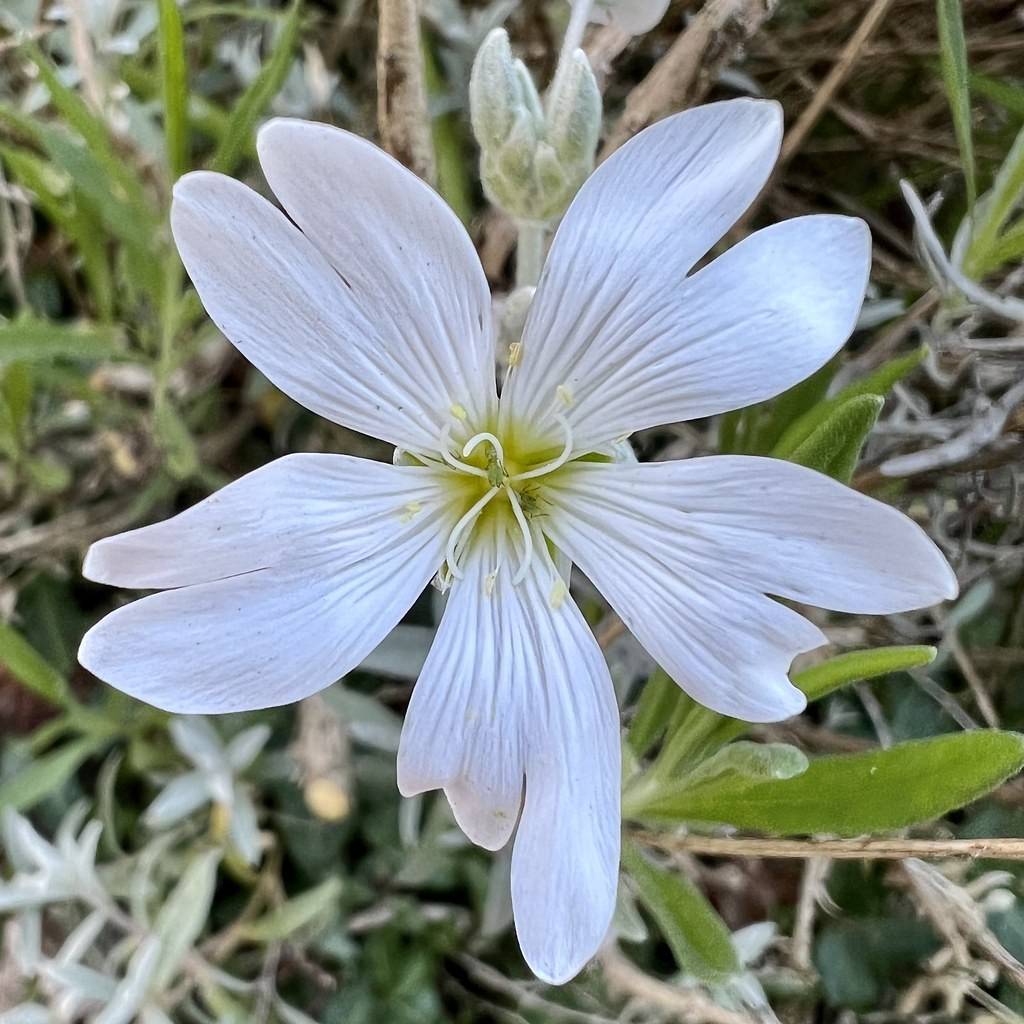
snow-in-summer
Cerastium tomentosum 'Olympia'
Overview
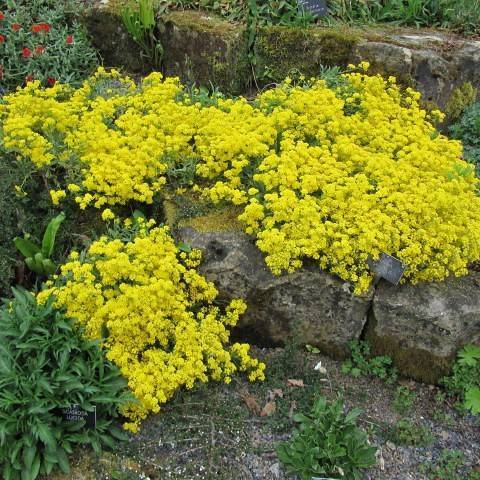
Snow-in-Summer (Cerastium tomentosum 'Olympia') is an amazing plant that boasts an abundance of beautiful blooms during the summer months. Its medium-green foliage gives it a striking look in contrast to its white flowers. This perennial grows well in full sun and prefers dry soils, making it perfect for growing in rockeries and steep banks. During warm days, the flowers open up for a spectacle of white blooms, and the night brings a delightful scent to the garden. The drought tolerance of this plant makes it a great choice for areas that receive little rainfall. Snow-in-summer is a gorgeous and fragrant addition to any garden that is sure to bring plenty of beauty throughout the summer months.
Care Guide
Watering
Snow-in-summer prefers full sun to part shade and well-drained soil. Water whenever the soil is dry. Water moderately, keeping the soil lightly moist but resisting overwatering. In periods of extreme heat or drought, extra watering may be necessary to keep the plant healthy. Snow-in-summer typically requires weekly watering in summer and biweekly watering during spring and fall. In winter, water sparingly.
Light
Snow-in-summer (Cerastium tomentosum "Olympia") is a hardy, spreading perennial that thrives in full sun. This plant prefers at least 6 hours of direct sunlight a day and grows best in areas that receive plenty of sunshine year-round. If you are planting Snow-in-summer in a spot with partial sun, the flowers will be fewer in number, but you should still get an attractive show of bloom throughout the growing season. Overall, Snow-in-summer performs its best in full sun, so make sure it gets plenty of direct sunlight when it blooms in the summer months.
Soil
Rocky , gravelly , dry, Well-drained
Temperature
Hardiness zone 3–7.
Pruning
Snow-in-summer (Cerastium tomentosum 'Olympia') can be pruned back in early spring, before new growth emerges. Pruning should be done lightly to remove any dead, damaged, or overgrown stems. Try to leave the center of the plant unpruned, as this helps encourage a full and dense appearance. After the initial pruning, you can prune back any excess growth again in late summer, typically around August, to keep the plant from becoming too large.
Propagation
Division, Cutting, Seed Propagation, Layering Propagation
Diseases & Pests
Common pests: Drought resistant.
Related plants
Other plants you might like if you grow snow-in-summer.