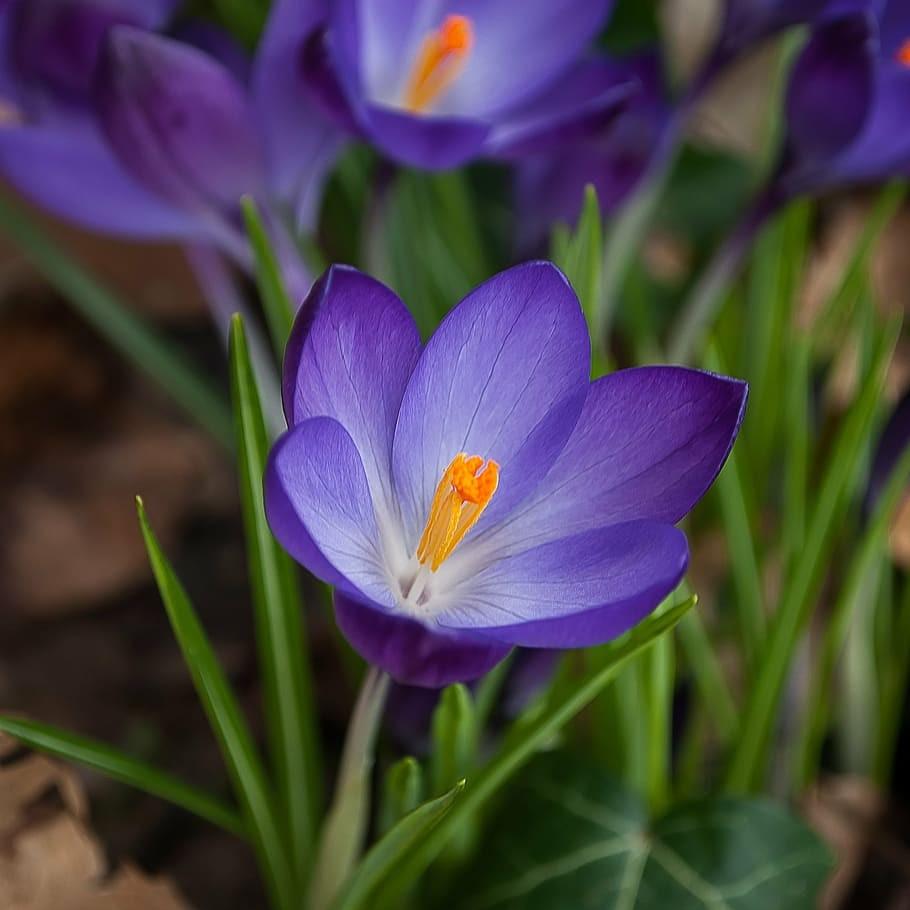
Spring crocus
Crocus vernus 'Purpureus Grandiflorus'
Overview
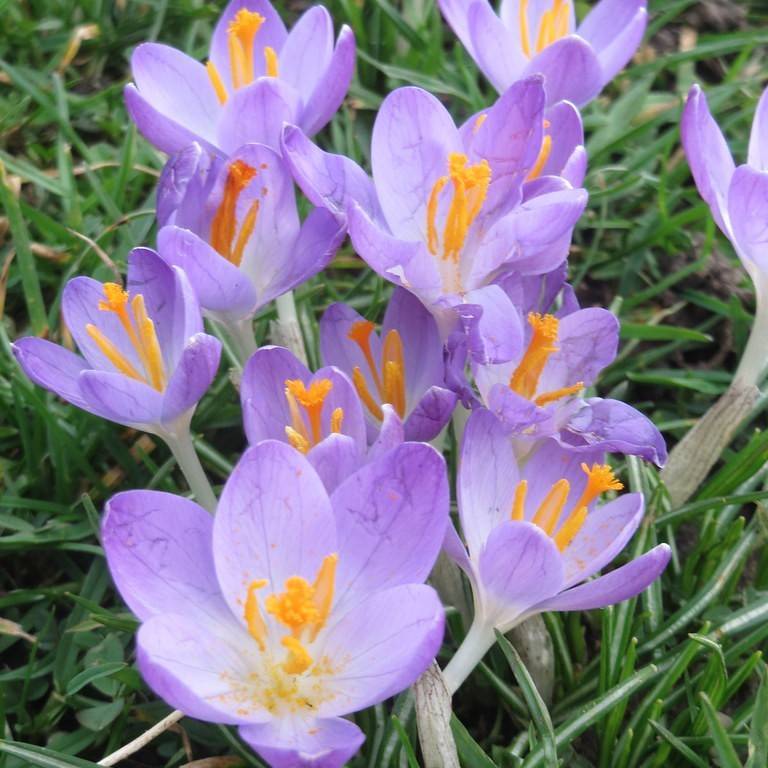
The Spring crocus (Crocus vernus 'Purpureus Grandiflorus') is an amazing plant species! It is a unique and beautiful perennial bulb with semi-double lavender-violet flowers. It blooms in early spring, offering a bright splash of colour to a garden when nothing else is in bloom. What's more, it is incredibly easy to care for - it prefers full sun and well-drained soils, and only requires occasional watering. Not to mention, it's incredibly hardy and can survive extreme temperatures. If you are looking for some spring colour to add to your garden, then the Spring crocus is an ideal choice!
Care Guide
Watering
Spring crocus should be watered regularly during its growing season to help ensure blooming the following year. Water the soil around the bulbs, taking care not to disturb the delicate blossoms. Provide about 1 inch of water once a week if there is not enough rainfall. In addition, water around the soil surface to help keep the soil moist but not soggy. Decrease the frequency of watering once the blooming season has ended.
Light
Spring crocus (Crocus vernus 'Purpureus Grandiflorus') typically bloom in late February to early April, when light levels are on the rise as the days get longer. The flowers will respond best to full sun, at least 6 hours of direct sunlight during the course of the day in order to be healthy and bloom prolifically. If the plant is placed in a shaded area, it will still be able to survive but will not produce as many flowers as it would in a garden bed that gets direct sun most of the day.
Temperature
Hardiness zone 3–8.
Pruning
Spring crocus (Crocus vernus 'Purpureus Grandiflorus') should be pruned lightly in late winter or early spring ( February or March) in order to maintain its shape and promote flower growth. To do this, simply remove any old or damaged leaves, stems, or flower petals that have dropped on the ground. Pruning should be done with sharp pruning shears, taking care to not damage the newly emerging buds or leaves. When all debris has been removed, you may wish to add in any additional soil compost or fertilizer to nourish the soil and promote the growth of the flower. Lastly, consider adding a layer of mulch on top of the soil to add additional protection and help retain moisture during dryer and hotter months.
Propagation
Division, Seed Propagation, Offsets
Related plants
Other plants you might like if you grow Spring crocus.
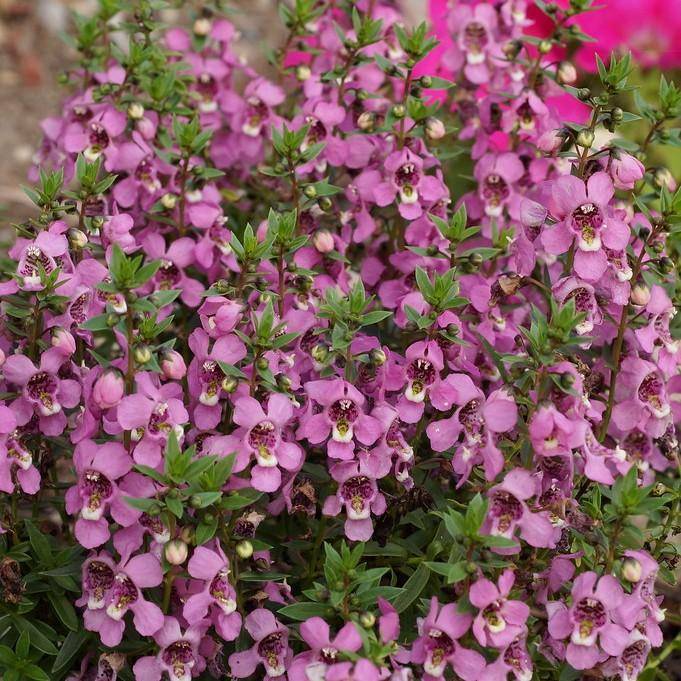
angelonia
Angelonia angustifolia
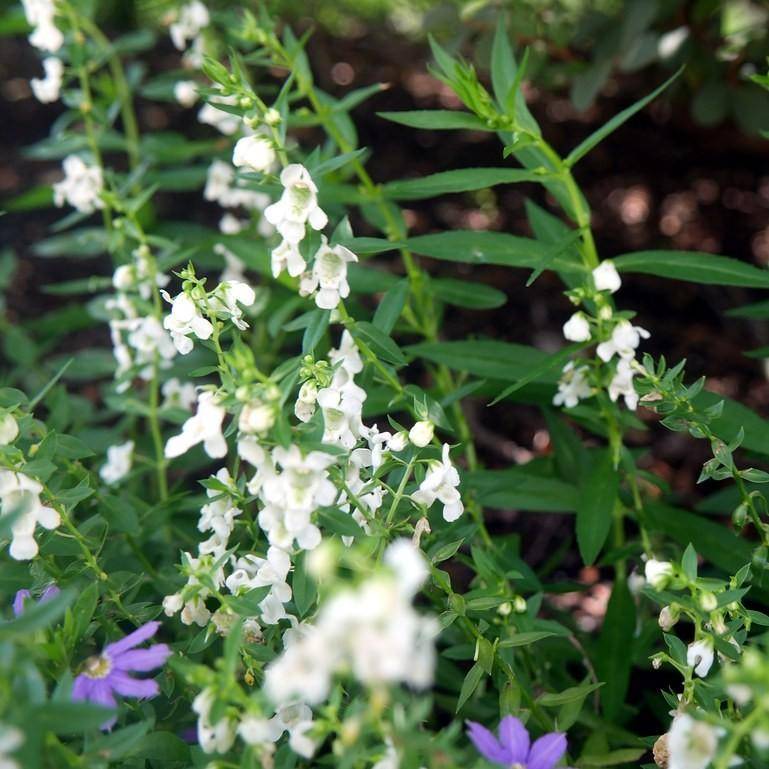
angelonia
Angelonia angustifolia SERENA MIXTURE
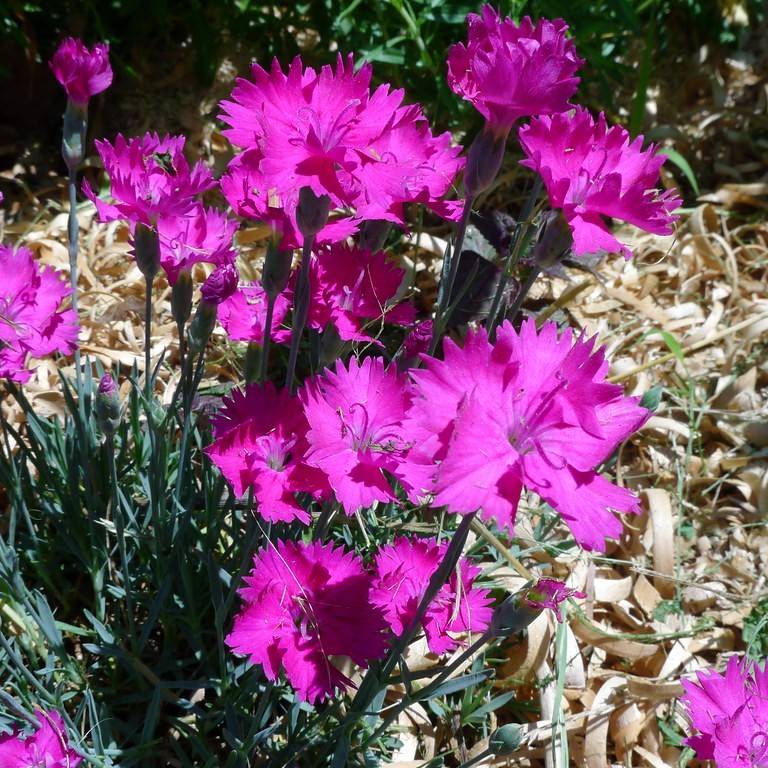
cheddar pink
Dianthus gratianopolitanus
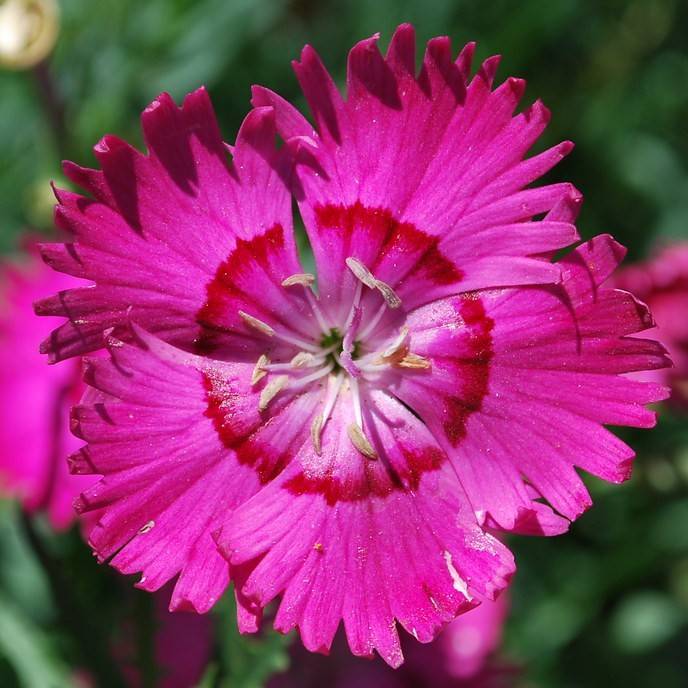
cheddar pink
Dianthus gratianopolitanus 'Grandiflorus'
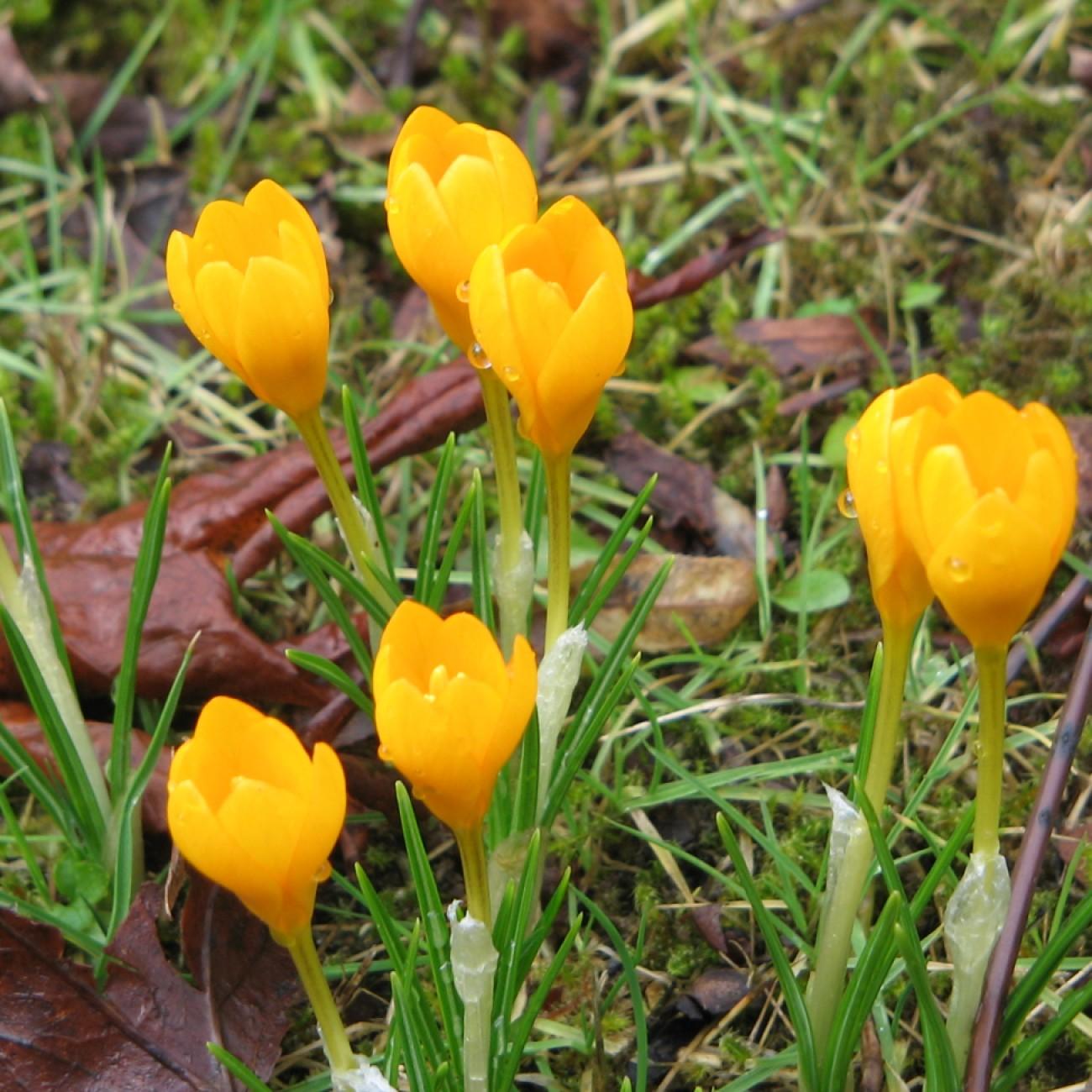
crocus
Crocus luteus 'Golden Yellow'
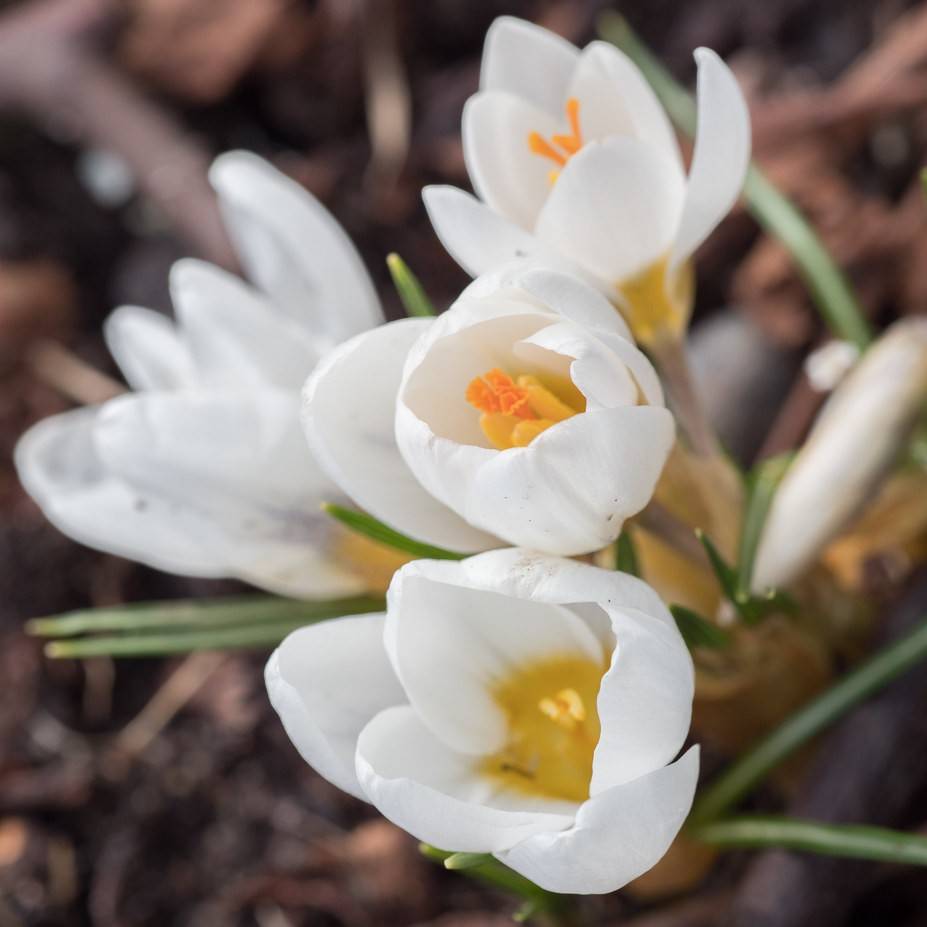
Dutch crocus
Crocus vernus
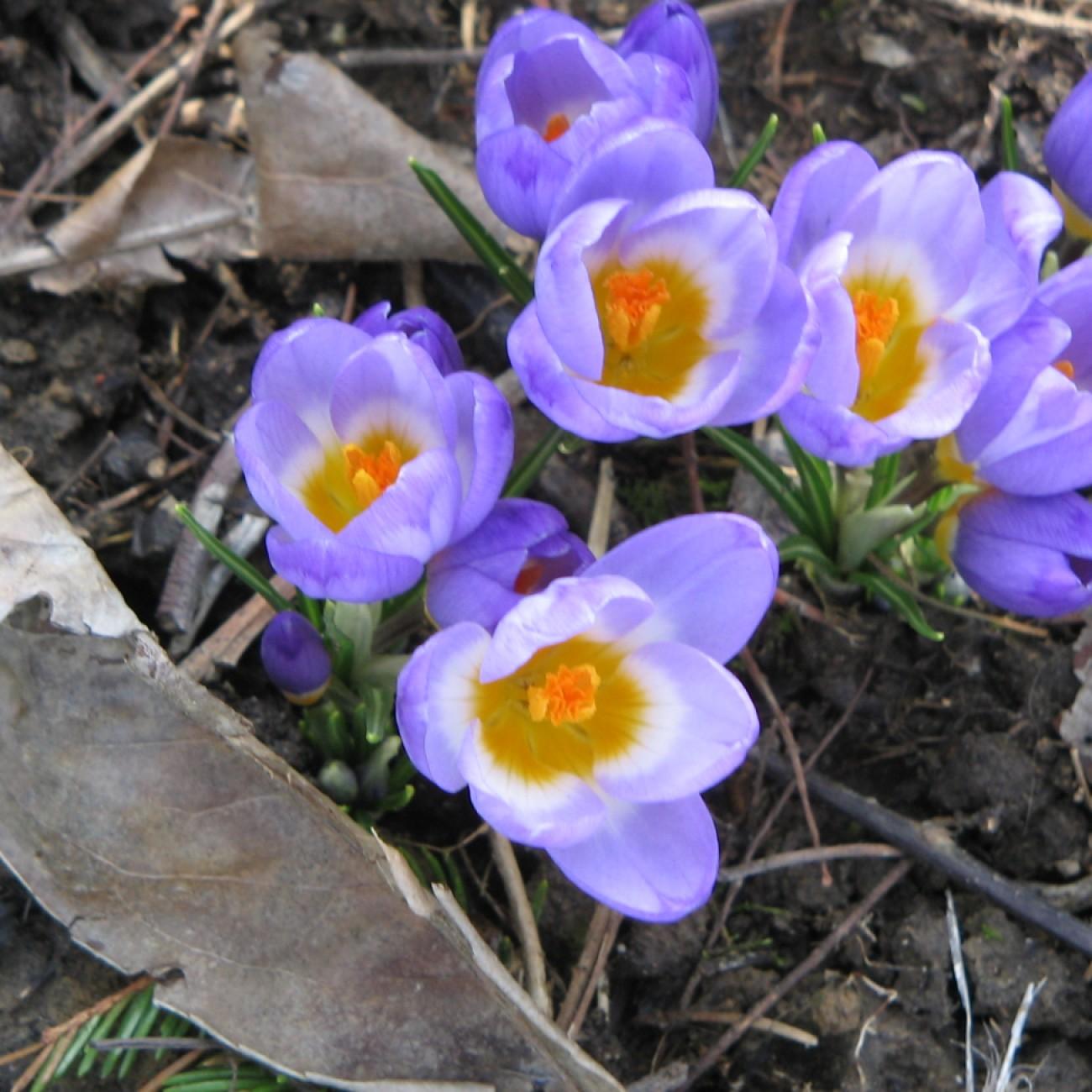
Sieber's crocus
Crocus sieberi subsp. atticus 'Firefly'
snow crocus
Crocus tommasinianus