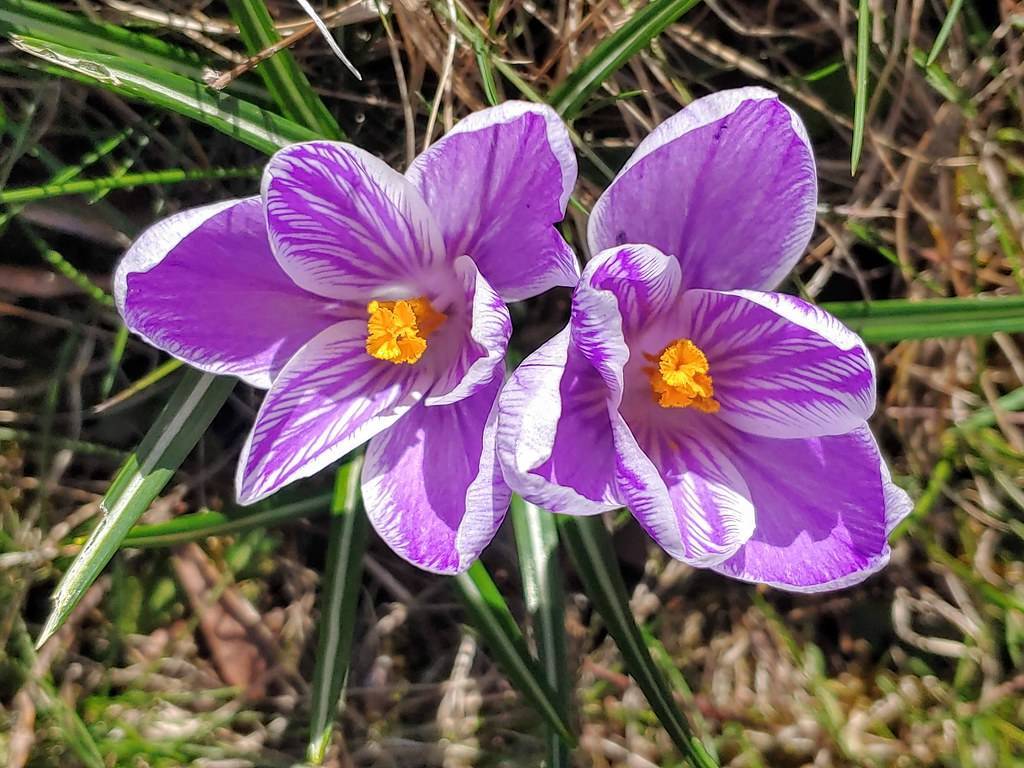
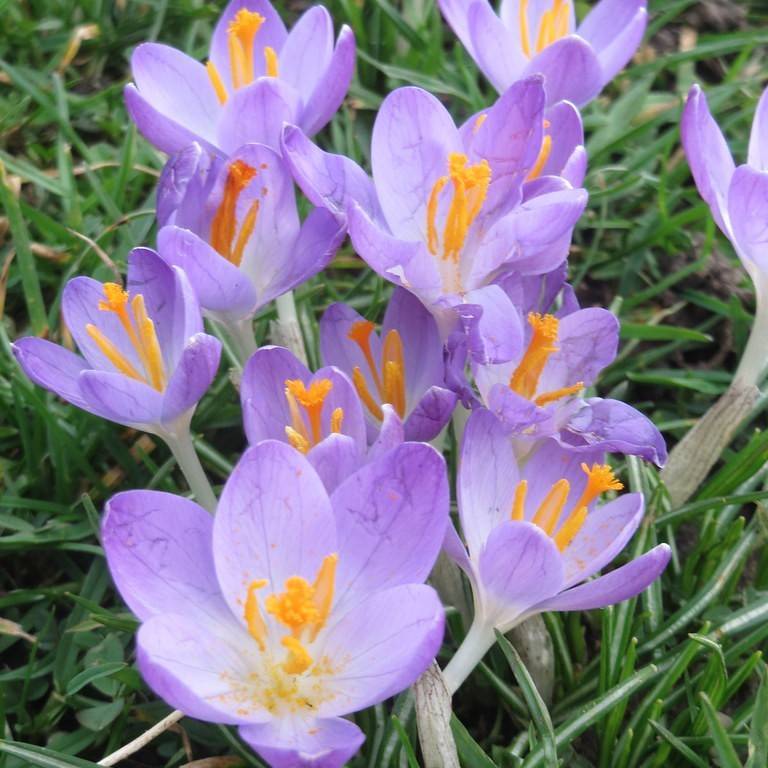
Spring crocus
Crocus vernus 'Striped Beauty'
Overview
Spring crocus (Crocus vernus 'Striped Beauty') is a delightful spring flower. These hardy bulbs erupt in late winter, bringing bright color and fragrant essential oils to your garden. With its vibrant purple and white stripes, this flower is an eye-catching addition to any landscape. It's especially popular with butterflies and bees, thanks to its fragrant scent and ample pollen. The Striped Beauty variety remains a mainstay of spring gardens around the world, providing dependable color and flush of beauty. With a season of bloom that lasts up to 6 weeks, the Striped Beauty Spring crocus is an amazing choice for anyone seeking vibrant and reliable beauty.
Care Guide
Watering
For Spring crocus (Crocus vernus 'Striped Beauty'), the optimal amount of water for this species should be kept to a minimum. It should be watered only when the soil becomes dry to the touch, usually about every 2 weeks. It is important that Spring crocus do not become waterlogged, as they are prone to disease. When watering, it is best to allow the water to trickle down slowly and evenly around the base of the plant, taking care not to disturb the roots or plant itself. A long soak is not necessary, as this could lead to root rot. Try to water only in the morning and avoid wetting the foliage, as this can foster mildew.
Light
Spring crocus (Crocus vernus 'Striped Beauty') is a perennial plant that requires full sun to partial shade for optimal growth and flowering. It needs 4 to 6 hours of direct sunlight per day, including some mid-day light to encourage flowering. If grown in full sun, the location should be sheltered from strong, dry winds. When grown in part shade, the location should have afternoon sun to encourage flowering. The plant's blooming period usually occurs in early spring and will typically last a few weeks.
Temperature
Hardiness zone 3–8.
Pruning
Spring crocus (Crocus vernus 'Striped Beauty') should be pruned in early autumn, soon after the blooms have started to fade and the foliage starts to turn yellow. Start by deadheading, or removing, the faded blooms from the spikes. If some of the foliage has withered, trim it back to 1-2 inches tall. An overall light pruning can then be done, removing any stems that look unhealthy or are showing signs of disease. After the plant is done blooming for the season, it can be cut back to the ground. This will help keep the area tidy and discourage pests and diseases from taking hold.
Propagation
Division, Seed Propagation, Cormlet Propagation, Offsets
Related plants
Other plants you might like if you grow Spring crocus.
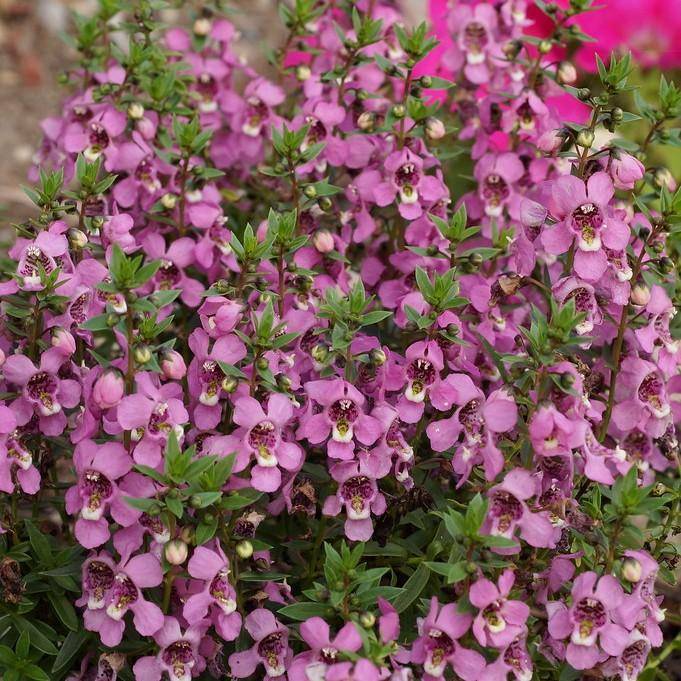
angelonia
Angelonia angustifolia
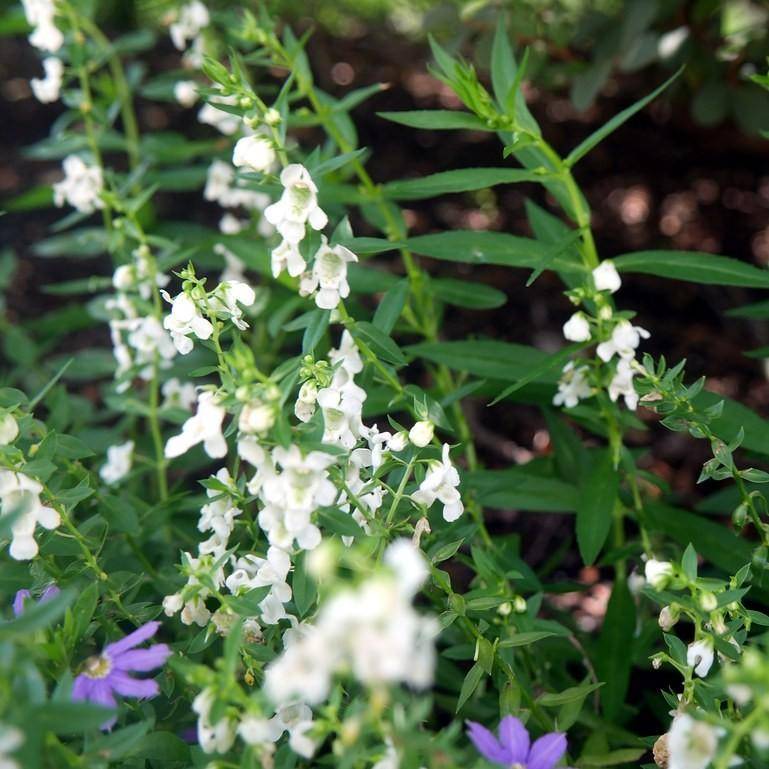
angelonia
Angelonia angustifolia SERENA MIXTURE
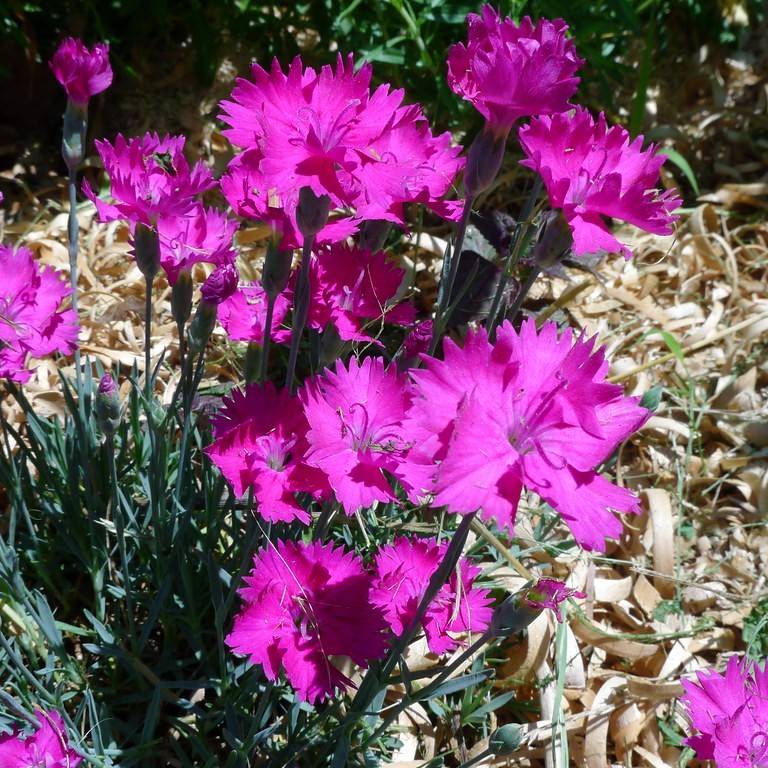
cheddar pink
Dianthus gratianopolitanus
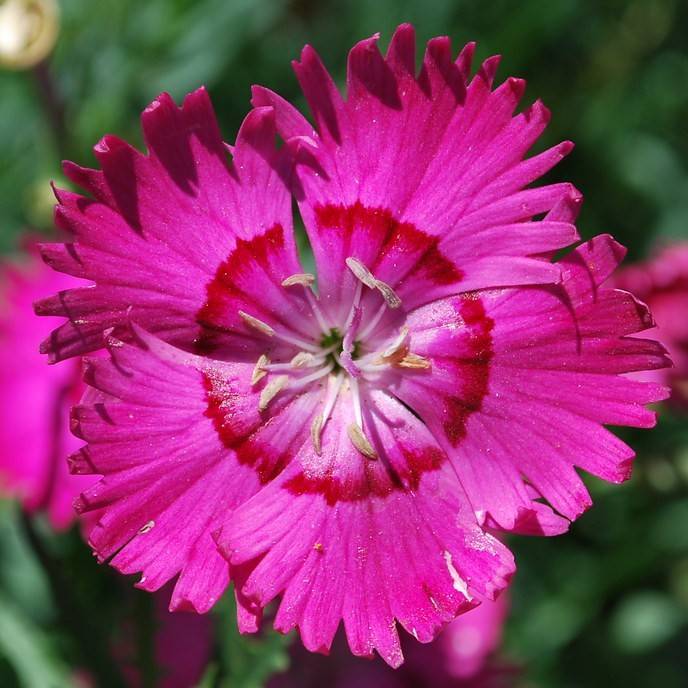
cheddar pink
Dianthus gratianopolitanus 'Grandiflorus'
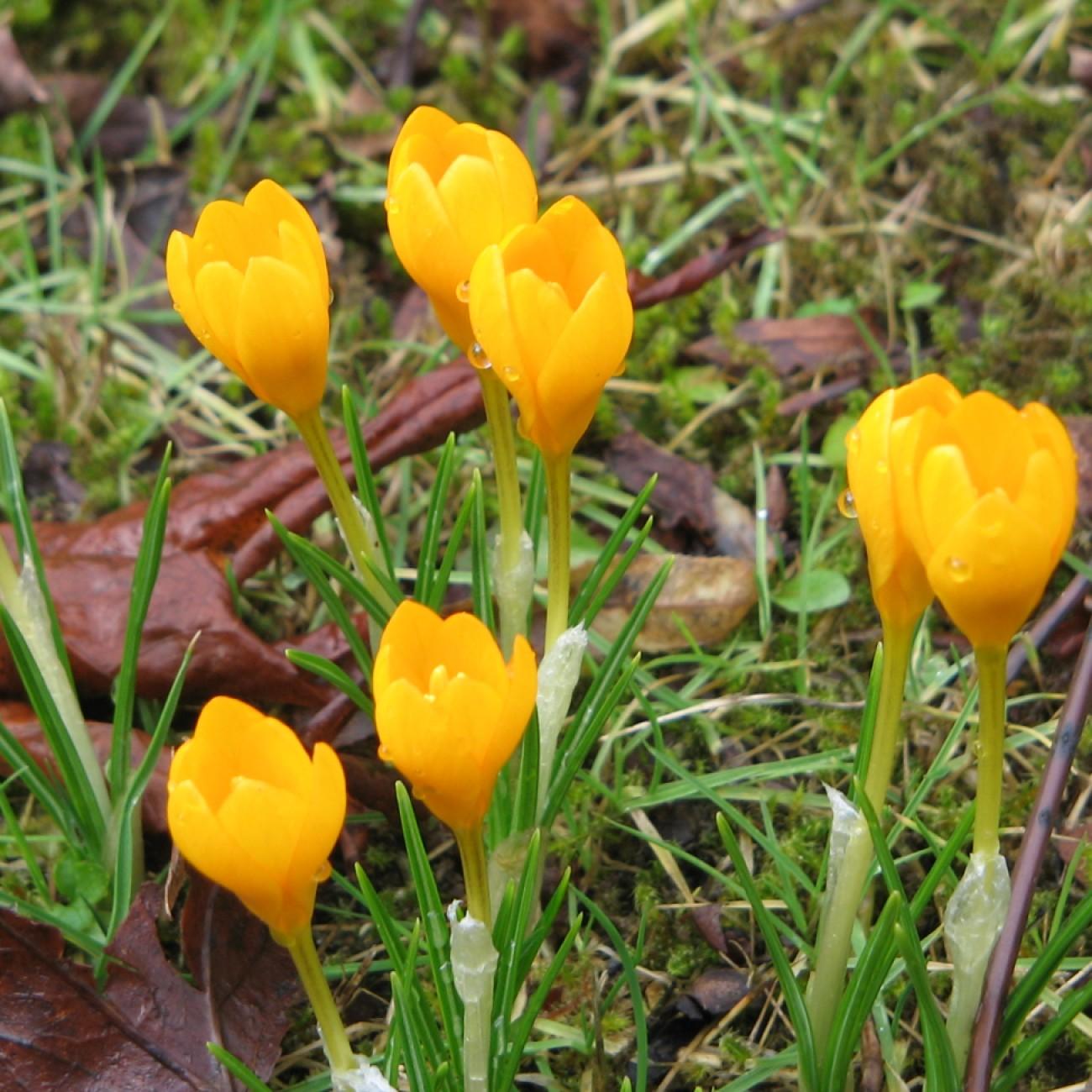
crocus
Crocus luteus 'Golden Yellow'
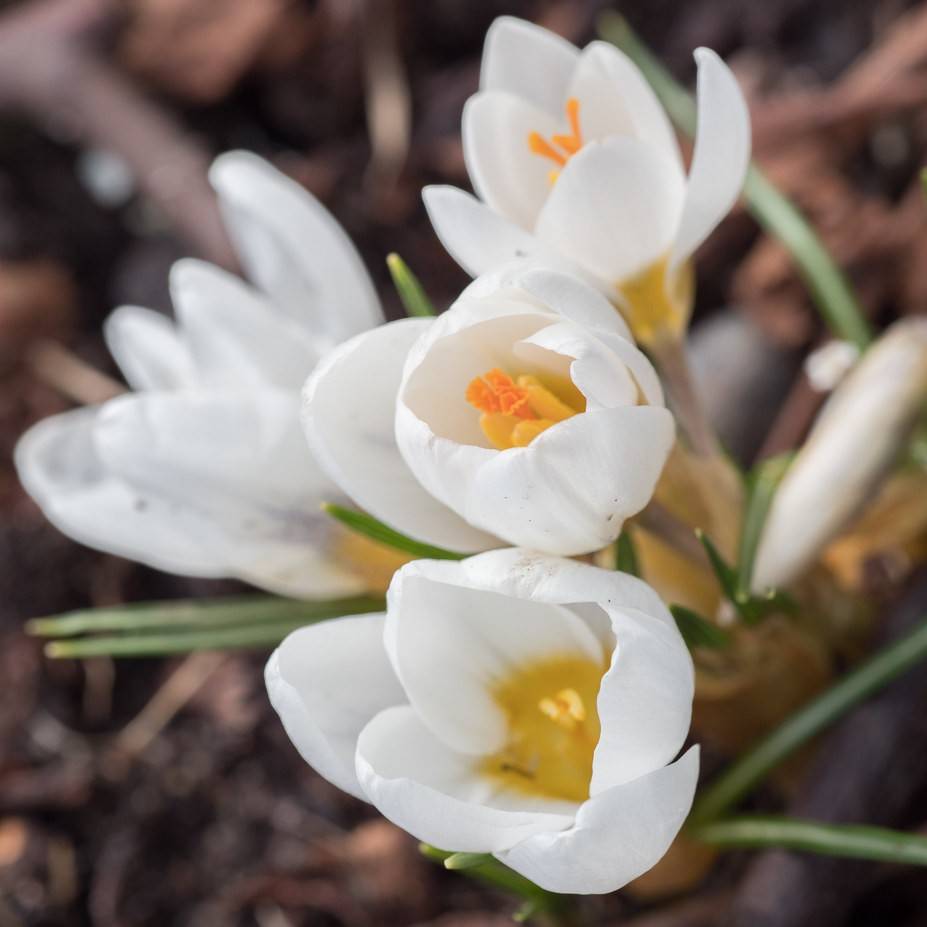
Dutch crocus
Crocus vernus
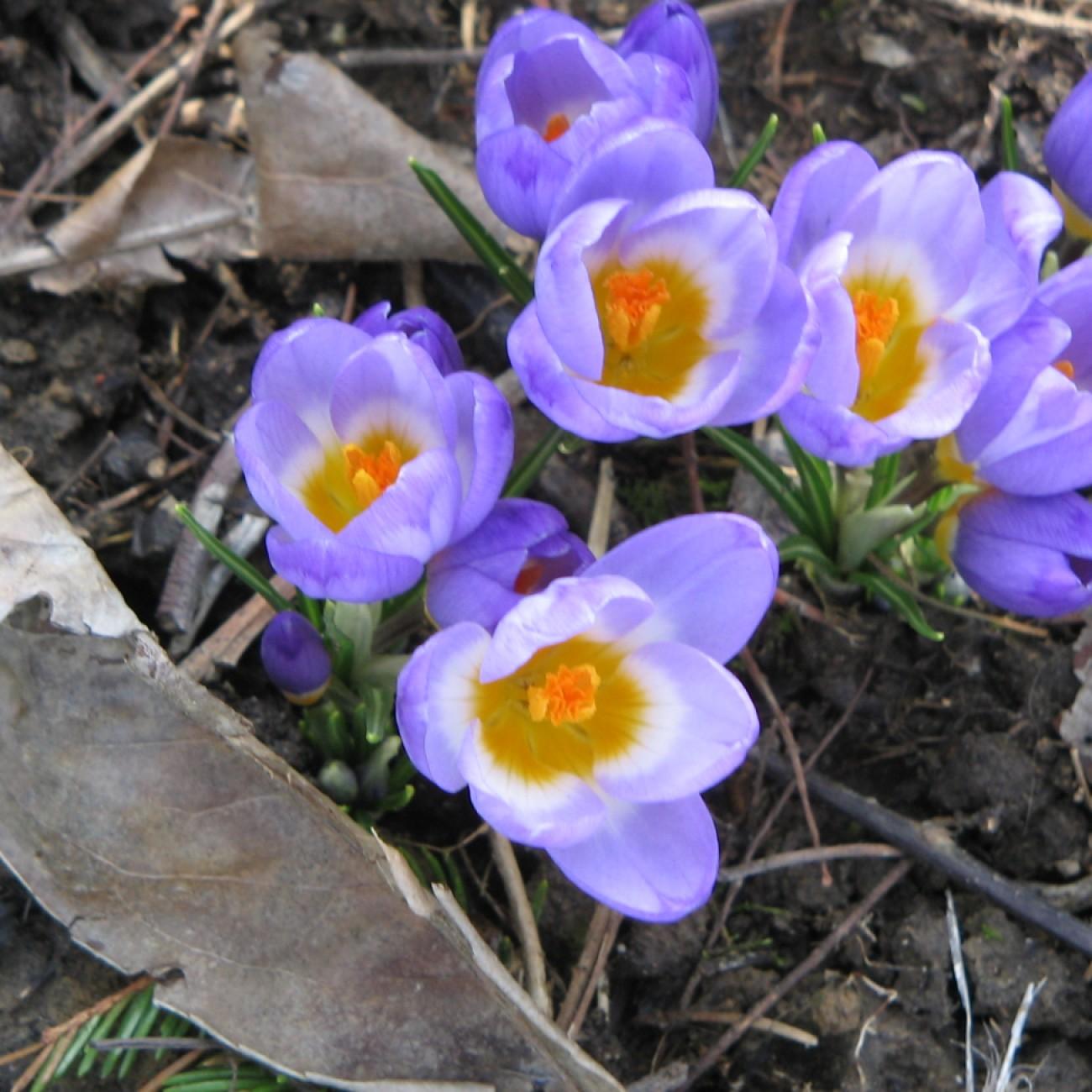
Sieber's crocus
Crocus sieberi subsp. atticus 'Firefly'
snow crocus
Crocus tommasinianus