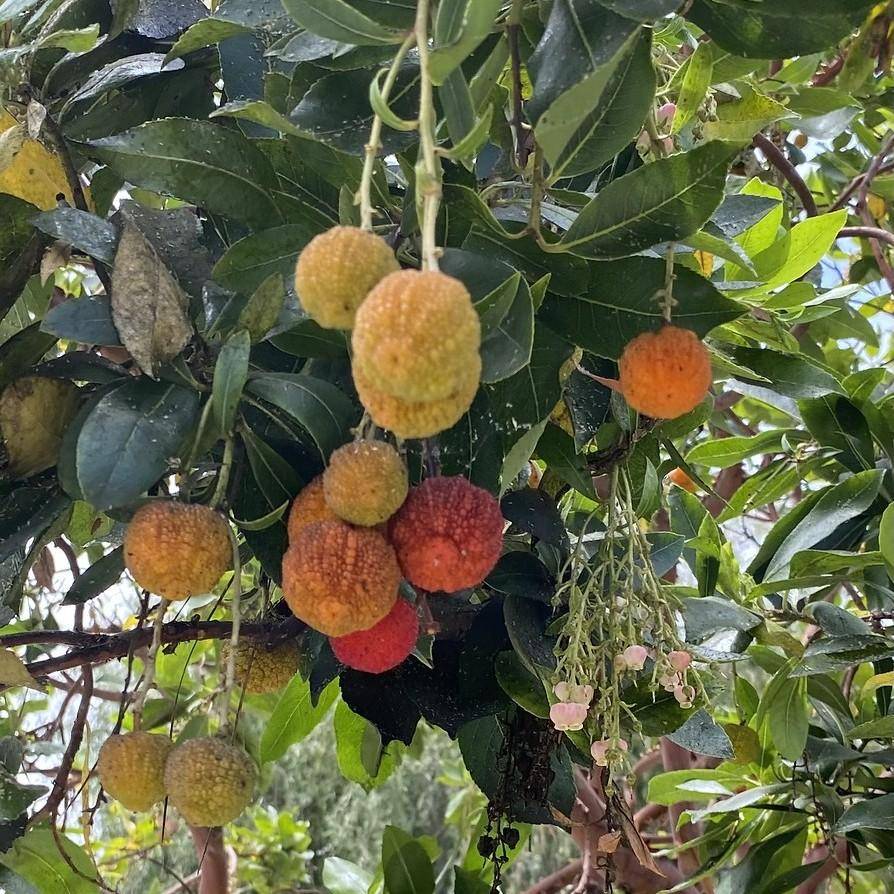
strawberry tree
Arbutus unedo 'Oktoberfest'
Overview
The strawberry tree (Arbutus unedo 'Oktoberfest') is a truly unique and amazing plant. Abundant clusters of white bell-shaped flowers bloom in the fall and give way to glossy red fruit in winter, thus resembling large red strawberries! In spring, its appealing evergreen foliage appears, giving a lush and colorful look year-round. Not to mention its attractive bark and the sweet smell of its flowers and fruit! The proud size of 6-10 feet and its ornamental shape make it a real eye catcher in any garden. Add to this its ability to tolerate drought and coastal conditions and it is a truly amazing plant!
Care Guide
Watering
The strawberry tree (Arbutus unedo 'Oktoberfest') should be watered deeply once per week, providing 1 to 2 inches of water in the summer months and 1 inch of water in the winter months. During periods of drought, the tree can benefit from an additional 1 to 2 inches of water per week. As with most plants, it's better to provide the water slowly over a few hours, rather than all at once. The soil around the strawberry tree should be allowed to dry out between waterings.
Light
Strawberry tree (Arbutus unedo 'Oktoberfest") requires at least 6-8 hours of direct sunlight per day to thrive. During summer months, the tree should receive full sun in the morning and late afternoon while avoiding the strongest hours of direct sunlight in the afternoon. In winter, when the days are much shorter, the oktoberfest arbutus should receive a good amount of sun throughout the day, preferably morning sun, in order to keep it healthy and promote blooms.
Soil
Well-drained
Temperature
Hardiness zone 7–7.
Pruning
Strawberry tree (Arbutus unedo 'Oktoberfest') is best pruned in late winter or early spring. Pruning should be done gradually over a 3-4 year period to maintain the plants’ natural shape and promote thicker foliage. Pruning should be minimal overall; remove no more than 1-third of the plant’s canopy in any year. Remove dead, damaged, and diseased branches, as well as branches that are too close together. Pruning should focus on maintaining an even canopy of young shoots to promote good air circulation and minimize pest and disease problems. Thin out small branches and shoots that cross each other and also those that appear congested.
Propagation
Greenwood Cuttings, Greenwood Cuttings, Hardwood Cuttings, Seed Propagation
Diseases & Pests
Common pests: Fungal leaf spot, Root rot, Scale insects, Drought resistant .
Guides that mention strawberry tree
Related plants
Other plants you might like if you grow strawberry tree.
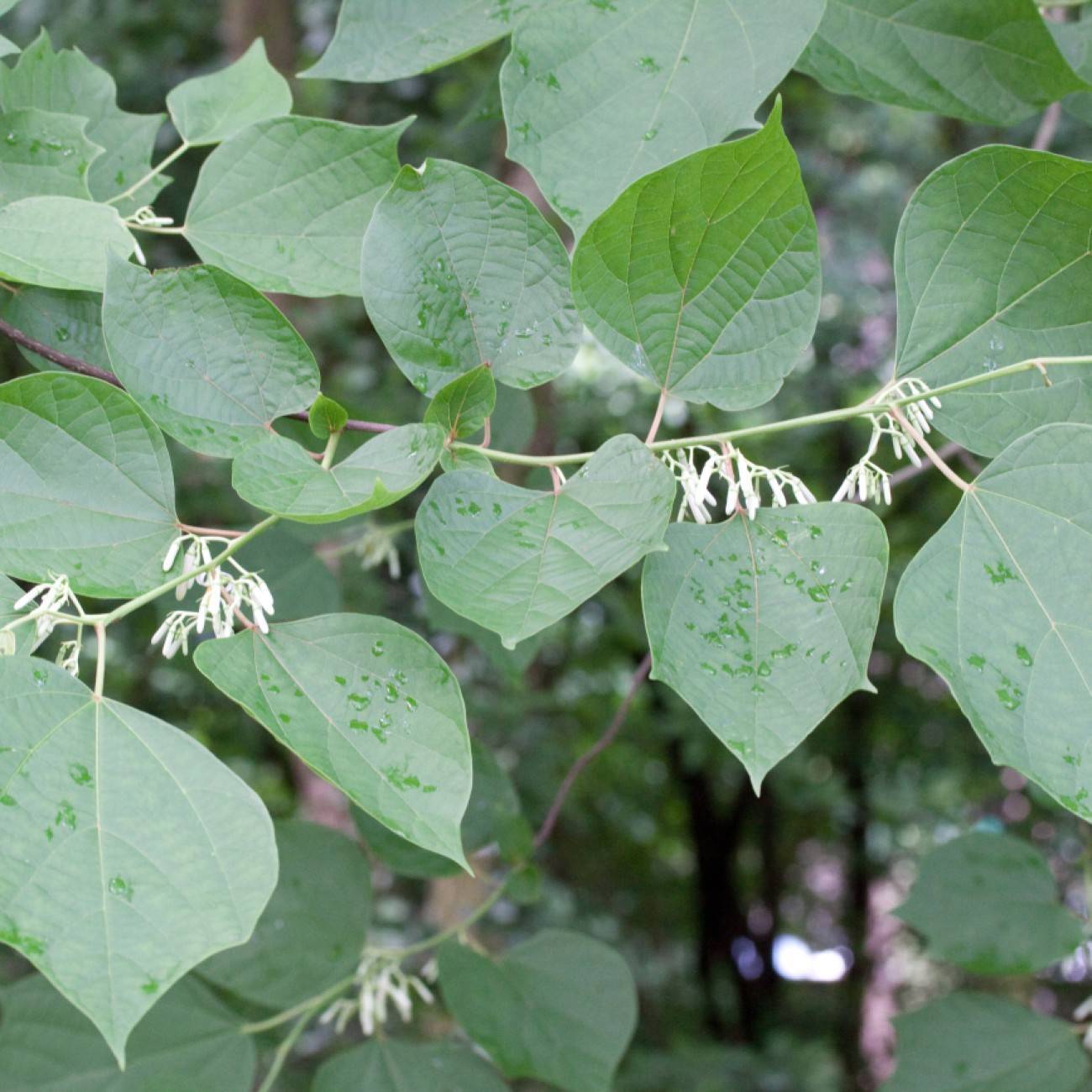
alangium
Alangium platanifolium var. macrophyllum
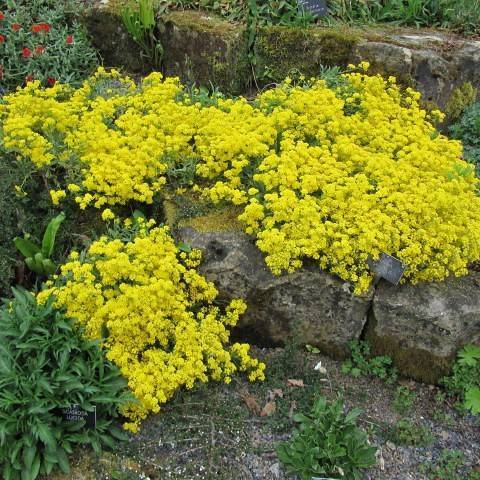
basket of gold
Aurinia saxatilis 'Gold Dust'
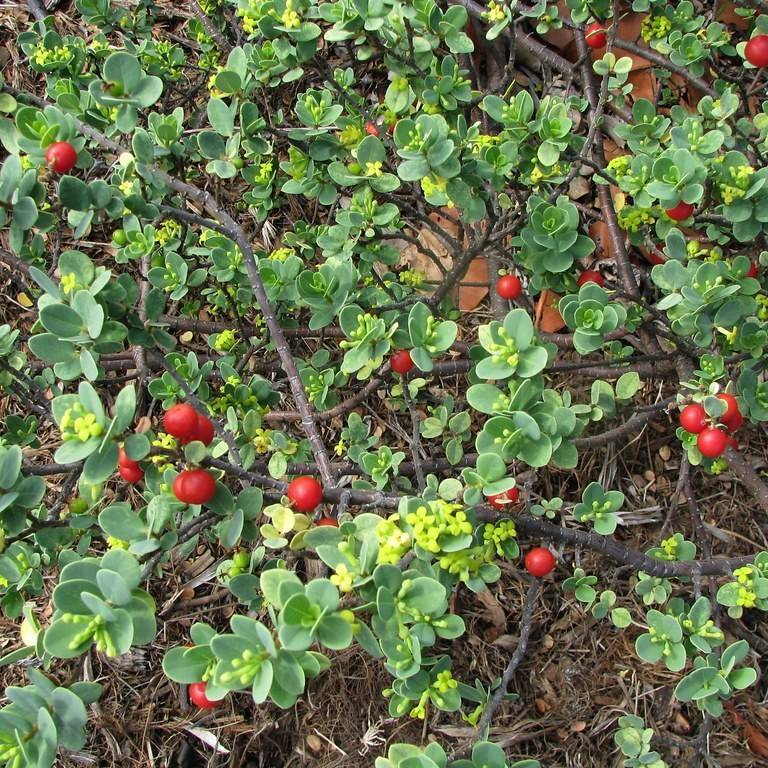
bearberry
Arctostaphylos uva-ursi 'Wood's Red'
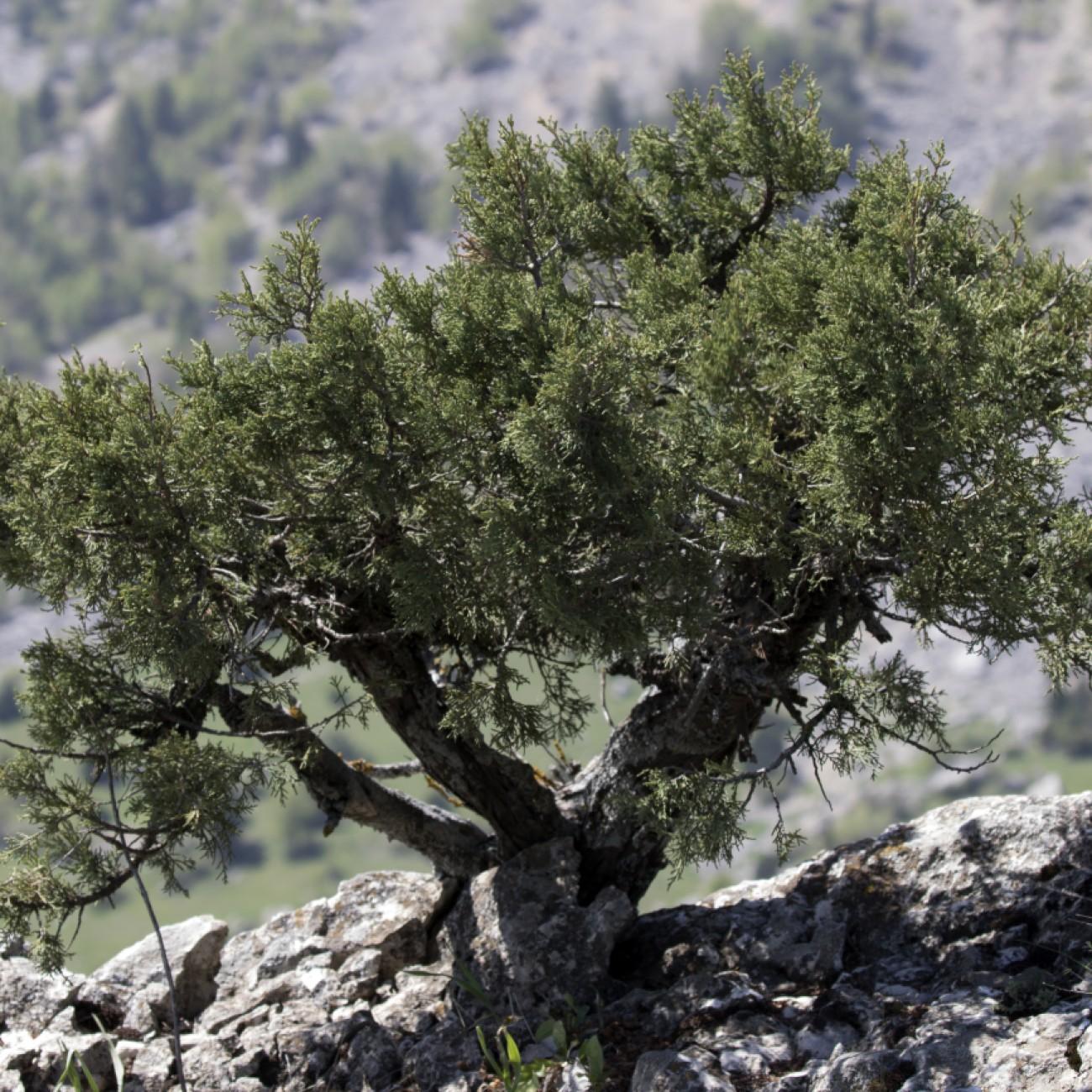
Blue Chip Juniper (tree form)
Juniperus horizontalis 'Blue Chip (tree form)'
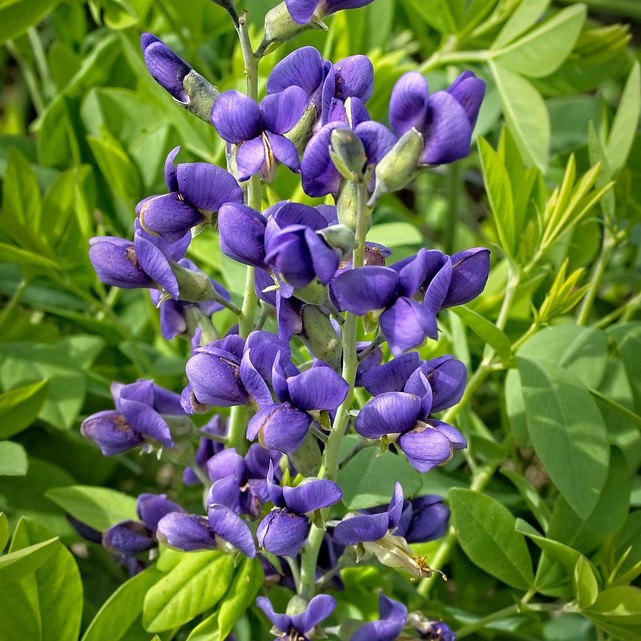
blue false indigo
Baptisia australis
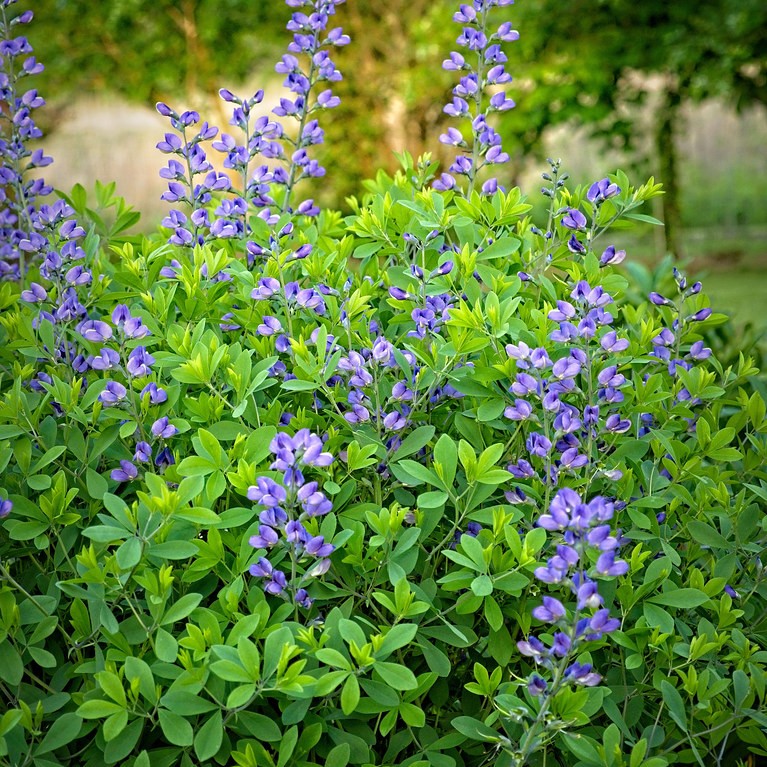
blue false indigo
Baptisia australis var. minor
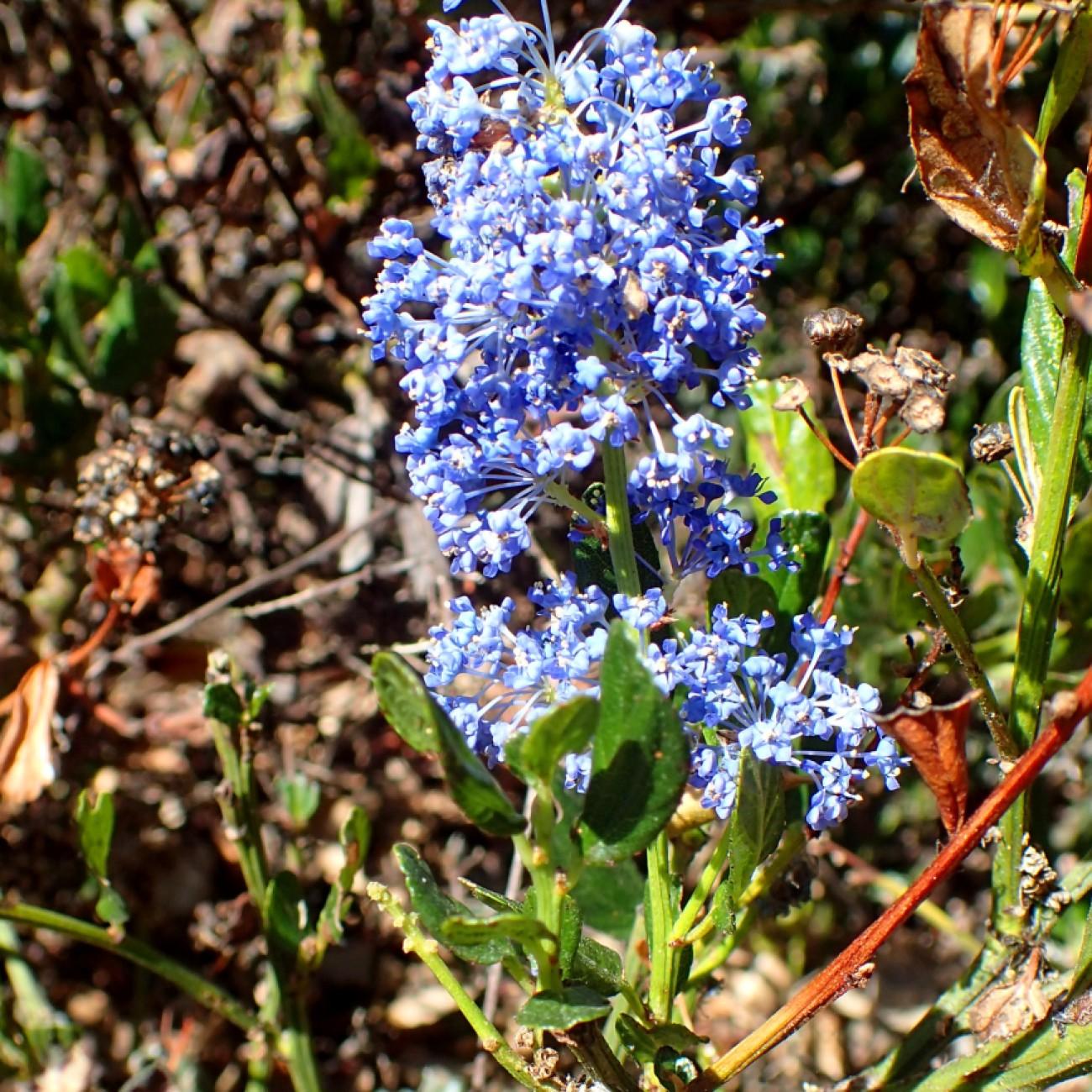
blue mountain lilac
Ceanothus thyrsiflorus 'Skylark'
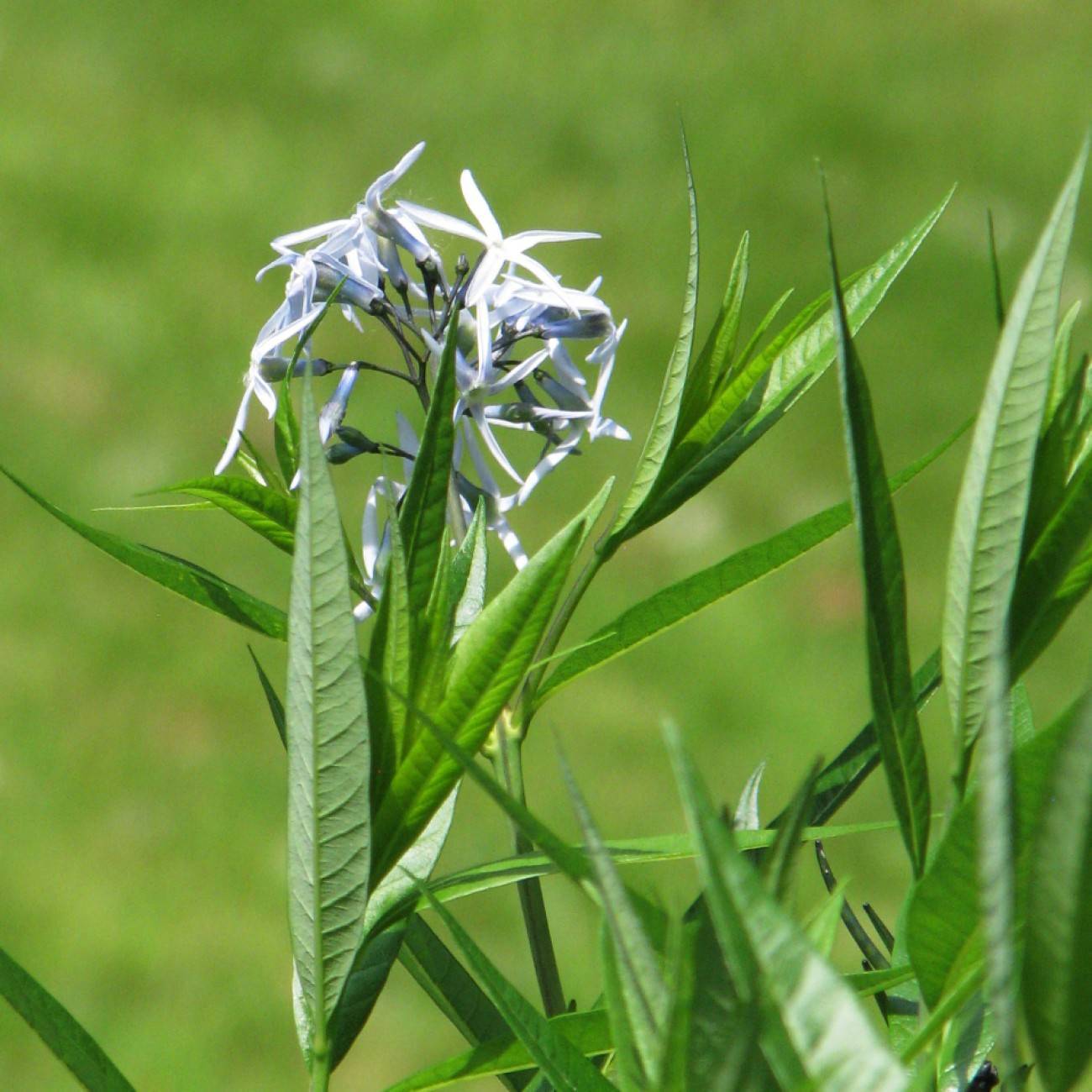
blue star
Amsonia ciliata var. filifolia 'Georgia Pancake'