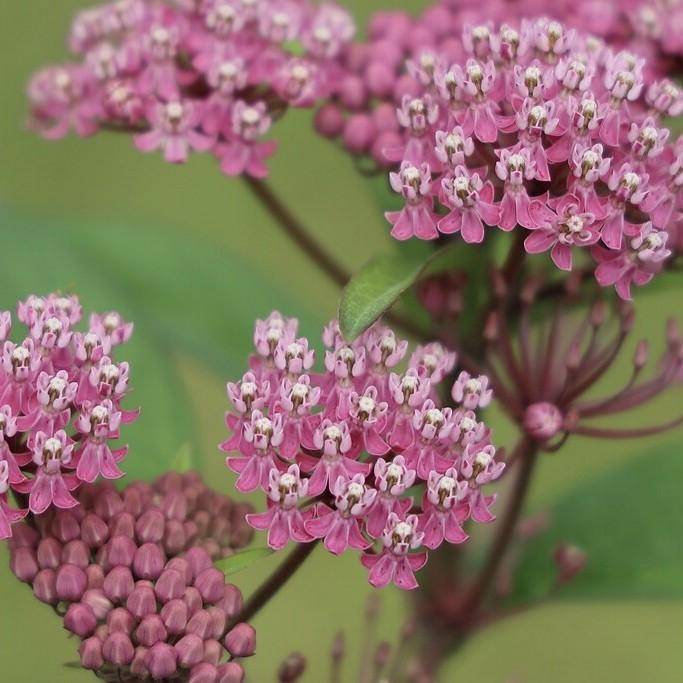
swamp milkweed
Asclepias incarnata 'Soulmate'
Overview
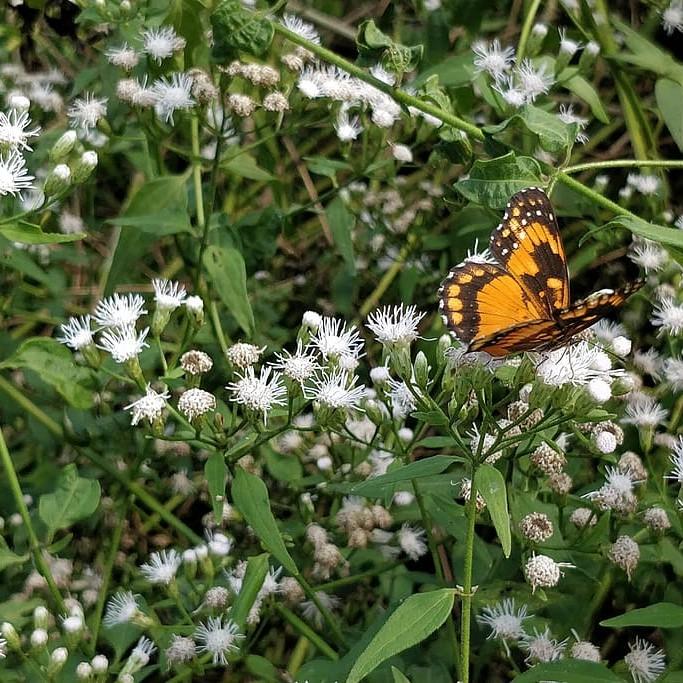
Swamp milkweed, A. incarnata 'Soulmate', is an amazing wetland plant. Its beautiful pink flowers will attract valuable pollinators like butterflies and bees. It's a long-blooming perennial with fragrant blossoms that open in mid-summer and last well into autumn. Its sturdy stems will remain upright even in wet conditions, making it an ideal addition to a water garden or rain garden. In addition, its large, tough leaves are the perfect food source for monarch butterfly caterpillars, making it an important part of any butterfly garden. Swamp milkweed is an amazing addition to any ecosystem and is sure to bring beauty and wildlife to any yard.
Care Guide
Watering
Watering swamp milkweed is fairly straight forward. During the spring and summer growing season, be sure to keep this perennial well-watered. In general it should receive 1-2 inches of water each week. Make sure to keep the soil consistently moist, but not waterlogged, to discourage root rot. Check the soil by inserting your finger several centimeters into the soil. If the soil feels moist, do not water. Water at the base of the plant, not the foliage to prevent fungal diseases. During dry spells, it may need to be watered more frequently (every other day or even daily). During the cooler months of the fall and winter, it is best not to water as frequently and to let the soil dry out slightly in between watering.
Light
Swamp milkweed (Asclepias incarnata 'Soulmate') will need at least 5 hours of direct sunlight per day for optimal growth. For best results, it should be planted where it will get full sunlight in the early morning hours, and partial or dappled sunlight in the afternoon. It is particularly sensitive to extreme temperatures, so during the summer months, be sure to provide some shade or dappled sunlight to help keep this plant cool.
Soil
Sandy Loamy Clay Humus
Temperature
Hardiness zone 3–6.
Pruning
Swamp milkweed (Asclepias incarnata 'Soulmate') should be pruned back after flowering, in the fall, when temperatures start to drop. The pruning should remove all the stems down to the base, and can be done at the end of October or beginning of November. Pruning will promote thicker growth, ensure new flowers each season, and keep the plants compact and manageable in the garden.
Propagation
Division, Cutting, Seed Propagation, Root Cutting, Layering Propagation
Uses & Symbolism
Attracts: Butterflies.
Related plants
Other plants you might like if you grow swamp milkweed.