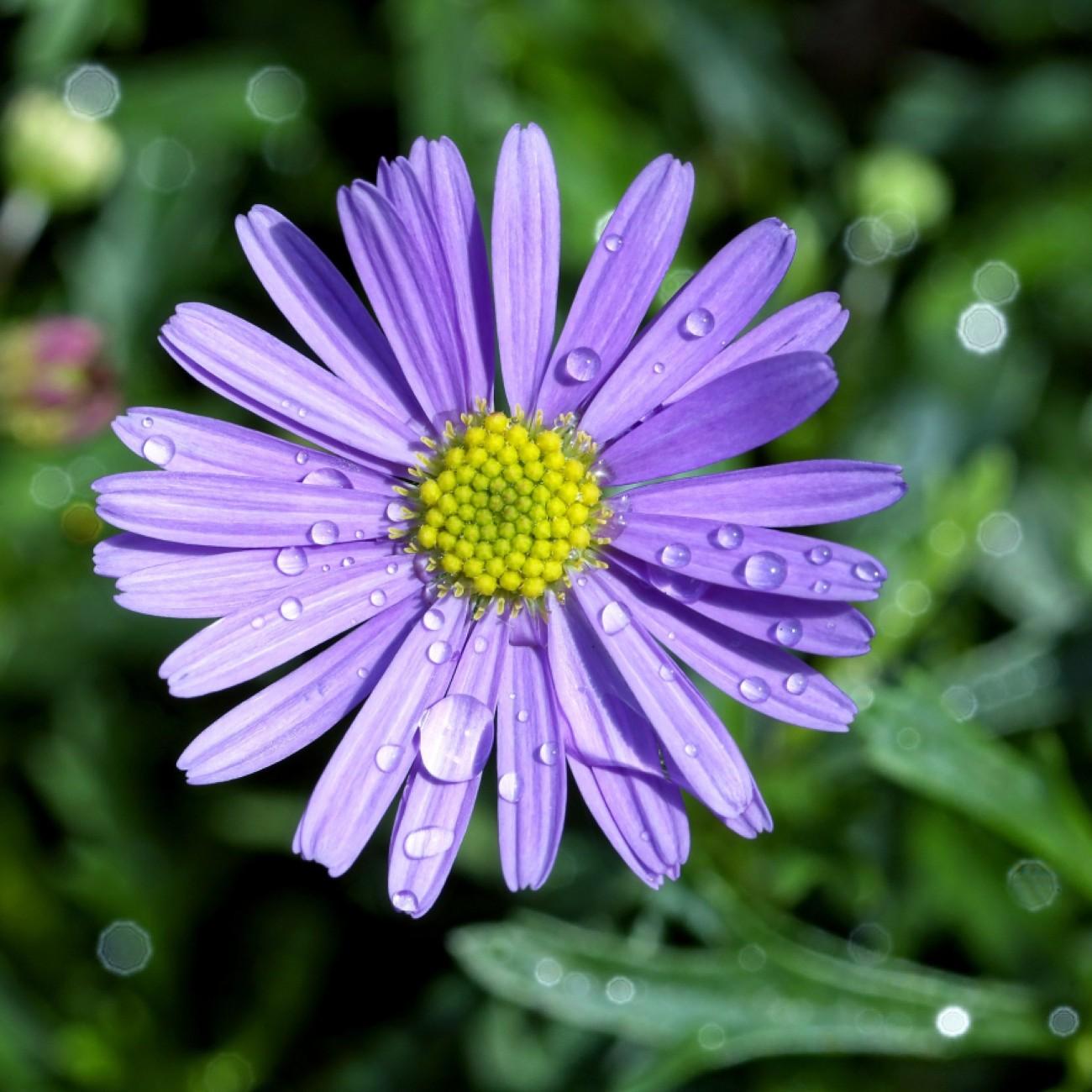
Swan River daisy
Brachyscome iberidifolia
Overview
The Swan River daisy (Brachyscome iberidifolia) is a show-stopper of a flower. Its bright white petals rimmed with vibrant purple sepals create a starburst effect that's simply stunning. While it's delicate in appearance, this tough perennial can tolerate both sun and shade, making it an excellent choice for a wide variety of growing conditions. Swan River daises are also low-maintenance and self-seeding, meaning they will spread their beauty year after year with minimal effort. All in all, this amazing flower is sure to turn heads and bring a variety of pollinators, making it a great addition to your garden.
Care Guide
Watering
When watering Swan River daisies (Brachyscome iberidifolia), it is recommended to do so only when the soil becomes slightly dry. For best results, water lightly and evenly, and avoid over-saturating the soil. Aim to provide no more than 1 inch of water per week or every 5-7 days. During prolonged dry spells, consider giving the plant an additional 1/4 cup of water to ensure that the plant receives adequate hydration. In most cases, it is better not to let the soil remain soggy, as this may lead to root rot or other health issues.
Light
The Swan River daisy (Brachyscome iberidifolia) is a plant species native to Australia that prefers to grow in full sun. It requires an average of 6-8 hours of direct sunlight per day, preferably in the morning and early afternoon when the sun is at its brightest. This species thrives in hot and dry conditions, and so too much shade or water can harm its growth and health. The ideal location for this species is an area that is exposed to plenty of natural sunlight throughout the day.
Soil
Well-drained
Temperature
Hardiness zone 2–11.
Pruning
The best time to prune Swan River daisies is late winter or early spring, when new growth is just beginning. This species of daisy produces a lovely mass of small flowers, and deadheading (removing spent flowers) throughout the flowering period can help keep the plants blooming until autumn. Lightly and sparingly pruning back stems after flowering will help to keep the plants in shape and control their spread. Prune back to a strong branch or bud and avoid taking more than a third of the plant each time.
Propagation
Seed Propagation
Diseases & Pests
Common pests: Slugs, snails.
Related plants
Other plants you might like if you grow Swan River daisy.
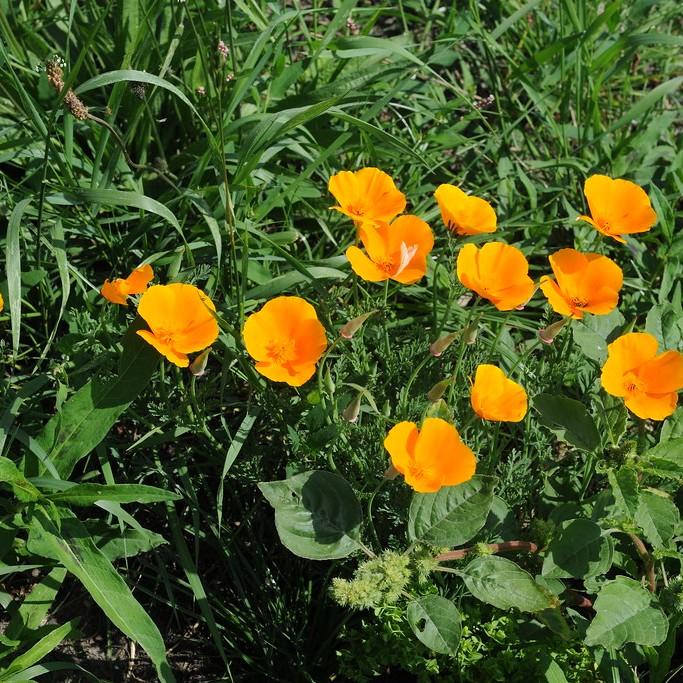
California poppy
Eschscholzia californica
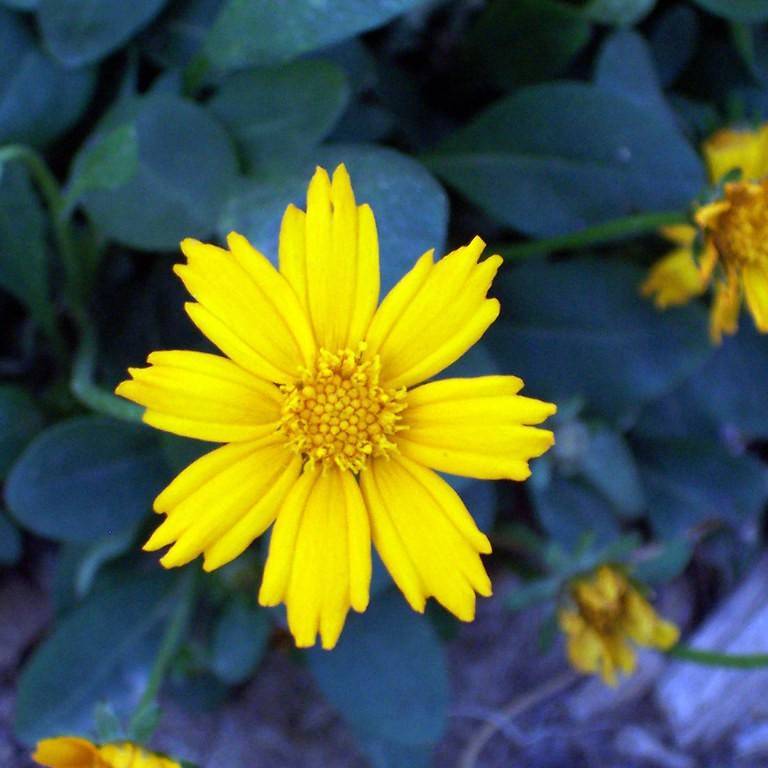
ear-leaved tickseed
Coreopsis auriculata 'Nana'
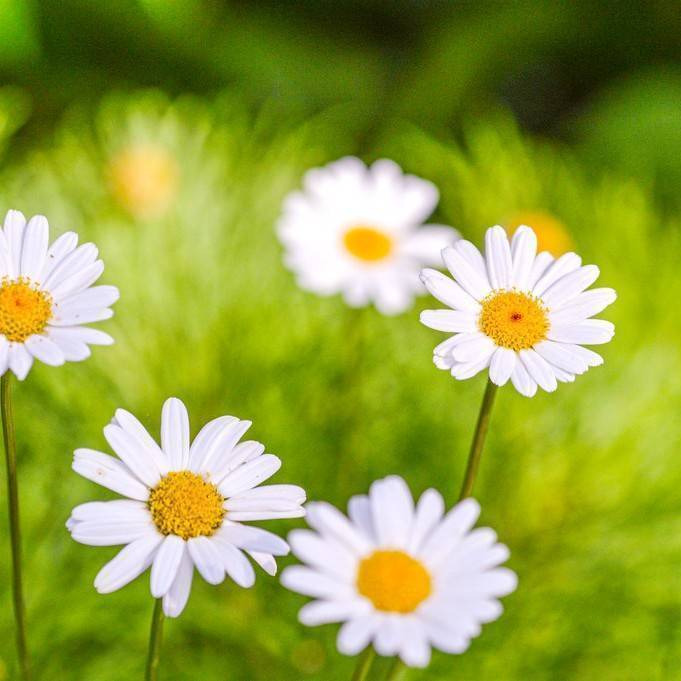
English daisy
Bellis perennis
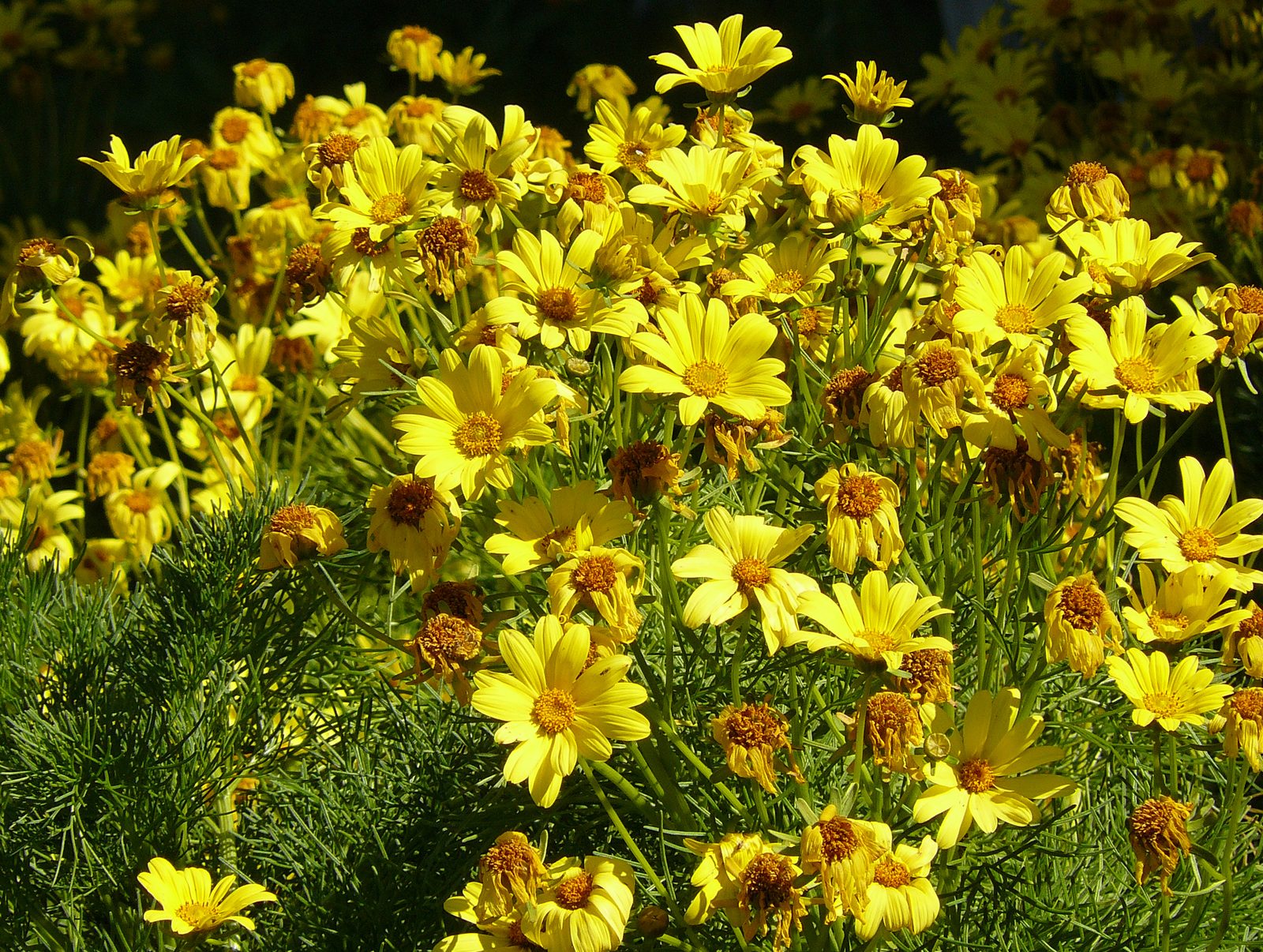
fringeleaf tickseed
Coreopsis integrifolia
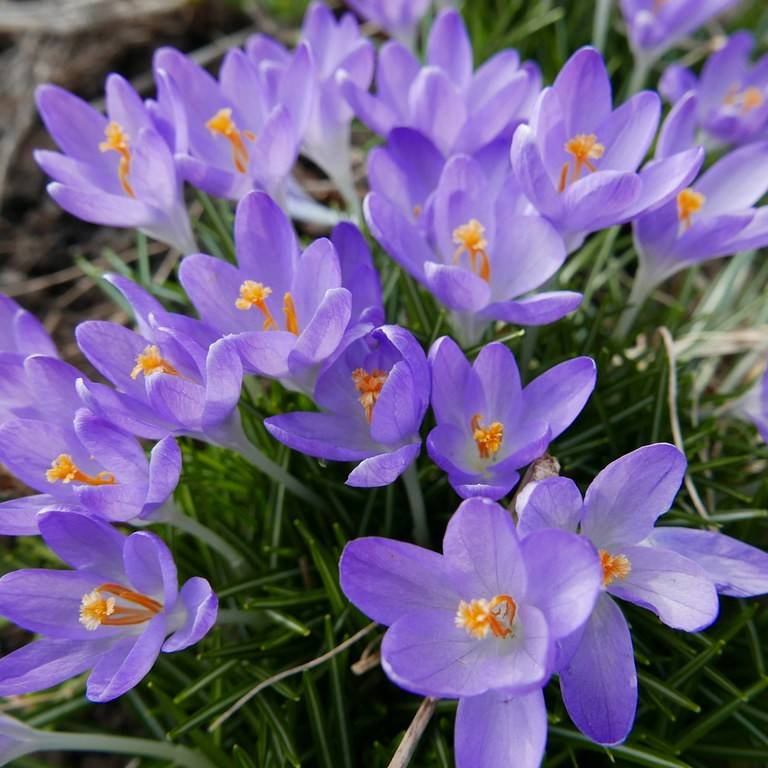
snow crocus
Crocus chrysanthus
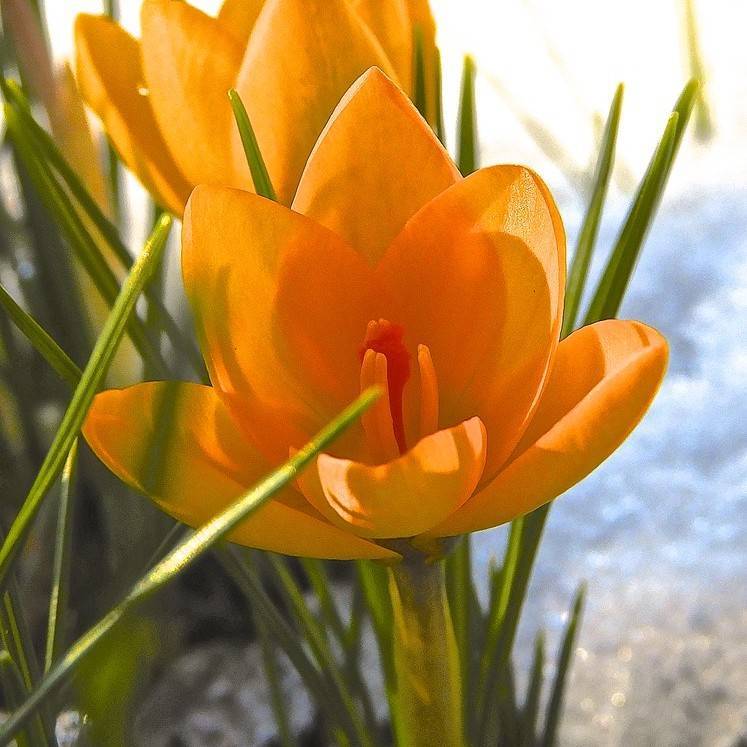
snow crocus
Crocus chrysanthus 'Goldilocks'
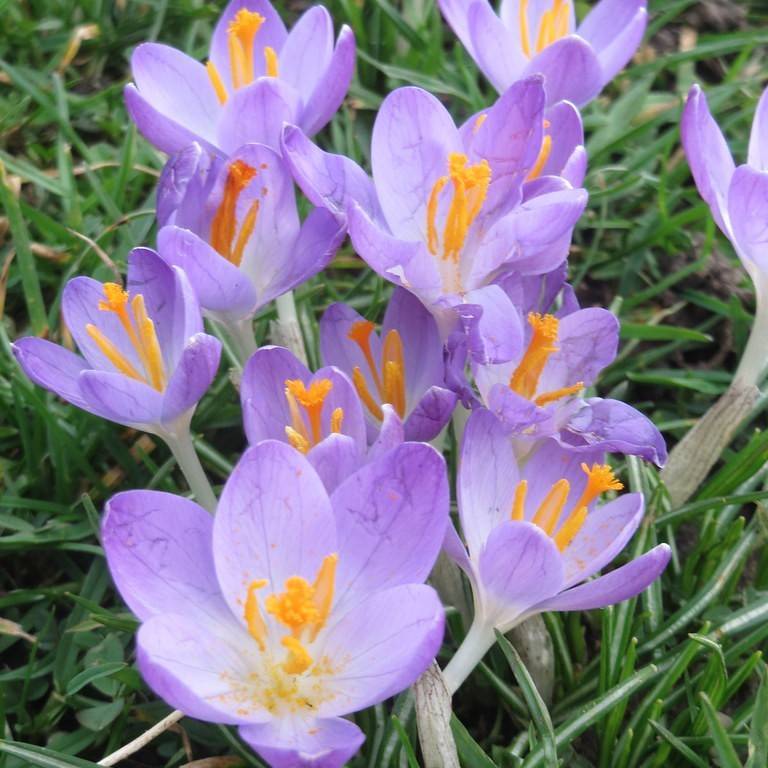
snow crocus
Crocus tommasinianus
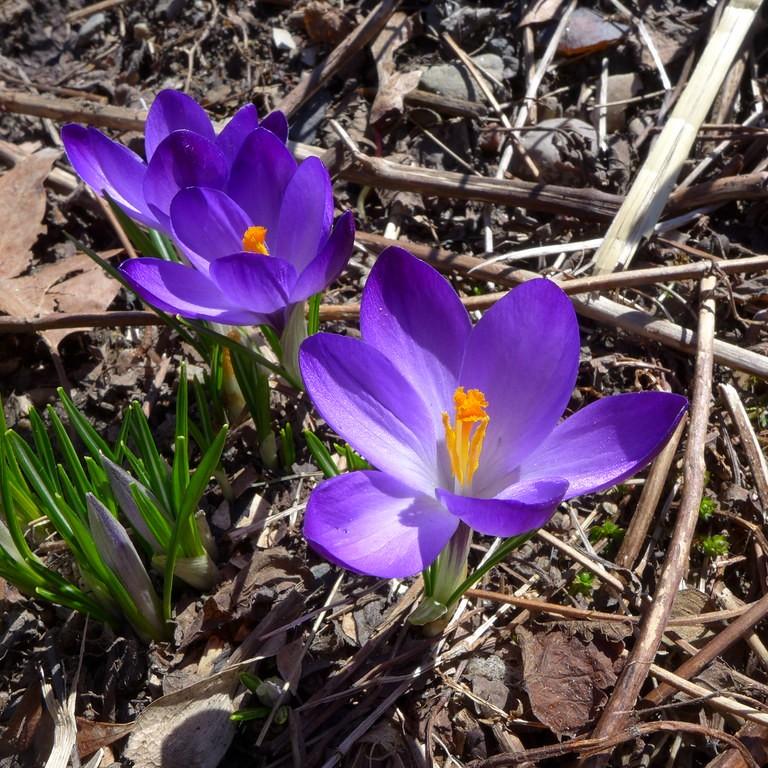
snow crocus
Crocus tommasinianus 'Ruby Giant'