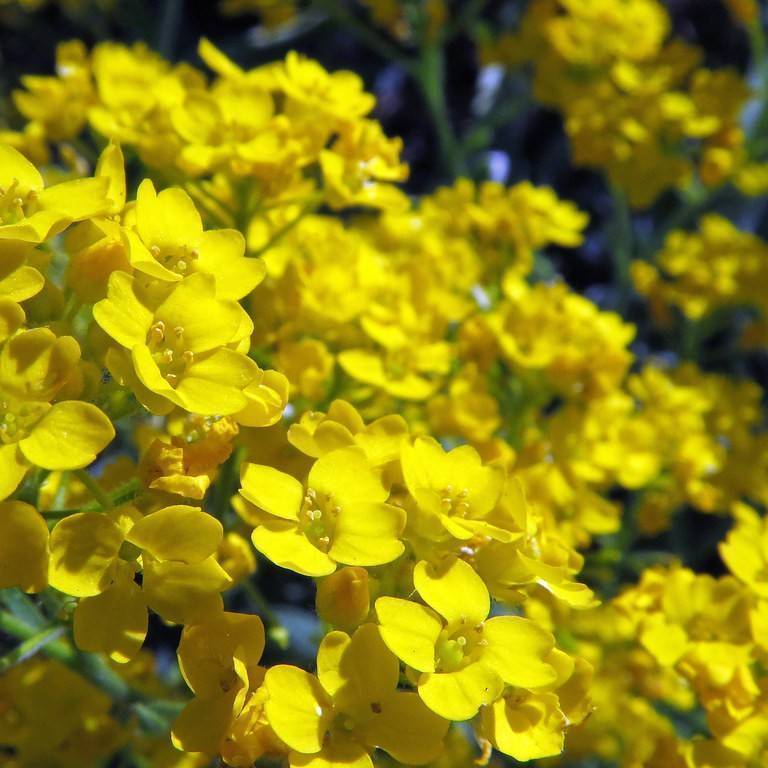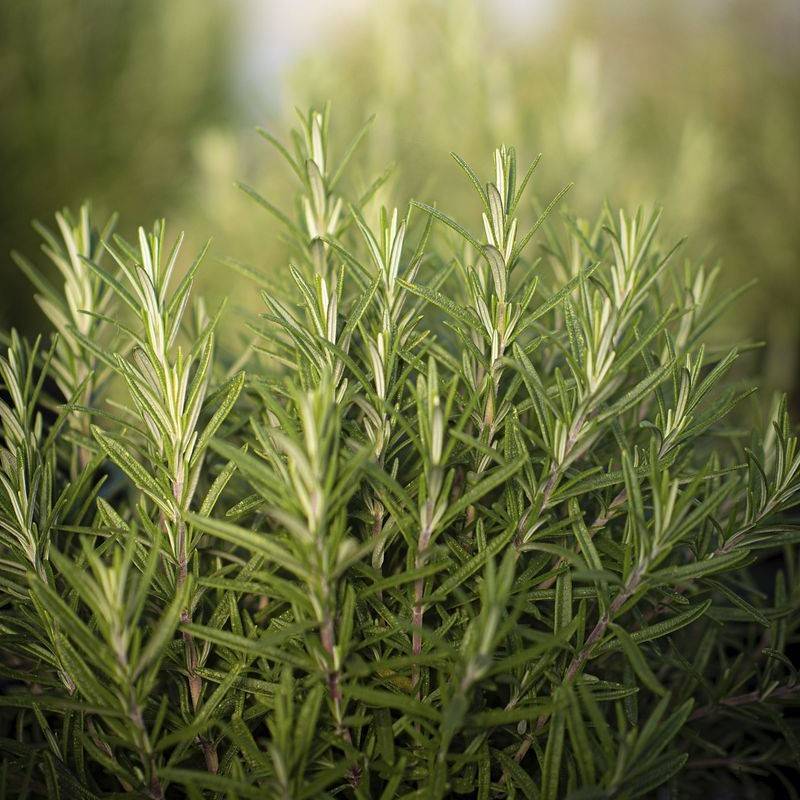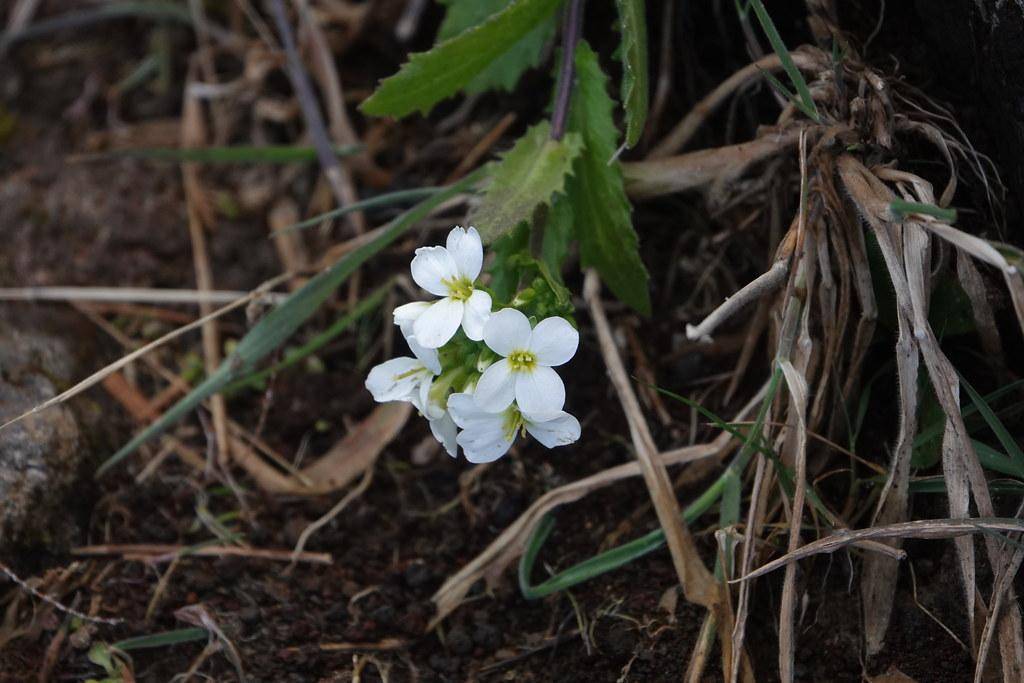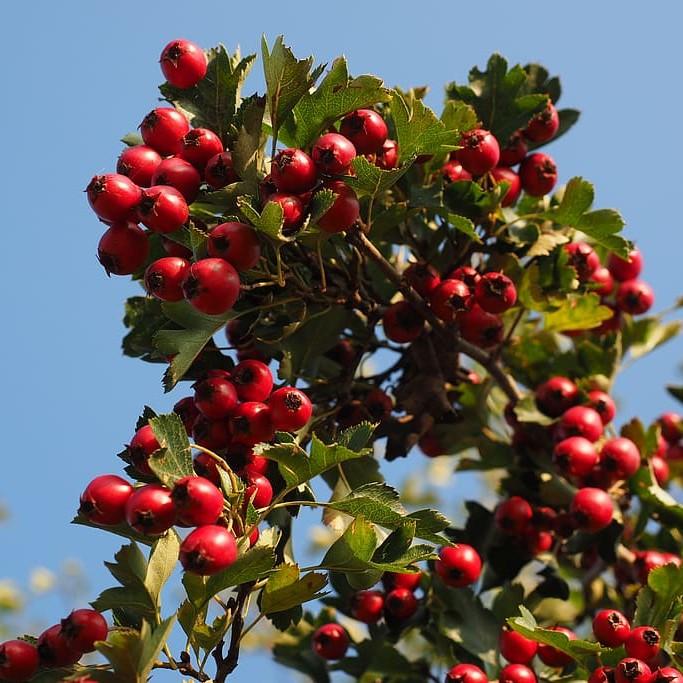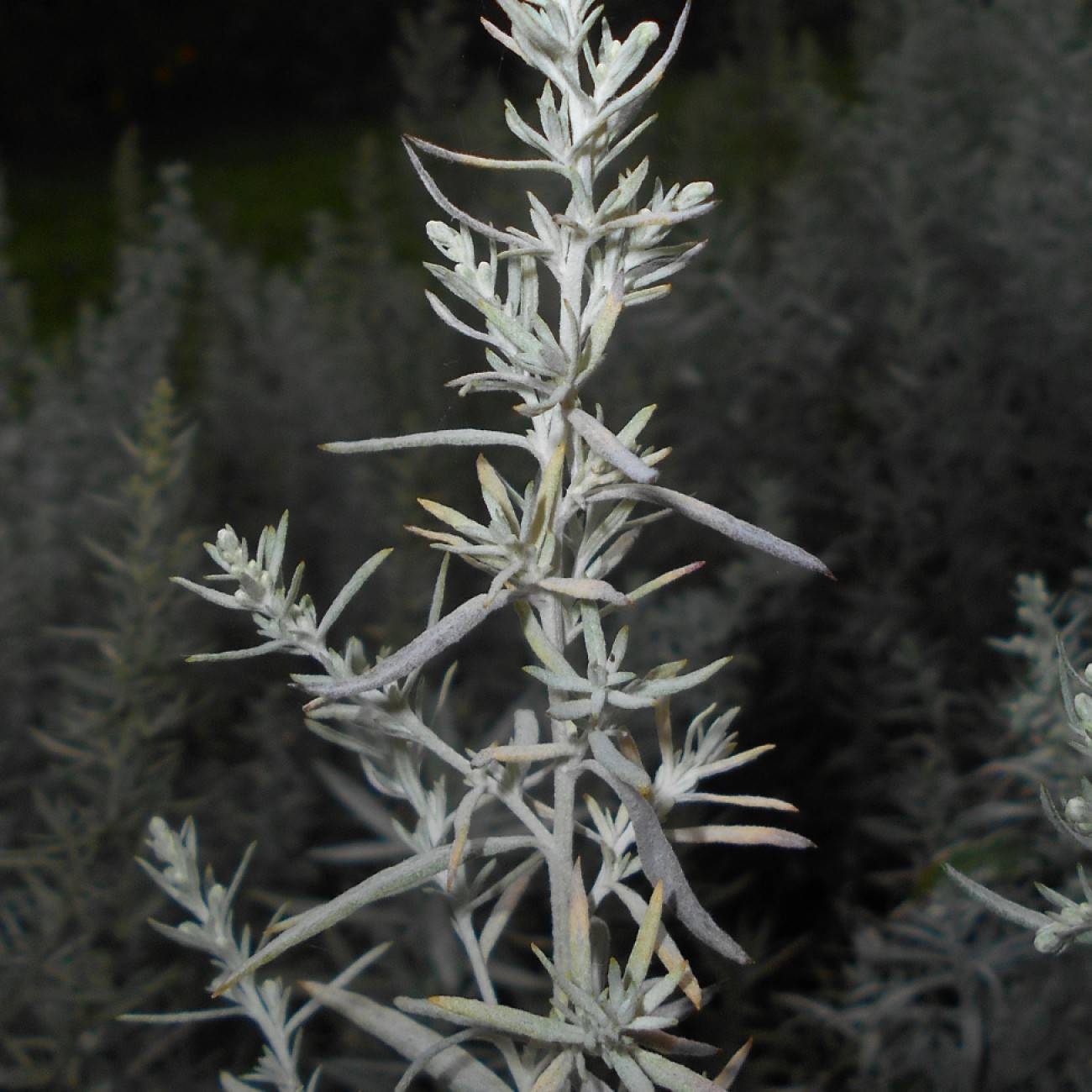
white sage
Artemisia ludoviciana 'Silver King'
Overview
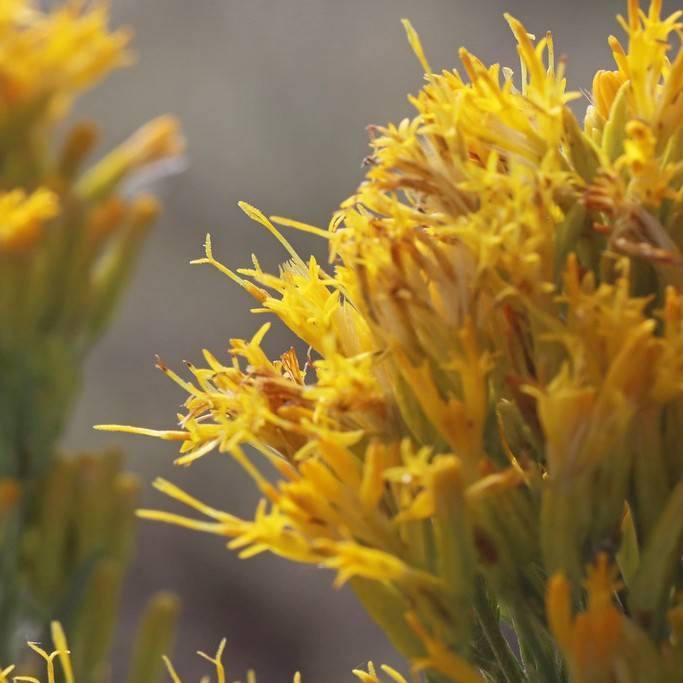
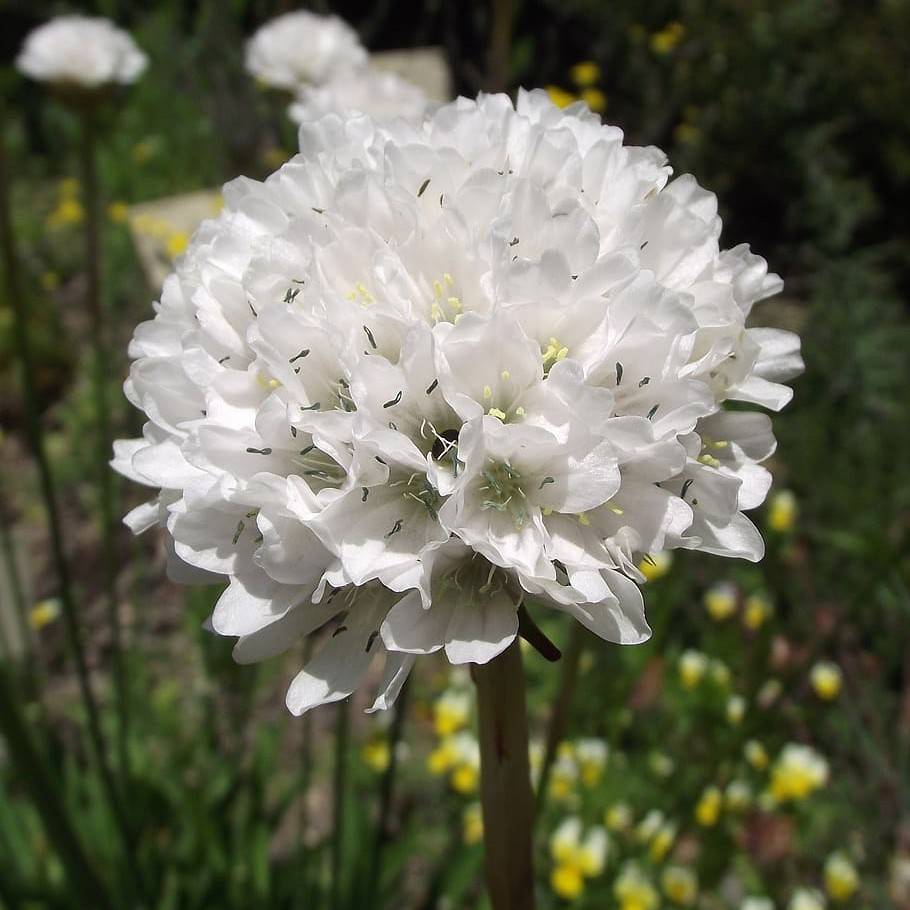
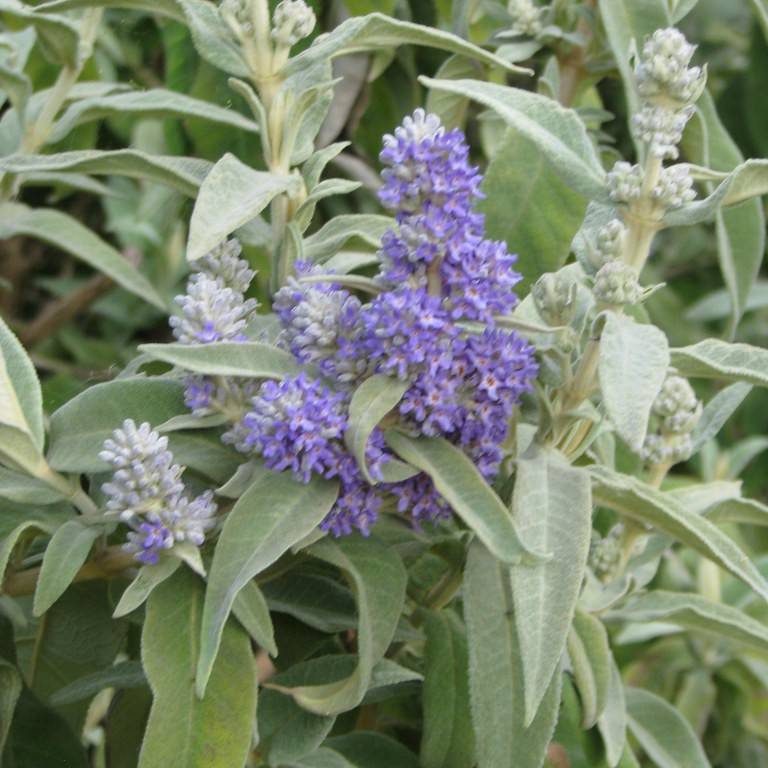
White Sage (Artemisia Ludoviciana 'Silver King') is an evergreen shrub native to western North America. It's bright silver foliage is surrounded by lavender-colored flowers, giving it its beautiful and unique characteristics. White Sage is an incredibly fragrant and hardy plant, making it a great addition to any garden or landscape. Its drought-resistance and low-maintenance nature makes it ideal for busy gardeners who don't want to spend a lot of time on upkeep. It has an earthy aroma that can help reduce stress and improve mood. Additionally, White Sage is often used in smudges and ceremonies to cleanse and purify the environment. This amazing plant’s roots go deep and bring abundant life to wherever it is planted.
Care Guide
Watering
White Sage (Artemisia Ludoviciana 'Silver King') should be watered deeply and thoroughly, allowing the soil to dry out almost completely between watering. It is best to water it every 10-14 days during its growing season (spring and summer). During winter, water should be reduced to every 1-2 months. It is not a fan of soggy or wet roots, so make sure the soil has proper drainage.
Light
White Sage (Artemisia ludoviciana 'Silver King') prefers full sun to partial shade, with 6 to 8 hours of direct sunlight each day. As it is a native North American prairie plant, it is best suited to hot, sunny areas where temperatures range from 40 to 90 degrees Fahrenheit. Watch for signs of overheating or water stress if temperatures rise above 90 degrees. In more northern climates with cooler summers, it can be grown in partial afternoon shade to ward off some of the heat.
Temperature
Hardiness zone 4–9.
Pruning
White Sage (Artemisia ludoviciana 'Silver King') should be pruned in late winter or early spring to encourage new, bushy growth. Pruning should be done in moderation, removing just the dead or damaged stems, as well as any stems that are not growing in the desired shape or direction. Some stems may need to be kept taller for an attractive appearance. Pruning should be done with clean, sharp pruners to help avoid infection or damage to the plant. Trim off the dead or damaged flower heads to avoid seed production and invasiveness.
Propagation
Cutting, Division, Layering Propagation, Seed Propagation, Root Cutting
Related plants
Other plants you might like if you grow white sage.