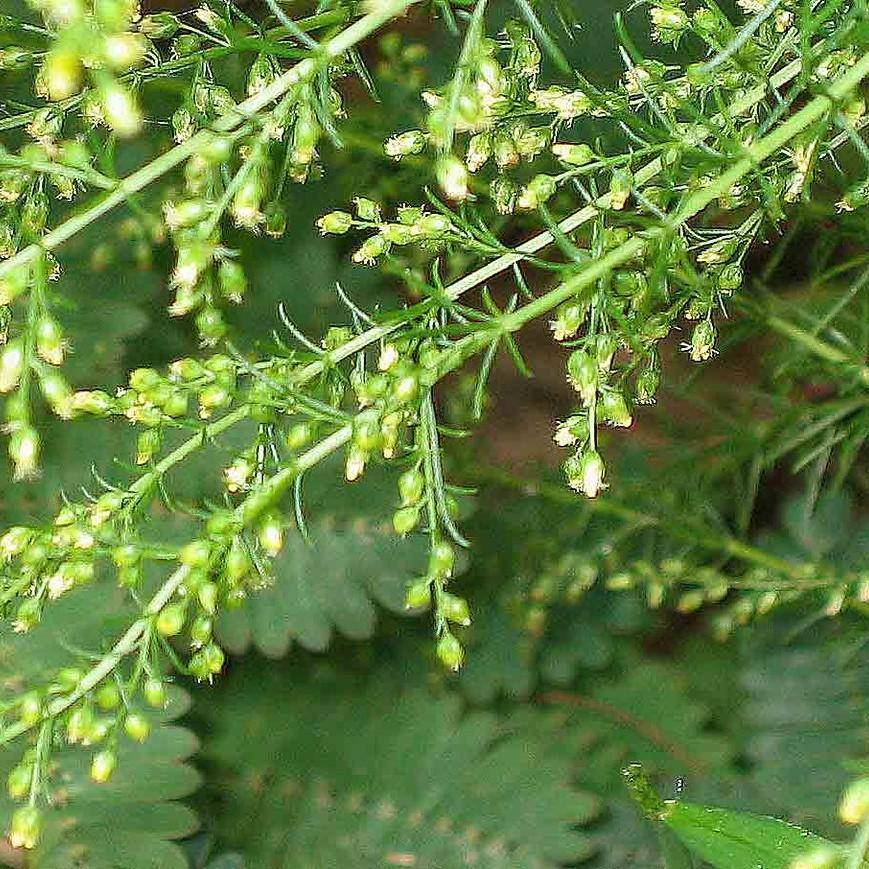
wormwood
Artemisia capillaris
Overview
Wormwood (Artemisia capillaris) is an amazing plant species with a history as rich as its medicinal properties. Its pungent aroma makes it attractive to pollinators like butterflies, bees, and other insects. Its unique shape, with its multiple branching stems, creates an interesting silhouette, and its light green foliage set against its white flowers is a beautiful sight. Not only that, it is known for its medicinal properties, including anti-inflammatory, antifungal, and antiviral effects. Furthermore, it is also used as a flavoring in alcoholic drinks, and essential oils from wormwood have a number of uses in aromatherapy. All in all, it is a versatile and attractive species that can be used to its fullest potential.
Care Guide
Watering
Water wormwood (Artemisia capillaris) occasionally throughout its growing season, once every few weeks or when the topsoil is dry to the touch. It is sensitive to overwatering, so err on the side of caution and only water when the soil is dry. Reduce the frequency of watering during winter months. Too much water can cause unhealthy root rot.
Light
Wormwood requires full sunlight to reach its full growth potential, with at least 6 to 8 hours per day of direct sunlight. As an herbaceous perennial, the optimal growing season for this plant runs from spring through to late-summer. Ideally, wormwood should be exposed to early morning sunlight from sunrise to late afternoon sunlight. This will aid in the growth of the plant and also help protect from midday heat, which could otherwise cause the plant to dry out rapidly and wilt.
Temperature
Hardiness zone 5–8.
Pruning
When pruning this species of plant, it is best to prune in early spring before new growth begins. If necessary, a light trimming can be done in late summer or early fall, but avoid deep pruning as this may harm the plant. When pruning, make sure to remove any dead or damaged branches first, then thin out the foliage to create more airflow and light. This will help to keep the plant healthy and prevent overcrowding and disease. Prune the plant back no more than a quarter of its volume, as too much pruning can damage the plant.
Propagation
Division, Cutting, Layering Propagation, Seed Propagation, Grafting Propagation
Related plants
Other plants you might like if you grow wormwood.
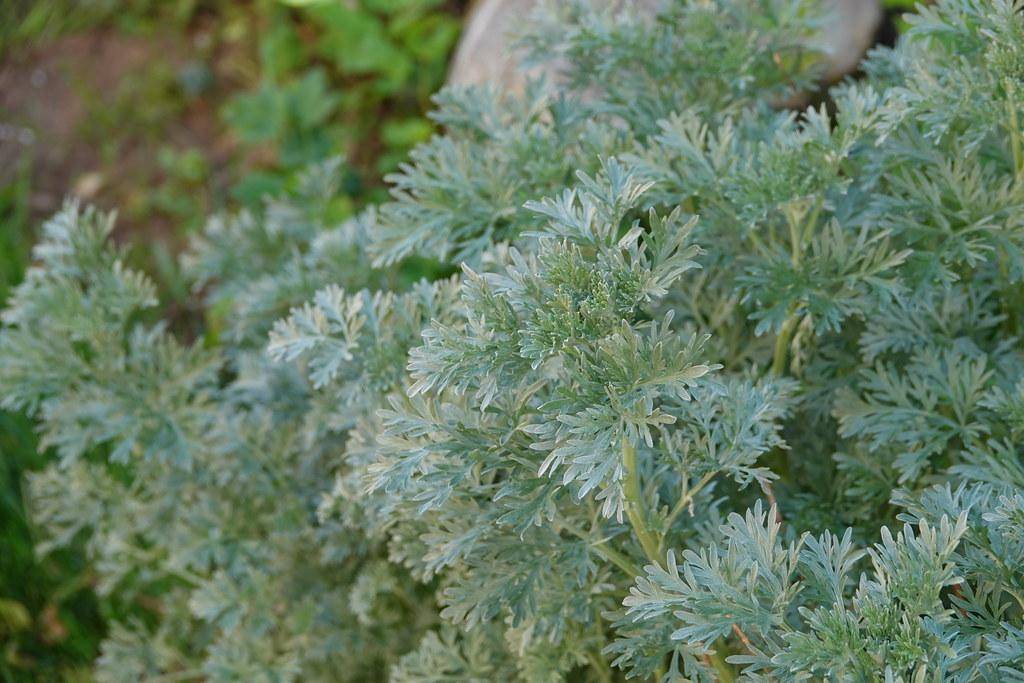
wormwood
Artemisia absinthium
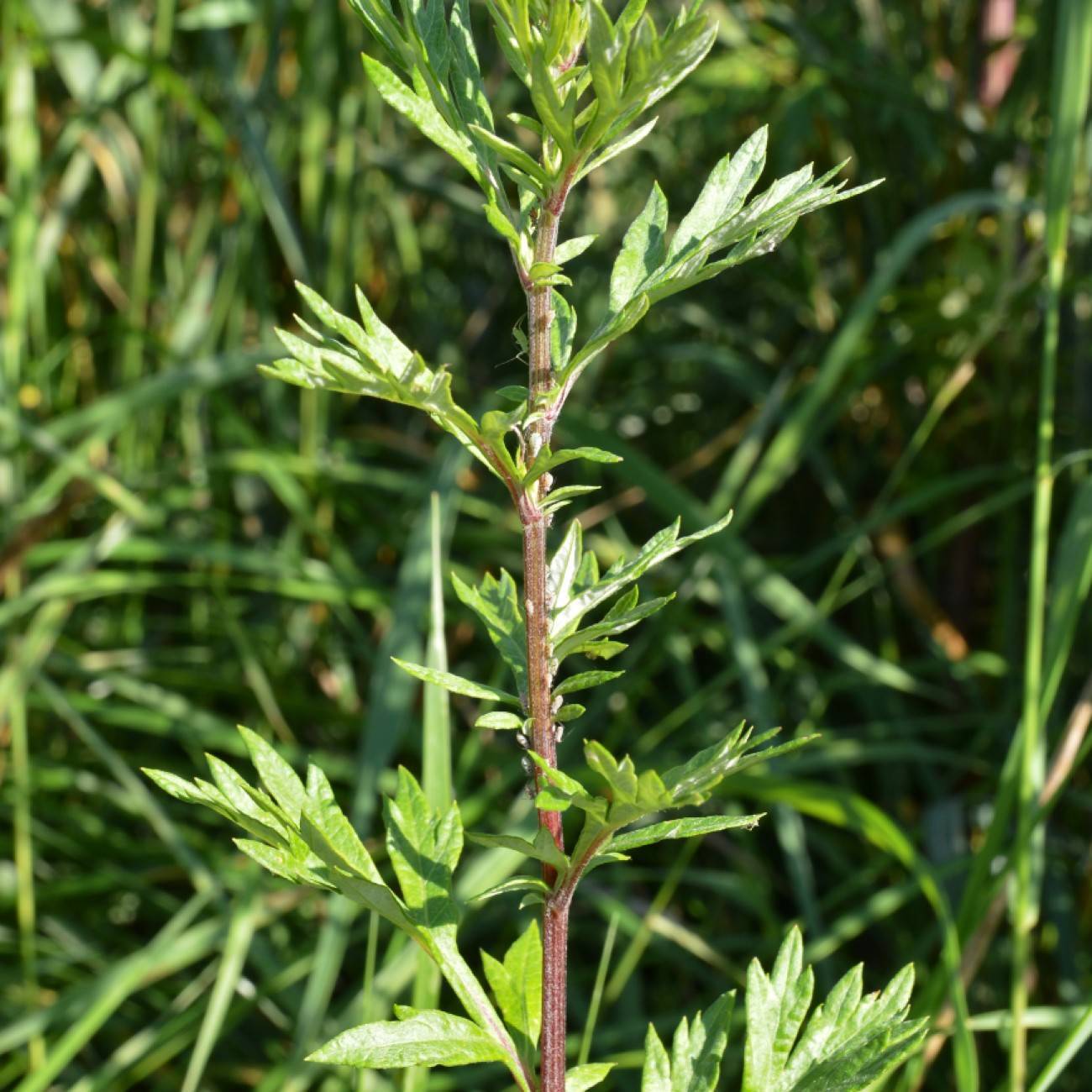
wormwood
Artemisia vulgaris 'Cragg-Barber Eye'
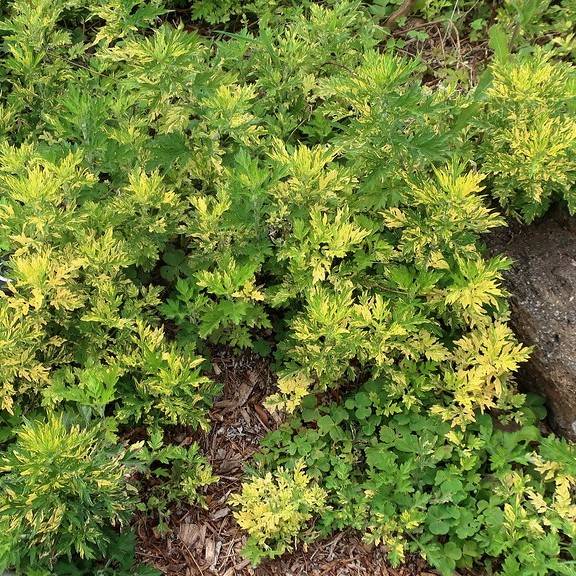
wormwood
Artemisia vulgaris 'Janlim' ORIENTAL LIMELIGHT
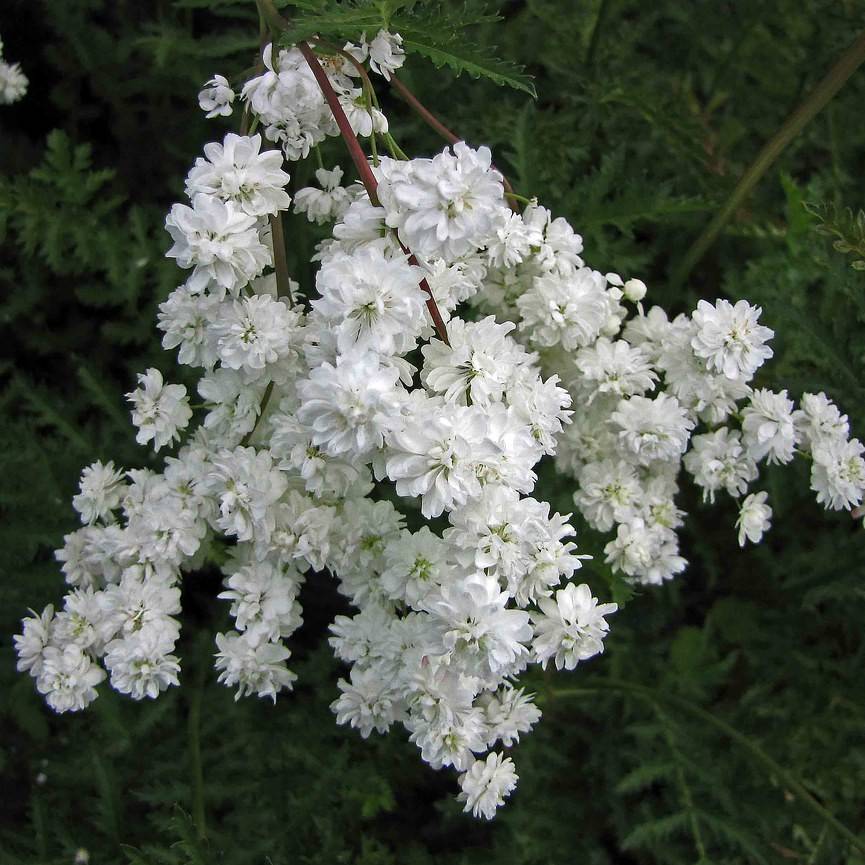
dropwort
Filipendula vulgaris
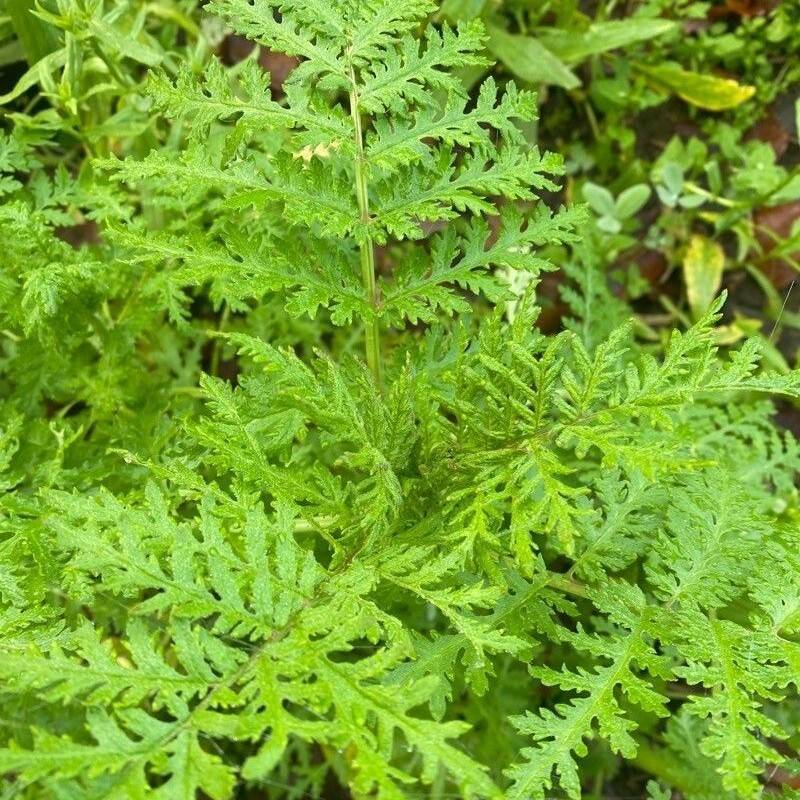
wormwood
Artemisia 'Tiny Green'
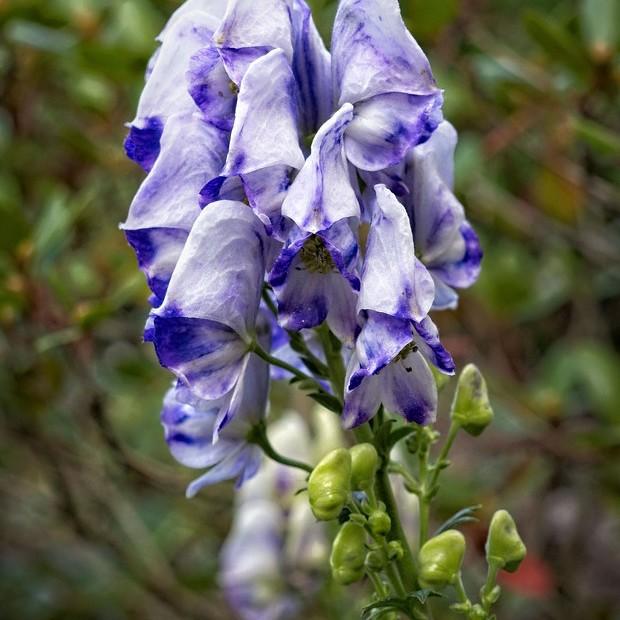
azure monkshood
Aconitum carmichaelii 'Arendsii'
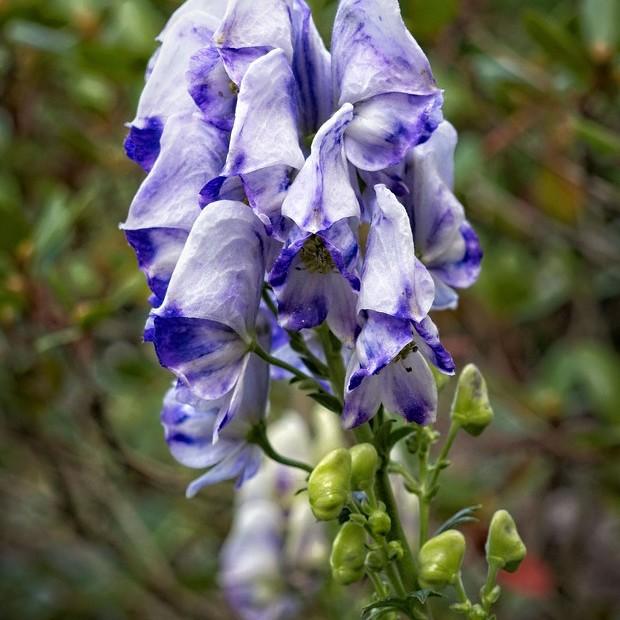
azure monkshood
Aconitum carmichaelii var. angustius
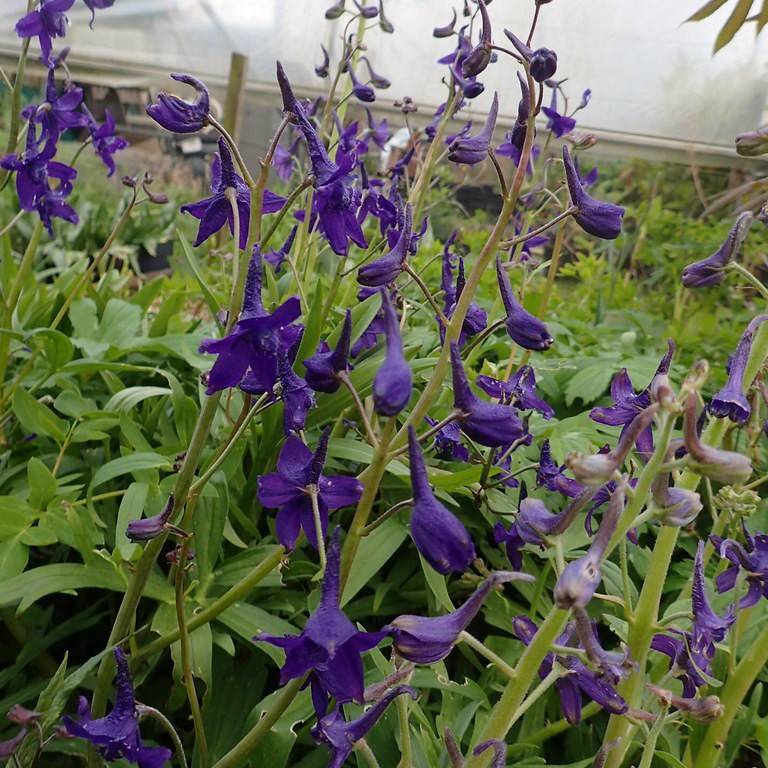
dwarf larkspur
Delphinium tricorne