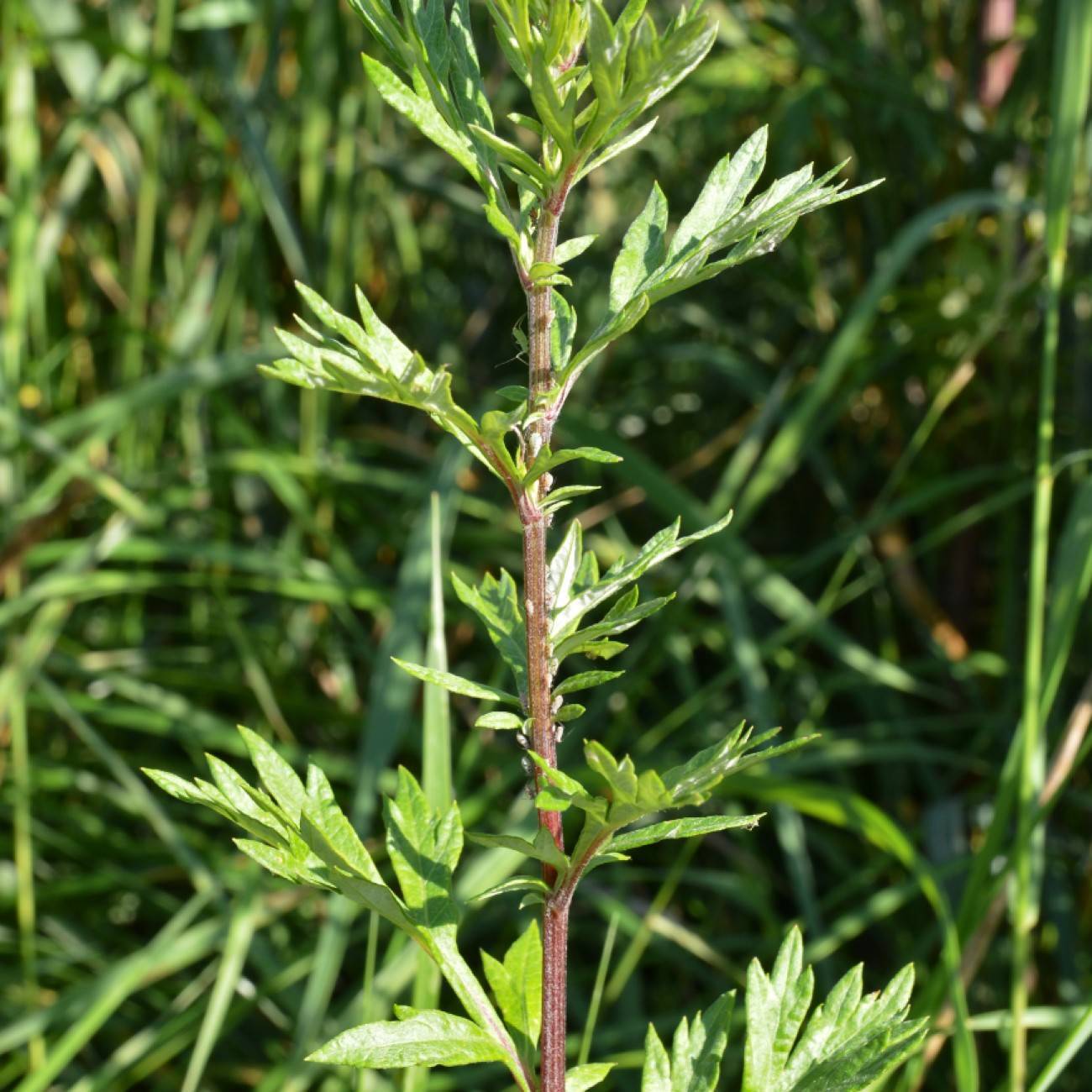
wormwood
Artemisia vulgaris 'Cragg-Barber Eye'
Overview
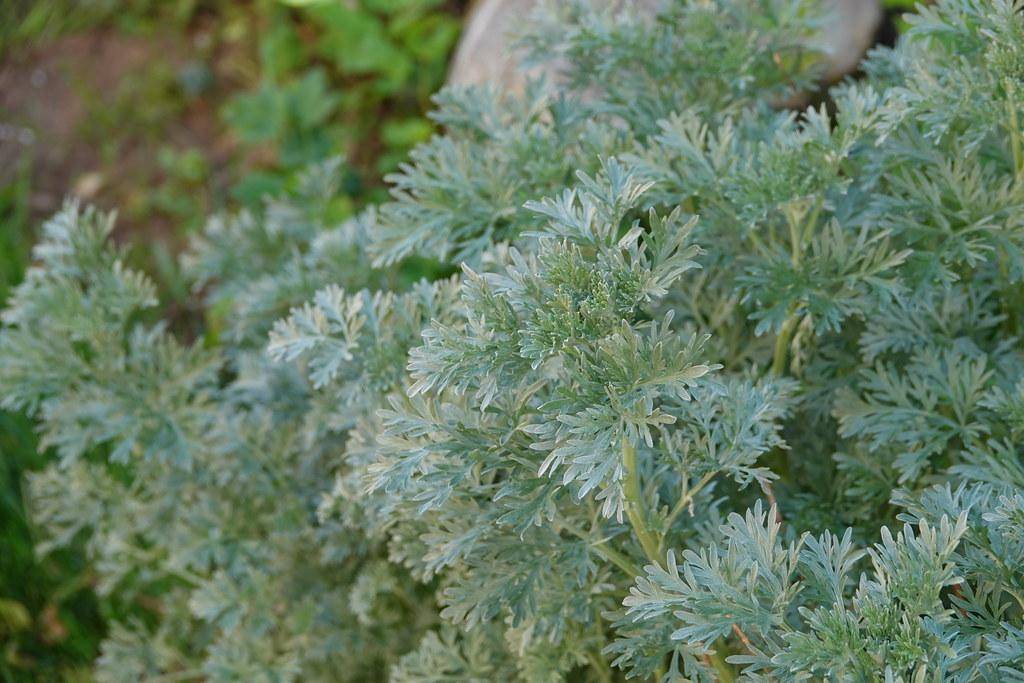
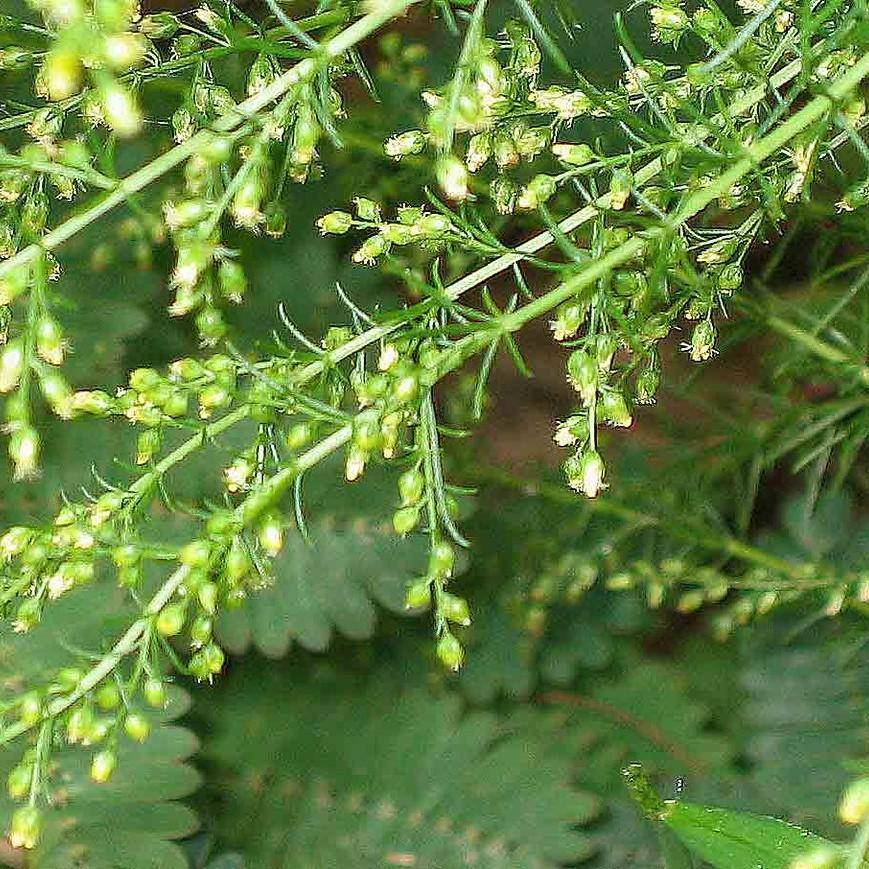
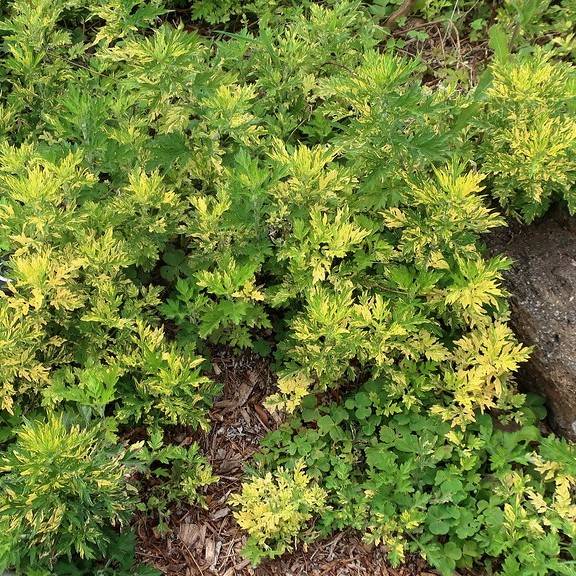
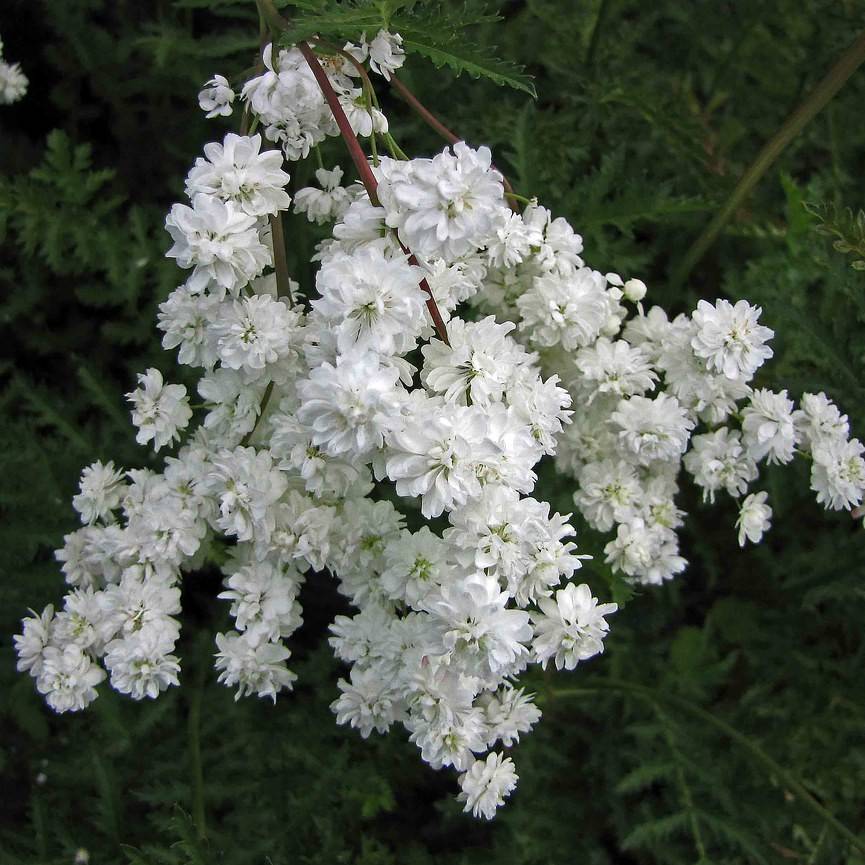
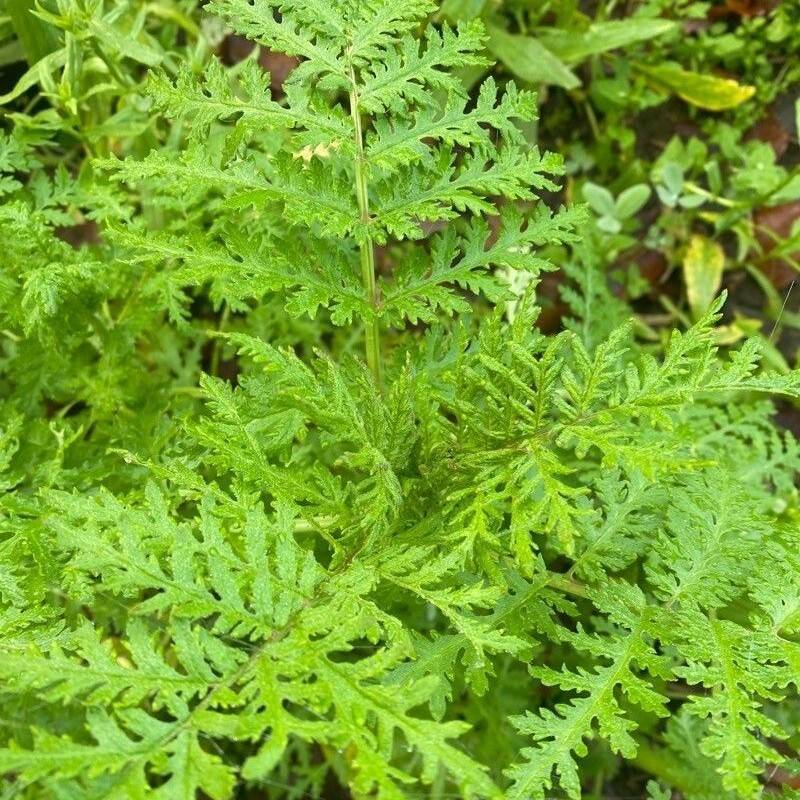
Wormwood (Artemisia vulgaris 'Cragg-Barber Eye') is an amazing plant species for its versatility and unique features. A relative of the daisy and ragweed family, this hardy perennial has large dark green leaves that turn a reddish-brown in the fall. The 'Cragg-Barber Eye' variety produces beautiful yellow bushy flowers that attract pollinators like butterflies, bees and birds. Wormwood can also be used in cooking and makes a great medicinal tea. It's also known for its antiseptic, antifungal and diuretic properties. Wormwood is a great plant to have in any garden, whether you want to enjoy its good looks or reap its many benefits.
Care Guide
Watering
Water wormwood plants moderately throughout their growing season (usually April to September). Soak plants completely once a week, allowing the soil to dry for a few days in between waterings to prevent overwatering. During winter months, reduce the frequency of watering to about every couple of weeks or when soil becomes dry to the touch.
Light
Wormwood (Artemisia vulgaris 'Cragg-Barber Eye') requires full sun to partial shade. This plant prefers at least 6 hours of direct sunlight per day, preferably in the morning or early afternoon as it can help promote better blooming and healthy foliage growth. It can be kept in shady spots, but it may not develop as many flowers and may have stretched, leggy stems. If planted in a location that does not have direct sunlight for 6 hours a day, supplement with artificial lighting.
Temperature
Hardiness zone 3–8.
Pruning
Wormwood should be pruned in the early spring before new growth begins. Use hand pruners to remove dead and diseased branches and any that are crossing each other or rubbing against other branches. Prune back the longest stems to the desired size, taking care to maintain a tapered, well-balanced shape. Prune away any suckers or ungainly growth from the base of the plant that may crowd the center. Thin out the interior of the plants and limit the amount of foliage to 1-third of the overall number of leaves. Fertilize lightly after pruning and water regularly.
Propagation
Cutting, Division, Layering Propagation, Seed Propagation, Stem Propagation
Uses & Symbolism
Attracts: Butterflies.
Related plants
Other plants you might like if you grow wormwood.