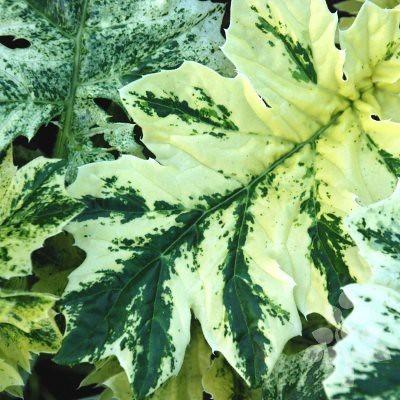
bear's breeches
Acanthus mollis 'Tasmanian Angel'
Overview
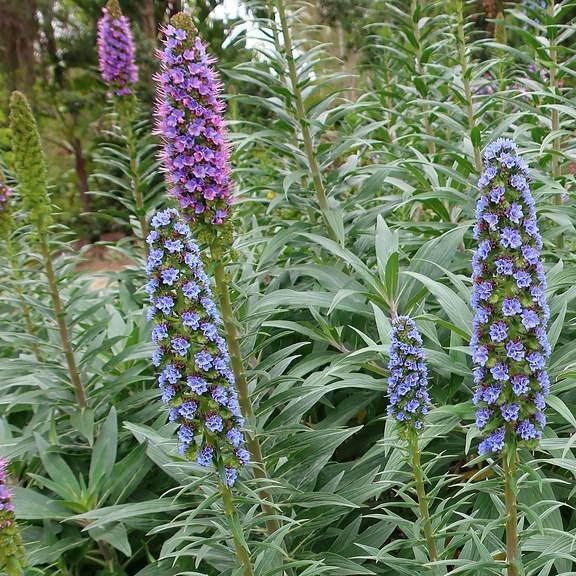
Bear's Breeches (Acanthus mollis 'Tasmanian Angel') is an amazing plant species recognized for its unique foliage and tall flower stalks. The large, silver-green, and lobed leaves are quite attractive and make a wonderful addition to any garden. During the summer months, it produces spikes of unusual white or light purple blooms that stand upright like a bear's bare legs, and provide a beautiful show. Hardy and low maintenance, these plants thrive in full sun or partial shade and grow up to 5 feet tall. The interesting foliage will make an attractive statement in a garden and add a bit of charm to any setting.
Care Guide
Watering
Bear's breeches should be watered deeply and infrequently. Water once every 2 weeks, ensuring that the soil is saturated. Water at the base of the plant and avoid getting the foliage wet. During the summer months, water more often if the soil becomes dry. Reduce watering in the fall and winter, and only water if the soil feels dry. Never allow the soil to remain soggy.
Light
Bear's breeches (Acanthus mollis 'Tasmanian Angel') will do best when grown in a location that receives full, direct sun in the morning. Ideal sun exposure for this plant species is 6-8 hours per day. Bear's breeches will tolerate some afternoon shade, but not extended hours of shade. Too much shade will result in an overcrowded, floppy, and unruly plant.
Temperature
Hardiness zone 7–10.
Pruning
Bear's breeches (Acanthus mollis 'Tasmanian Angel') should be pruned once per season, preferably in late spring, after flowering has ceased. Removing the previous season's flowers and any diseased, dead, or damaged branches will promote healthy new growth and flowering. Pruning should remove no more than 1-third of the plant and should be done sparingly. After pruning, any remaining leaves can be trimmed to shape or size as needed.
Propagation
Division, Cutting, Seed Propagation, Layering Propagation
Related plants
Other plants you might like if you grow bear's breeches.