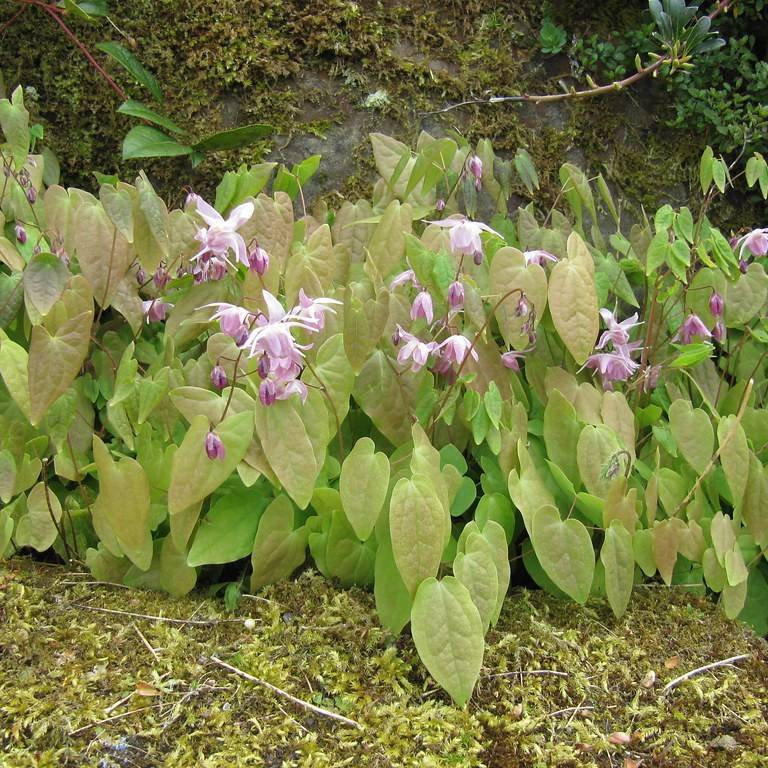
bishop's hat
Epimedium youngianum
Overview
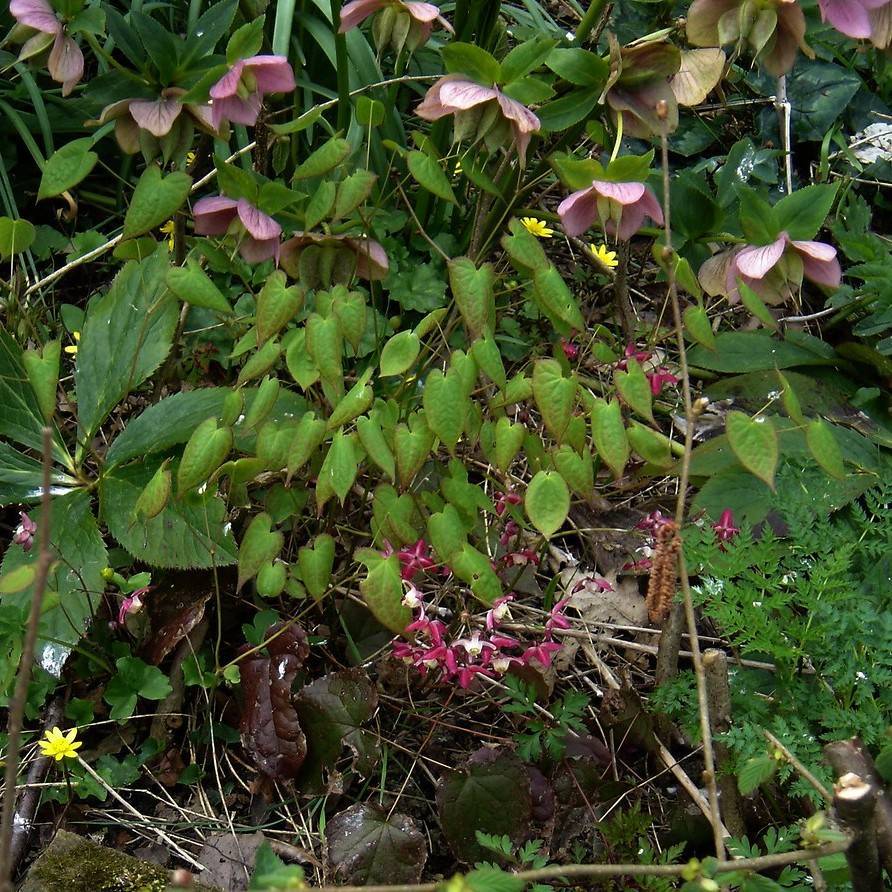
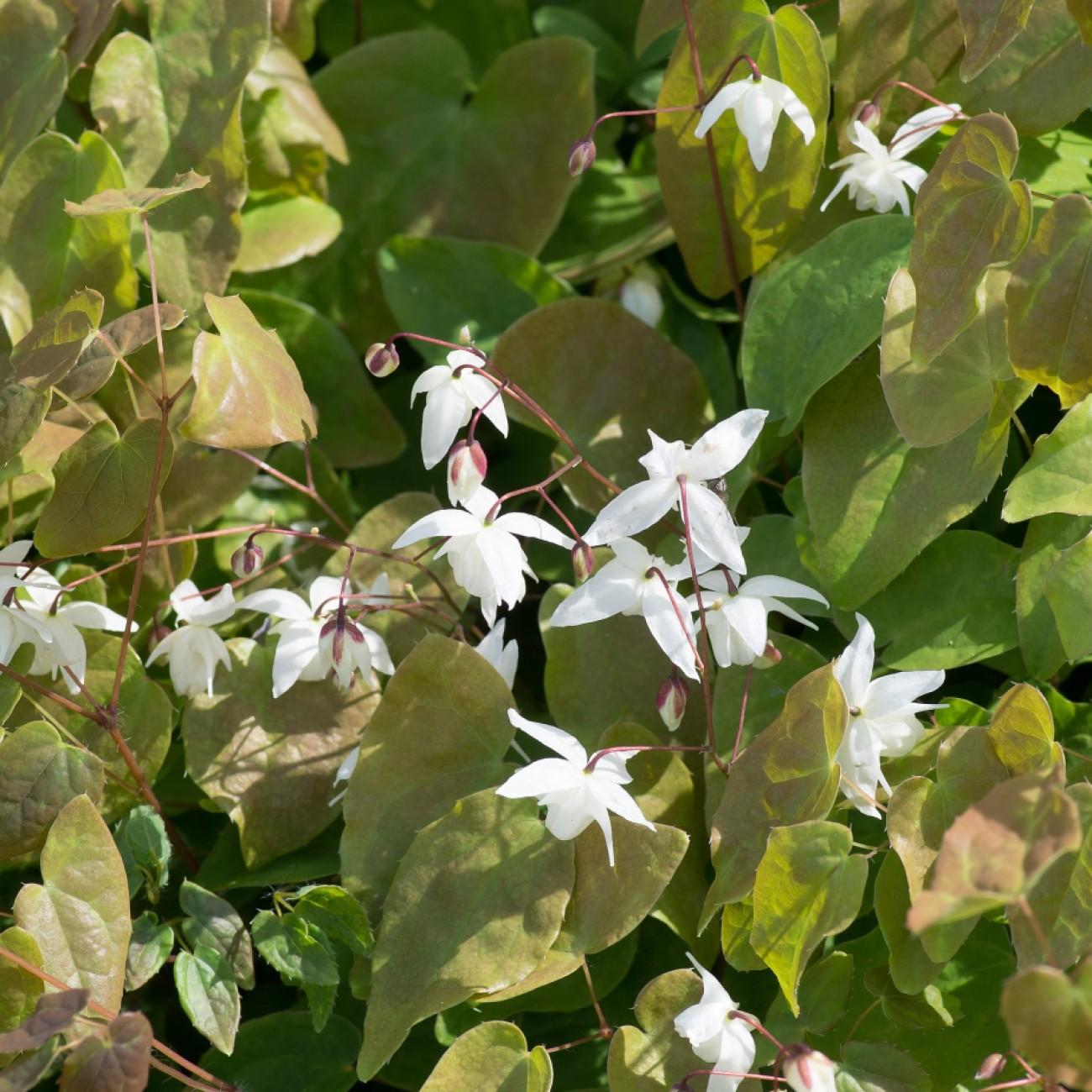
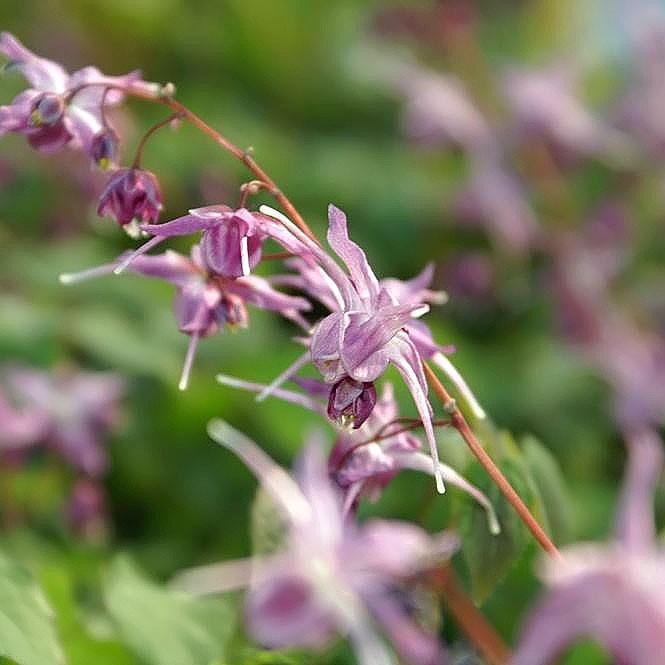
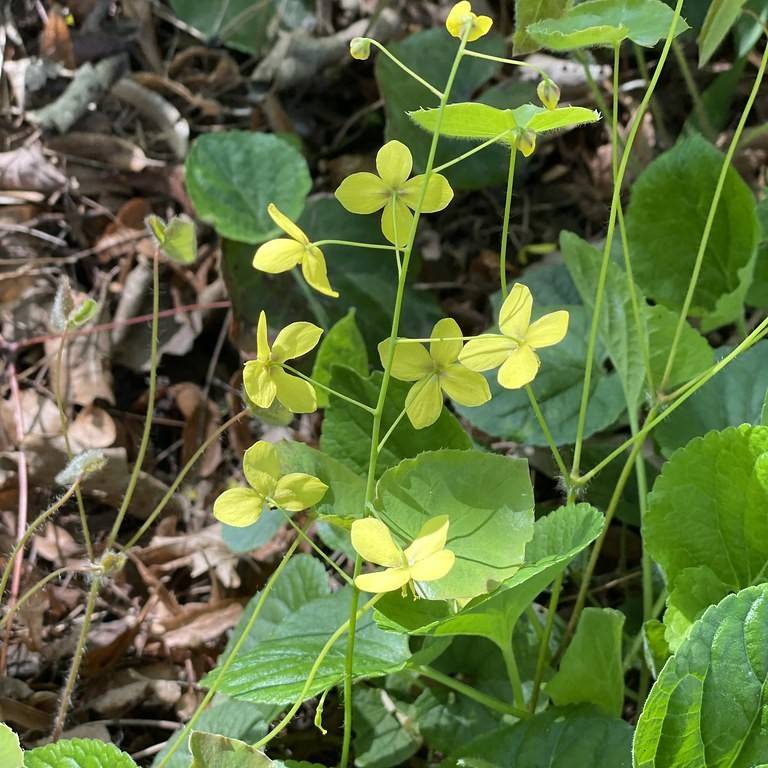
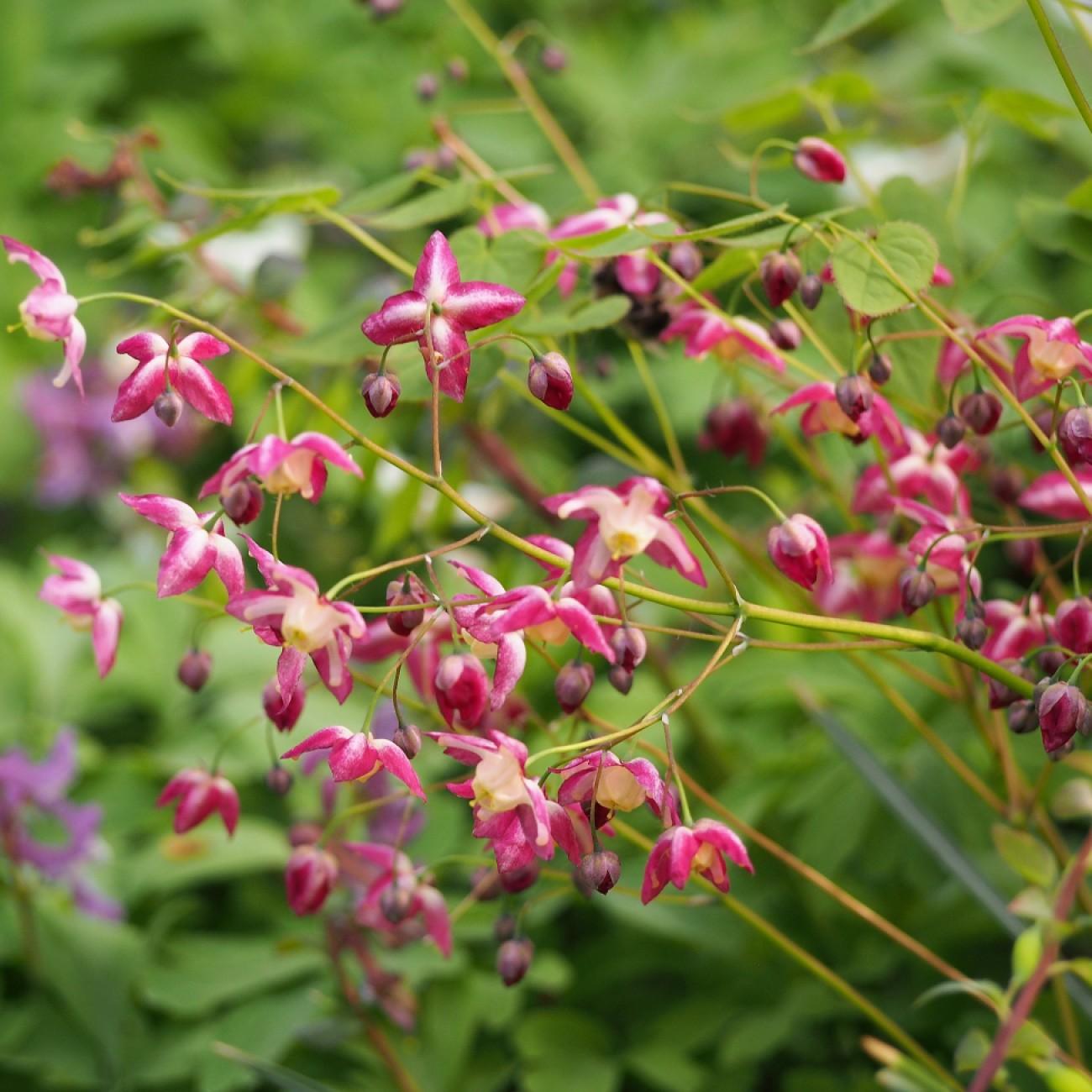
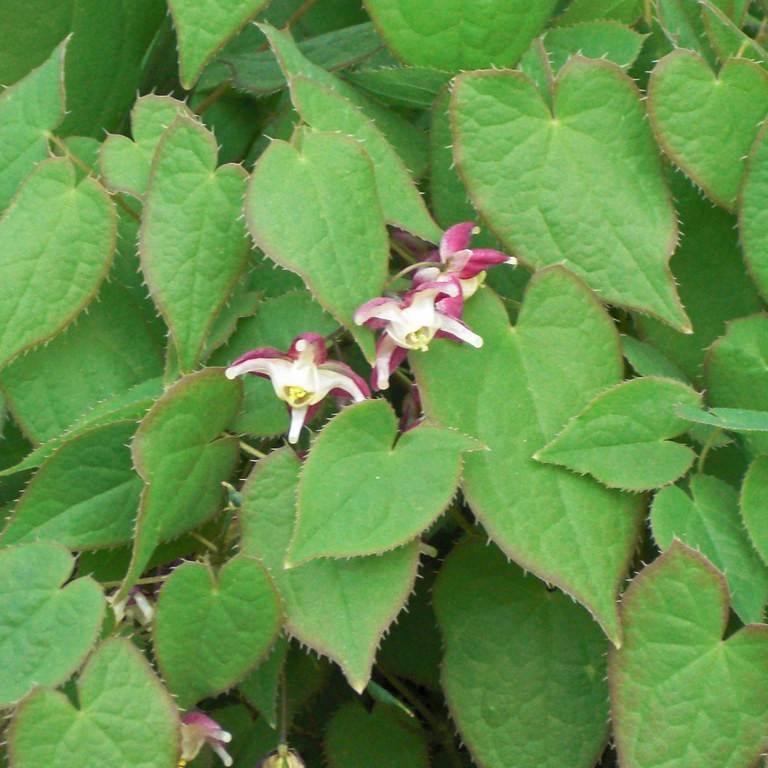
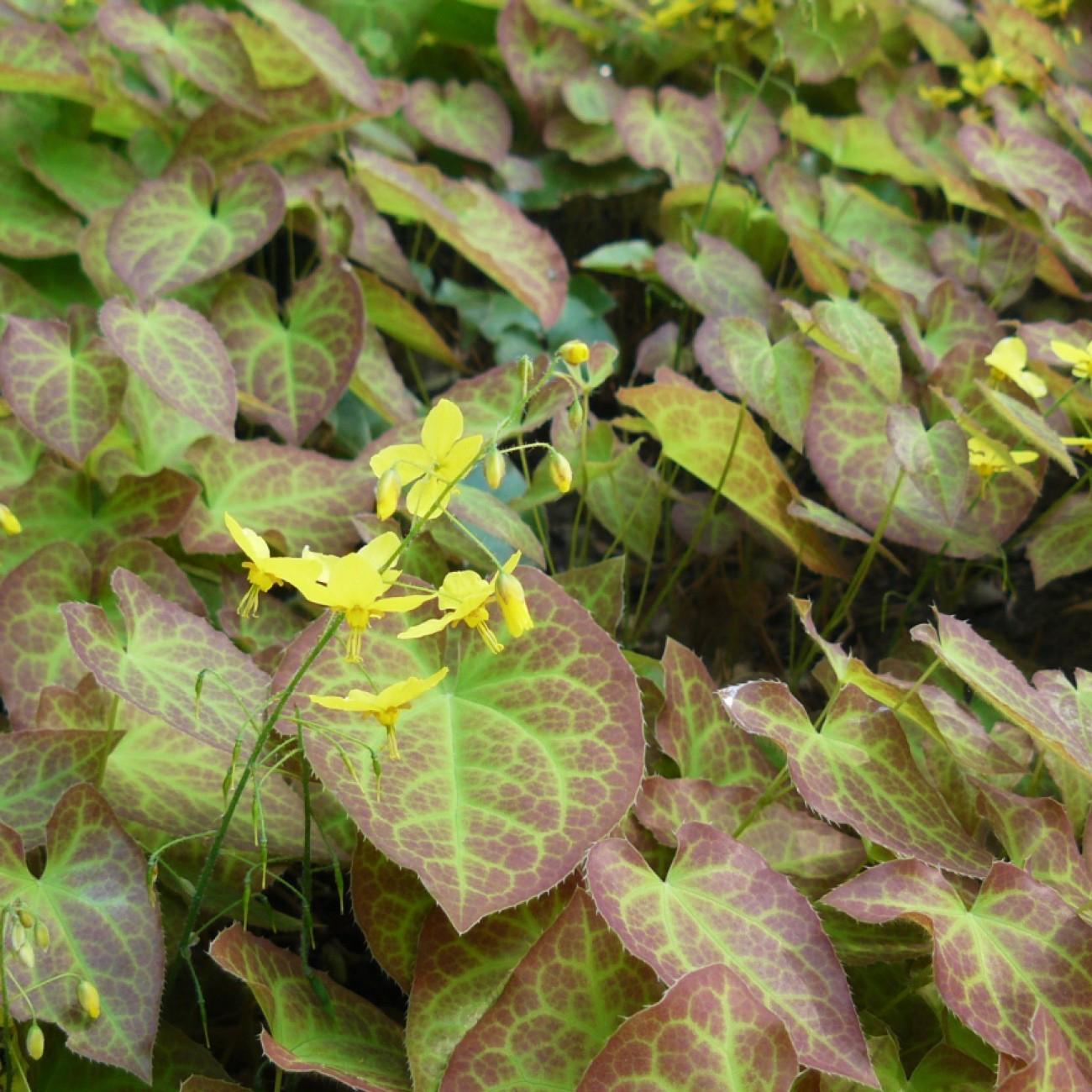
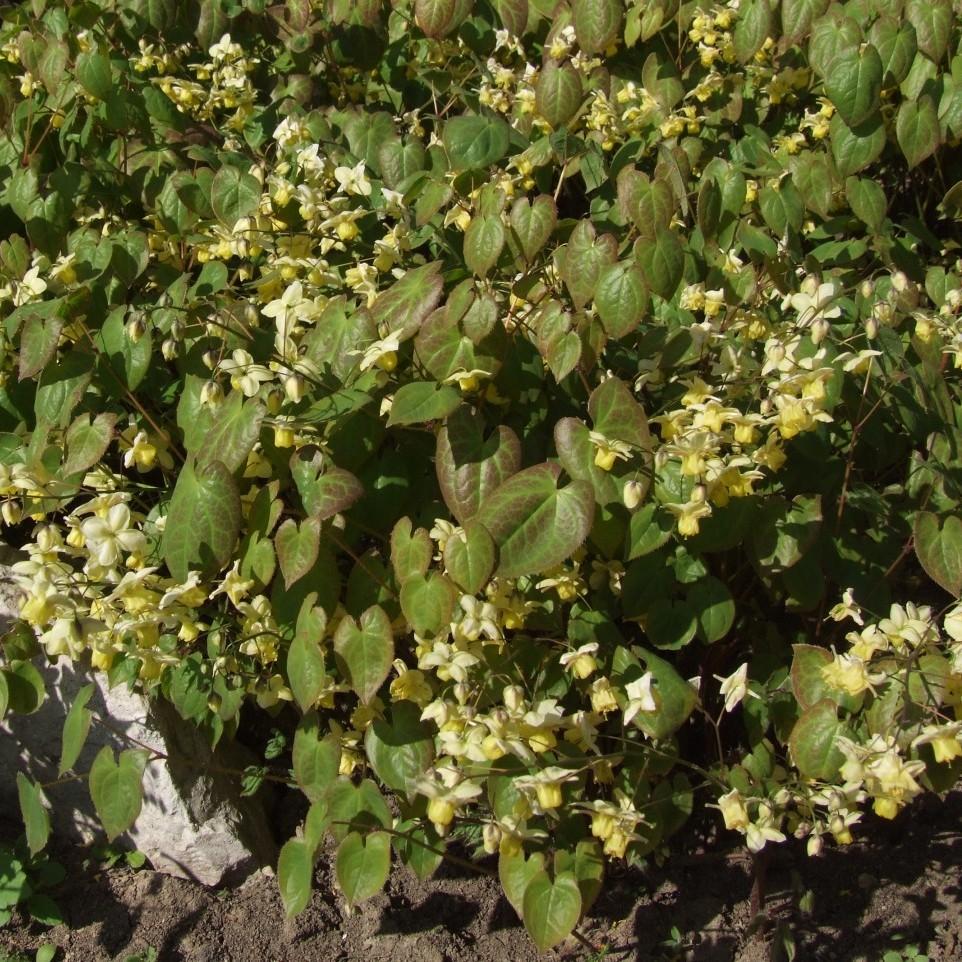
The bishop's hat (Epimedium youngianum) is an amazing plant species with delicate, dainty foliage and brightly colored flowers. This spreading evergreen perennial is perfect for adding a touch of color and interest to any garden. In the spring, clusters of cup-shaped, salmon-pink flowers are featured atop arching, branched stems. These are followed by new, leathery foliage with toothed edges that emerge green and bronze in color. Bishop's hats are low maintenance and highly deer resistant, providing care-free charm and beauty with minimal effort.
Care Guide
Watering
Water Bishop's hat plants regularly to ensure optimum growth. Water deeply and infrequently, about once per week. Always check the soil before watering. It should be moist but not overly soggy. During the hottest days of summer, you may need to water your Bishop's hat plants up to twice a week. In winter, reduce the frequency of watering. Let the soil dry out between each watering.
Light
Epimedium youngianum, commonly referred to as Bishop's Hat, is native to Asia and is planted in USDA hardiness zones 4–9. This drought-resistant plant prefers partial shade or filtered sun, making it an ideal choice for garden beds or underneath trees that offer some protection from direct sunlight. During its active growing season, Bishop's Hat can benefit from 2 to 3 hours of direct sunlight per day, morning or late afternoon being the best. On the hottest and sunniest of days, however, providing more shade is important to prevent stress and burn on the plant. During the cooler months, a bit more direct sunlight is beneficial but still should be limited to around 4 to 5 hours per day.
Temperature
Hardiness zone 4–8.
Pruning
Correct pruning techniques will help keep Bishop's Hat (Epimedium youngianum) in its best shape and promote healthy growth. Pruning should be done in early spring before new growth appears. This plant should be cut back about 1 third of its current height. Remove all branches of the previous year, cutting them back to the crown of the plant. If the plant appears to grow thickly or floppily, individual branches may be pruned to as low as a few inches from the ground. This will promote bushier, more attractive growth in the current season.
Propagation
Division, Cutting, Seed Propagation, Layering Propagation
Related plants
Other plants you might like if you grow bishop's hat.