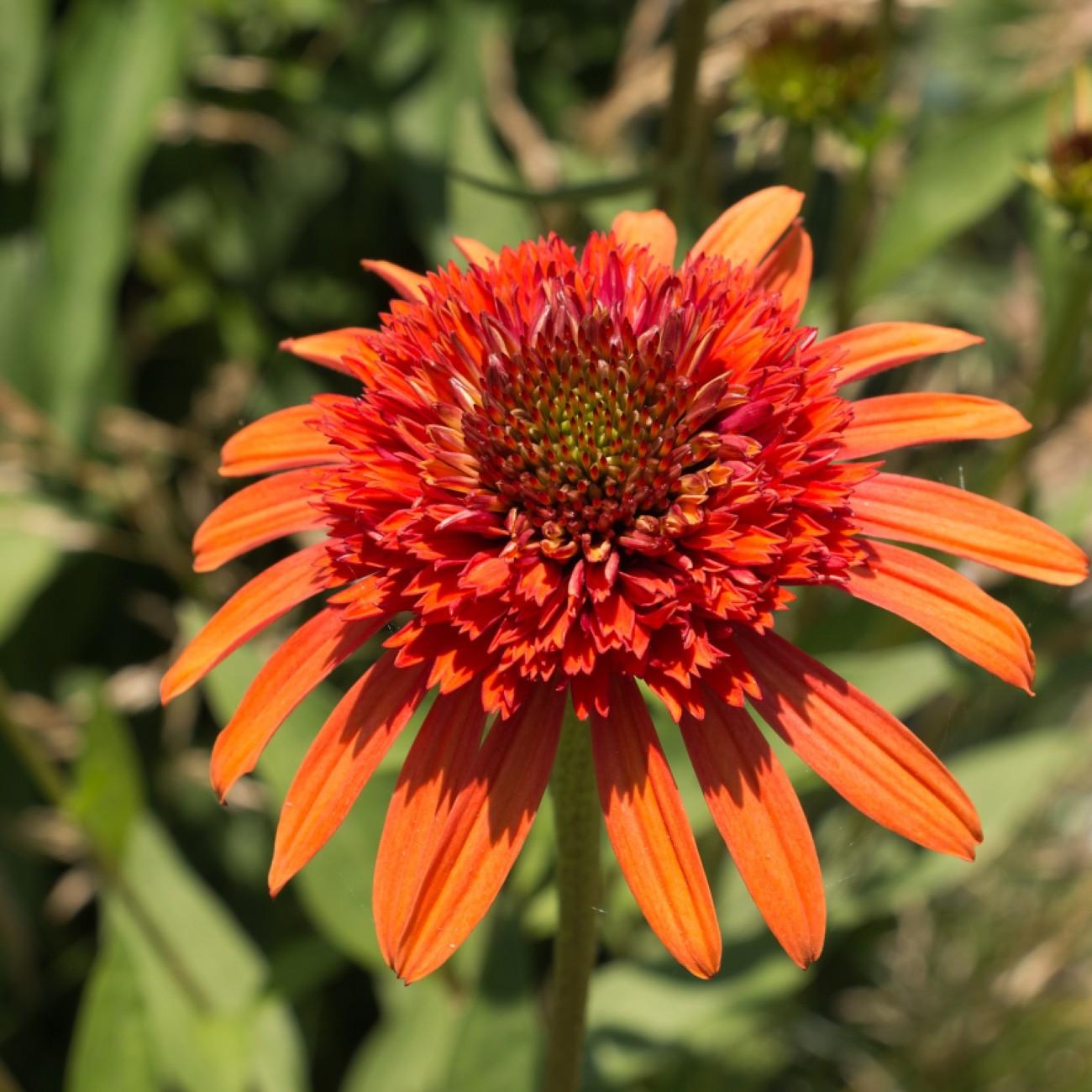
coneflower
Echinacea 'Coral Reef'
Overview
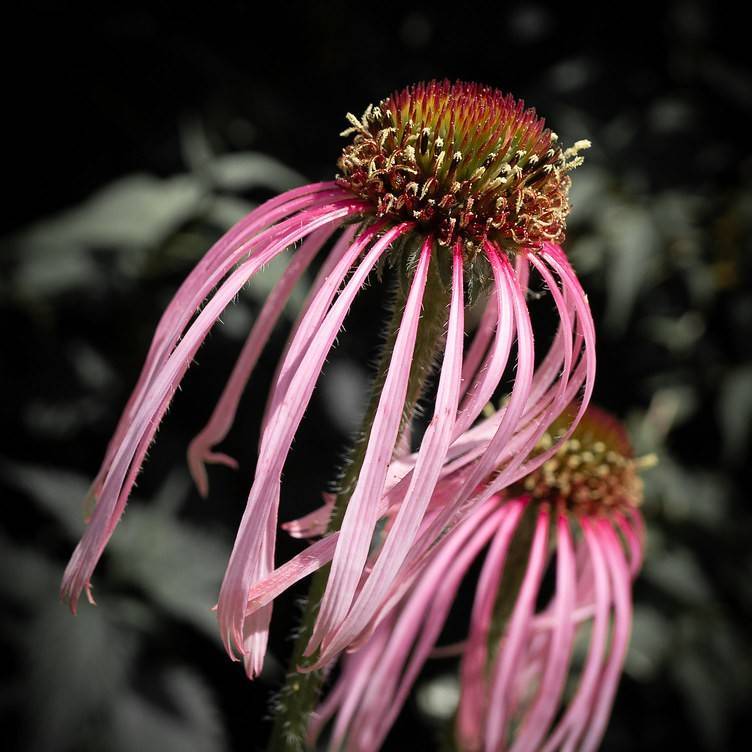
The coneflower, Echinacea 'Coral Reef', is an amazing plant species. Its unique coral-hued petals and golden yellow cone center make it a stunning addition to any garden. Along with its attractive flowers, the coneflower is also known for its impressive tolerance of drought and poor soil conditions. Not only that, but the coneflower is a pollinator magnet, attracting many butterflies, bees, and other beneficial insects. Echinacea 'Coral Reef' is a tough and reliable plant, making it an excellent choice for novice gardeners. It's sure to bring beauty and life to your outdoor space.
Care Guide
Watering
Coneflower, also known as Echinacea 'Coral Reef', requires regular watering for adequate growth and blooming. During the summer months, it should be watered once a week for best results. Thoroughly drench the soil, ensuring the entire root zone is moistened. During hotter months, more frequent watering may be required. During fall and winter, reduce the frequency of watering to every other week and less during the coldest months. Make sure to avoid overwatering and allow the top 2 inches of soil to dry before watering again.
Light
Coneflower (Echinacea 'Coral Reef') thrive best when planted in an area that receives full sun during the warmer months of the growing season from early spring to early fall. In cool climates, coneflower should get at least 6 hours of direct sunlight a day. In the heat of summer, it may need a bit of afternoon shade. Because these plants bloom best in full sun, you should place them in an area of your garden where they will get plenty of sunshine.
Temperature
Hardiness zone 3–8.
Pruning
Coneflowers (Echinacea 'Coral Reef') should be pruned once during late spring or early summer, when new growth begins emerging from the plant. Prune dead or damaged stems at the base of the plant using a pair of scissors or pruning shears. Early pruning removes spent flowers and prevents the plant from going to seed, allowing it to direct energy toward vegetative growth. Additionally, removing old flowers encourages new bloom, so pruning in late spring or early summer encourages repeat blooms throughout the season. In USDA zones 4 to 9, the blooming cycle usually continues through fall.
Propagation
Seed Propagation, Division, Root Cutting, Layering Propagation
Uses & Symbolism
Attracts: Birds, Butterflies.
Related plants
Other plants you might like if you grow coneflower.
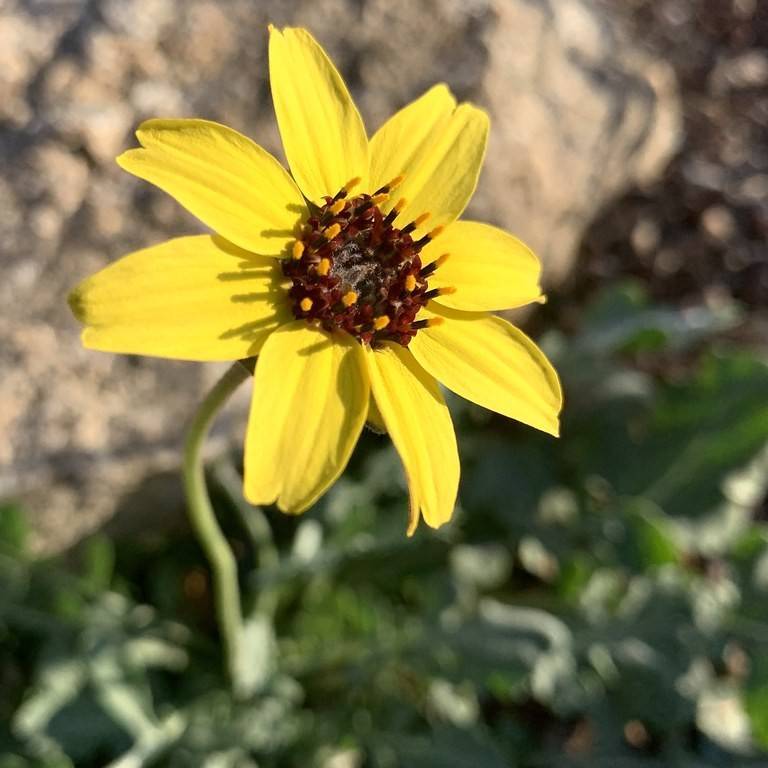
chocolate flower
Berlandiera lyrata
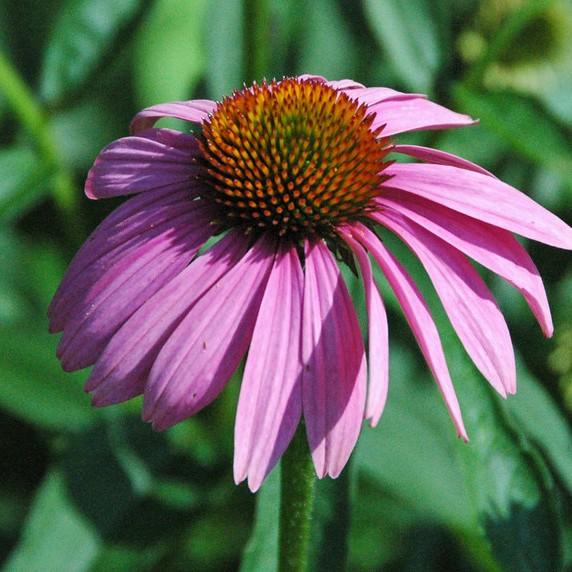
coneflower
Echinacea 'Adam Saul' CRAZY PINK
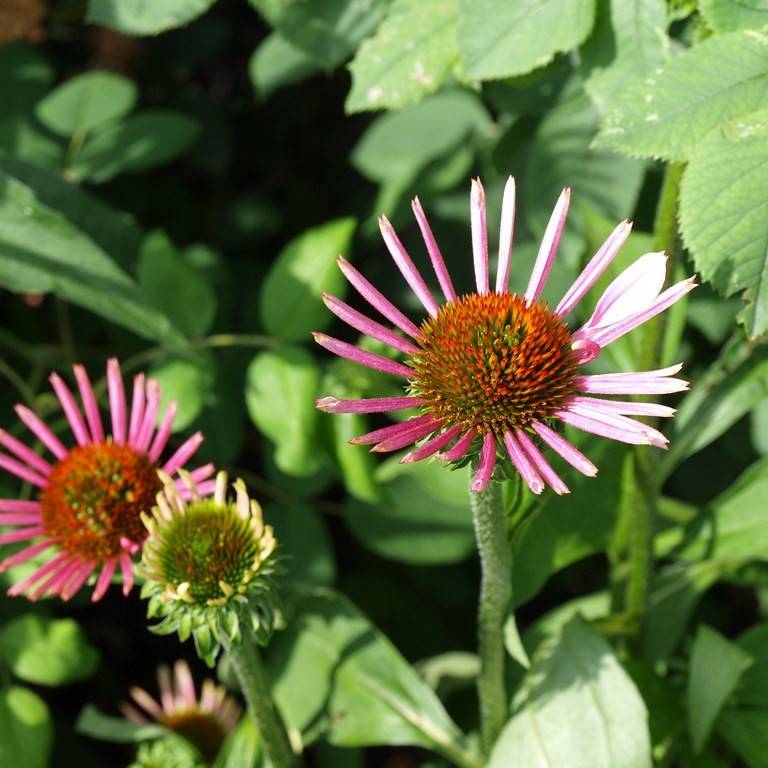
coneflower
Echinacea 'All that Jazz'
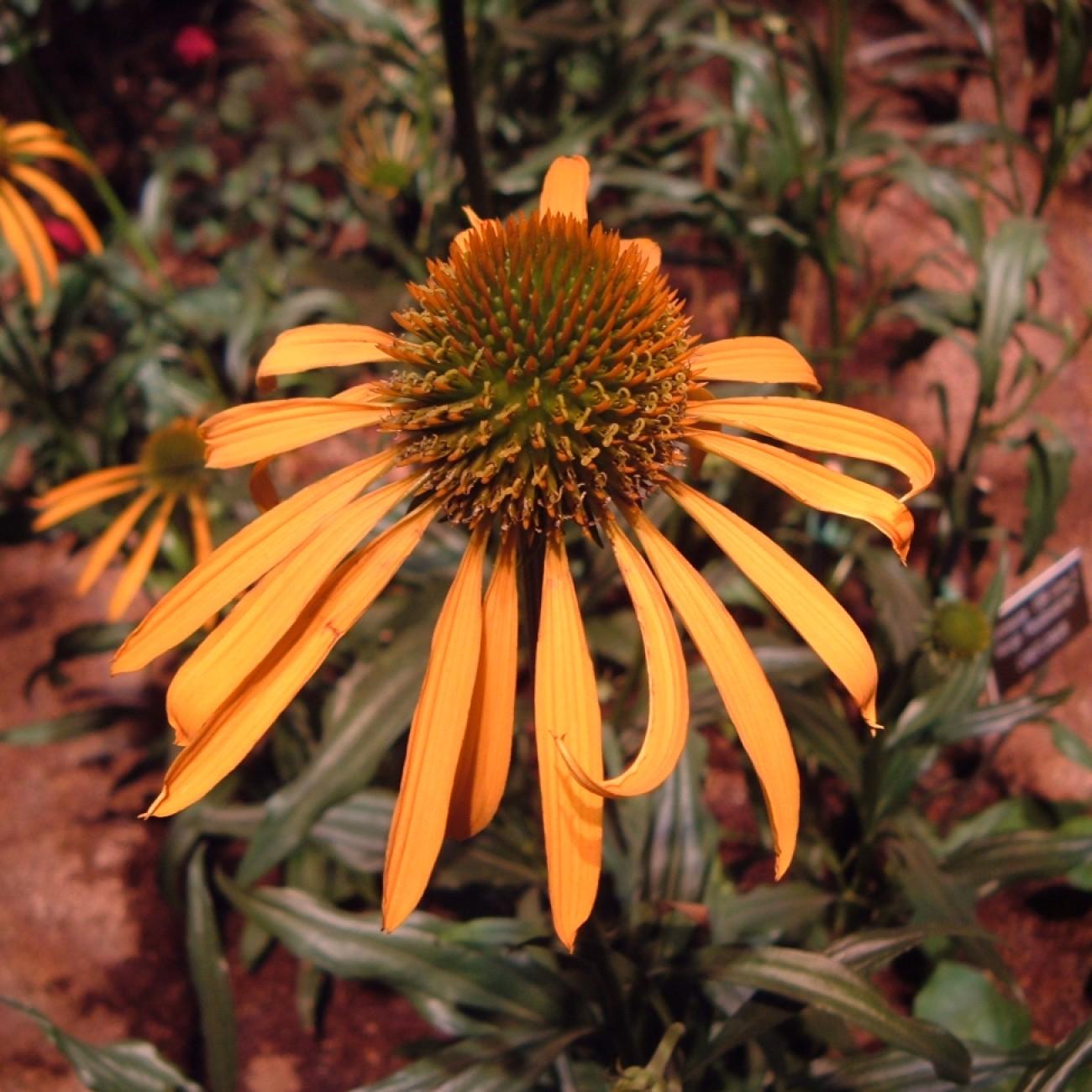
coneflower
Echinacea 'Art's Pride' ORANGE MEADOWBRITE
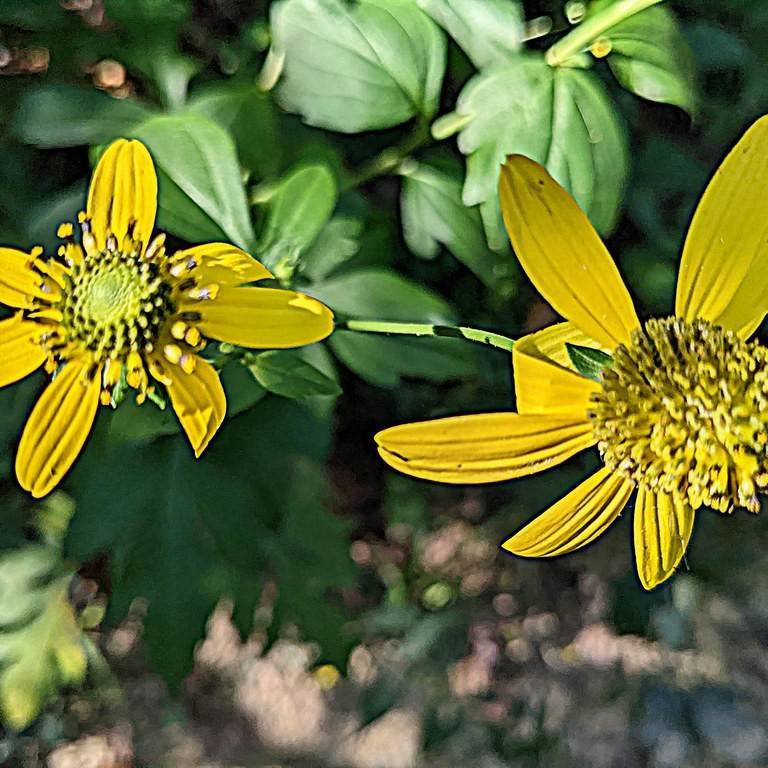
coneflower
Echinacea 'Balsomsolst' SOMBRERO SUMMER SOLSTICE
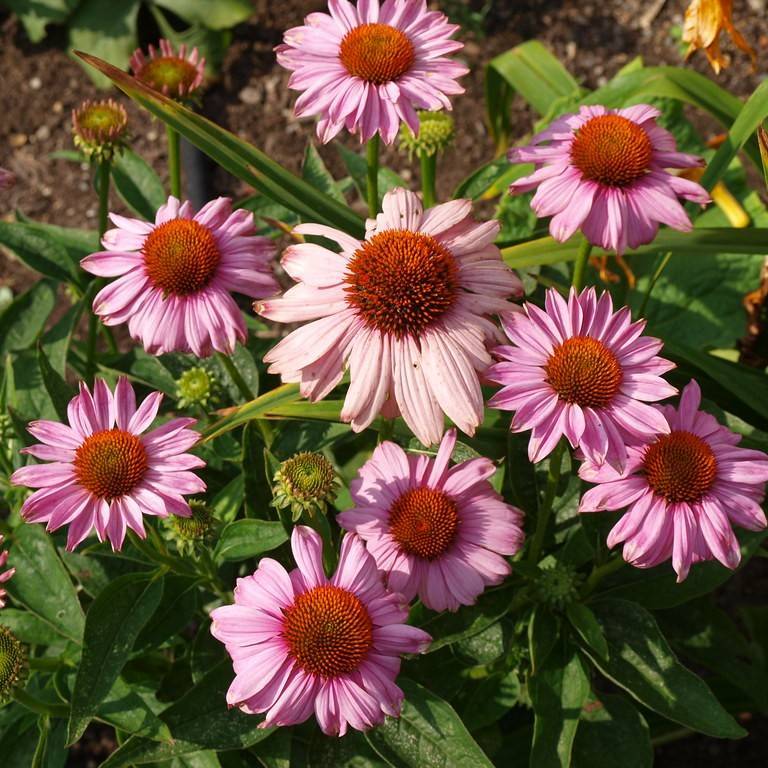
coneflower
Echinacea 'Bravado'
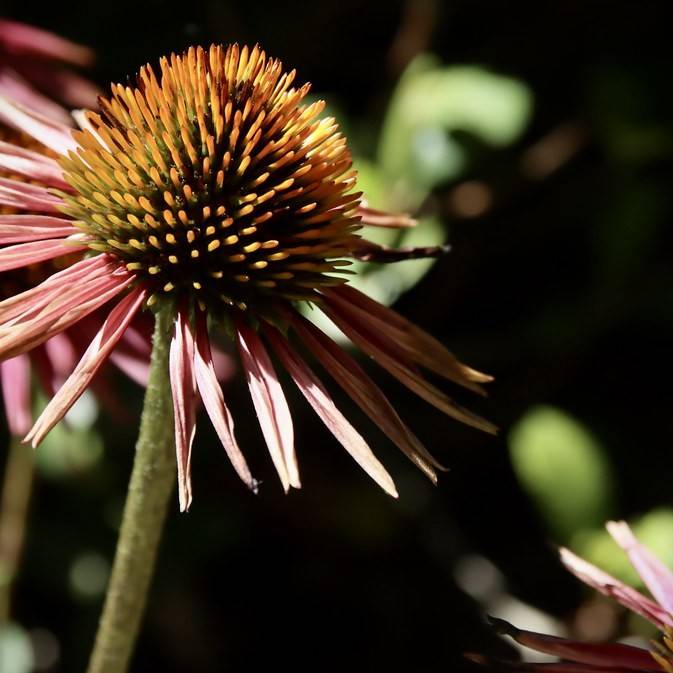
coneflower
Echinacea BURGUNDY FIREWORKS
coneflower
Echinacea 'CBG Cone 2' PIXIE MEADOWBRITE