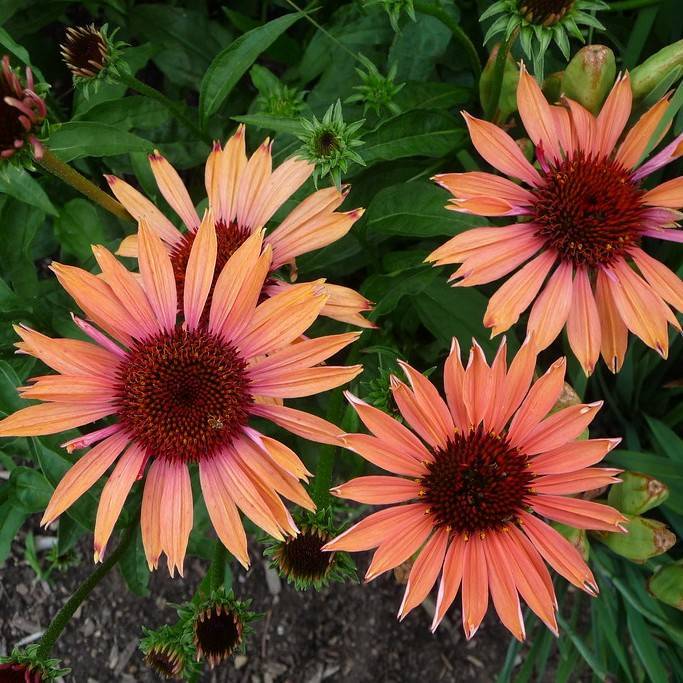
coneflower
Echinacea 'Evan Saul' BIG SKY SUNDOWN
Overview
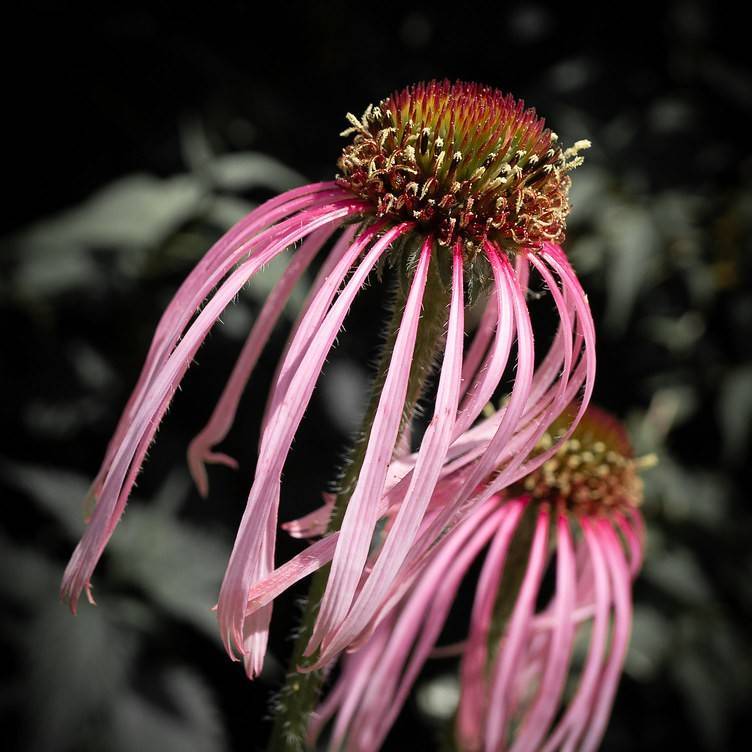
Coneflower (Echinacea 'Evan Saul' BIG SKY SUNDOWN) is an amazing plant species known for its cheerful yellow blooms and easy-to-grow habit. It has beautiful large petals with a deep red center, and its dark brown seed heads are incredibly attractive to birds and beneficial pollinators. This species is particularly resistant to droughts and cold temperatures, and is capable of self-seeding, making it a great choice for creating a long-lasting garden feature with minimal effort. The vibrant colors and hardy nature of this coneflower make it an ideal choice for both novice and expert gardeners.
Care Guide
Watering
Coneflower (Echinacea 'Evan Saul' BIG SKY SUNDOWN) should be watered regularly but not too often. It prefers soil that is kept evenly moist, but not soggy. Watering should be done in the early morning, so that foliage has time to dry off before nightfall. Once every 2 to 3 weeks should be enough during the growing season (spring and summer), unless there is an unusually hot or dry spell. In dry conditions, check the soil twice a week, and water deeply when it feels dry an inch below the surface. In winter, water less often, for instance once every 2–3 months, unless the soil is especially dry.
Light
Coneflower (Echinacea 'Evan Saul' BIG SKY SUNDOWN) does best when it receives at least 6 hours of direct or dappled sunlight each day. This plant does not do well in full shade, so it should be placed in an area where it can get plenty of sun. In the winter, however, the plant should be exposed to less sunlight to prevent damage from cold temperatures. During the summer months, it should get 8 to 10 hours of direct sunlight each day. It should be shielded from extreme winds, which can damage the delicate petals.
Temperature
Hardiness zone 3–8.
Pruning
Pruning of coneflower (Echinacea 'Evan Saul' BIG SKY SUNDOWN) is not necessary except for removal of dead or damaged foliage. Since this species will bloom in late summer and early fall, trimmed plants will lack flowers. To avoid this, prune at the end of the flowering season, generally in early fall. This will promote fresh foliage for the next season. Simple pruning to remove dead individual blossoms and seedheads is normally sufficient; removing stems and foliage should be done with caution. Often, it is best to leave pruning of this species until spring, as the coneflowers may provide overwintering cover which is beneficial both for the plant and for a yard’s wildlife population.
Propagation
Division, Root Cutting, Seed Propagation, Layering Propagation
Uses & Symbolism
Attracts: Birds, Butterflies.
Related plants
Other plants you might like if you grow coneflower.
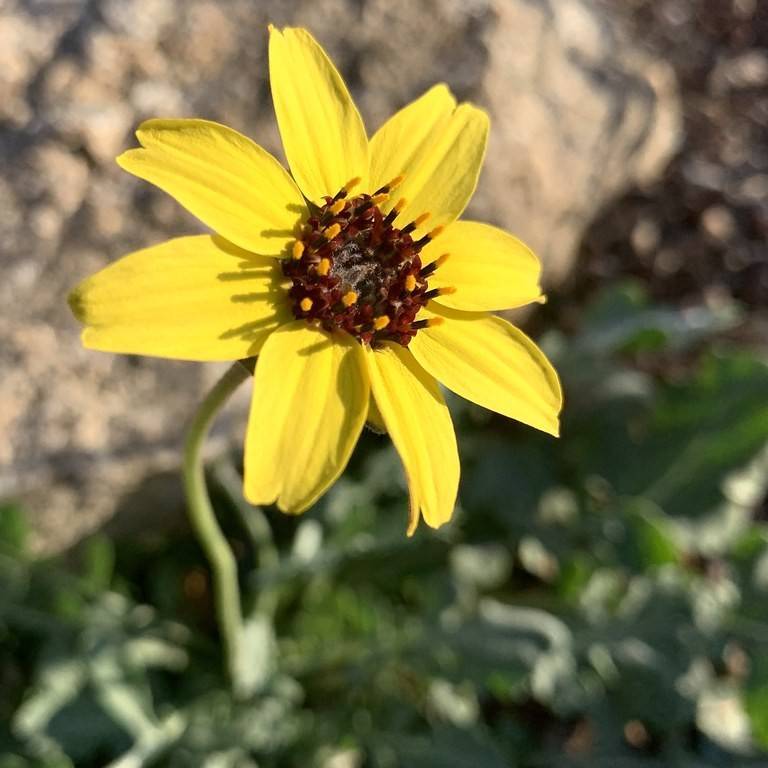
chocolate flower
Berlandiera lyrata
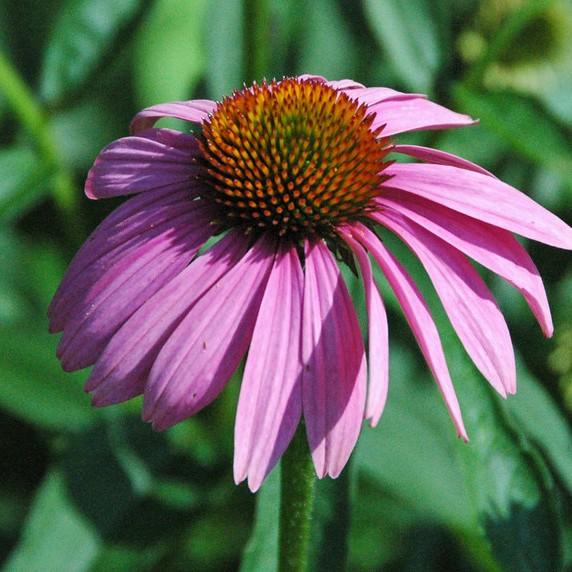
coneflower
Echinacea 'Adam Saul' CRAZY PINK
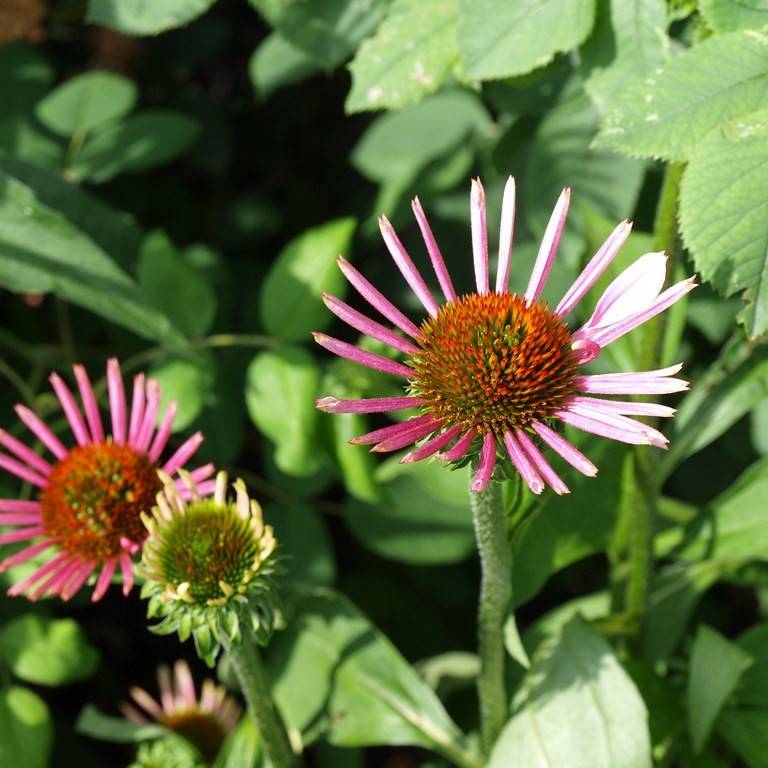
coneflower
Echinacea 'All that Jazz'
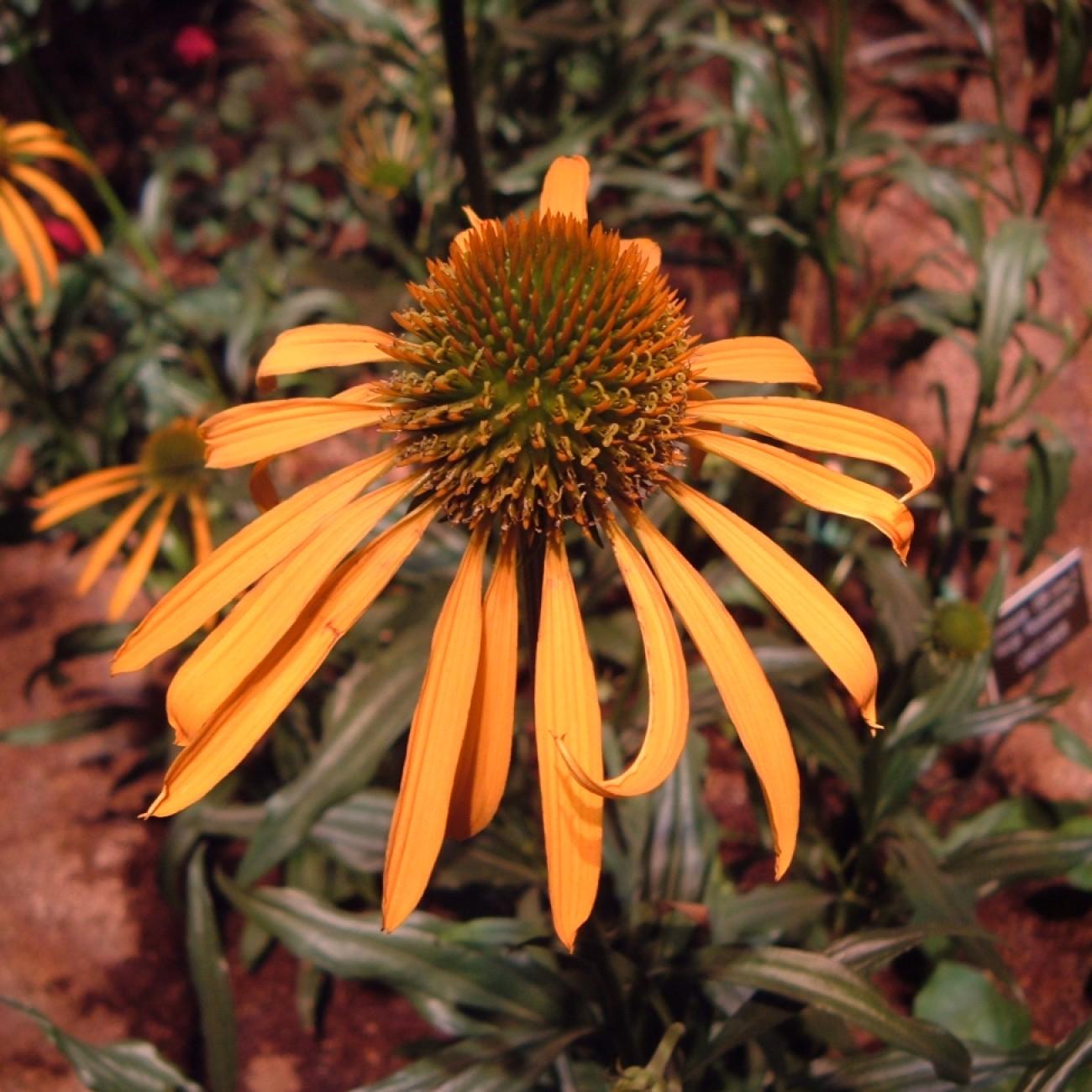
coneflower
Echinacea 'Art's Pride' ORANGE MEADOWBRITE
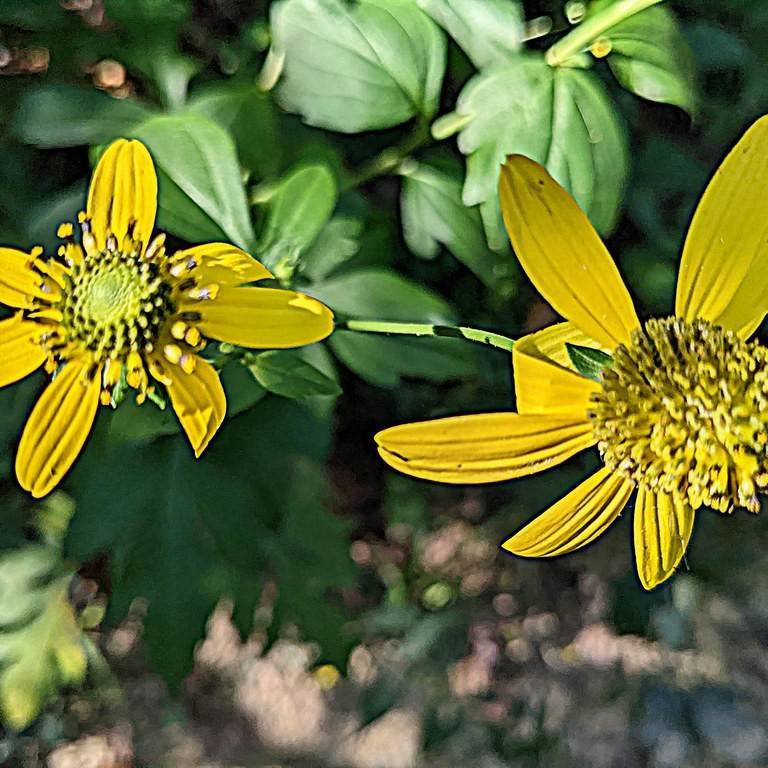
coneflower
Echinacea 'Balsomsolst' SOMBRERO SUMMER SOLSTICE
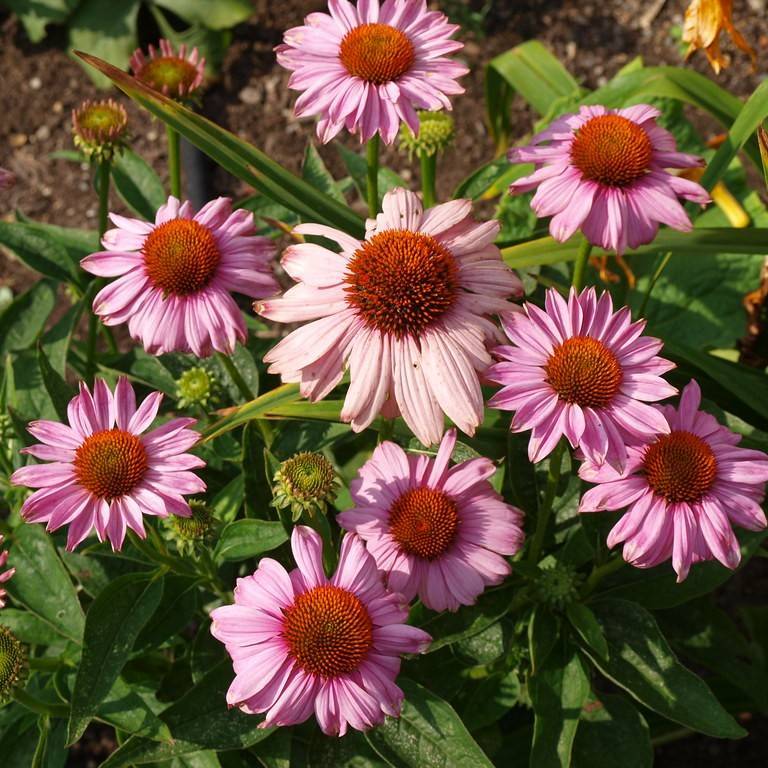
coneflower
Echinacea 'Bravado'
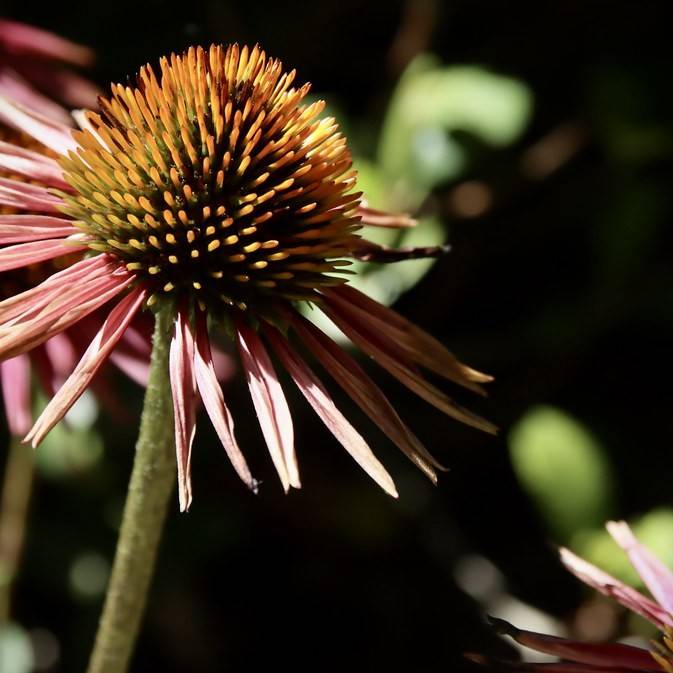
coneflower
Echinacea BURGUNDY FIREWORKS
coneflower
Echinacea 'CBG Cone 2' PIXIE MEADOWBRITE