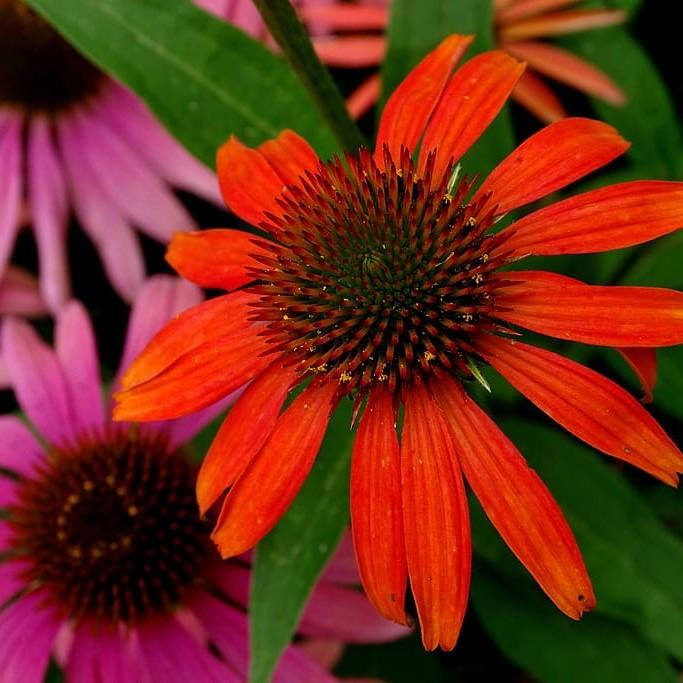
coneflower
Echinacea 'Julia'
Overview
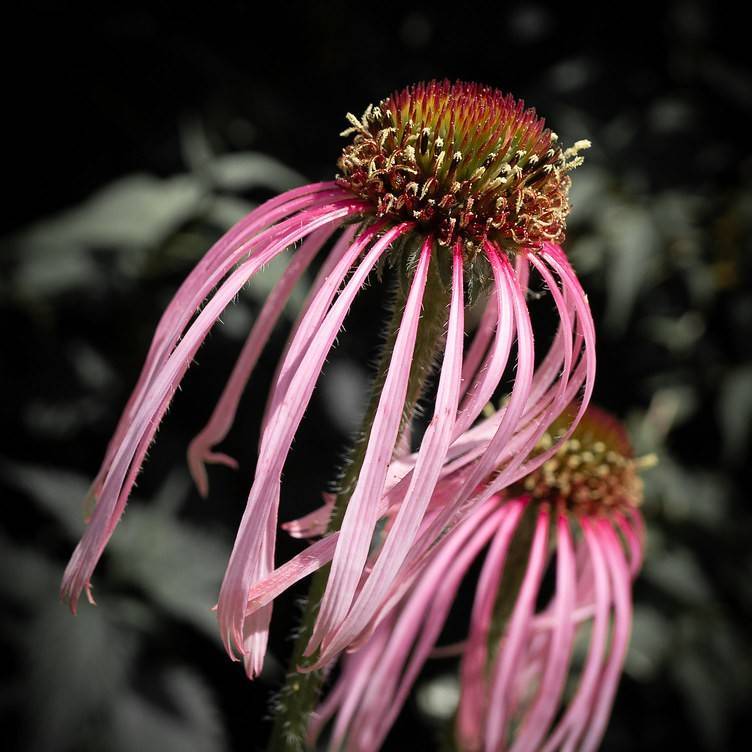
Coneflower is an amazing and low-maintenance plant that is perfect for brightening up your garden. It features beautiful bright magenta-purple flower heads with orange-yellow central cones surrounded by soft lavender-pink petals. Its daisy-like flowers are a stunning addition to your flower beds, attracting bees and butterflies all season long. Julia coneflower is great for northern gardens as it is very heat and drought tolerant and hardy in chilly climates. It also has many medicinal uses and is long-blooming, bringing a burst of color to the landscape from midsummer until the first frost.
Care Guide
Watering
Coneflower (Echinacea 'Julia') thrives best when watered well and regularly. In general, water about 1" per week, either from rainfall or with supplemental irrigation. However, during very hot weather, water more frequently as needed to keep the soil lightly moist. When irrigating, it's important to use a soaker hose or drip irrigation system to avoid over-watering and fungal diseases. In general, wait until the surface of the soil begins to dry out before providing more water. Always avoid wetting the foliage while watering, as this can help prevent fungal diseases.
Light
Coneflower (Echinacea 'Julia') thrives in full sun, which means it needs at least 6 hours of direct sunlight each day. Morning or late afternoon sun is generally best, as the direct midday sun can be too intense. This particular variety of Coneflower is fairly heat tolerant, and will generally thrive in temperatures up to 85°F (29°C). It is important to note, however, that Coneflower does not do well if it is consistently exposed to temperatures over 95°F (35°C).
Temperature
Hardiness zone 3–8.
Pruning
Pruning of Coneflower (Echinacea ‘Julia’) depends on a variety of factors such as the time of year, the overall health and size of the plant, and your desired results. Generally, pruning should be done in the early spring when the plant is just starting to emerge from dormancy. This should be done after the threat of frost has passed. Pruning should only be done if necessary, as coneflowers don’t need to be heavily pruned. When pruning, it is important to remove any dead or diseased foliage first. After dead and damaged foliage has been removed, you can cut the stems back to where they begin to branch off. This will help to improve air circulation around the plant and reduce overcrowding from too much foliage. In addition, removing old blooms will help to encourage more flowers to bloom. Coneface should not be pruned until after flowering as pruning before flowering may reduce or eliminate any blooms.
Propagation
Division, Cutting, Seed Propagation, Layering Propagation
Uses & Symbolism
Attracts: Birds, Butterflies.
Related plants
Other plants you might like if you grow coneflower.
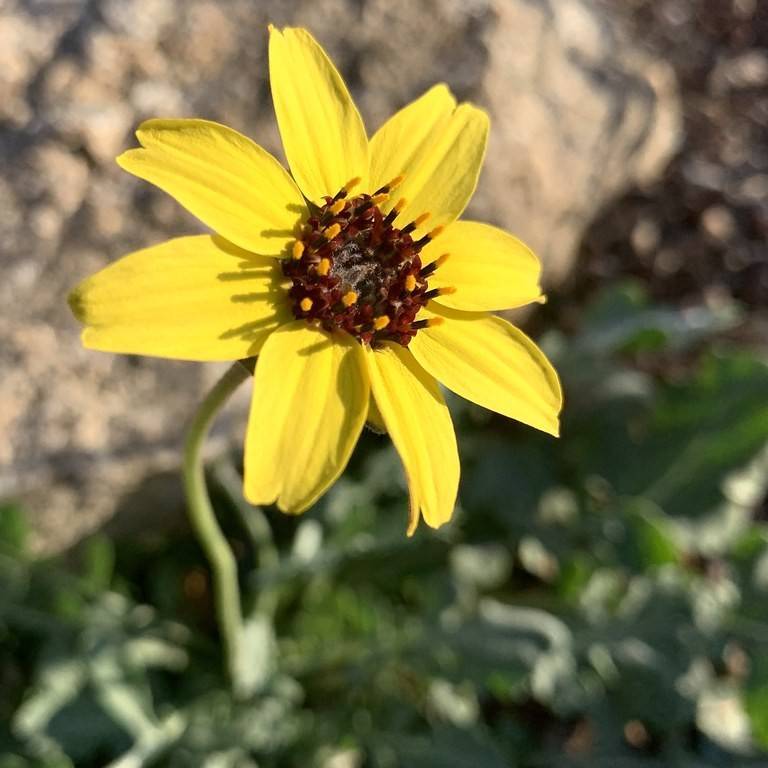
chocolate flower
Berlandiera lyrata
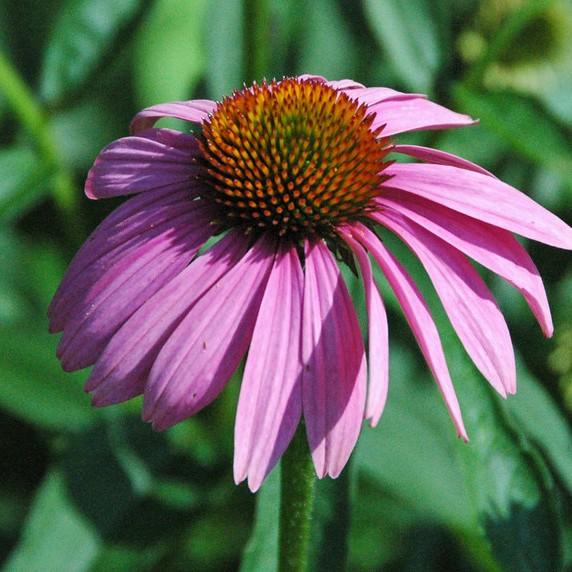
coneflower
Echinacea 'Adam Saul' CRAZY PINK
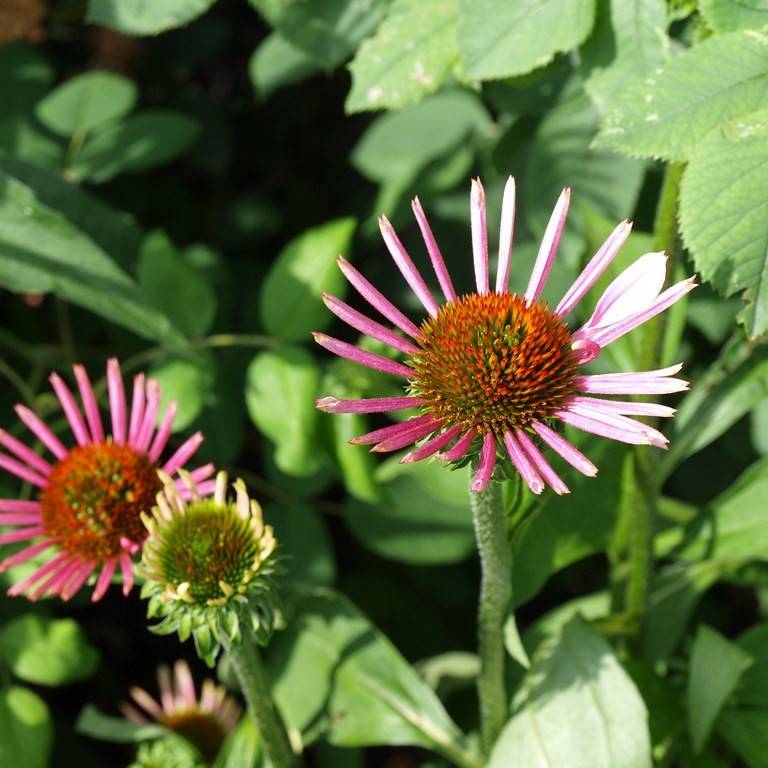
coneflower
Echinacea 'All that Jazz'
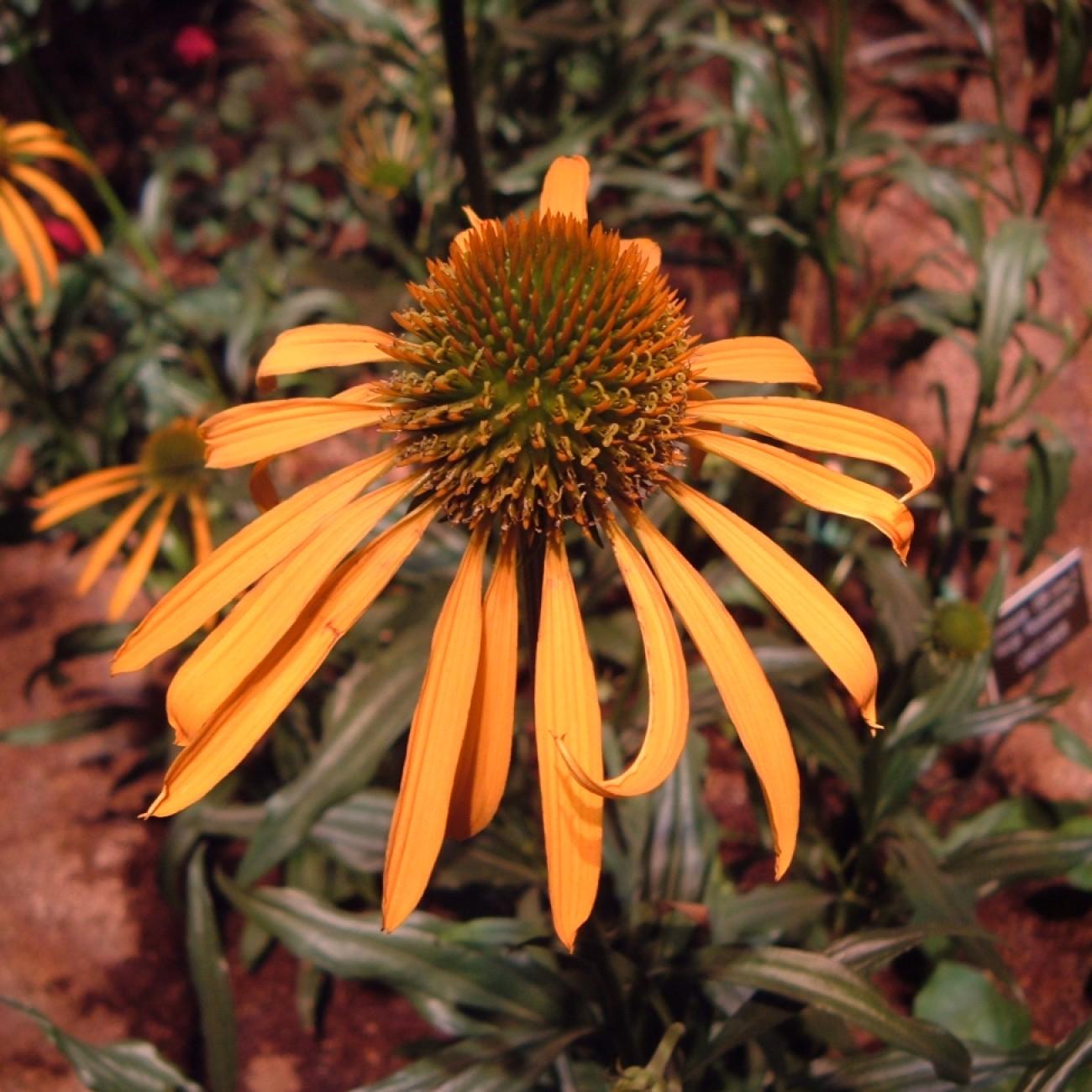
coneflower
Echinacea 'Art's Pride' ORANGE MEADOWBRITE
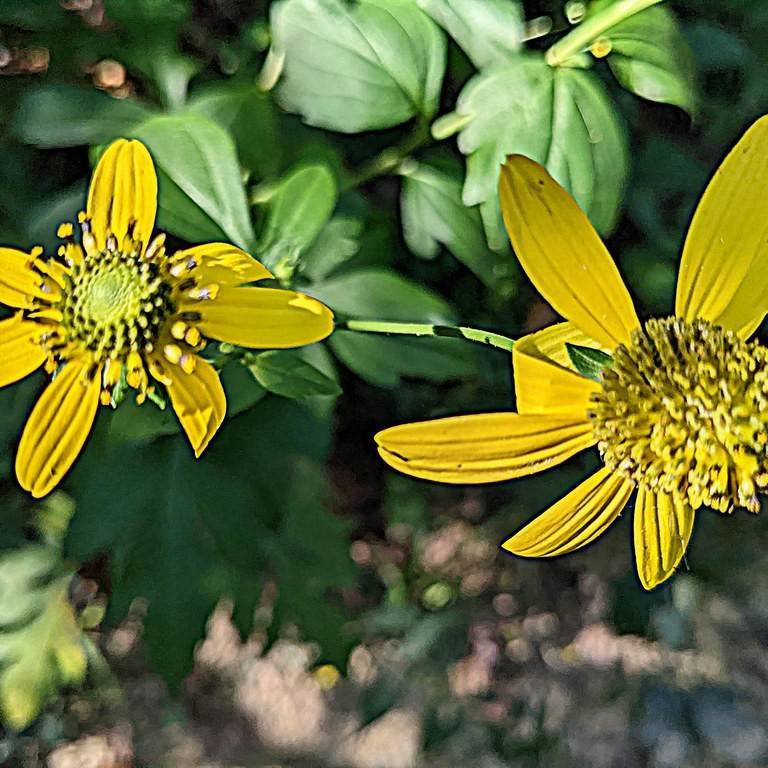
coneflower
Echinacea 'Balsomsolst' SOMBRERO SUMMER SOLSTICE
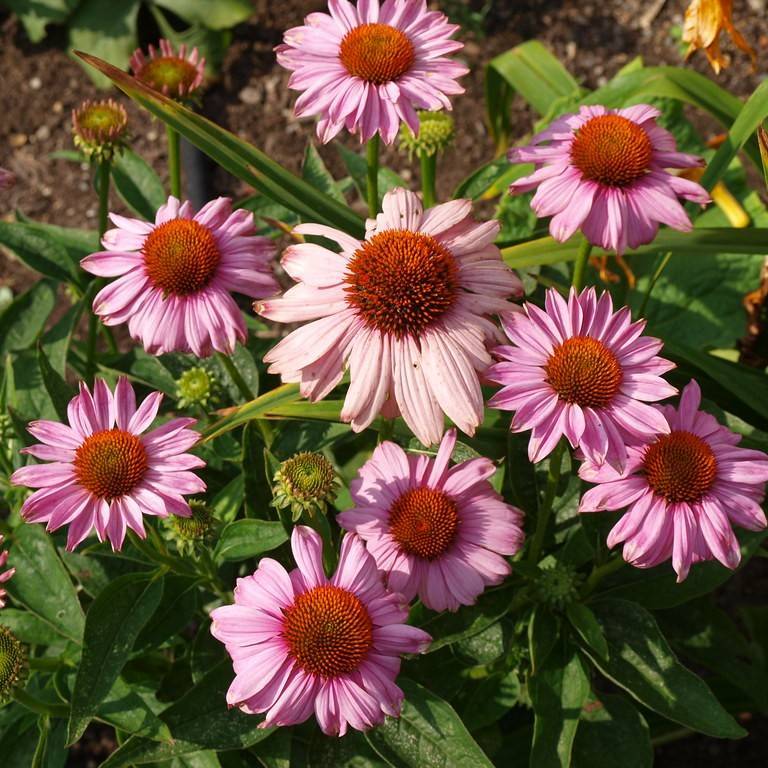
coneflower
Echinacea 'Bravado'
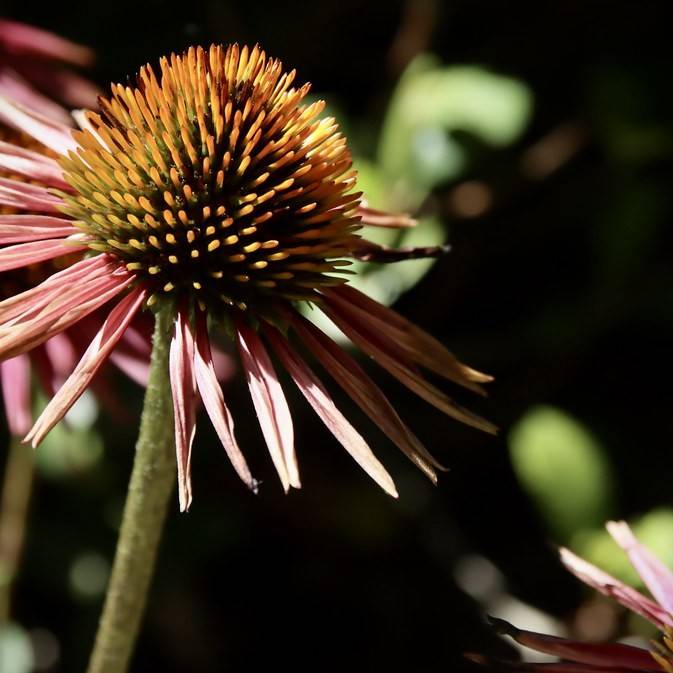
coneflower
Echinacea BURGUNDY FIREWORKS
coneflower
Echinacea 'CBG Cone 2' PIXIE MEADOWBRITE