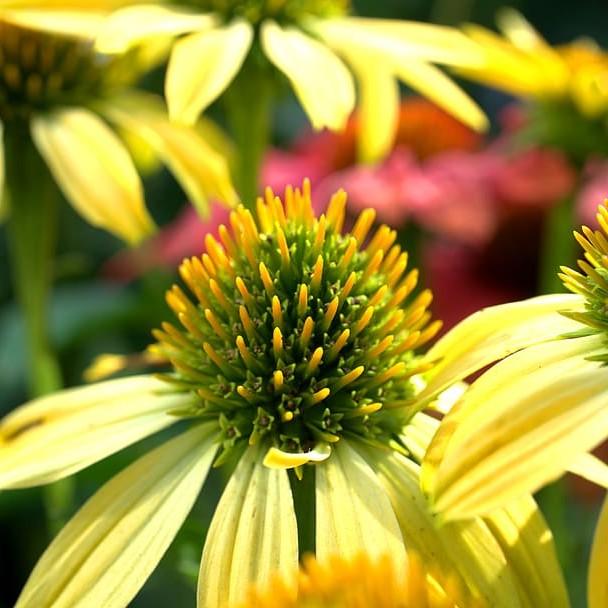
coneflower
Echinacea 'Maui Sunshine'
Overview
Coneflower (Echinacea 'Maui Sunshine') is an amazing plant to add to your garden. With its bright, golden-yellow petals, it's sure to bring a vibrant splash of color to any outdoor setting. Not only does it look great, but it also attracts beneficial pollinators, making it an excellent choice for a wildlife-friendly habitat! Plus, its drought-tolerant and frost-resistant qualities ensure that it can survive in harsh climates. Coneflower (Echinacea 'Maui Sunshine') is a hardy and long-lasting addition to any garden, and its cheerful appearance is sure to bring a smile to anyone who beholds it.
Care Guide
Watering
The coneflower (Echinacea 'Maui Sunshine') should be watered regularly throughout its growing season to ensure optimal health. For newly planted coneflowers, make sure to water well everyday until the soil has settled around the roots. After establishment, water deeply once or twice a week (preferably in the morning) to keep the soil evenly moist at a depth of about 6 to 12 inches. During prolonged periods of heat or drought, increase watering to every 3-4 days. Avoid over-watering, which can cause nitrate build-up leading to a decrease in flowering. Reducing the amount of water per session will also better prevent root rot.
Light
Coneflower (Echinacea 'Maui Sunshine') prefer at least 6 to 8 hours of direct sunlight each day, and can tolerate full sun. In regions with extreme heat, it is best to provide some light afternoon shade as the plant can become susceptible to sunburn. Coneflowers are best grown in well-draining soil and should be watered deeply and regularly to maintain consistent moisture levels. An occasional deep watering helps to establish a deep root system in the soil. When the plant is in bloom, water just 1 to 2 times a week to help blossoms last longer.
Temperature
Hardiness zone 3–8.
Pruning
Coneflower (Echinacea 'Maui Sunshine') is a fast-growing, clump-forming perennial and should be pruned in early spring before new growth begins. An annual pruning can help maintain the size and shape of the plant, remove old faded flowers, and help to promote new, vigorous blooms. With this particular species, only the spent flowers should be pruned; avoid pruning back any of the leafy foliage. Pruning should be done in moderation, allowing enough foliage to remain to protect the plant from winter stressors, such as extreme temperatures and drought. Coneflower is a low-maintenance plant, and no more than a third of the plant should be removed during pruning.
Propagation
Seed Propagation, Division, Root Cutting, Layering Propagation
Uses & Symbolism
Attracts: Birds, Butterflies.
Related plants
Other plants you might like if you grow coneflower.
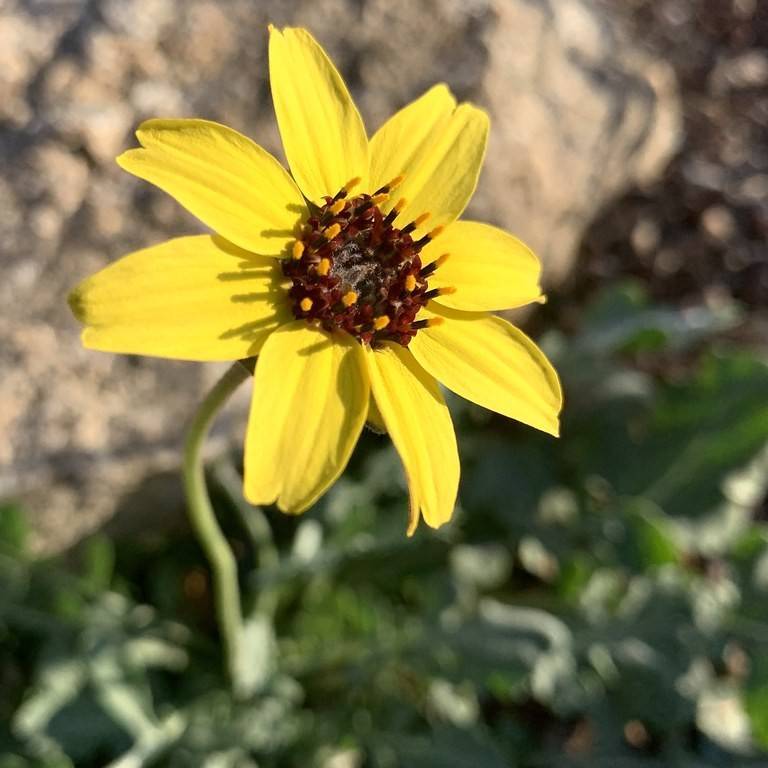
chocolate flower
Berlandiera lyrata
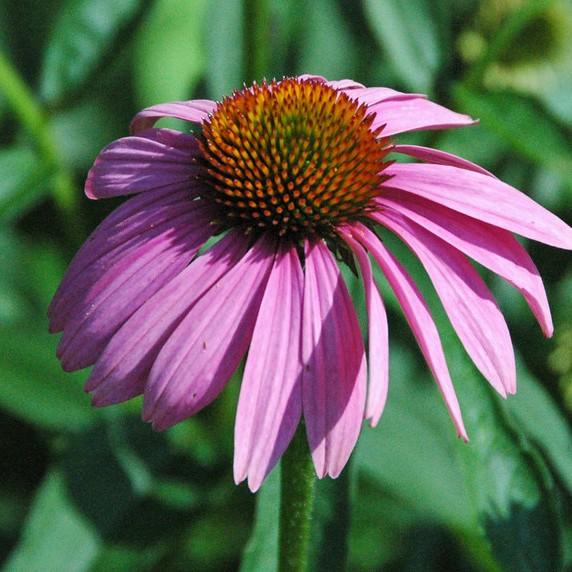
coneflower
Echinacea 'Adam Saul' CRAZY PINK
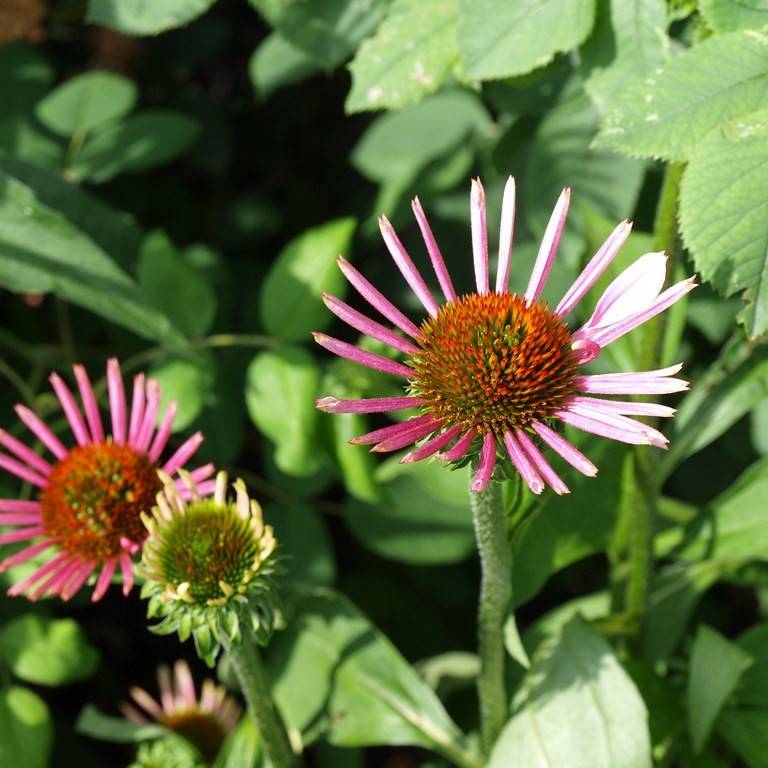
coneflower
Echinacea 'All that Jazz'
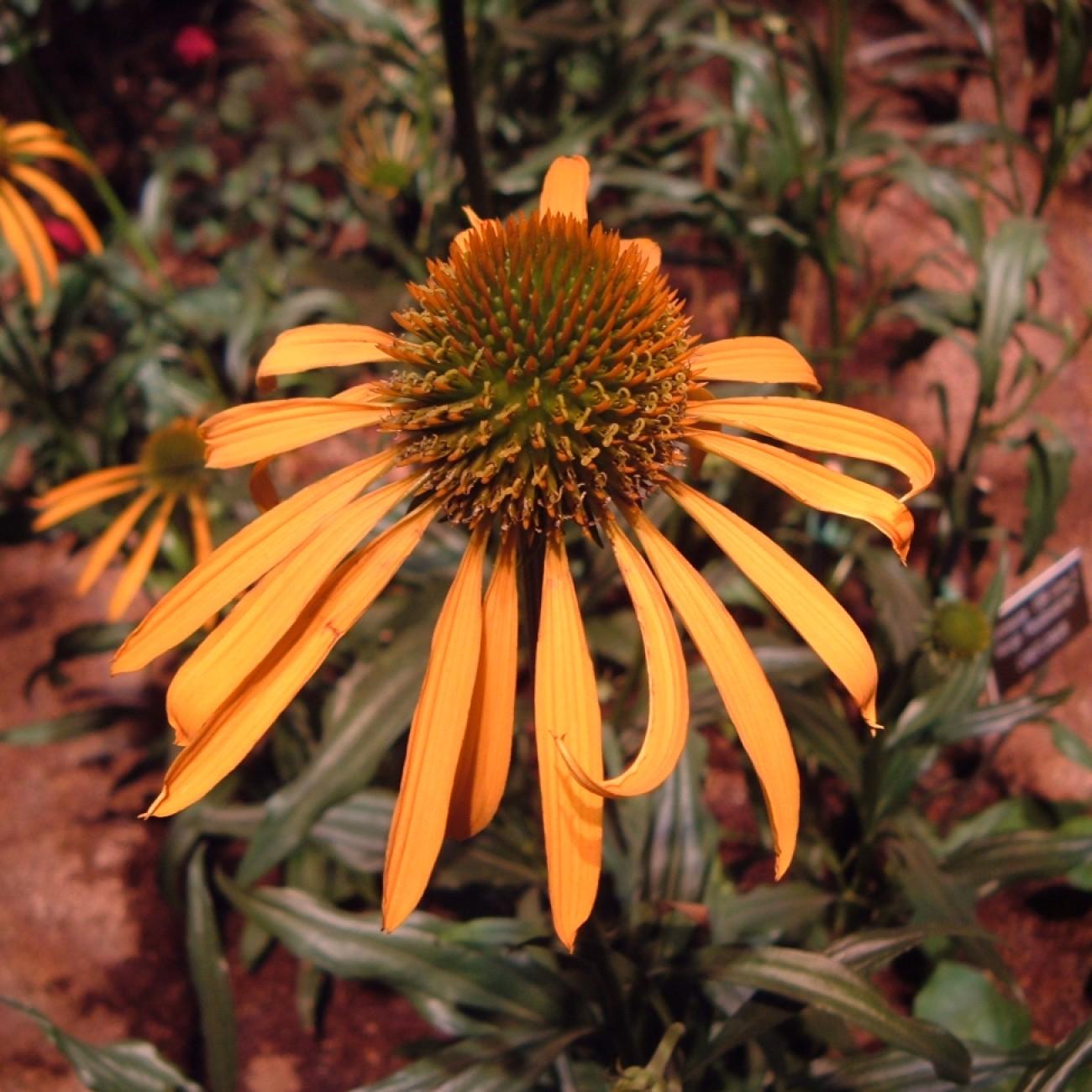
coneflower
Echinacea 'Art's Pride' ORANGE MEADOWBRITE
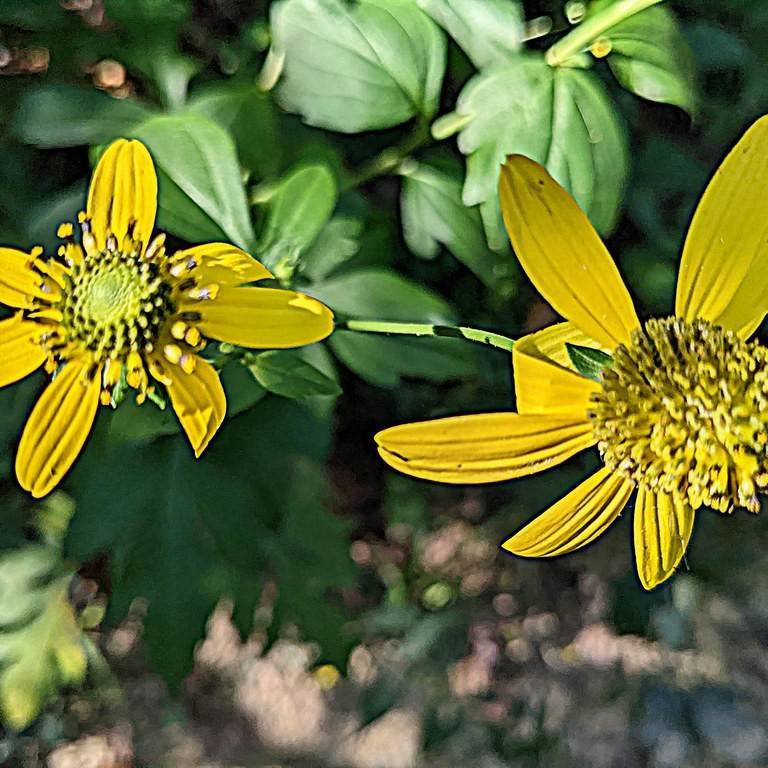
coneflower
Echinacea 'Balsomsolst' SOMBRERO SUMMER SOLSTICE
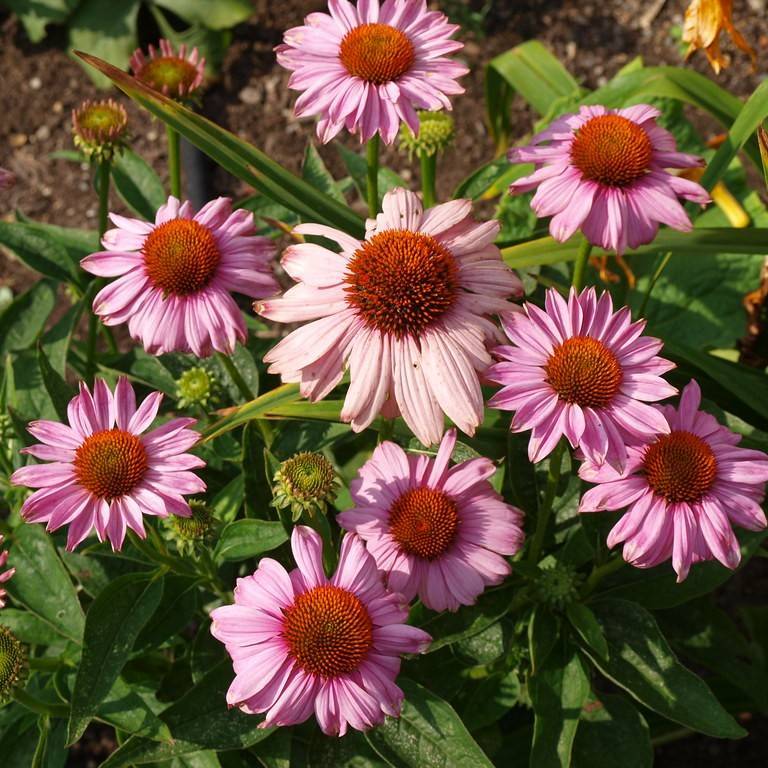
coneflower
Echinacea 'Bravado'
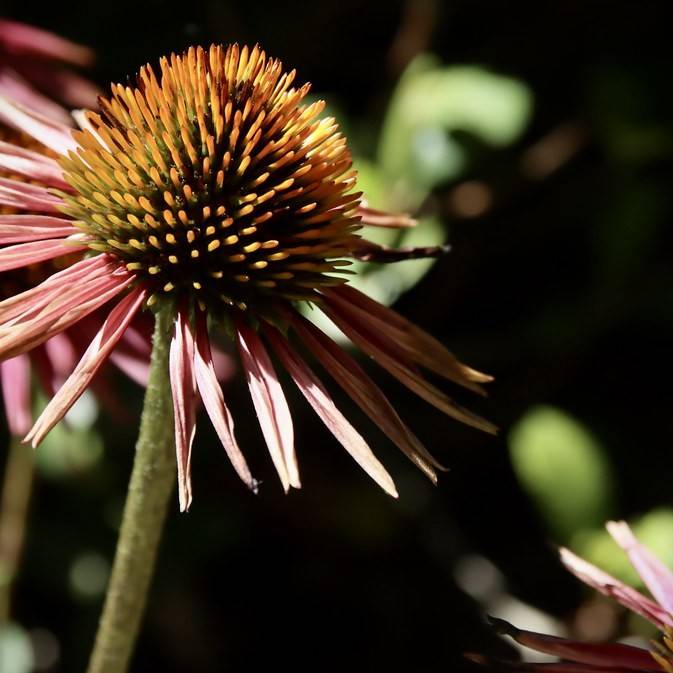
coneflower
Echinacea BURGUNDY FIREWORKS
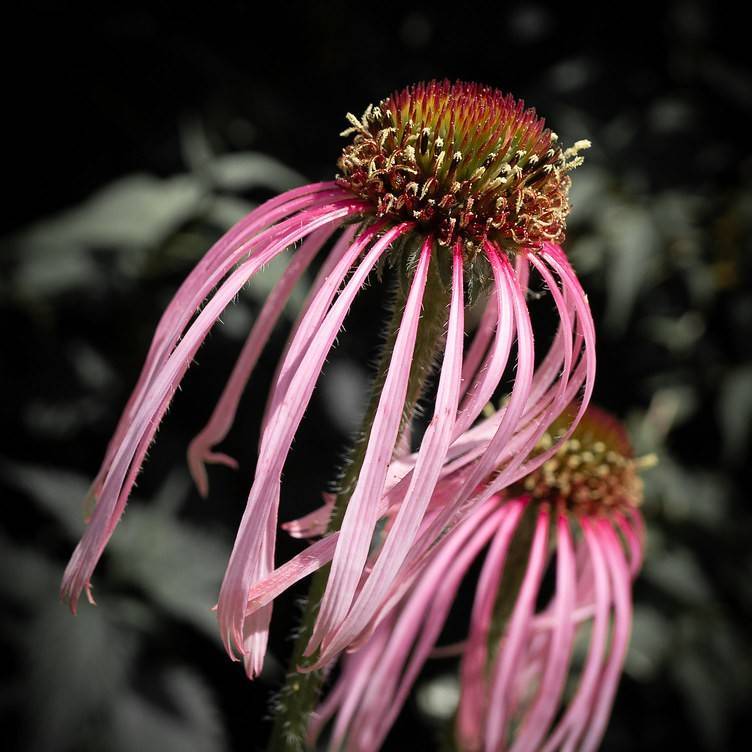
coneflower
Echinacea 'CBG Cone 2' PIXIE MEADOWBRITE